Poetry: August 2025

Sarah Angstadt: “Counterproductive Side Effects”

Luis Cuauhtemoc Berriozabal: “Hearing Aid”

Sue Blaustein: “Serving Orders at Brother’s Foods”

John Brantingham: “The Greening of Creatures”

J.D. Isip: “Triceratops”

Paul Jones: “Two Flamingoes at Pea Island Reserve”

Samuel Prestridge: “My Father, Hailing from Ignorant Hill, Texas…”

Diana Rosen: “NEWS ITEM: Westside Pavilion to be UCLA Biomedical Research Center”

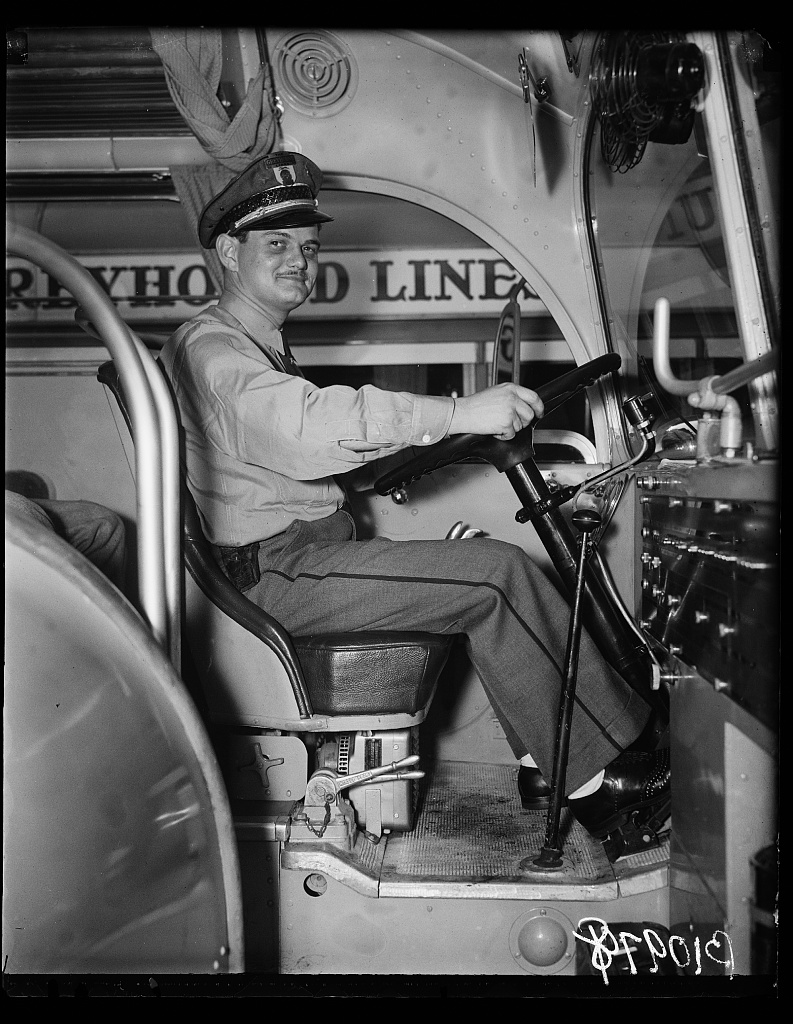
Diana Rosen: “Running for the Bus in a Rainstorm”

Running for the Bus in a Rainstorm

You’re balancing the tote of groceries
in one hand while holding an open
umbrella, rushing for the bus, trying
not to slip on the water rushing down
this hilly sidewalk.

An eccentric, effusive man bows, mumbles
something in a language only he knows,
sweeps an invisible path for you before
dashing to tell the bus driver to wait,
there’s another

rained-upon passenger. You thank him
profusely, but your savior is already on
his way to the back of the bus to do his
impersonation of Little Richard, complete
with elaborate

piano thumping, body gyrations, music
on he can hear. You sigh, offer thanks to
the bus gods, grateful for your quixotic
helper’s effusive kindness, hopeful you
can carry it forward.

About the Author: Diana Rosen is an essayist, poet, and flash writer whose first full-length hybrid book, “High Stakes & Expectations” is available from thetinypublisher.com She lives and works in Los Angeles where her “backyard” is the 4,200+ acre Griffith Park, the largest urban green space in the U.S. To read more of her work, please visit authory.com/dianarosen.

Image Credit: Harris & Ewing, photographer “Bus Transportation Driver” (1937). Public domain image courtesy of The Library of Congress

Diana rosen: “Why I don’t Drive”

Why I Don’t Drive


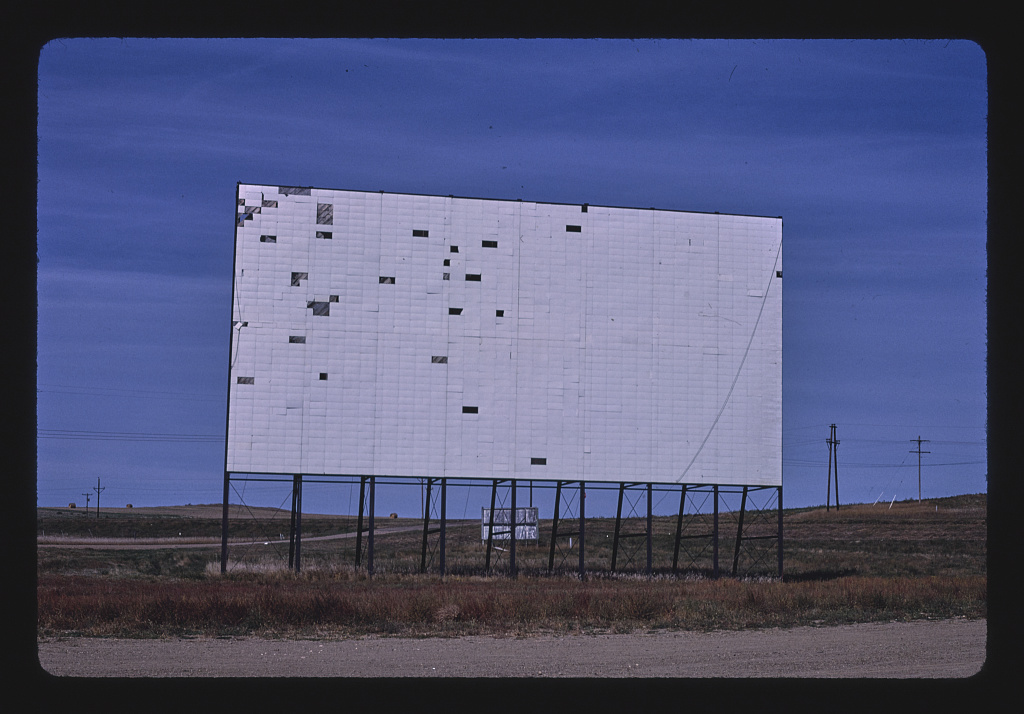
You’d think exiting a drive-in movie theater would be easy but my younger siblings and their friends are hollering as if they’re on a daredevil carnival ride causing me to tap the car behind me, swipe the one beside me and, as I inch down the aisle toward the exit, a guy jumps out and shouts, “Not mine, lady, not mine!” I ignore him as I ignore the broken speaker hanging, now wireless, from the back seat window. My brother quietly rolls the window down, places the speaker gently on the ground and whispers, go! Go! GO!

About the Author: Diana Rosen writes essays, flash, and poetry in L.A. where her “backyard” is the largest urban green space in the country, the 4,000+acre Griffith Park which is free for all to explore by foot, horse, mini train or (egads!) car. Her first hybrid book of poetry and flash, High Stakes & Expectations is available via thetinypublisher.com/shop To read more of her work, please visit http://www.authory.com/dianarosen

.

Image Credit: John Margolies “Hettinger Drive-in Theater, Hettinger, North Dakota” (1987) Public domain image courtesy of the Library of Congress

Diana Rosen: “Traveling on Our Stomachs”

Traveling on Our Stomachs

Leaving the excess of old-world Utrecht, 
all gargoyles, staggeringly high churches 
with their proverbial lesson in perspective, 
arched doorways folding into arched hallways 
like bellows on a monochromatic accordion, 
I enter the gray-gray of its New Town: Massive, 
hard-edged concrete slabs of cold contemporary 
Dutch architecture dedicated to function over form, 
utility over any hint of Rococo. I’m drawn to an 
Edward Hopper-lit café, empty save the silent 
server who presents a slab of creamy yellow cheese, 
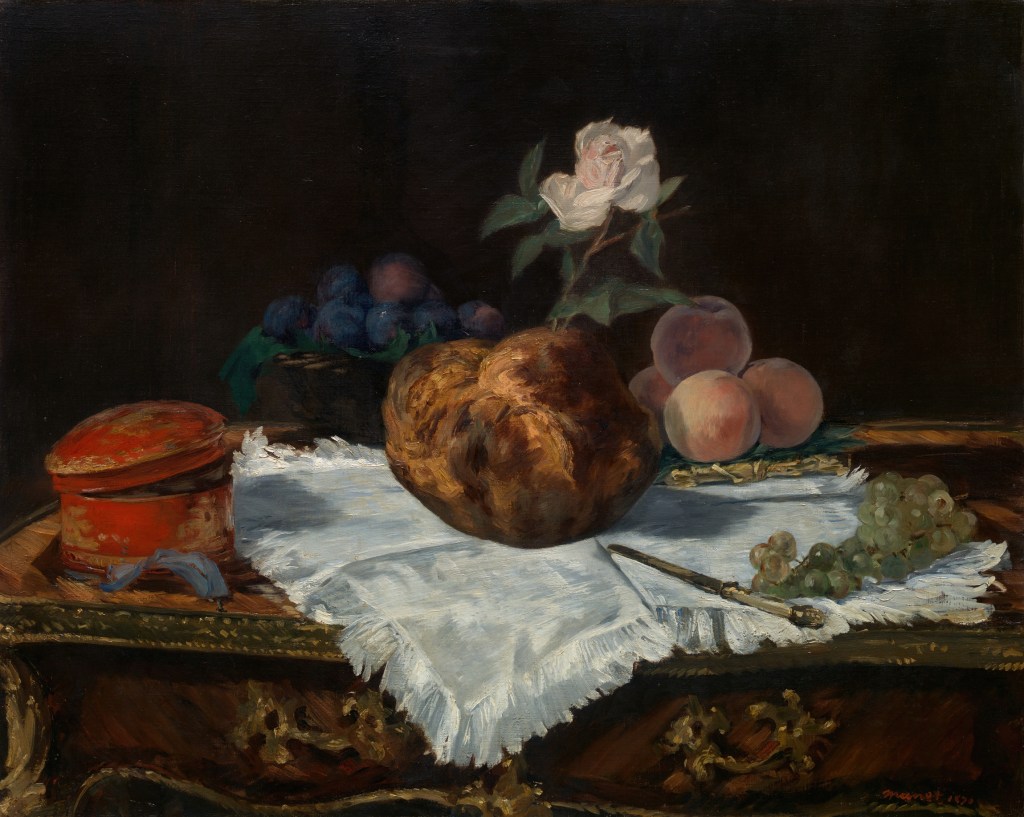
flaky golden-dusted brioche its tenderness cradling 
the bright orange yolk of the freshest egg, satiny hot 
coffee in a white-white cup, the perfect American 
travel memory on a gray-gray day in Utrecht.

About the Author: Diana Rosen is a poet, flash writer, and essayist with work in online and print journals in the U.S., the U.K., Australia, Canada, and India. Her first book of flash and poetry, “High Stakes & Expectations,” was released in spring 2022 from thetinypublisher.com Diana lives in Los Angeles where she writes website content on food and beverage. To read more of her work, please visit www.authory.com/dianarosen

Image Credit: Édouard Manet “The Brioche” (1870) Public domain image courtesy of Artvee

Diana Rosen: “Hands”

.

Drawing,_study_of_left_hand_resting_on_a_circular_object,_ca._1885_(CH_18404377)

.

.

Hands

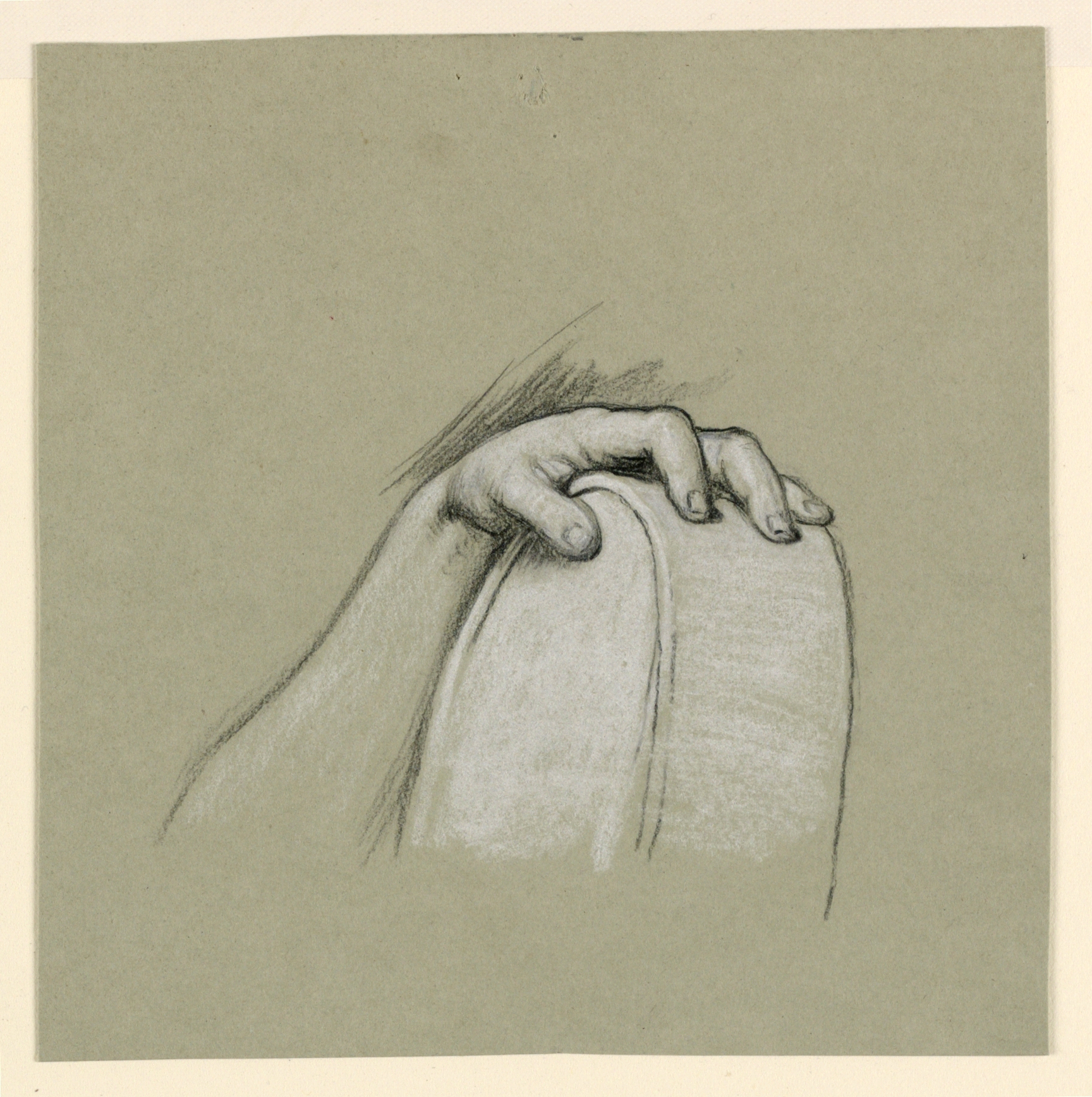
Small, graceful, carefully manicured every Monday evening while she sits in her Queen Anne chair next to the good floor lamp, my mother’s hands always hold the winning gin rummy cards or they’re curved against staccato knitting needles fashioning the woolen sweater she would never finish. (It hangs still in my closet, a nubby remnant one arm missing, a bodice half done.)

Aided by an antique silver and gold thimble, her fingers deftly work the needle, creating embroidery stitches of vivid names her clear-polished forefinger points to on the overturned sampler showing how perfection is not just on the surface.

Hands, purposeful and strong, guide the huge mangle over brilliant white muslin sheets cascading into the willow basket below. End-of-day hands hold paperback westerns read in deep of night, her gentle husband snoring in his easy slumber. Hands stroke the maternity dress over a baby soon stillborn; adjust the gas flame under the chunky beef stew she cooks hours for exquisite flavor. Hands, held behind her, pull her mouth into a line of unexplained fear, or severe shyness?

At the gleaming mahogany secretary, she sits in constant anxiety, scribbling notes in her mammoth black leather notebook of recipes; or writes to one sister in long-term care, to another sister of her heart’s pain engraved as teeth marks on her navy Shaeffer fountain pen.

She lies on the vacuumed carpet beside the freshly-made bed unnoticed too long in that awful quiet of seeping blood vessels, hands in push-up position trying to right herself. Hands cold. Rigid. Ready for the last task.

.

.

About the Author: Diana Rosen is a journalist and avid tea enthusiast, with six books on the topic, who writes poetry, essays, and flash fiction and creative nonfiction. Her work appears in RATTLE, Tiferet Journal, Mad Swirl, PIF Magazine, and Potato Soup Journal, among others. She loves exploring Los Angeles’s Griffith Park, the country’s largest public green space, which is her 4,000-acre “backyard.” To read more of her work, please visit www.authory.com/dianarosen

.

More by Diana Rosen:

Dinner at Six

Hollywood Freeway

Mrs. Reagan, Who Lived Next Door

.

Image Credit: Elihu Vedder “Study of a hand resting on a circular object” (1885) Public Domain

Diana Rosen: “A life. Of sorts. Or, 18 ways to remember my love”

.

20210407062306_IMG_1499

.

.

A life. Of sorts. Or, 18 ways to remember my love. 

  1. My love is in the kitchen, baking popovers. The heat of the kitchen, or the intensity of his concentration, makes him sweat from head to toe. He delivers mine on a gold-rimmed plate, so proud. I break it apart, dab it in the accompanying jam and butter, offer proper oohs and ahs. He beams.
  2. My love is standing at the toilet, right shoulder to the wall, howling with laughter at the note I taped to the bottom of the seat reminding him to put it down when he is done. He doesn’t fail to forget ever again, and often giggles leaving the bathroom.
  3. My love loved and lost someone, that’s why there’s a fence of mistrust between us. I chip away. It takes so long, but he finally believes.
  4. He’s cleaned up the living room, set out candles mid-afternoon, made scones and tea for the wife of a friend who’s brought her diminished boy to spend the afternoon. My love coos and bills. The toddler giggles. The woman tries not to cry.
  5. He wants a child, but I’m no longer able. He misses his little boy with the hole in his heart that ended his life at three.
  6. My love and I play Santa and Mrs. Claus for the village holiday festival. Grown women sit on his lap, share intimate details of their lives. Children climb up, each totally astonished that he knows their names, not realizing it’s their parents’ friend Alexander underneath the red velour suit and snowy beard. Everyone wants a photo. I accommodate.
  7. My love looks like the Elephant Man, pustules of shingles up and down the left side of his face. Eventually, they go away but leave a post-herpetic pain I cannot take away. Nothing I do helps. I feel bereft.
  8. He brings me flowers. Picked by the highway. Brings me Japanese boxes, the amethyst ring, always unusual, pretty things. That they were bargains made me love them more.
  9. My love refuses to go to a girlfriend’s significant birthday. She lives way up in the hills during an era devoid of Lyft and Uber and I don’t have enough money for a cab and it’s too late to call mutual friends for a ride. She holds that against me for years. He does not apologize. This is my first view into the depression that comes and goes.
  10. My love and I tango in our gallery kitchen, belt out the soundtracks of operas, Broadway shows. He tapes me singing which was sweet, tapes me snoring, not so sweet. Shares thousands of words with me, their roots, pronunciations, he seems a veritable human dictionary. It’s not the same looking up words myself even in my mammoth Random House which sits on a stand he makes for it. We play word games in bed until one of us fallsin asleep. Usually him.
  11. His mother was beautiful and spent many hours admiring herself at her vanity table. Such a well-named piece of furniture, he says. He spent hours braiding her hair, fetching her ribbons, avoiding her temper. His father loved alcohol more than his wife or sons. His mother sent him to fetch his father from the neighborhood bar. He was five. This father, a sailor, and my love, a Marine who lied about his age, unexpectedly meet up in Japan. They drink together, of course. My love soon finds himself face to face with a Japanese soldier. No one else is around. My love bowed. Was bowed to in return. Each turned and walked away. He still thought the act was cowardice. I’m grateful his drinking stopped before we met. He quit his five-pack-a-day cigarette habit, too, then says he won’t kiss me until I stop my half-pack habit. Longest two weeks in my life.
  12. A girlfriend admits she’s never had a birthday party. We invite others, one friend brings a cake, my love makes dinner, all the women take their time hugging him goodbye.
  13. My love becomes old, age-wise, but the personality is so strong, no one believes his numerical age. The powerful energy still bristles, announces itself when he enters the room.
  14. My love reconnects with his oldest child, a daughter. They even appear on a daytime talk show on reunification. He is not who he was. I’m unsure how I feel.
  15. My love and I separate.
  16. My love recovers from a stroke but won’t let me visit. He feels diminished yet the strength of his voice, that deep radio voice, is still there, the mind is still there, his arms still work. These reminders fall on deaf ears.
  17. My love has a second stroke that puts him in a coma. His daughter comes to whisper love in his ear until there is no hearing left. I am the last to hear he died.
  18. Age fades the bad memories and leaves us with the good. He’d love today’s sunshine, hurry me up so we could go “saling” – – his dry-ground adventure visiting every garage sale in the neighborhood until the treasures surface. When I first trek through the swap meet in my new hometown, I laugh, walking countless aisles, recognizing all the many things we’d collected, then sold. As I left the arena, an ocean breeze brushed my shoulders as if to say, “Didn’t we have fun?”

.

.

About the Author: Diana Rosen is a journalist and avid tea enthusiast, with six books on the topic, who writes poetry, essays, and flash fiction and creative nonfiction. Her work appears in RATTLE, Tiferet Journal, Mad Swirl, PIF Magazine, and Potato Soup Journal, among others. She loves exploring Los Angeles’s Griffith Park, the country’s largest public green space, which is her 4,000-acre “backyard.” To read more of her work, please visit www.authory.com/dianarosen

.

More by Diana Rosen:

Dinner at Six

Hollywood Freeway

Mrs. Reagan, Who Lived Next Door

.

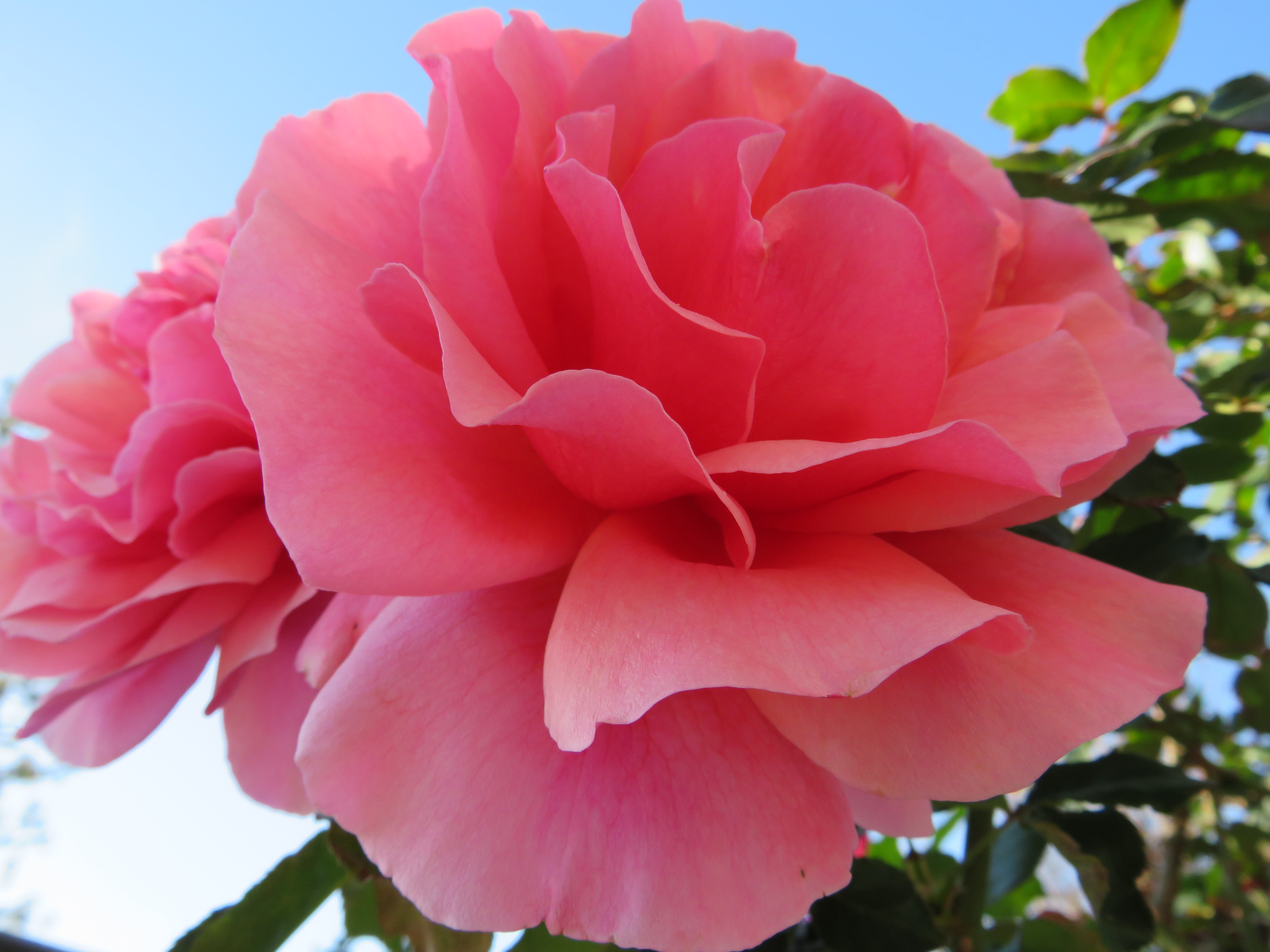
Image Credit: Chase Dimock “Spring Rose” (2021)

Revisiting 2020: Our 50 Most Popular Posts of the Year


Dear As It Ought To Be Readers,


Despite everything 2020 threw at us, AIOTB Magazine was fortunate to receive so many brilliant poems, essays, interviews, and book reviews from writers around the world. Below, I have assembled the 50 most popular posts of the year based on the amount of hits they received. I know that few people will look back at 2020 with fondness, but maybe reviewing these posts from the year is a reminder of the resilience people have to continue to create in a crisis, and to channel the anxiety of the world into writing that connects us.

AIOTB Magazine was perhaps the only constant I had in 2020 that began and ended the year exactly the same, and completely intact. I have all of you contributors and readers to thank for that. Thanks for keeping me sane and connected to a community of writers when I most needed stability, creativity, and human connection in my life.

I have no idea what 2021 will look like, but if you keep reading and supporting each other’s work, you’ll at least have three new pieces a week on AIOTB Magazine to count on.


-Chase Dimock
Managing Editor


Poetry

Omobolanle Alashe:

Jason Baldinger:

Rusty Barnes:

Jean Biegun:

Victor Clevenger:

John Dorsey:

Ajah Henry Ekene:

Loisa Fenichell:

Jeff Hardin:

John Haugh:

Mike James:

Jennifer R. Lloyd:

John Macker:

Tessah Melamed:

THE NU PROFIT$ OF P/O/E/T/I/C DI$CHORD:

Hilary Otto:

Dan Overgaard:

Rob Plath:

Daniel Romo:

Diana Rosen:

Damian Rucci:

Leslie M. Rupracht:

Anna Saunders:

Sheila Saunders:

Alan Semerdjian:

Delora Sales Simbajon:

Nathanael Stolte:

Timothy Tarkelly

William Taylor Jr.:

Bunkong Tuon:

Peggy Turnbull:

Brian Chander Wiora:


Reviews

Chase Dimock:

Mike James:

Arthur Hoyle:


Interviews

Chase Dimock:


Nonfiction

Brian Connor:

Cody Sexton:


Micro Fiction

Meg Pokrass:

Announcing AIOTB Magazine’s Pushcart Nominees


As It Ought To Be Magazine is proud to announce our nominees for this year’s Pushcart Prize


Mike James: “Saint Jayne Mansfield”

Hilary Otto: “Show Don’t Tell”

Diana Rosen: “Hollywood Freeway”

Ronnie Sirmans: “Sloughing Words”

Bunkong Tuon: “Lisel Mueller Died at 96”

Agnes Vojta: “Everybody Loves the Person Who Brings Muffins”


Congratulations to our nominees and a big thanks to all the writers who shared their work with AIOTB Magazine this year!


-Chase Dimock
Managing Editor


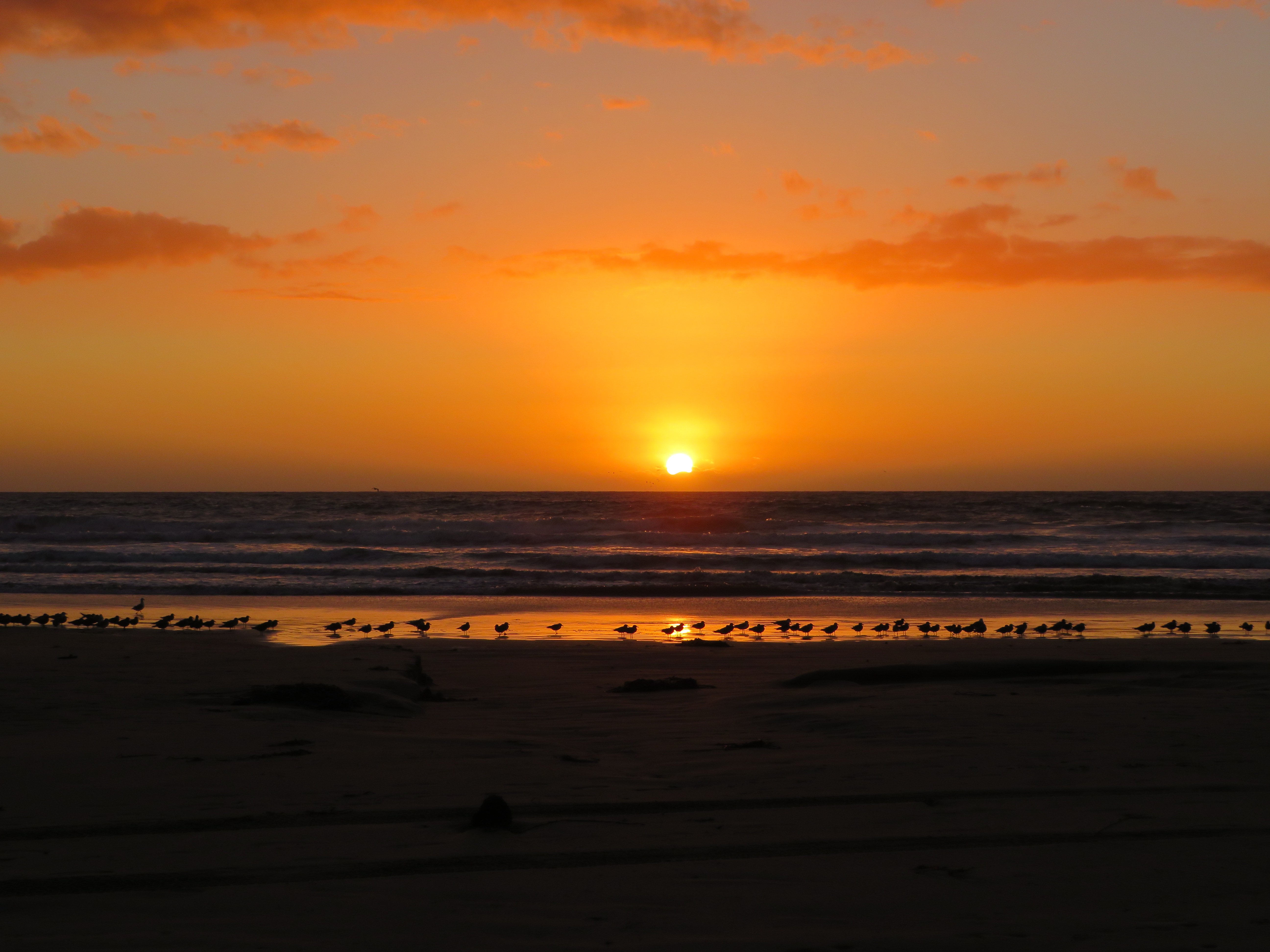
Image Credit: Chase Dimock “Grover Beach Sunset” (2020)

Diana Rosen: “Mrs. Reagan, Who Lived Next Door”


Mrs. Reagan, Who Lived Next Door

Mrs. Reagan, (Elizabeth only to childhood friends,)
walked ramrod straight even into her nineties
as if her Lord and Savior was watching.
A believing Methodist doing all the good she

could all the times she could, showed thrift,
practicality, by example, weaving rag rugs,
preserving her garden gifts into winter’s food,
storing seeds in coffee cans for next season’s

sowing. She made the best popcorn while
babysitting us on the rare nights our parents
went out, amusing us no end with her drum roll
after-popcorn snores. Her thrift, coupled with no

small amount of style, showed in the clothes
made for our dolls. She only ever raised her voice
to my sister and me when she caught us
gobbling plump Concord grapes peeking

through the wire fence between her massive
garden and our unkempt patch whose only
proofs of nature: fuzzy pussy willows
tickling noses; under chin reflections of buttercups;

sunny dandelions seeding into feathery bristles
blown away with our wishes; gigantic crab apple
tree, a canopy for summer reading. “Look at that
old man,” Mrs. Reagan pointed at through her

dark kitchen’s window (electricity was for
nighttime only.) The man, bent like a toppled
letter L, lumbered down the unpaved alley
towards the garden gate, another day older and

deeper in debt to the masters of anthracite. He’d
settle in front of their aged television set,
the screen barely six inches, sipping on soup
served with stale saltines, his wife’s effort to

“make dinner,” unchanged for the five decades
they were wed. She often commented,
“Mr. Reagan said …” although no one ever heard
him speak or even saw him except for those

work day plodding-alongs in the alley behind
the garden where his wife, in frayed hat, sturdy
work gloves, sensible dress (always hand-made,)
rested on the swing under the oak tree, “just a

second” before returning to her corn stalks
towering several feet above her, the Roma
tomatoes plump and sun-reddened, the usual
yellow wax and long green beans, squash, peas.

Today, as I was rinsing out the jar of tomato
sauce to store some rice, the mailman arrived
with a letter from her daughter:
“To the astonishment of all, Mother decided

to lie down for a nap this afternoon, and that
was that. She was ninety-eight and longed
to be one hundred, but that was not to be. Still,
it was a long, useful life, and for that we are grateful.”


About the Author: Diana Rosen writes flash, poetry, and essays with recent published flash and poems in Existere Art & Literature Journal (Canada), Potato Soup Journal, and WildforWords (UK) and an essay in “Far Villages”, an anthology from Black Lawrence Press. She lives and writes in Los Angeles. To view her work, please visit www.authory.com/dianarosen


More by Diana Rosen:

Hollywood Freeway

Dinner at Six


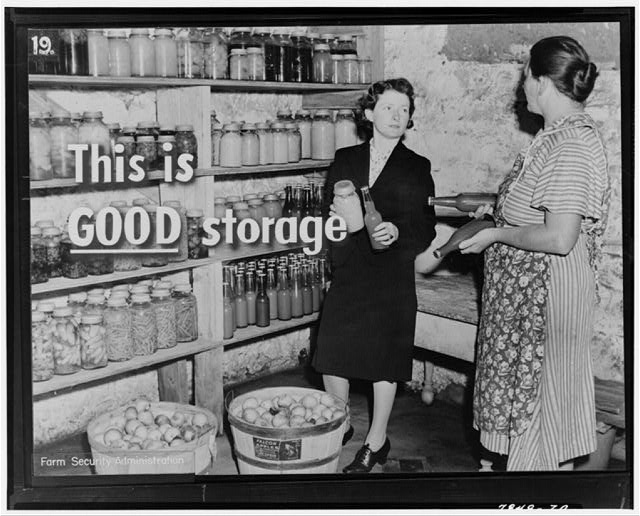
Image Credit: John Vachon, from the Farm Security Administration – Office of War Information Photograph Collection (Library of Congress) Captioned: “Nothing wrong with these shelves. Shelves like these may be built in a well-ventilated cellar, cave, or closet where it is cool, but not cold enough to freeze, and where there is no strong light. They are wide enough, they are built of strong boards, and they are braced with sturdy supports. One hundred feet of twelve-inch shelving will hold five hundred jars. Notice the orderly arrangement of jars. All foods of one kind are together” (1939)
Diana Rosen: “Hollywood Freeway”


Hollywood Freeway

Jazz transports from the John Anson Ford stage,
crowds entertain from their seats, everyday angst
dissipates on every downbeat. No recluses, no
agoraphobics, no shy people in the audience, just
lovers of this pure American music. Danger
accompanies me after the concert as I cross
the concrete overpass, stories high above
this strip of the Hollywood Freeway with racing
crayolas of cars seen in splatters through open slats
in walls shorter than I am. Purple wildflowers wave
from the western hillside, shout, Go Now! No, Wait.
Go Now. I gauge the speed of traffic. Are the drivers
alert? No, not now, too many, too fast. Now! Now!
I run faster than I know I can, jump like Joyner, land
like Lewis on the indifferent sidewalk, run downhill
without stopping til I reach the crowded Hollywood Bowl
bus stop with people oblivious, full of Mahler. I stand
nonchalant, hunt for exact change, cradle the coins
in my hand, step up into the Number 20 where I collapse
into the cracked leatherette seat scratching my thighs
hello. I say a thank you to the God of Errant Jaywalkers
and, yes, the Ray Brown bass solo was totally worth it.


About the Author: Diana Rosen writes flash, poetry, and essays with recent published flash and poems in Existere Art & Literature Journal (Canada), Potato Soup Journal, and WildforWords (UK) and an essay in “Far Villages”, an anthology from Black Lawrence Press. She lives and writes in Los Angeles. To view her work, please visit www.authory.com/dianarosen


More by Diana Rosen:

Dinner at Six


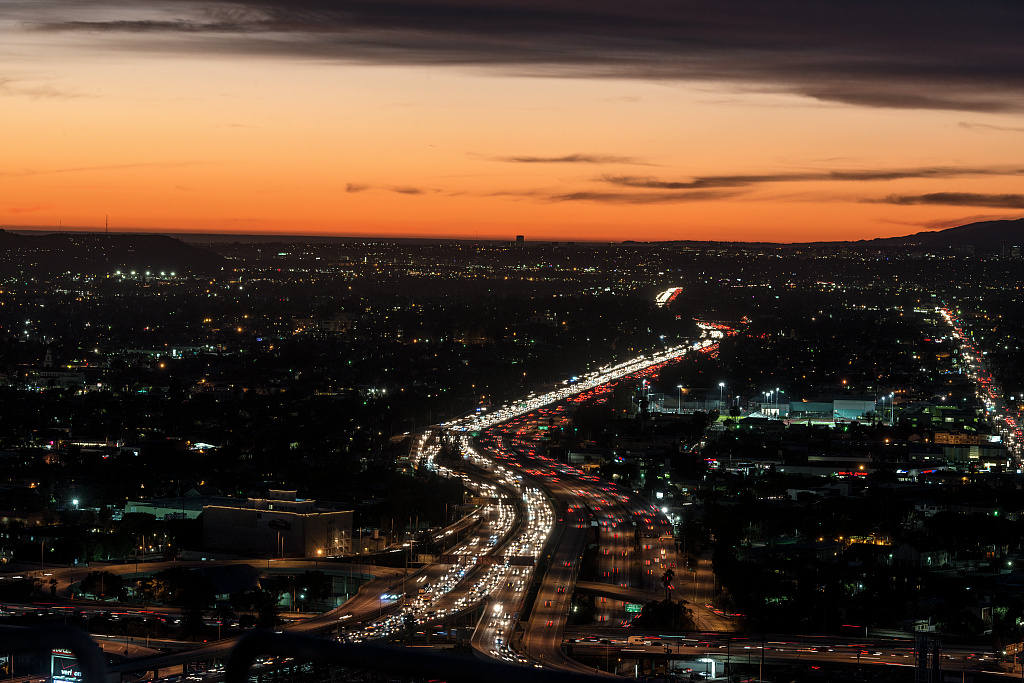
Image Credit: Carol M. Highsmith “Nightime skyline view of Los Angeles, California, looking north over the U.S. 101 (Hollywood) Freeway” (2013) The Library of Congress”