Glen Armstrong: “Bestiary”

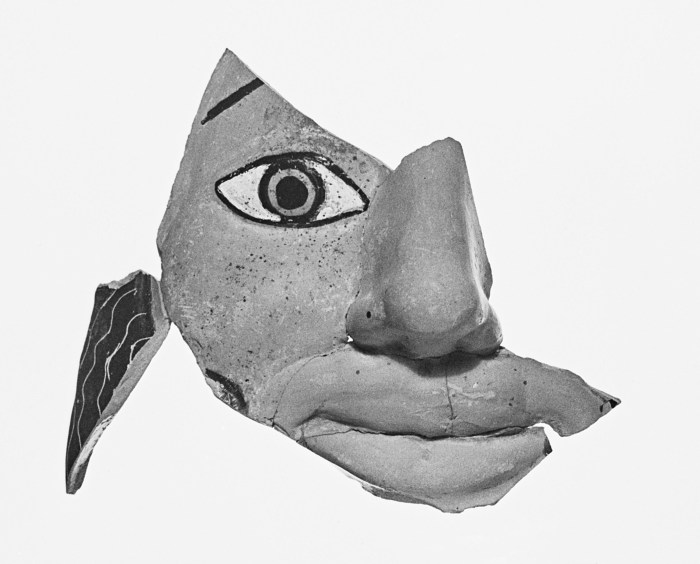
270_of_'La_Belgique_illustrée,_ses_monuments,_ses_paysages,_ses_œuvres_d'art._Publiée_sous_la_direction_de_M._E._van_Bemmel._500_gravures_..._par_les_premiers_artistes,_cartes,_etc'_(11124036855) (1).jpg


Bestiary

Three aggressive swans fall
in love with my daughter’s Tickle
Me Elmo.

I fail again
to observe the Feast
of Saint George.

So we drink.

Faces real and imagined,
flawed and remade
with cosmetics,

trade places.

So we drink and wash
the cheeks of dirty turtles.

We fail again
to completely fill

the crude alligator
form with plastic

and can only imagine
the edges that should be

smooth to the touch.


About the Author: Glen Armstrong holds an MFA in English from the University of Massachusetts, Amherst and teaches writing at Oakland University in Rochester, Michigan. He edits a poetry journal called Cruel Garters and has a forthcoming book of prose poems: Invisible Histories. His work has appeared in Poetry NorthwestConduit,and Cream City Review.


Image Credit: Frans Snyders “Cygnes effrayes par des chiens” Public Domain

Kevin Ridgeway: “Strange Rumination”


Strange Rumination

I am going to break free from this prison
that I built from twisted blueprints,
it’s ramshackle facade collapsing over me
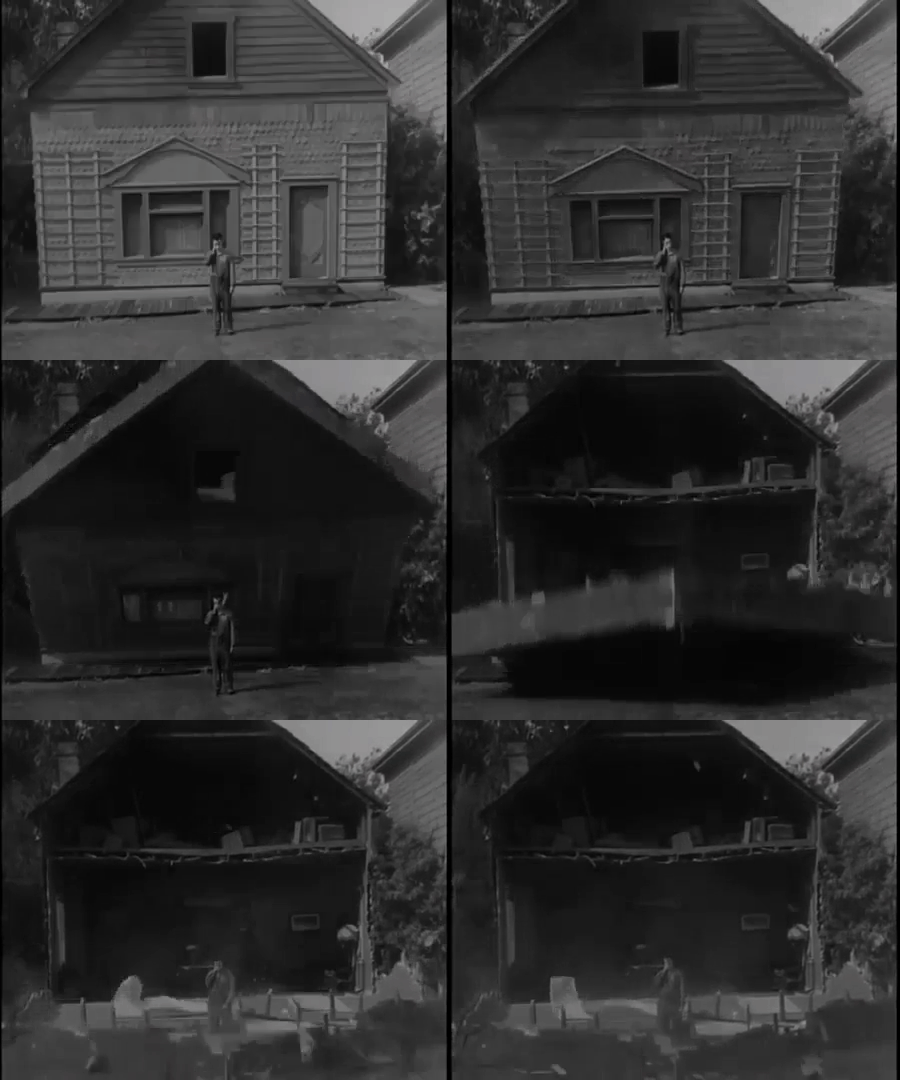
like a Buster Keaton near
death experience. I will no longer
befriend isolation, because isolation
feeds me too many bad ideas,
most of which I’ve kept to myself.
I will no longer stare out the window
at other kids while they all become
close, lifelong friends and I am dragged
further away than any man or woman
has gone before, through the same
black hole my mother entered
when she tried to start a riot
with the blade of her cutting words
but her self-destructive quest for justice
enslaved her and me, a lonesome spirit
who doesn’t believe in a god
to perform miracles because
that would make the world a fair
and balanced place where they would
embrace my individuality. 
But I’m still here, stigmatized 
and staring out of the same old window, 
passing notes with poems 
written on them in chicken scratch
underneath the front door 
no one knocks on any more, 
out there in a world of freedom 
where I can see everyone but me.


About the Author: Kevin Ridgeway is the author of Too Young to Know (Stubborn Mule Press). Recent work has appeared in Slipstream, Chiron Review, Nerve Cowboy, Main Street Rag, Cultural Weekly, Gasconade Review, The American Journal of Poetry and So it Goes:  The Literary Journal of the Kurt Vonnegut Memorial Library, among others.  A Pushcart Prize and Best of the Net nominee, he lives and writes in Long Beach, CA.


More By Kevin Ridgeway:

Fake Dad

500 Channels and Nothing On

Sally with the Accent

Good Timing


Image Credit: Clip from “Steamboat Bill Jr.” with Buster Keaton. Public Domain

Mather Schneider: “NONRETURNABLE”


NONRETURNABLE

At the bookstore we sell home divorce packets
or “kits”.
It’s strange to watch people
come in and purchase them.
Certain types will wander in smiling
like it was some kind
of afterthought.

Some men come in and ask for them
like they’re asking directions to the can.
Others come straight from the bar
and make the inquiry to the entire store
staring glossy eyed at the jury of shoppers.

Then there is the occasional family
that arrives together
the children running off to the KIDS’ KORNER
father shuffling off to GUNS AND AMMO
and mother gravitating over
to the home divorce packets.

Some people have even fallen in love
there at the divorce packet rack.
Of course, it is far more common
for two or more people
to be arguing over the last one.

When they are all gone
the sign says TIME TO ORDER MORE.

And someone always does,

bless their heart.


About the Author: Mather Schneider was born in 1970 in Peoria, Illinois. He has lived in many places. He was a cab driver for 15 years in Tucson and now lives in Mexico. He has been published in many places and has 4 books available.


Image Credit: “Portrait of a Seated Elderly Couple” Unknown Maker (1856) Digital image courtesy of the Getty’s Open Content Program

Diana Rosen: “Dinner at Six”


Dinner at Six

Just like every night, our family sits around 
the canary yellow Formica and chrome table, 
on stick-to-your-thighs matching vinyl chairs 
eating a wintertime meal of the fifties: gray 
canned peas, home-made potato soup,
a good chunk of meat. We talk about our day, 
what my sister and I learned in school, how 
piano practice went, stories from the store,
till I can’t resist and ask still another riddle 
which reminds my father of a joke which 
reminds my mother of an even older one, 
and around the table we go, playing can you 
top this? Mom leaves to answer the phone,
returns walking slower, looking older. Mary
can’t come to clean tomorrow. Remains 
of a soldier near Seoul. Her husband. 
We lean against our padded chairs, silenced 
dancers in a frozen ballet of sorrow. For 
once, my sister and I get up, clear the table 
without being asked, keep to our room 
where we hold hands stretched between
matching corduroy-covered beds, listen 
to the murmuring voices downstairs. 


(This poem originally appeared in KISS ME GOODNIGHT, Stories And Poems by Women Who Were Girls When Their Mothers Died edited by Ann O’Fallon & Margaret Vaillancourt)


About the Author: Diana Rosen writes essays, flash fiction, and poetry with work published online and in print including Ariel Chart, Dime Show Review, and Zingara Review, and many others. An essay will appear in “Far Villages” from Black Lawrence Press, and poems are forthcoming in Poesis, Existere Journal of Arts & Literature, the art and poetry anthology, “Book of Sighs”, and a hybrid collection of her flash and poetry will be published as  “Love & Irony” by Redbird Chapbooks.


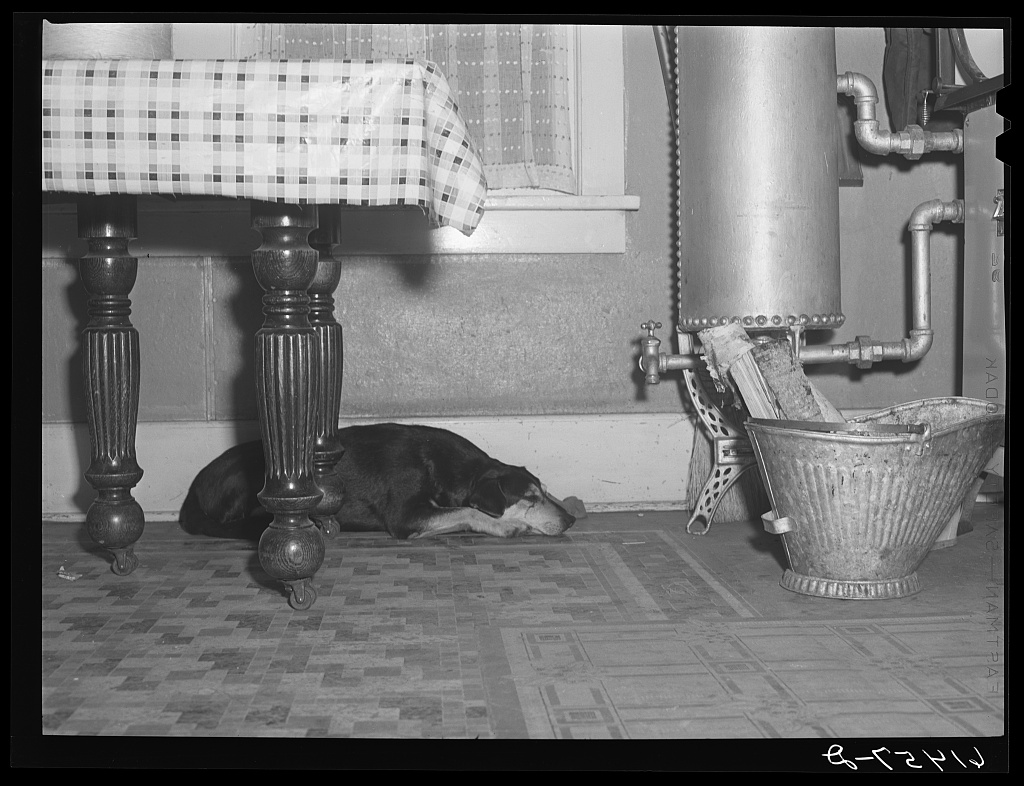
Image Credit: John Vachon ” Dog sleeping under kitchen table in farm kitchen. Cavalier County, North Dakota ” (1940)

Richard Houff: “When there’s Nothing Left to Say”


When there’s Nothing Left to Say

Picking a stone from the bed
beneath his feet, he skips them
over quiet water and counts
the rings before they sink.
At other times, he pays them
no mind. Stooping for a nice
flat one and a final throw;
he feels the texture of the stone
interweaving with his own sense
of being. This cold wet rock
carrying significance and belonging
to the nonessential; bending sunshine
hints into shadow
—moving forward


About the Author: Richard D. Houff edited Heeltap Magazine and Pariah Press Books from 1986 to 2010. He is also a journalist that’s comfortable in writing both poetry and prose. His work has been published in Academic and Arts Review, Brooklyn Review, Chiron Review, Louisiana Review, Midwest Quarterly, North American Review, Parnassus, Rattle, San Fernando Quarterly, and many other fine magazines.


More By Richard Houff:

Naked Machines


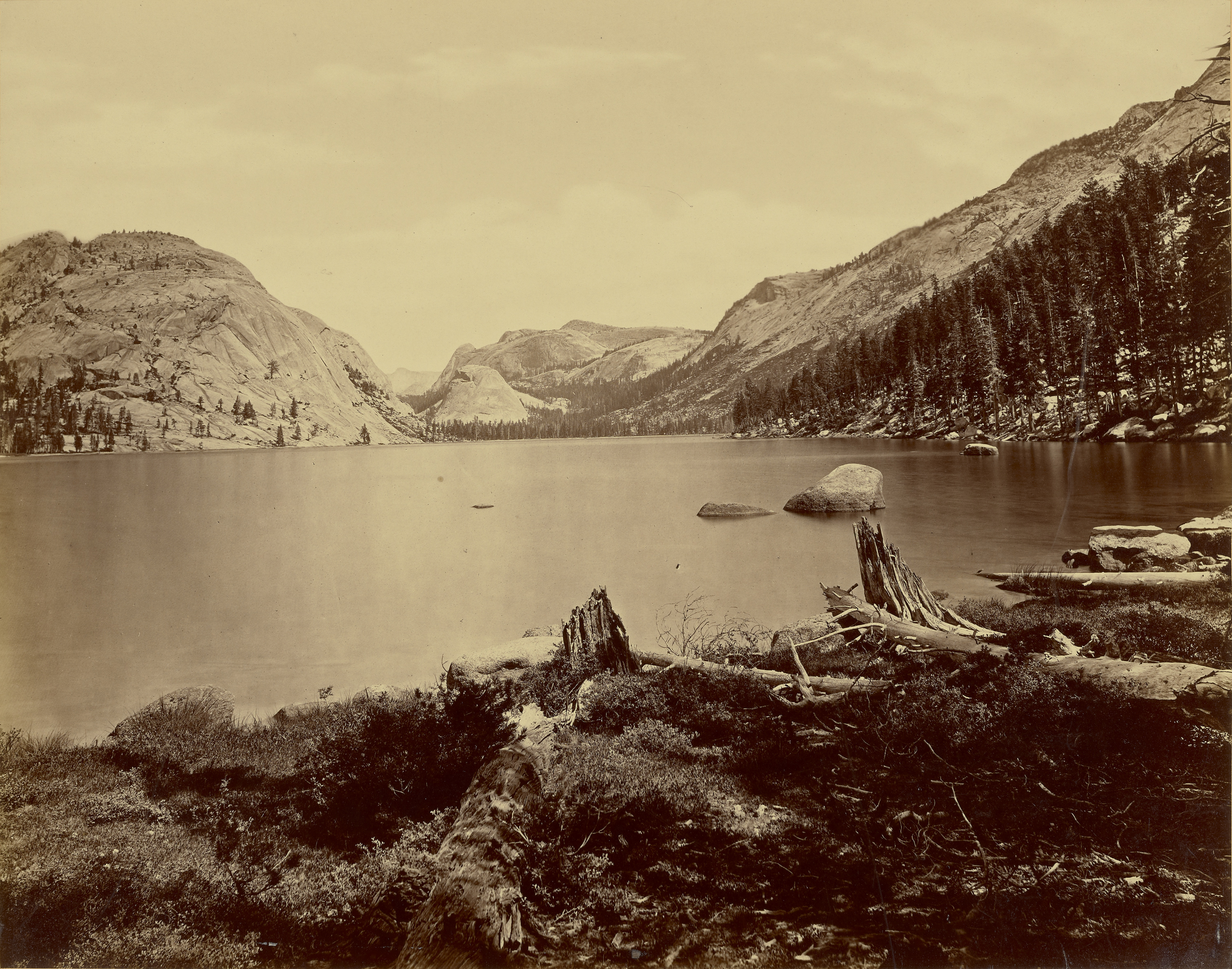
Image Credit: Eadweard J. Muybridge “Lake Tenaya. Sierra Nevada Mountains” (1872) Digital image courtesy of the Getty’s Open Content Program.
John Grey: “Downsizing”


DOWNSIZING

So little of this furniture
has any meaning beside comfort.
It can be donated,
along with the clothes 
we haven’t worn in years.

And do we really need 
all these documents.
There’s such a thing
as the statute of limitations.
That rule gets all excited 
when it spies an attic.

So tax returns from twenty years ago
can feed the shredder.
Along with report cards,
job reviews, receipts for items
long since sent to the dumpster.

Even the photographs can be thinned.
Too bad the ones posing
can’t be thinned also.
And there’s so many letters.
So many postcards.
It’s like sending memory’s work offshore.

We’re stuck with the family heirlooms
like we’re stuck with the family.
But ceramic dogs, crystal angels,
can’t even get nostalgia right.
I say green-bag them.

We’re moving into a condo.
Much fewer inanimate objects.
We’ll have to fill their roles.


About the Author: John Grey is an Australian poet, US resident. Recently published in That, Dunes Review, Poetry East and North Dakota Quarterly with work upcoming in Haight-Ashbury Literary Journal, Thin Air, Dalhousie Review and failbetter.


More By John Grey:

Move On


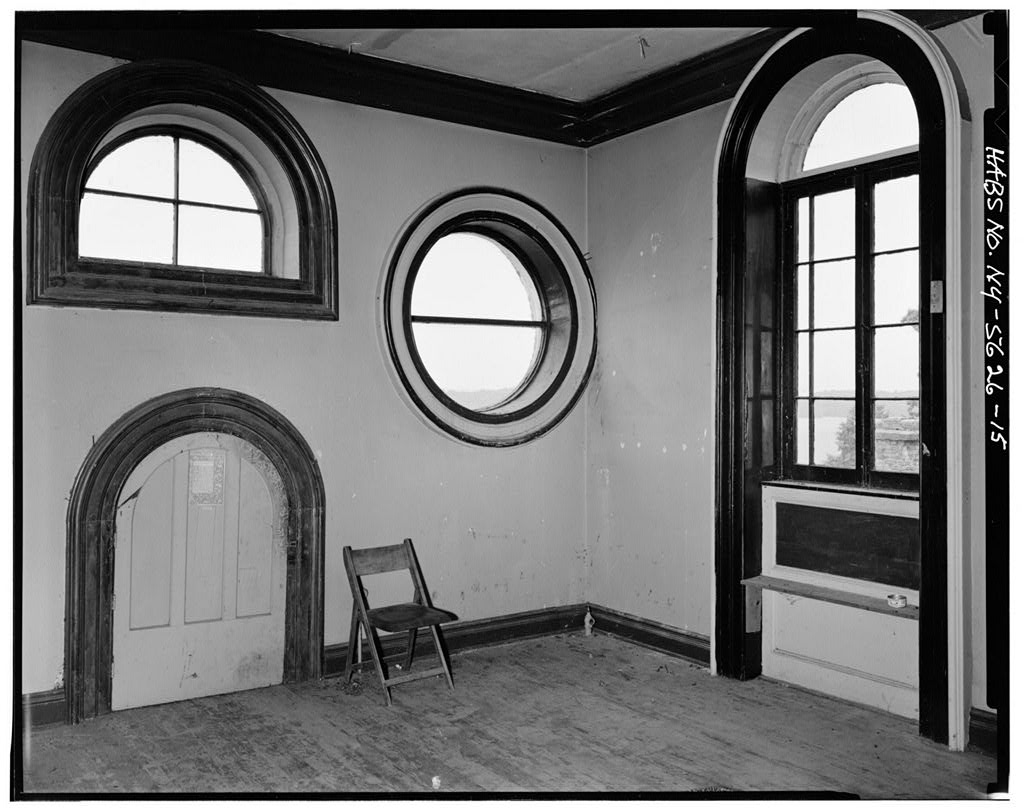
Photo Credit:  OCULUS WINDOW, ROUND-ARCHED HALF-WINDOW, ROUND-ARCHED CASEMENT WINDOW, AND LOW, ROUND-ARCHED DOOR, THIRD FLOOR, TOWER – Rose Hill, Woods Road, Tivoli, Dutchess County, NY Library of Congress


Revisiting 2019: Our 50 Most Popular Posts of the Year


Dear As It Ought To Be Magazine Readers,

As we enter the next decade, I want to thank all of the writers and readers who have made our tenth year so successful. I take enormous pride in working with so many talented and inspiring writers. Without your brilliance and generosity of spirit and intellect, none of this would be possible. It has been a great privilege to publish your work on our site, and I hope to continue featuring diverse perspectives, challenging ideas, and unique voices for years to come. As a way to look back on what we accomplished in 2019, I have complied the 50 most popular posts of the year based on internet traffic and clicks.

Thank you again to everyone who wrote for, read, and promoted AIOTB Magazine in 2019. Let the 20s roar again!

Chase Dimock
Managing Editor


Poetry

Jason Baldinger:

Ishrat Bashir:

Jai Hamid Bashir:

Luis Cuauhtémoc Berriozábal:

Jeffrey Betcher:

Ace Boggess:

Daniel Crocker:

John Dorsey:

Ryan Quinn Flanagan:

Tony Gloeggler:

Nathan Graziano:

Cord Moreski:

Jeanette Powers:

Stephen Roger Powers:

Jonathan K. Rice:

Kevin Ridgeway:

Damian Rucci:

Anna Saunders:

Larry Smith:

Nick Soluri:

William Taylor Jr.:

Alice Teeter:

Tiffany Troy:

Bunkong Tuon:

Agnes Vojta:

Kory Wells:

Brian Chander Wiora:

Dameion Wagner:


Nonfiction

Daniel Crocker:

Nathan Graziano:

John Guzlowski:

Cody Sexton:

Carrie Thompson:


Reviews 

Chase Dimock:

Mike James:


Photo Credit: Fire Works At New Year’s Eve via Wikimedia Commons, Public Domain

Agnes Vojta: “Sisyphus Calls it Quits”


Sisyphus Calls it Quits *

To walk away
from what was your purpose
for all this time,
to simply let the boulder lie
and say: I am
punished enough,
to turn your back, and not stay
any longer with the impossible

is the impossible.
We have imagined
you happy
with the struggle
towards the height,
or rather tried
to imagine how
it could have filled your heart –

now depart
from the mountain
without backward glance
and dance
on the bones of the gods
who never deserved
your obedience
in the first place.

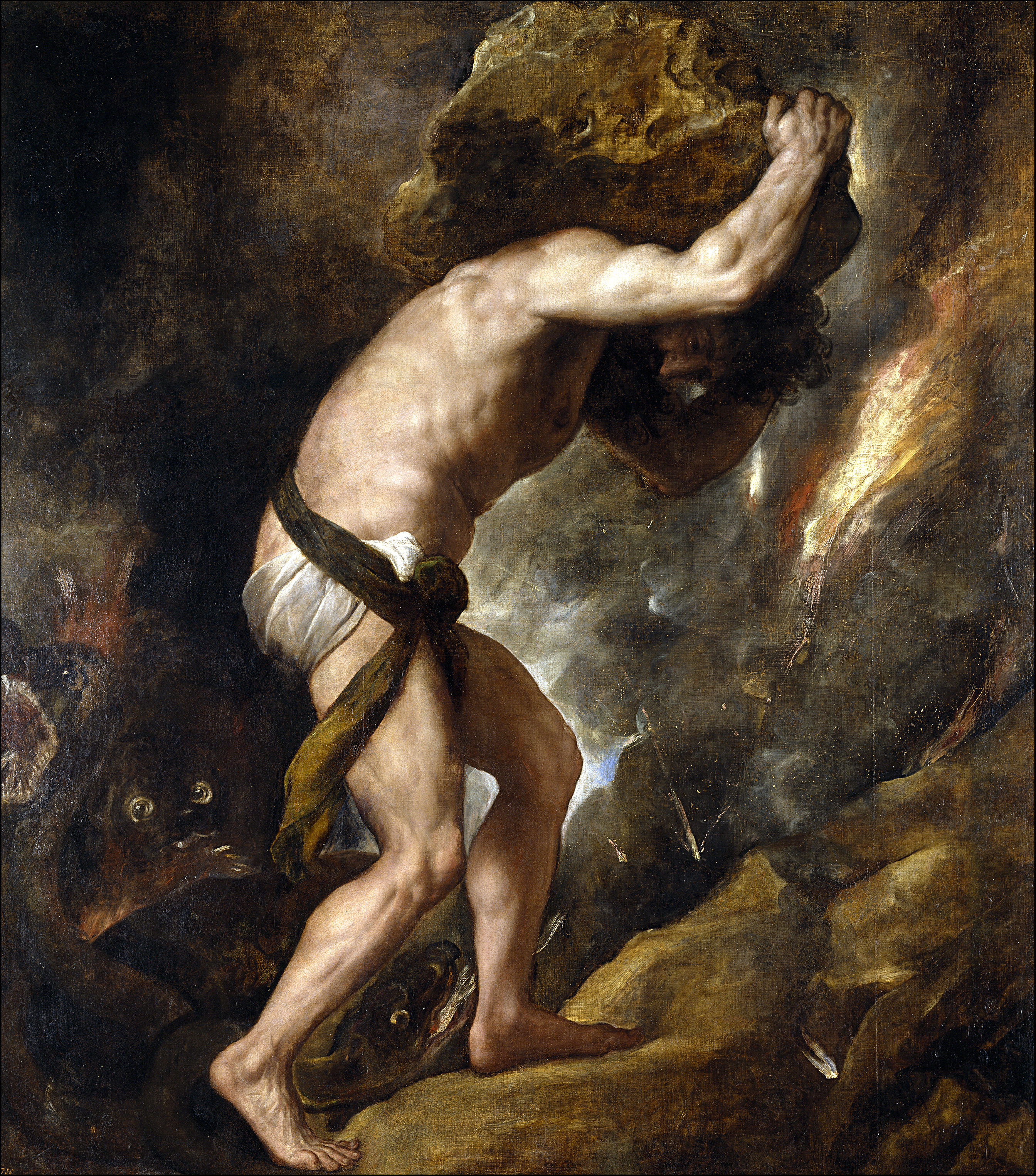
*The title of the poem is inspired by a painting by Greg Edmondson


About the Author: Agnes Vojta grew up in Germany and now lives in Rolla, Missouri where she teaches physics at Missouri S&T. She is the author of Porous Land (Spartan Press, 2019). Her poems recently appeared in Red River Review, Minute Magazine, Nixes Mate Review, The Blue Nib, As It Ought To Be Magazine, Former People, Thimble Literary Magazine, and elsewhere.


More By Agnes Vojta:

And on the Seventh Day

Flotsam

Vineyard in Dresden


Image Credit: Titian “Sisyphus” (1548) Public Domain

William Doreski: “A Letter to Hart Crane”


A Letter to Hart Crane

Dear Hart: two saltwater-sodden 
bundles of newsprint arrived
today, all that remains of you
after your interrupted voyage.
I scan the headlines: MAN -EATING 
SHARK exclaims one front page; SHARK-
EATING MAN reads the other.

Whoever sent me these bundles
expects me to make a papier
mâché mannequin of you 
from this briny muddle of news
from the Twenties when you roamed
waterfront bars with Emile,
the love of your lovelorn life.

No one in this grizzled town
reads poetry except pale women
recently smitten with Robert Frost. 
The mannequin will represent you
as Walker Evans portrayed you—
serious, almost sober enough
to challenge small-town rhetoric.

You can shout everyone down
by working consonants so hard
they crack underfoot like snails.
You can describe your drowning
in the most vulgar terms and earn
the pity of men who served in wars
and had lonely sex in foxholes.

Not that a sculpted paste statue
is likely to speak loudly enough
for everyone to appreciate. 
But you and I will converse
in sundown colors too subtle
to impress anyone who hasn’t 
lived a long time under the sea.


About the Author: William Doreski has published three critical studies and several collections of poetry. His poetry, essays, fiction, and reviews have appeared in many print and online journals. He has taught writing and literature at Emerson, Goddard, Boston University, and Keene State College. His most recent books are A Black River, A Dark Fall and Train to Providence. He has a blog at williamdoreski.blogspot.com.


More by William Doreski:

Remind Me What We Believe


John Dorsey: “Picker”


Picker

that’s what they called him
a finger buried deep in his nose
as a way to cope 
with a flabby stomach
& a face covered with so much acne
that it was about as baby soft
as the surface of mars

that was before everyone had anxiety
when ptsd was reserved for people with real problems
when kids threw lit matches at anyone
they couldn’t just burn at the stake 
when we ate pop rocks & pepsi
because we wanted to spontaneously combust
as if daring god to give it his best shot

his sister sat in the back of the bus
hiding from her own bloodline
denying his existence 
to sit next to cheerleaders
who would shoot spitballs  
into her greasy black hair
when she wasn’t looking

she would just laugh
as if she was in on the joke
saving her tears for after supper
when she could write it all down
in a secondhand trapper keeper
with a wrinkled picture 
of mary lou retton 
taped to the front

they used to jump rope
in their front yard
with these same kids  

their mother used to tell them 
they could be whatever they wanted

but she never had to carry 
their books in the snow
heavy with the weight of hours

when silence greeted them
in crowded halls

& blood seemed thicker
than almost anything.


About the Author: John Dorsey lived for several years in Toledo, Ohio. He is the author of several collections of poetry, including Teaching the Dead to Sing: The Outlaw’s Prayer (Rose of Sharon Press, 2006), Sodomy is a City in New Jersey (American Mettle Books, 2010), Tombstone Factory, (Epic Rites Press, 2013), Appalachian Frankenstein (GTK Press, 2015) Being the Fire (Tangerine Press, 2016) and Shoot the Messenger (Red Flag Press, 2017) and Your Daughter’s Country (Blue Horse Press, 2019). His work has been nominated for the Pushcart Prize, Best of the Net, and the Stanley Hanks Memorial Poetry Prize. He was the winner of the 2019 Terri Award given out at the Poetry Rendezvous. He may be reached at archerevans@yahoo.com.


More By John Dorsey

Creatures of Our Better Nature

The Mark Twain Speech

Punk Rock at 45

Poem for Curtis Hayes


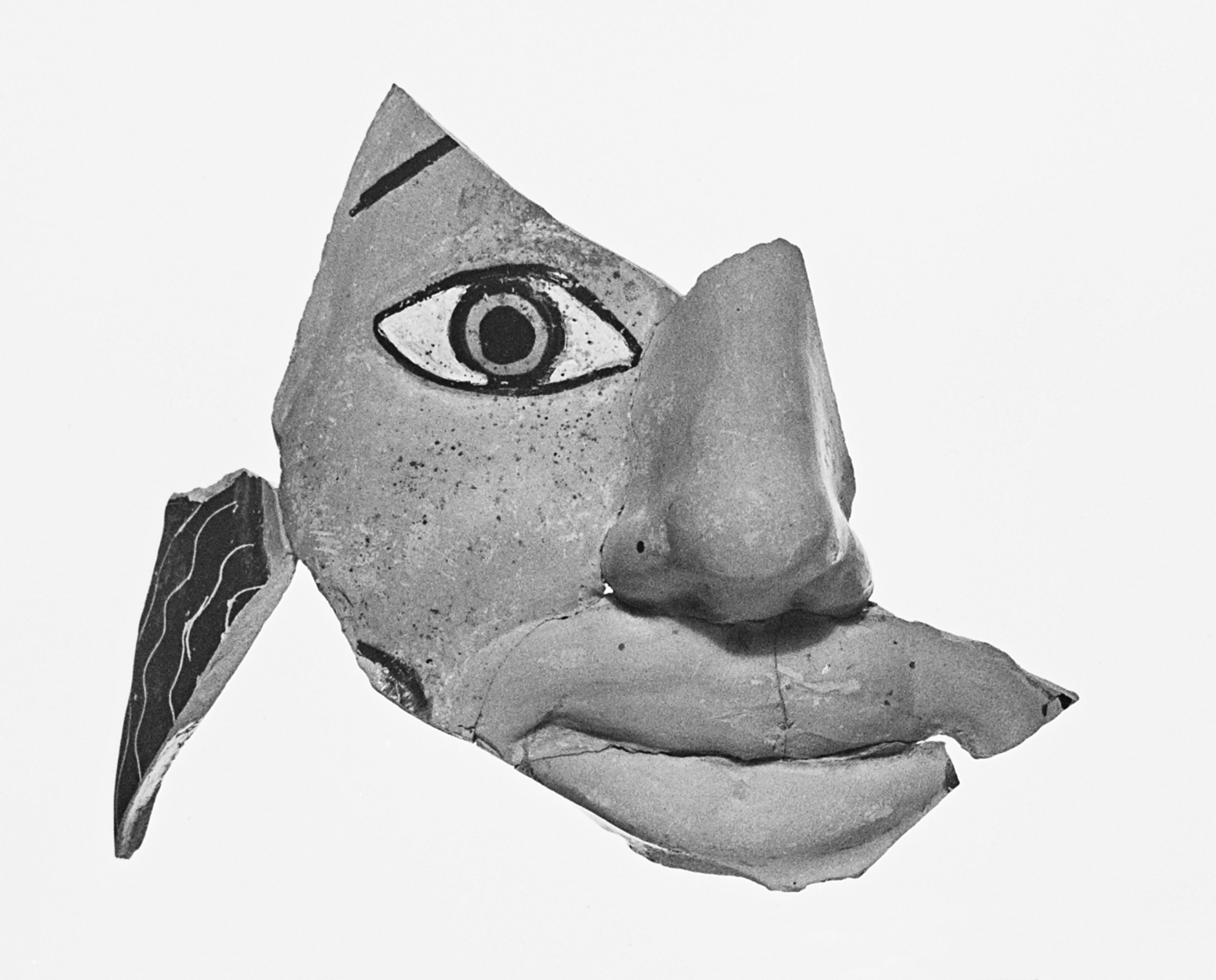
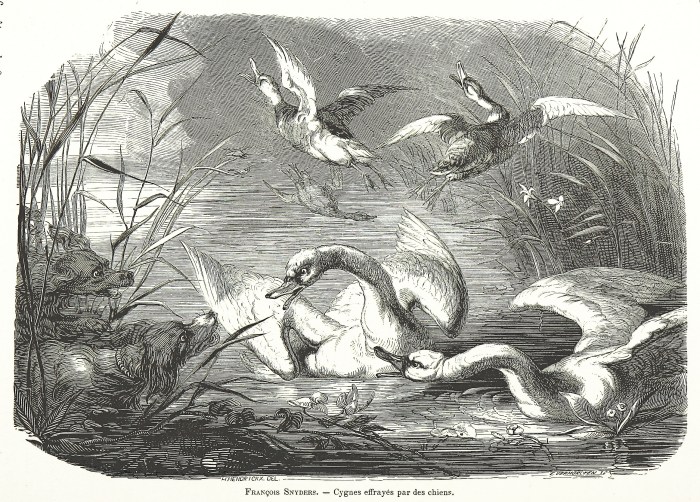
Image Credit: Attic Red-Figure Janiform Kantharos Fragment. Attributed to Onesimos, painter (Greek (Attic), active 500 – 480 B.C.) Attributed to Euphronios, potter (Greek (Attic), active 520 – 480 B.C.) Digital image courtesy of the Getty’s Open Content Program.