Meg Pokrass: “Blueberry Blue”


Blueberry Blue

At sixteen I lay on the floor of my closet. I listened to music that reminded me of him. I ate salad and danced alone in there. Imagining. My eyes were bright blue blueberries, my mother told me no one was perfect, the salad of my hair spilled out of my crocheted hats. My secret closet life. Making blueberry pancakes while thinking about his body, about the world that was perfect with him in it, the world he made ripe.

At sixteen, living in my closet, thinking of him next to my music.

At sixteen, the world said nothing bloomed for long.

At sixteen, blooming. Because he could swallow me whole.


About the Author: Meg Pokrass is the author of five flash fiction collections and a book of prose poetry, Cellulose Pajamas, for which she received the Blue Light Book Award. Her work has been widely internationally anthologized, most recently in New Micro (W.W. Norton & Co., 2018), Flash Fiction International (W.W. Norton & Co., 2015) and The Best Small Fictions 2018, 2019. She serves as Founding Co-Editor of Best Microfiction 2020 and teaches flash fiction online and in person.


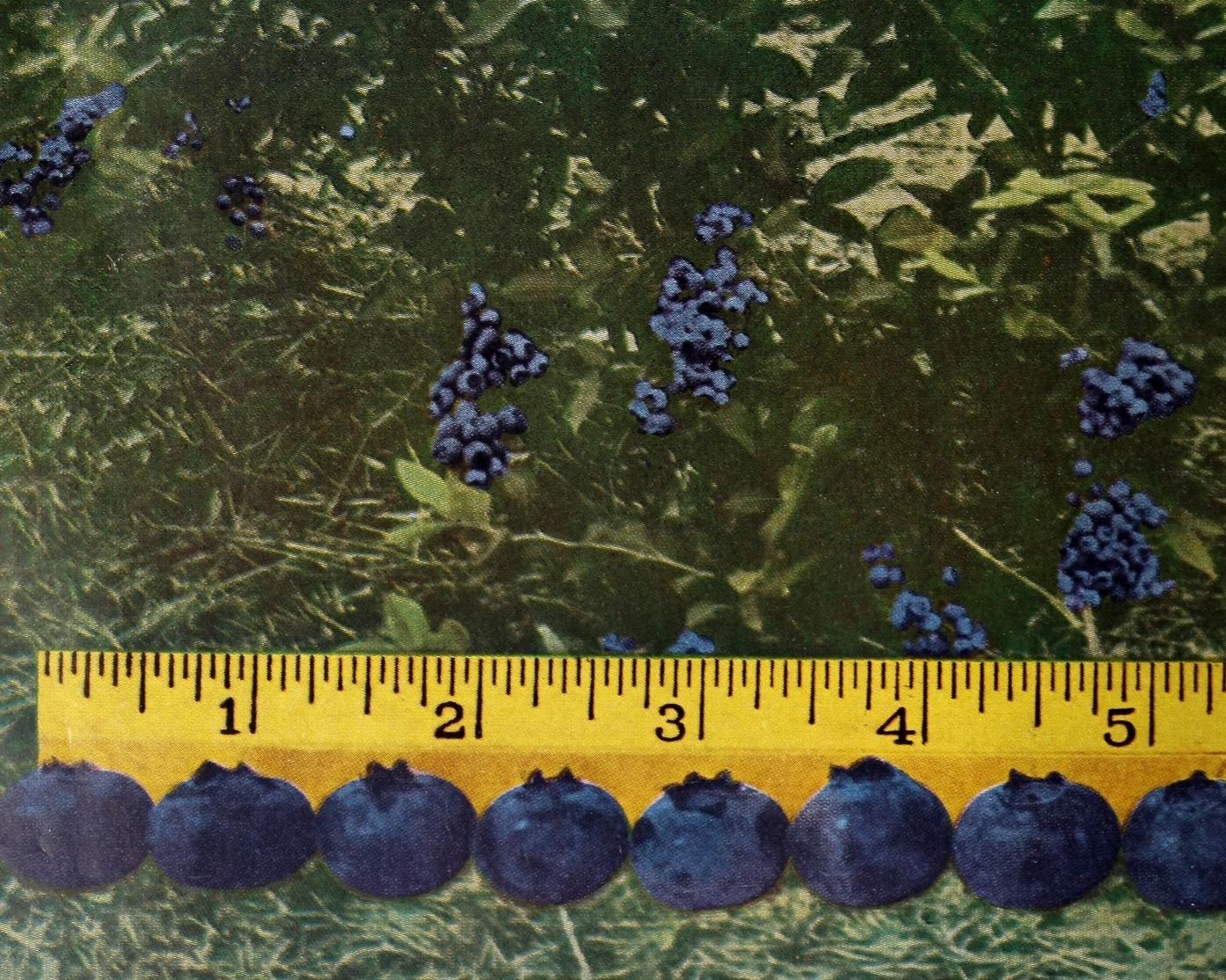
Image Credit: Detail from the cover of “Rayner’s Berry Book” courtesy of The Biodiversity Heritage Library, Creative Commons 2.0

Jason Baldinger: “where are you now benny santiago?”


where are you now benny santiago?
(for tony gloeggler)

improbable opening day
the swelter of july
the fate of the season
the fate of the country
hangs suspended
in this unsafe air

it’s been years since
I made it to an opening day
last one so cold
the stadium universally
voted a campfire
as between eighth
inning entertainment

previous year was shirt sleeves
forty year old benny santiago
whacked a triple
even from the upper deck
you could see his eyes wide
digging for second, spare
parts strewn across the diamond
he slides winded into third

I wasn’t thirty yet
I already knew
what that run meant
how each stride felt
benny retired the next day

I look over this year’s opening
day roster, selfish I know
the ‘rona cost a chance
to see a historically
bad pirates team lose
over a hundred games

I’ve sat through seasons
like that before
listening every night
to a roster of aaaa players
not looking for wins
hoping for attrition

I don’t think this season
will ever finish, suspended
in an open ledger like’ 94
no boys of october
the crisp of autumn
ushered in without ceremony

tonight stallings
the backup catcher
drops a single, brings in two
the bucs never catch
the cards though

they need magic
come the ninth
with a couple runners
on, only one out
they get lightning instead

harmless double play ball
game ends, soon forgotten
stadium lights blink out
the dustbin of minutia

I turn off the radio
settle back into a book
breathing water in humid night
sometimes it’s attrition

where are you now benny santiago?


About the Author: Jason Baldinger is a poet from Pittsburgh, Pennsylvania and  former Writer in Residence at Osage Arts Community. He has multiple books available including the chapbook Blind Into Leaving (Analog Submission Press) as well as the forthcoming Afterlife is a Hangover (Stubborn Mule Press) & A Threadbare Universe (Kung Fu Treachery). His work has been published widely in print journals and online. You can listen to him read his work on Bandcamp and on lps by the bands Theremonster and The Gotobeds.


More Poetry by Jason Baldinger:

This Ghostly Ambience

It was a Golden Time

Beauty is a Rare Thing


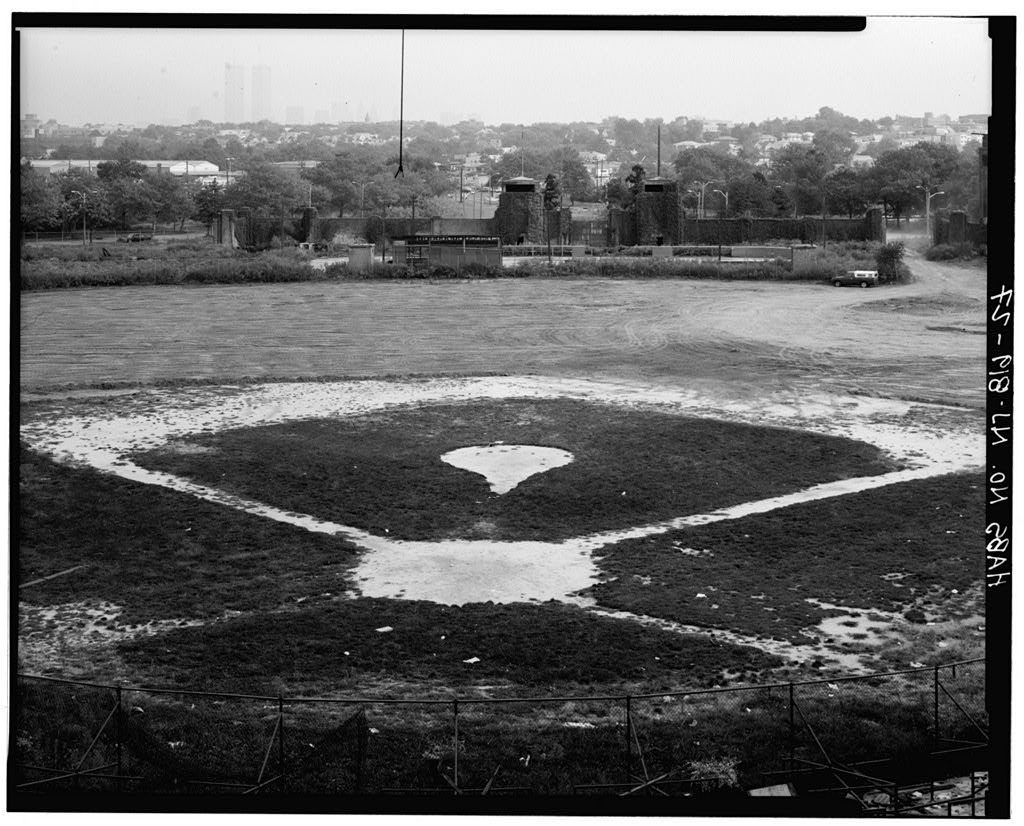
Image Credit: “BASEBALL DIAMOND, LOOKING EAST – Roosevelt Stadium, State Route 440 & Danforth Avenue, Jersey City, Hudson County, NJ” The Library of Congress (public domain)

Ariel Beller “ad interim”


ad interim

the birds went quiet
and the air became static and ticks
all it wanted was to get inside
the shadows began to flutter in panic
and the core swelled shut
a blue jay guided the moon reflected in several kitchen knives
                and this old deep couch
which fits me sideways like a hacked apart machine
became
unfixed
                I put my cigarette out in a pistachio shell
look around
everything changed
everything the same


About the Author: Ariel Beller was born in Portland, Oregon in 1976.  His work has appeared in The Bicycle Review, Driftwood Press, Amsterdam Quarterly, Luna Luna, Tears in the Fence, Queen Mobs Teahouse, Gobbet, The Wolf, Exquisite Corpse, and many other places.  He currently resides in New Orleans.


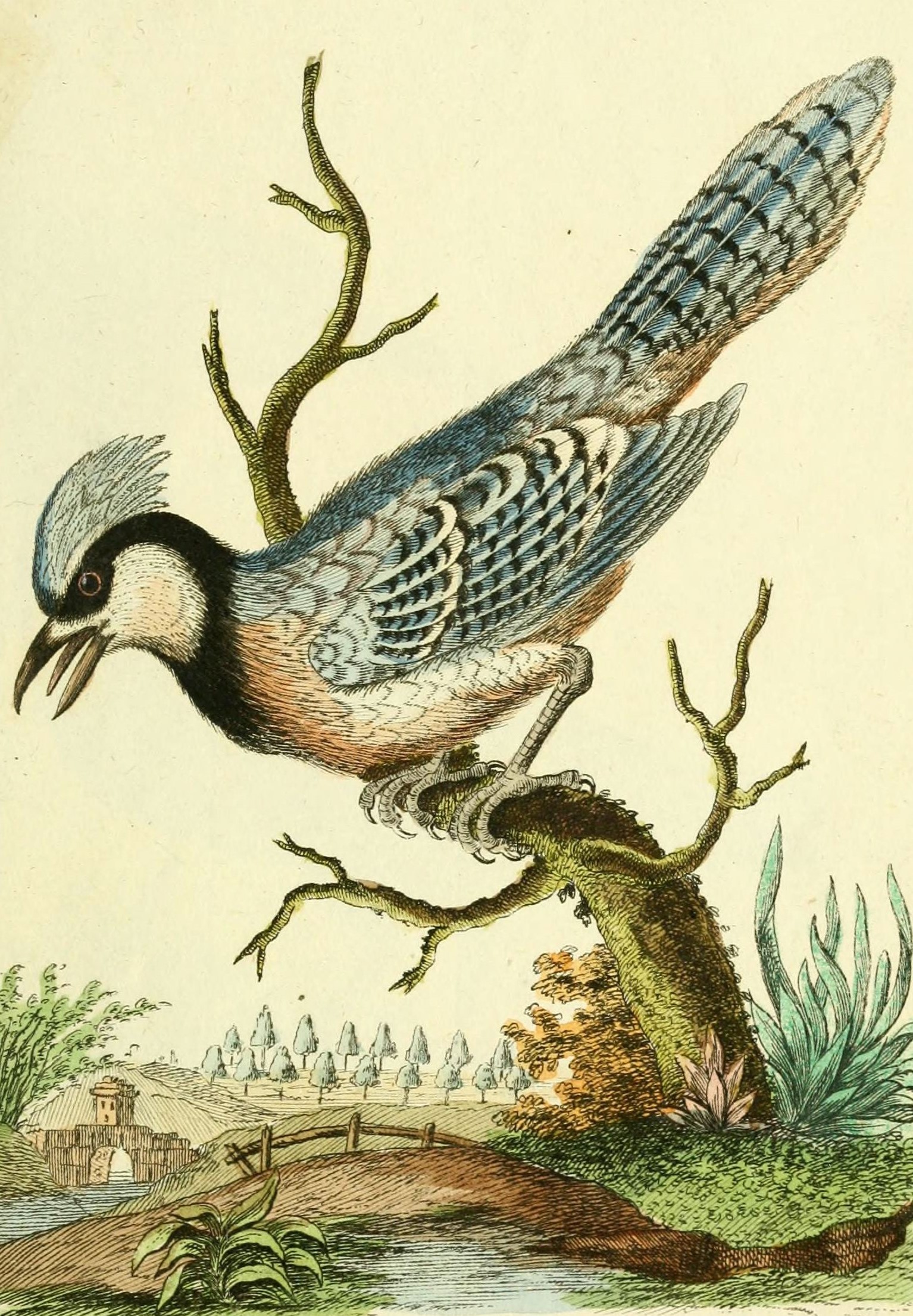
Image Credit: Gemeinnüzzige Naturgeschichte des Thierreichs, Gottlieb August Lange,1780-1789. Courtesy of the Biodiversity Heritage Library

Tim Heerdink: ’70 Chevelle


’70 Chevelle

A dream I once held in the past passed away today
with the final sell of my father’s ’70 Chevelle.

See, the dusty shell was not just an old car
but a hope to rebuild and journey through memory.

My parents went on their honeymoon to French Lick
with bold black stripes across the stark red hood.

I recently came across a photograph of these moments
snapped thirty-six years ago as of last month
in my search for my mother’s youth
as she slowly slips with the cancer in her head.

February of ’84 saw several feet of snow
mixed with influenza that failed to ruin romance.

Perhaps I’ve never seen the kind of money in cash
it takes to purchase a dream like the hotrod I never got
the chance to take a ride in on a warm sunny day,
but there still is family and a little time for us to spend.


About the Author: Tim Heerdink is the author of The Human Remains, Red Flag and Other Poems, Razed Monuments, and short stories, The Tithing of Man and HEA-VEN2. His poems appear in Poetry Quarterly, Fish Hook, Flying Island, Auroras and Blossoms, Kissing Dynamite, Tanka Journal, and various anthologies. He is President of Midwest Writers Guild of Evansville, Indiana.


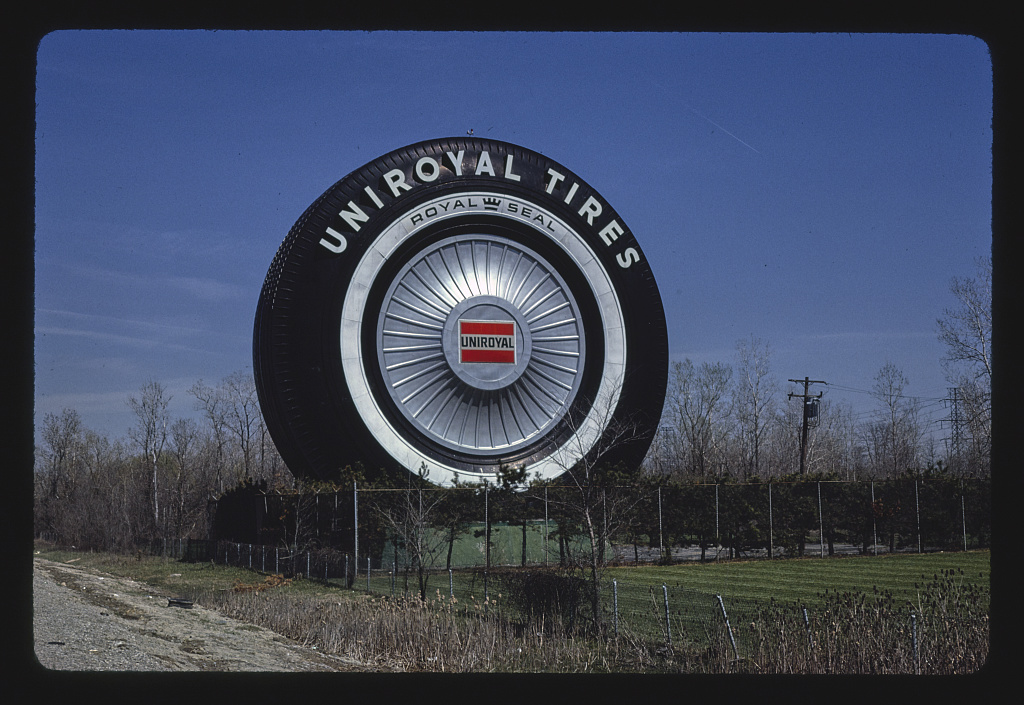
Image Credit: John Margolies “Uniroyal Tire, I-94, Dearborn, Michigan” (1986) The Library of Congress

Sheena Bradley: “Child Migrant”


Child Migrant

I don’t remember leaving Ireland,
only arriving, as if just born, off the boat.
Jelly legs find earth unsteady
after weeks aboard the Empress of France.
Parents speak rapidly
with smiling voices,
emigrants to a New World

Quebec is light, colour, noise
and swooshing cars with glossy names,
Chevrolet, Chrysler, Oldsmobile.
My new half-brother
speeds us in his Pontiac
through pine forest tang,
green trees go on forever.
Already wide, the Petawawa River
opens to the Ottawa, songs
lilting in their names.

This white house is just for us, we four –
and that scary Jesus picture,
shipped all the way from home, flashing
his fiery heart and follow-you eyes.

Big brother, home from school, teaches me,
Van Der Berg, Kinosha, Hoffmann,
Schultz, twisting my tongue, compared
to Kelly, Mc Guigan, Hegarty and O’Brien.

Featureless fading snowmen last
for months, then summer’s melting heat,
sticky hands, damp clingy sheets.
On our way to picnic by a lake,
the car skids on a million mashed caterpillars.
I swim on Uncle’s back, squealing,
squealing, listening for echoes.

Barbecue smoke clings to hair
and clothes as we ride home singing
O Canada, our home and native land.


About the Author: Sheena is Irish but has lived in Nottingham for almost forty years. Following retirement, she began writing and now has an MA in Creative Writing from Trent University. She has been published in The Beacon, Reach, Sarasvati, Dawntreader and Orbis. Twitter: @weesheenanigan


More by Sheena Bradley:

After Another Deluge


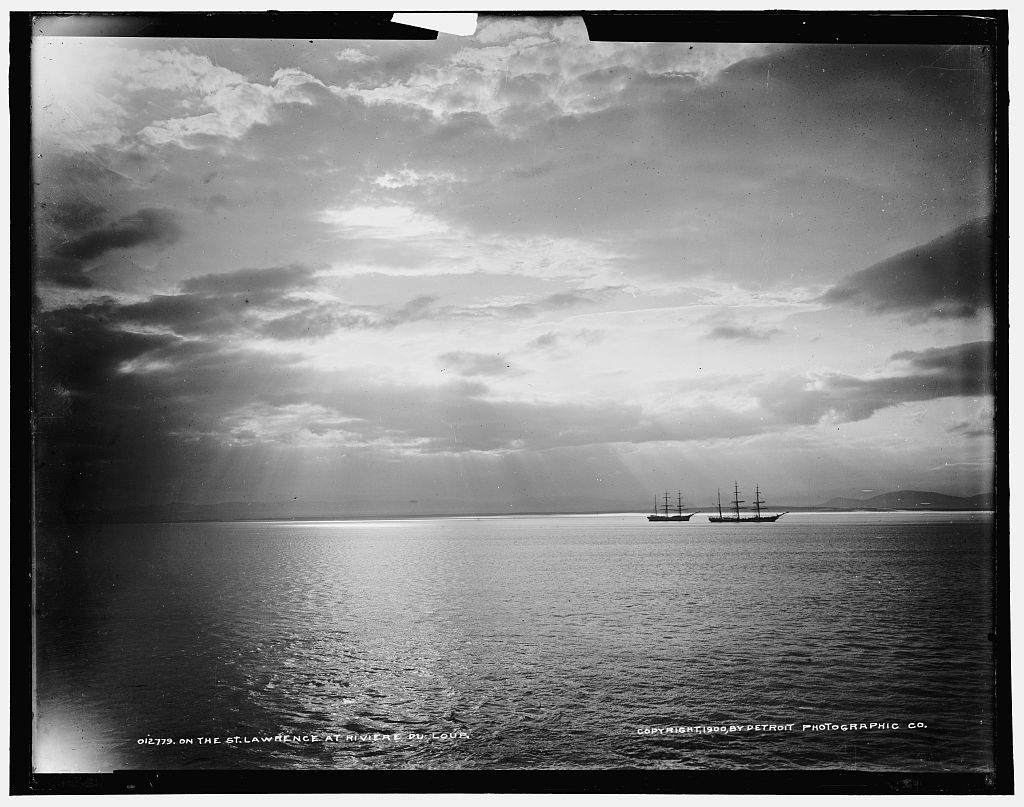
Image Credit: “On the St. Lawrence River at Riviere du Loup” (1900) Public Domain: The Library of Congress

Tim Peeler: “Drive-in 21”


Drive-in 21

Through the pounding thunderstorm,
They endured blue lightning flashes,
Great drops of steaming rain,
And on the screen, the first of
A double feature, Invasion
Of the Blood Farmers,
A film shot so poorly
That day and night shots
Were jumbled together;
So cheap, the actors were paid
With six packs of beer
To play blood-seeking druids
On a mission to save their queen.
They gritted their teeth
As their wipers slashed,
The speaker crackled, and
The parking lot emptied
Of all but the stoners
And the crazies awaiting
The second feature,
Shriek of the Mutilated,
Wherein grad students
Undertake a field trip
To Boot Island in search of Yeti,
And the hardcores were rewarded
When the summer skies cleared
And fell silent as the hairy
Beast began his carnage.


About the Author: A past winner of the Jim Harrison Award for contributions to baseball literature, Tim Peeler has also twice been a Casey Award Finalist (baseball book of the year) and a finalist for the SIBA Award. He lives with his wife, Penny in Hickory, North Carolina, where he directs the academic assistance programs at Catawba Valley Community College. He has published close to a thousand poems, stories, essays, and reviews in magazines, journals, and anthologies and has written sixteen books and three chapbooks. He has five books in the permanent collection at the Baseball Hall of Fame Library in Cooperstown, NY. His recent books include Rough Beast, an Appalachian verse novel about a southern gangster named Larry Ledbetter, Henry River: An American Ruin, poems about an abandoned mill town and film site for The Hunger Games, and Wild in the Strike Zone: Baseball Poems, his third volume of baseball-related poems.


More By Tim Peeler:

Modernist Hay Making

Paramnesia 2

Ballers 2, the Star’s Monologue 3


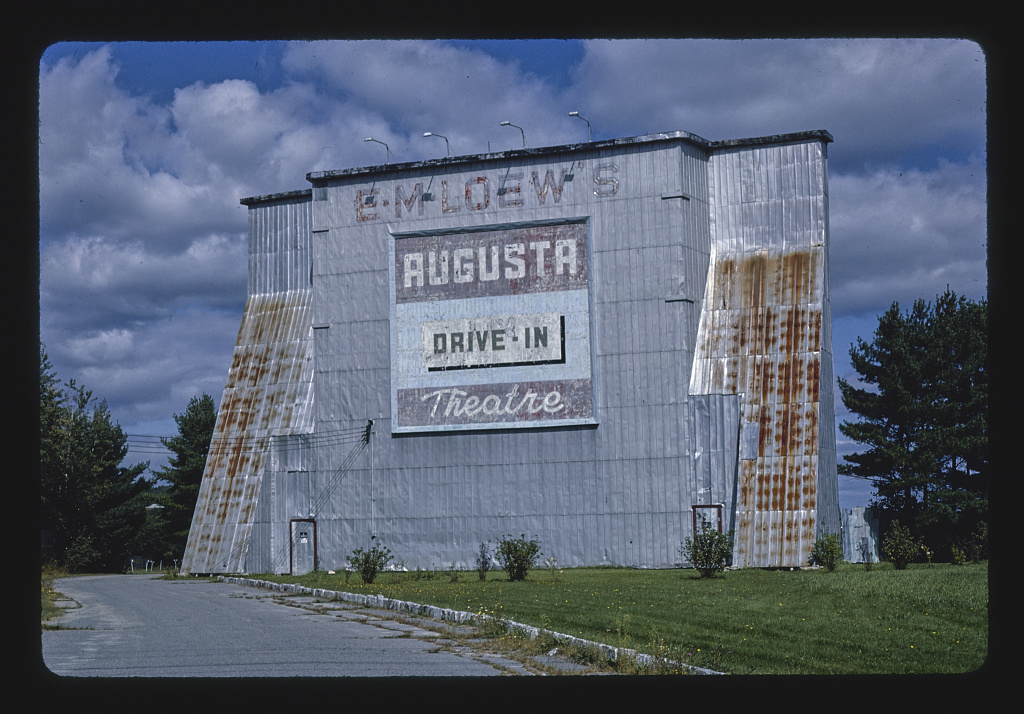
Image Credit: John Margolies “Augusta Drive-in Theater, Route 11, Augusta, Maine” (1984) The Library of Congress

Diana Rosen: “Mrs. Reagan, Who Lived Next Door”


Mrs. Reagan, Who Lived Next Door

Mrs. Reagan, (Elizabeth only to childhood friends,)
walked ramrod straight even into her nineties
as if her Lord and Savior was watching.
A believing Methodist doing all the good she

could all the times she could, showed thrift,
practicality, by example, weaving rag rugs,
preserving her garden gifts into winter’s food,
storing seeds in coffee cans for next season’s

sowing. She made the best popcorn while
babysitting us on the rare nights our parents
went out, amusing us no end with her drum roll
after-popcorn snores. Her thrift, coupled with no

small amount of style, showed in the clothes
made for our dolls. She only ever raised her voice
to my sister and me when she caught us
gobbling plump Concord grapes peeking

through the wire fence between her massive
garden and our unkempt patch whose only
proofs of nature: fuzzy pussy willows
tickling noses; under chin reflections of buttercups;

sunny dandelions seeding into feathery bristles
blown away with our wishes; gigantic crab apple
tree, a canopy for summer reading. “Look at that
old man,” Mrs. Reagan pointed at through her

dark kitchen’s window (electricity was for
nighttime only.) The man, bent like a toppled
letter L, lumbered down the unpaved alley
towards the garden gate, another day older and

deeper in debt to the masters of anthracite. He’d
settle in front of their aged television set,
the screen barely six inches, sipping on soup
served with stale saltines, his wife’s effort to

“make dinner,” unchanged for the five decades
they were wed. She often commented,
“Mr. Reagan said …” although no one ever heard
him speak or even saw him except for those

work day plodding-alongs in the alley behind
the garden where his wife, in frayed hat, sturdy
work gloves, sensible dress (always hand-made,)
rested on the swing under the oak tree, “just a

second” before returning to her corn stalks
towering several feet above her, the Roma
tomatoes plump and sun-reddened, the usual
yellow wax and long green beans, squash, peas.

Today, as I was rinsing out the jar of tomato
sauce to store some rice, the mailman arrived
with a letter from her daughter:
“To the astonishment of all, Mother decided

to lie down for a nap this afternoon, and that
was that. She was ninety-eight and longed
to be one hundred, but that was not to be. Still,
it was a long, useful life, and for that we are grateful.”


About the Author: Diana Rosen writes flash, poetry, and essays with recent published flash and poems in Existere Art & Literature Journal (Canada), Potato Soup Journal, and WildforWords (UK) and an essay in “Far Villages”, an anthology from Black Lawrence Press. She lives and writes in Los Angeles. To view her work, please visit www.authory.com/dianarosen


More by Diana Rosen:

Hollywood Freeway

Dinner at Six


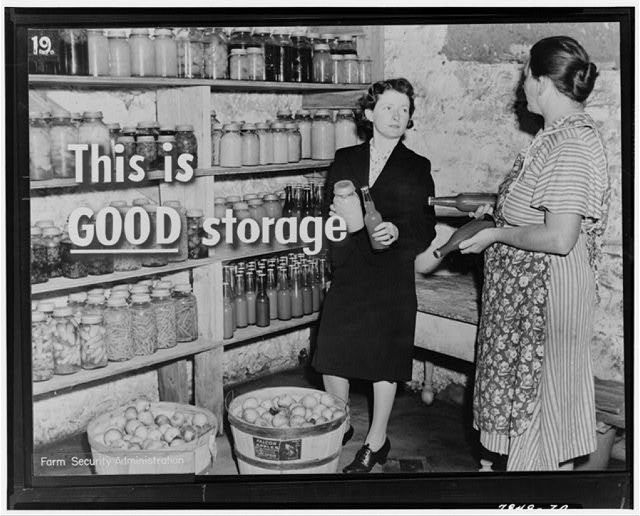
Image Credit: John Vachon, from the Farm Security Administration – Office of War Information Photograph Collection (Library of Congress) Captioned: “Nothing wrong with these shelves. Shelves like these may be built in a well-ventilated cellar, cave, or closet where it is cool, but not cold enough to freeze, and where there is no strong light. They are wide enough, they are built of strong boards, and they are braced with sturdy supports. One hundred feet of twelve-inch shelving will hold five hundred jars. Notice the orderly arrangement of jars. All foods of one kind are together” (1939)
Nathanael Stolte: “New, but Borrowed”


New, but Borrowed

Though I’m in a new, but borrowed, bed
in a strange land
you’ve never been to
I still sleep on only half
the old habitual repetition

I know you’re not coming

and I’m certainly not
saving it for you
or anyone

not saving it at all
not holding intimate space
for anyone in this dating economy

I leave books of poems
and novels there
that I read before dreaming

all the companionship I require

I don’t fix the covers in the morning
never cared much for that

I dream I’m covered in ticks
and they’re hungry
growing fat
and round
and gray and smooth as old river stones
it doesn’t itch
but I can’t scream
because my teeth are old river stones
round
gray and
smooth
as fattened ticks
and my mouth is full of butterflies
and secrets
too subtle to recall
when the sun rises
like bubblegum over
the far pasture
out the spotted plate glass
picture window
creeping at first
then all at once

I’m not covered in parasites
and my teeth are just fillings


About the Author: Nathanael Stolte is an artist and poet from Buffalo, NY. His poems have turned up all over the place. He is the author of several chapbooks and Shoot the Alligators Closest to the Boat (Stubborn Mule, 2019) & Beggar’s Songbook (Spartan Press, 2020). He was an artist in residence at Osage Arts Community in Belle, MO this year where he was making visual art until his plans were interrupted by a mild heart attack. Now he’s staring down the barrel of 40 and living in his mother’s basement.


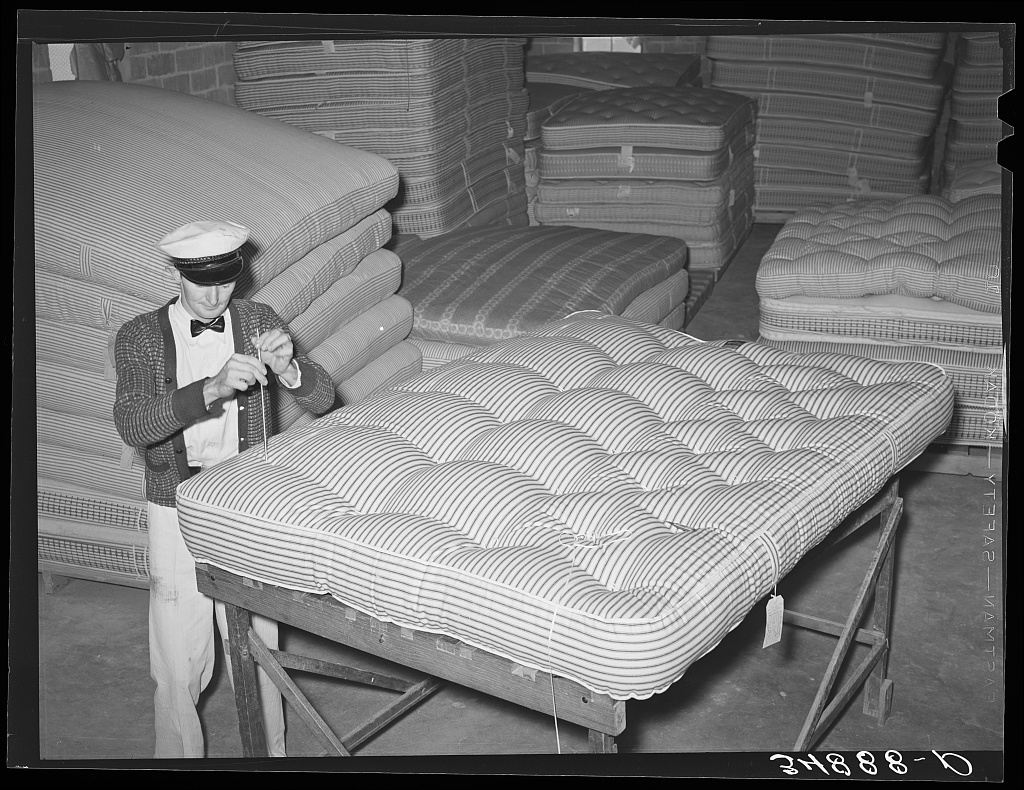
Image Credit: Russell Lee “Piercing a mattress in tufting. Mattress factory. San Angelo, Texas” (1939) The Library of Congress

Sue Blaustein: A Horse Named “Can-Ball-the-Flowers”


A Horse Named “Can-Ball-the-Flowers”

…we can tentatively define information as the communication of relationships
– Hans Christian Von Baeyer in “INFO, Information, the New Language of Science”

When I was five or six,
I was crazy for horses
            and words.
My mother told me
about Thoroughbreds
and the meaning of pedigree –
why owners gave them

long and pompous names. She’d
open the New York Times to find
the line-up at Belmont, read
us the silliest ones out loud
            and we’d laugh.
Something only we shared… As
years passed, I’d remember, or

mis-remember a name.
Was there a horse
named “Can-Ball-the-Flowers”?
I let it drop, but then the Internet was invented.
Forty-three when I got connected, my first
burning question for the web:
Was there ever a horse named

“Can Ball the Flowers”?
DOS search engines in the 90’s
didn’t think for you like Google.
Courier type on a black
background…I strategized
keywords: I was five or six.
So, 1961, ‘62. Races in New York – 

would be Aqueduct or Belmont.
I had to tweak my terms
repeatedly, but finally I learned –
there was a chestnut
stallion named “Candy Spots”,
and a fast mare whose name
was “Bowl of Flowers”!


About the Author: Sue Blaustein is the author of “In the Field, Autobiography of an Inspector”. Her publication credits and bio can be found at www.sueblaustein.com. Sue retired from the Milwaukee Health Department in 2016, and is an active volunteer. She blogs for ExFabula (“Connecting Milwaukee Through Real Stories”), serves as an interviewer/writer for the “My Life My Story” program at the Zablocki VA Medical Center, and chases insects at the Milwaukee Urban Ecology Center.


More by Sue Blaustein:

A Song for Harvest Spiders

A Song for Noise

The Old Ways


Image Credit: Russell Lee “Finish line of farm boys’ horse race. Vale Oregon. This was supposed to be a boys race but the girls wanted to be in it too so they were included ” (1941) The Library of Congress

Howie Good: “Reason to Believe”


Reason to Believe

By late March, tens of thousands were about to die from the virus. I was sad, so sad. Then the sun would come up and the buds open a little more each day. You could hear the music – the Mister Softee truck was out. You just had to watch for it.

&

As I go around town, I see people wearing face masks all wrong, under their noses or even their chins. I don’t want to get into it with them. I just want to get away. Given a choice, I’d live somewhere civilized and safe, somewhere like Switzerland, but without all the cows and glaciers.

&

It’s important to pay attention to possible omens. Like the tall weed growing across the street, whose milky white sap is said to relieve pain. Do you have 30 seconds? I swear sometimes it glows.


About the Author: Howie Good is the author of THE DEATH ROW SHUFFLE, a poetry collection forthcoming from Finishing Line Press.


More by Howie Good:

People Get Ready

Maiden Voyage


Image Credit: John Ferrell “Washington, D.C. Good Humor ice cream truck” (1942) The Library of Congress