Anna Saunders: “Thirteenth week of Lockdown- woke wondering if I were a ghost”


Thirteenth week of Lockdown- woke wondering if I were a ghost.

I am too diffuse, fill the air like smoke
glide around empty rooms, feeling immaterial .

You would think it would be easier existing as ghost, 
airborn, iridescent as summer rain, 
but I am weightless only in mass -my psyche is ballast. 

To be a ghost means to live with the self undiluted.
Imagine who you are, but magnified.

I am too much at times, 
the condensed quick of myself,  
like a perfume oil or a 100 percent rum.  

Nothing touches me, and no-one.
And if they did, I am so tissue skinned 
their fingers would go right through me. 

At best I am inspiration, contain light,
but adrift and nebulous, like mist
all abstract antipathy and desire, 

and  invisible 
(who sees the ghost but the haunted?) 

I pull desperately at my own arm with this poem 
and claim 
I am here, I am here.


About the Author: Anna Saunders is the author of Communion, (Wild Conversations Press), Struck, (Pindrop Press) Kissing the She Bear, (Wild Conversations Press), Burne Jones and the Fox (Indigo Dreams) and Ghosting for Beginners (Indigo Dreams, Spring 2018). Anna has had poems published in journals and anthologies, which include Ambit, The North, New Walk Magazine, Amaryllis, Iota, Caduceus, Envoi, The Wenlock Anthology, Eyeflash, and The Museum of Light. Anna is the CEO and founder of Cheltenham Poetry Festival. She has been described as ‘a poet who surely can do anything’ by The North and ‘a poet of quite remarkable gifts’ by Bernard O’Donoghue.


More by Anna Saunders:

The Delusion of Glass

In The Drowned Woods


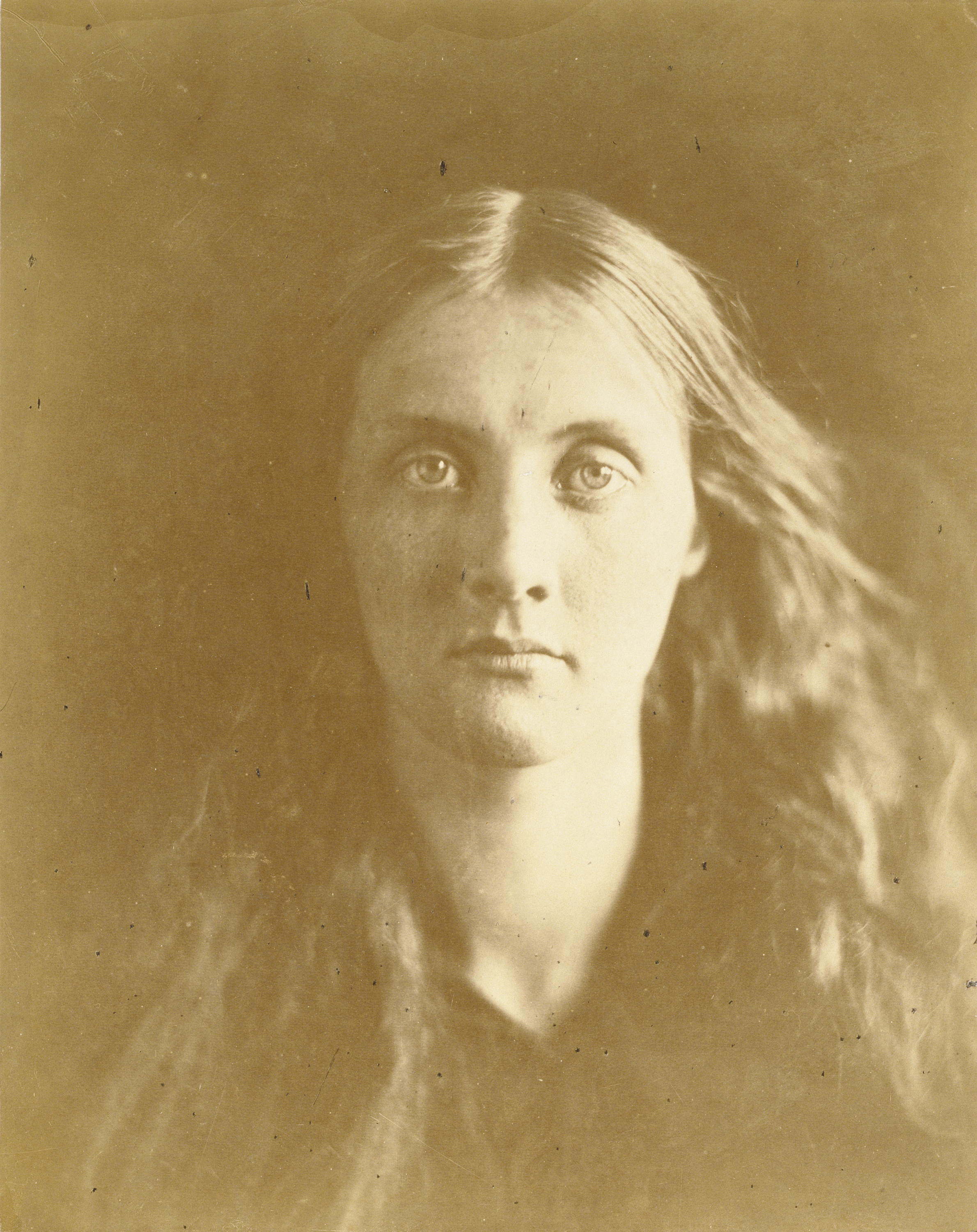
Image Credit: Julia Margaret Cameron “Julia Jackson” (1867) Digital image courtesy of the Getty’s Open Content Program.

Ajah Henry Ekene “Of Aging”

IMG_20191210_130322555_HDR


Of Aging

Ma, your adult son is home. Things are not the way they look.
I have put a foot backwards. Many feet backwards. 
I have fried my dreams. My eyes are teary from smoke.
Ma, I cough. Bouts of sneezes. My internal rooms are hazy.
The dreams were large, too many. And when they burnt
They made enormous fire.
Growing up has been walking on hot oil. Each step tells me to hurry.
But hurry didn’t do ma. The sole peeled and peeled. 
Then I saw new skin and smiled.
Then it blistered ma!
My memory is turning. It cannot remember. 
Or it remembers too much; too much uncertainty. 
So, I do not know what I want to tell you:
Whether a confession of weakness; an acknowledgement of sorrow;
An admission of failure; or the subtle regret of not being enough. 
As I return to you, like we all do to dust, I know you will recognize me.
The familiarity of origin will absorb me home.
And should I have a choice in these things;
I will return to you once after this journey and refuse to be born again.


About the Author: Ajah Henry Ekene lives and writes from Nigeria. Some of his works are on Brittle Paper, New Contrast, AfricanWriters and The Kalahari Review.
He won 2nd place in NSPP (2017) and partly enjoys practising Medicine.


Image Credit: Chase Dimock “Tahquitz Canyon” (2019)


John Grey: “I Read It Here First”


I READ IT HERE FIRST

This copy of “Moby Dick” is repulsive.
I left it by the humidifier 
and now the pages are like sponge.
I bought that stupid machine 

because of this fixation I had
that my skin was drying out.
I never went anywhere.
I didn’t do anything

but sit in the parlor
in all that wretched humidity 
while one-legged Ahab 
went after that insufferable white whale. 

I’d ended up feeling like a stinking orchid.
But you see, I had to do something.
I couldn’t just let myself 
crumple up like old parchment.

But now the pages of the novel 
are stuck together.
I overreacted as I always do. 
In my own way, I was Ahab.

But now, thankfully, I’m Ishmael,
the guy who survives to tell the tale. 
I ditched the humidifier.
My skin is just fine.

Now I’ve taken up with yogurt
because of some concern 
about not getting enough B12.
Besides, I haven’t read “The Andromeda Strain”
        in years.


About the Author: John Grey is an Australian poet, US resident. Recently published in
Hawaii Pacific Review, Dalhousie Review and Qwerty with work upcoming
in Blueline, Willard and Maple and Clade Song.


More By John Grey:

Maud

Downsizing

Move On


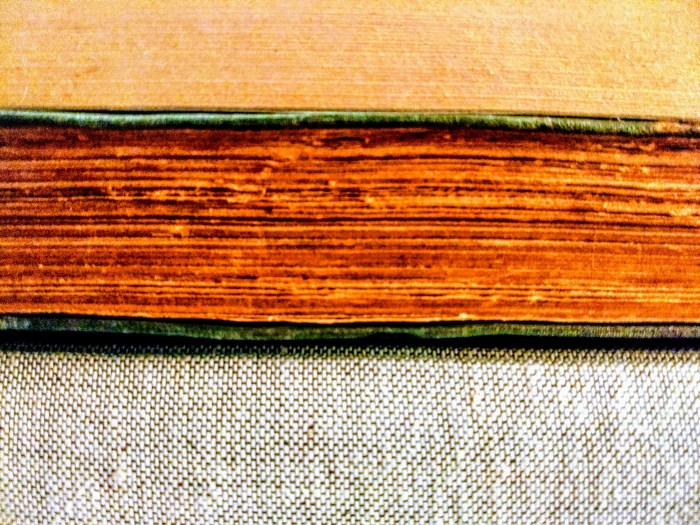
Image Credit: “Stack of Old Books” Chase Dimock

Ace Boggess: “Rain/Snow Mix”


Rain/Snow Mix

Don’t know whether to wear my gloves
or grab the cobalt umbrella 
with its one bent, awkward arm.

I’ll get wet, but maybe it’s one of those dry wets.

If the temp were ten degrees cooler,
every question would have an answer
rather than another question:
should I stay home? risk it for a quick trip to the store?

The meteorologist mocks & prattles, 
goofing like an Auguste clown.
I think it’s funny we never see his shoes.


About the Author: Ace Boggess is author of five books of poetry—Misadventure, I Have Lost the Art of Dreaming It So, Ultra Deep Field, The Prisoners, and The Beautiful Girl Whose Wish Was Not Fulfilled—and the novels States of Mercy and A Song Without a Melody. His writing has appeared in Harvard Review, Notre Dame Review, Mid-American Review, Rattle, River Styx, and many other journals. He received a fellowship from the West Virginia Commission on the Arts and spent five years in a West Virginia prison. He lives in Charleston, West Virginia. His sixth collection, Escape Envy, is forthcoming from Brick Road Poetry Press in 2021.


More by Ace Boggess:

Rock Garden

And Why Am I A Free Man?

Why Did You Try To Sober Up?


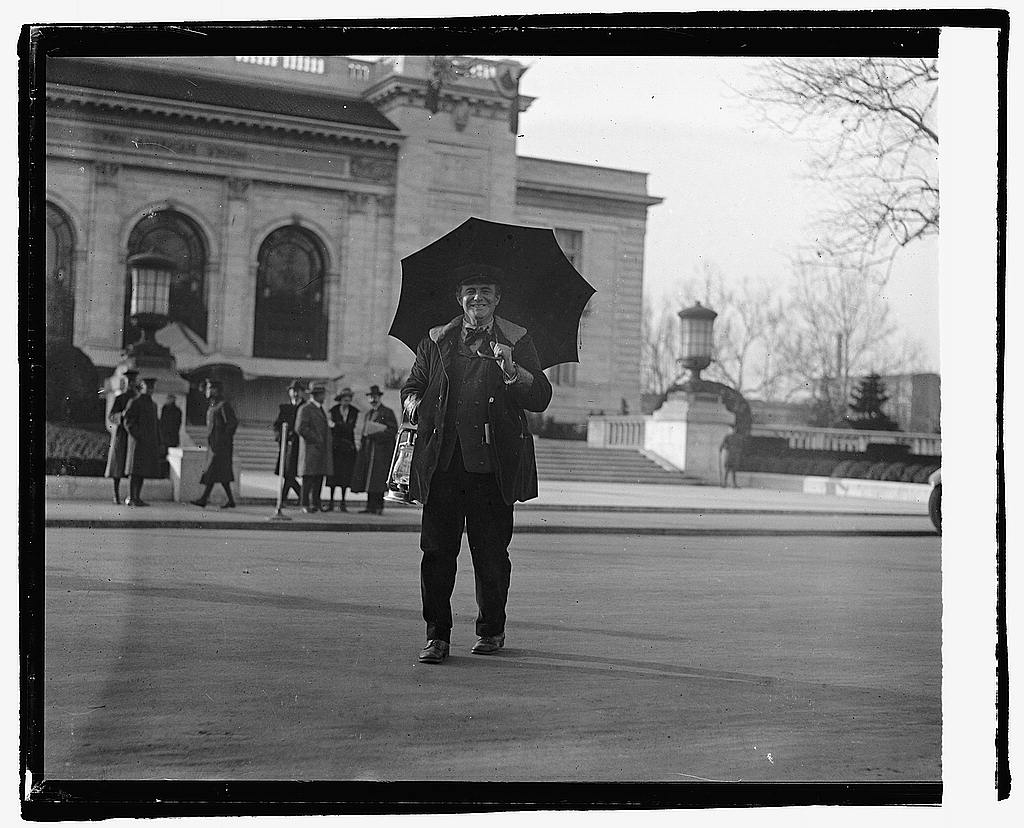
Image Credit: “Unidentified man with umbrella standing in street with building in background” (1921) The Library of Congress

Fabrice Poussin: “Getting Old”


Getting Old

She stared into a worn-out mirror
familiar motion of early morning rises
seeking the imperfection born of the darkness.

Uncertain in the first hours of early frosts
she Passed her personal inspection
with the gaze of an unmatched surgeon.

Robed in the purity of the soft cotton
she caresses the gentle envelope of the years
complete in the glee that life still loans.

Remembering birthdays of another century
she wonders at the purity of the white satin
where not a line yet has written a somber destiny.

The certainty of time has gone into another realm
where dimensions come together into space
and she smiles even when they call her granny.


About the Author: Fabrice Poussin teaches French and English at Shorter University. Author of novels and poetry, his work has appeared in Kestrel, Symposium, The Chimes, and many other magazines. His photography has been published in The Front Porch Review, the San Pedro River Review as well as other publications.


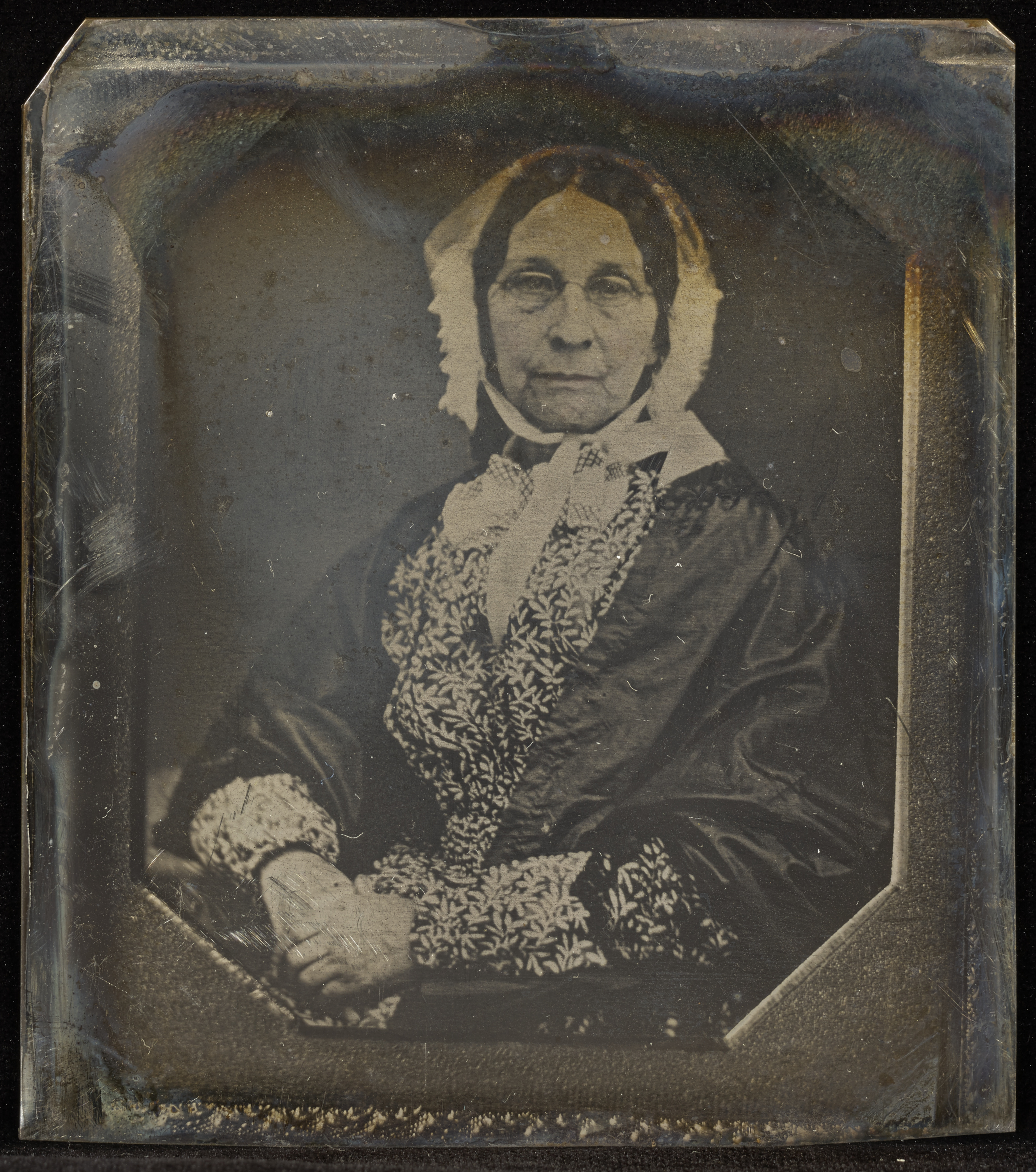
Image Credit: Jacob Byerly “Portrait of an Elderly Woman in Matron Cap” (1844) Digital image courtesy of the Getty’s Open Content Program.

Geoffrey Heptonstall: “One for Sorrow, Two for Sorrow”


ONE FOR SORROW, TWO FOR SORROW

The bird that sings a stolen song 
leaves echoes of another sound 
from a tongue bereft of voice.
‘Pica, pica,’ the magpie cries, 
naming its nature in air.
Joytaker, heartbreaker, 
what it sees it steals 
in glistening desire, 
feathered with wildness 
to plunder the beauty of things.
The joker in a pack of lies, 
it lives on sorrow alone.


About the Author: Geoffrey Heptonstall is the author of a novel, Heaven’s Invention [revised paperback edition Black Wolf, 2017] and a collection of poetry, The Rites of Paradise [Cyberwit 2020].


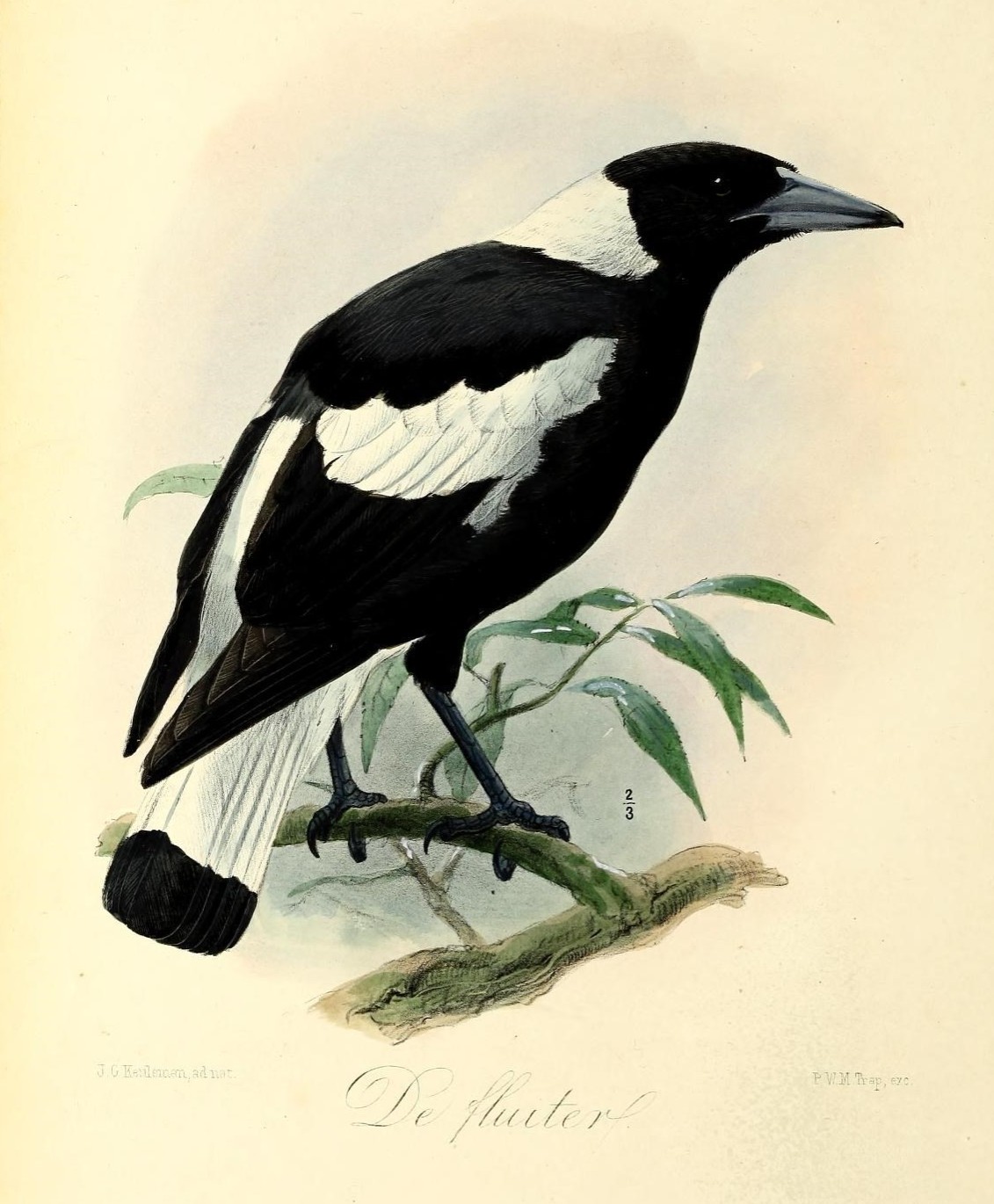
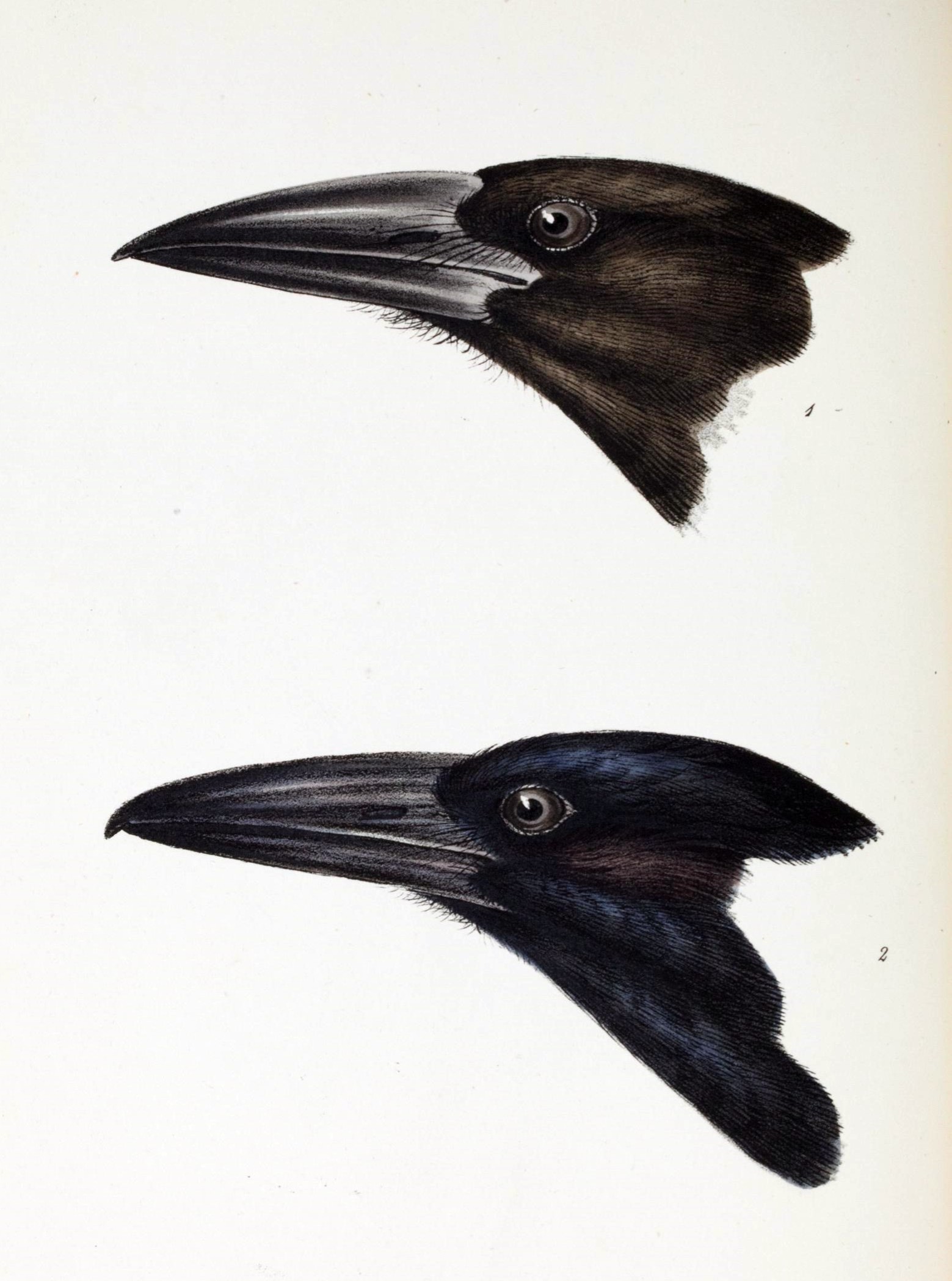
Image Credit: Australian Magpie courtesy of the Biodiversity Heritage Library

Tony Pena: “Birds of a Feather”


Birds of a Feather

The black birds caw
as I hobble to my Honda
CRV noir like Mister
no meniscus on the lam
from hard boiled critics
who put Clarice Starling
on my case for killing
so many of my darlings.
In my standard literary
issue of charcoal satin
shirt and dungarees,
I ask of the evening
in iambic slang,
if the crows consider
me an accomplice
to their murder
or just another
Edgar Allan wannabe.


About the Author: Tony Pena was formerly 2017-2018 Poet Laureate for the city of Beacon, New York.  His work has appeared in several publications over the years. Recently, poems have appeared in 1870, Museum of Poetry, and the Rye Whiskey Review. A volume of poetry and flash fiction, “Blood and Beats and Rock n Roll,” is available at Amazon.  A chapbook of poetry, “Opening night in Gehenna,” is available from author. Colorful compositions and caterwauling with a couple of chords can be seen at:

.
.
Image Credit: illustration from A synopsis of the birds of Australia, and the adjacent Islands. London: John Gould, 1837. Courtesy of the Biodiversity Heritage Library

Leslie M. Rupracht: “Brothers”


Brothers 

The phone call behind him,
shock still fresh in his ears,  

the surviving brother    
reaches for memories 
long archived in the depths 
of a cerebral vault, 

untapped for a half-century 
and more until this unending night

Images of two laughing brothers 
upon hand-built rafts forged of scrap 
barn wood, frayed ropes and faith, 
floating on creek waters 

into the rapids of his 
consciousness—

a pair of young captains, 
made of invincible braveness, are
summoned into this sobering moment 
to placate a suddenly lonesome man’s 

shattered hope to bond and build 
more durable craft with his brother

In irretrievable youth 
as in this irreversible hour 
and the tomorrows of his mourning, 
he realized 

he always wanted more 
of his big brother’s time


About the Author: Leslie M. Rupracht is an editor, poet, writer, and visual artist living in the Charlotte/Lake Norman region of North Carolina since 1997. Her words and artwork appear in various journals (most recently Gargoyle), anthologies, group exhibits, and a chapbook, Splintered Memories (Main Street Rag, 2012). Longtime senior associate editor of now-retired Iodine Poetry Journal, Rupracht also edited NC Poetry Society’s 2017 and 2018 Pinesong anthology. Swearing off a corporate work relapse, Rupracht co-founded and hosts Waterbean Poetry Night at the Mic in Huntersville, NC.


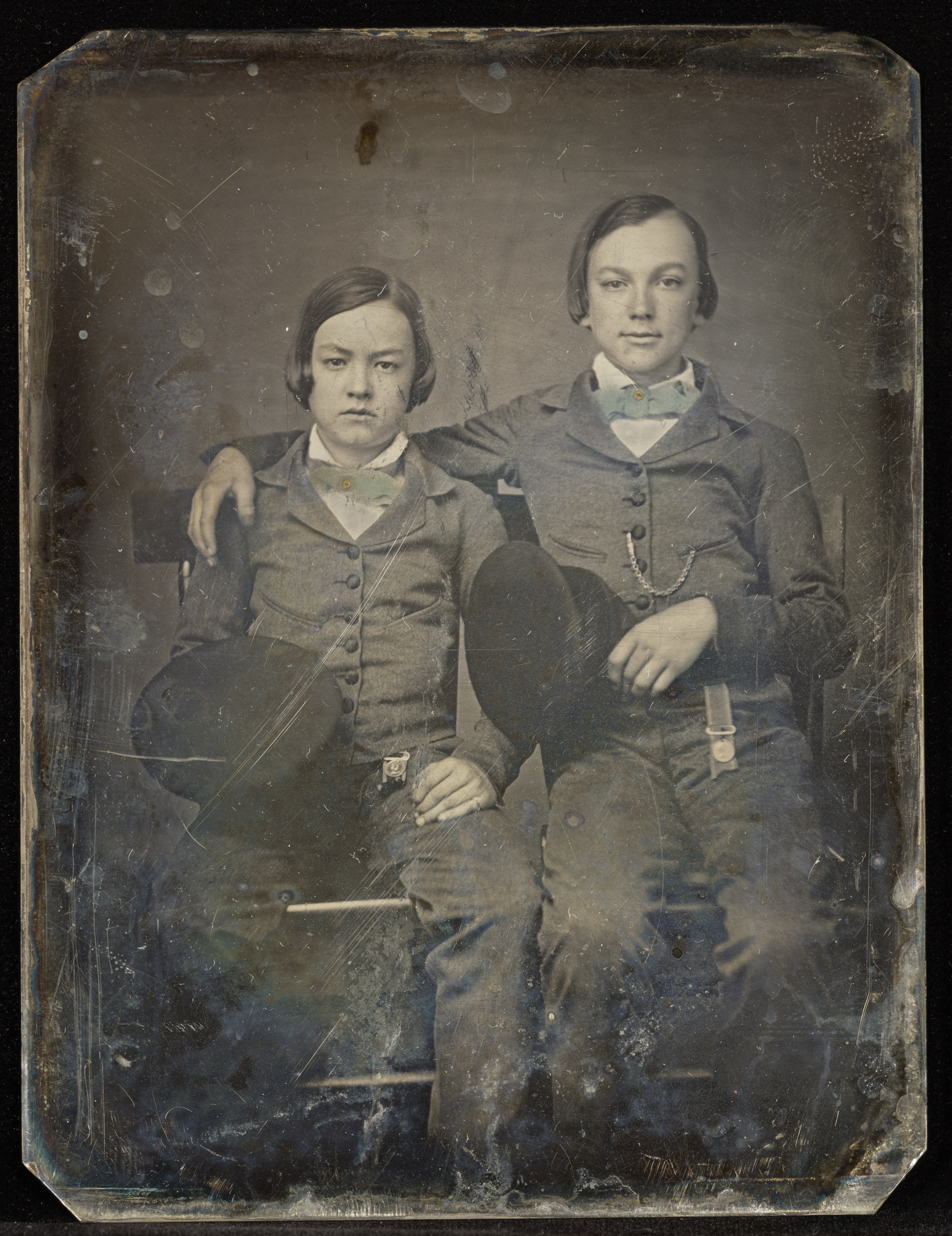
Image Credit: “Portrait of Two Seated Boys” (1850s) Digital image courtesy of the Getty’s Open Content Program.

Mike James Reviews “Dead Letter Office: Selected Poems” By Marko Pogacar


Mike James Reviews

Dead Letter Office: Selected Poems

By Marko Pogacar


Translated poetry is notoriously difficult to critique. Are we judging the work of the poet or the translator or the right combination of both? Even the best translation is a bit like listening to music playing in the apartment next door: we notice some of the beauty, but miss much of the subtlety. 

Ezra Pound famously said he wanted to know, “what could not be lost in translation.” One of the items more difficult to lose is imagery. The power of rhetoric may increase or decrease depending on the translator, but a clear, unusual image is harder to erase. 

Marko Pogacar is a poet well known in his native Croatia; however, this is his first volume translated into American English. Thankfully, for him and the reader, his translator is the supremely gifted Andrea Jurjevic, whose own poetry ranges across a similar landscape of stunning imagery and heart wrenching epiphany. 

Before diving into the poems, there’s a preface which calls out both Pogacar’s age (he’s in his mid-30’s) and the wars which shaped his early years. A good translator’s preface should address the work of the author being translated, as well as provide context on his life, while also addressing the nature of translation. Jurjevic does all of that. 

Her preface does a fine job of setting expectations for the reader. She writes, “There’s no idling in these poems. They’re noisy, mercurial, authentic. Their movement resembles a beehive; it is unpredictable and usually turned inward. The sound offers both a sword and a shield.” 

The last line is telling because much of the imagery throughout the collection is tied equally to violence and protection. Pogacar writes that “death fits into the three dots / at the end of an incomplete sentence,” but, despite that, “beautiful obstacles are everywhere.”  

Pogacar’s world is logic free and completely relatable. His poems exist within a dreamscape of surrealism and black humor. This is illustrated with the collection’s very first poem, the wonderfully titled, “Man Dines In His Father’s Slippers.” The poem begins as a type of love poem with the line, “What used to be borders, is now you.” The narrator then moves to a description of the environment and then back to observations on his internal life. The poem is structured as a jagged, uneven see-saw. Ultimately, it all evens out as the narrator tells us, “not love, stupidity, stupidity is the heart of the world– / and now in those slippers I eat and cry, / only eat and cry in the house.”

If a collection of poems is to be judged not just by the number of successful poems within it, but also by the number of exotically memorable lines, then Dead Letter Office succeeds on every level. Pogacar can take a reader into “a cage for the dreamless owl of the heart” and allow her to live there among “an archive of errors.”


Dead Letter Office: Selected Poems by Marko Pogacar
Translated by Andrea Jurjevic
The Word Works, 2020
Poetry/Translation, $21


About the Author: Mike James makes his home outside Nashville, Tennessee. He has published in numerous magazines throughout the country in such places as Plainsongs, Gargoyle, Birmingham Poetry Review, and Chiron Review. His fifteen poetry collections include: Journeyman’s Suitcase (Luchador), Parades (Alien Buddha), Jumping Drawbridges in Technicolor (Blue Horse), First-Hand Accounts from Made-Up Places (Stubborn Mule), Crows in the Jukebox (Bottom Dog), My Favorite Houseguest (FutureCycle), and Peddler’s Blues (Main Street Rag.) He served as an associate editor of The Kentucky Review and currently serves as an associate editor of Unbroken.


More By Mike James:

Grace

Paul Lynde

Oh Daddy, Give Me A Quarter For The Time Machine


Image Credit: “Chief Post Office Mail Room, Wellington 1920” Archives New Zealand Creative Commons 2.0
Scott Silsbe: “Reading Rich Gegick’s Greasy Handshakes at Neighbors Tavern in Jeannette, Pennsylvania”


Reading Rich Gegick’s Greasy Handshakes at Neighbors Tavern in Jeannette, Pennsylvania

Since it’s my first time at Neighbors, I don’t know what I want
to drink. Call me a snob, but none of the drafts look appealing 
to me. But I order one anyway. I can’t recall the last time that 
I had me a Coors Banquet beer. And it doesn’t taste bad. But it 
doesn’t taste great either—perhaps one of the worst things you 
can say about a beer. But I’ve got a copy of Greasy Handshakes 
and that is something. At the art gallery, Newman gave me a big 
box of them to take to Rich, his author copies. And I pulled one 
out of the box to have as a companion at the bar, promising I’d 
replace it after my brief stop off at Neighbors. Thinking maybe 
I’d only have to have one Coors Banquet if Bobby would be up 
for company once I am back in Allegheny County, and across
the Westinghouse Bridge, where I feel at home, close to my lady 
and my friends and my collection of books and records, cassettes
and compact discs and 8-tracks, DVDs and VHS tapes. I know 
I’m a sucker for crap. I fucking love crap. Maybe older crap 
especially, but any crap’ll do. My crap. All that crap that I own.
That crap almost makes you feel immortal, you know? I’m going
to own all this crap forever. These records. These old-ass books.
I didn’t spill any of my Banquet on the book I borrowed, Rich.
Next time I go to Neighbors, I think I’ll get a bottle of High Life.
Or else maybe I’ll just stick to going to Johnny’s Wife’s Place.


About the Author: Scott Silsbe was born in Detroit. He now lives in Pittsburgh. His poems have been collected in three books—Unattended Fire, The River Underneath the City, and Muskrat Friday Dinner. He is also an assistant editor at Low Ghost Press.


More By Scott Silsbe:

Double Downriver


Image Credit: John Vachon “Bartender in Catholic Sokol Club. Ambridge, Pennsylvania” (1941) The Library of Congress