Jo Angela Edwins: “Housewarming Party”

.

7335558948_c7c98df0e5_o

.

.

Housewarming Party

The host asks about a tree
in his new yard,
and quickly I answer,
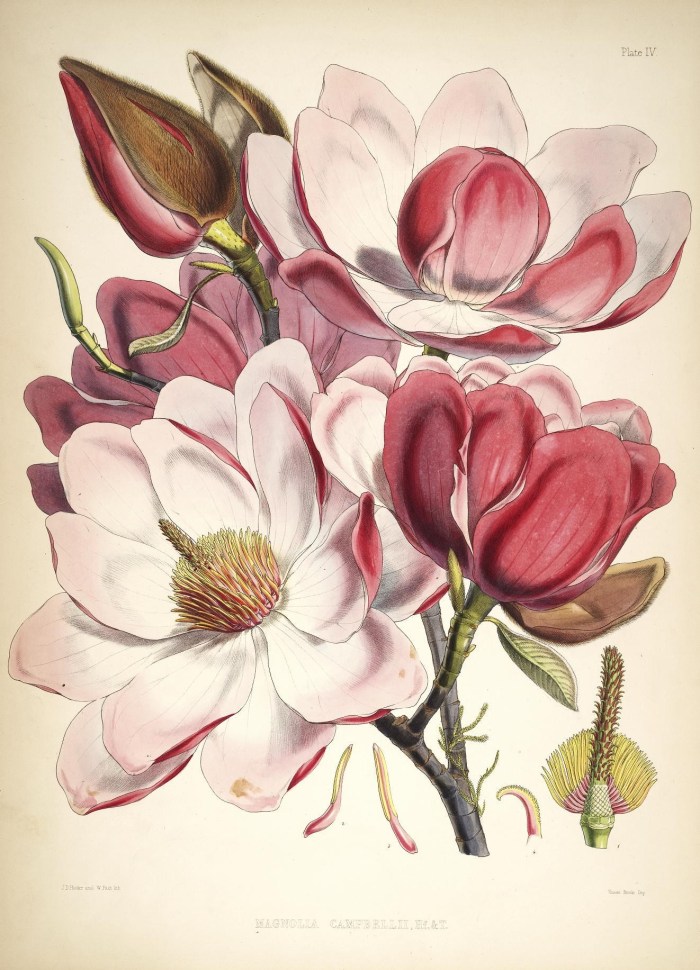
Saucer magnolia.

The pink blooms are just now
unfolding themselves,
shy hands giving up
on a prayer.

I tell my mother’s story,
how she called them tulip trees
until my sister bought a tulip tree
to plant in our yard,

its yellow blooms nothing
like these lush pinks and violets,
its leaves dancing, opened wide
as shaken kerchiefs.

My mother wasn’t thrilled
with being corrected.
It’s what we were taught,
was all she said.

But she wasn’t cruel, merely hurt,
like so many times in her life,
like the time we corrected her spelling
of forty, laughing at the unexpected “u.”

Then my teachers were wrong!
And we chuckled and agreed.
We were her children. We were tipsy
on our young wisdom.

I leave out the sadness
when I tell the story.
But it’s there. It tastes bitter,
like the black coffee

she made instant and drank
in chipped but dainty tea cups
as she stared out our kitchen windows
at the inscrutable forest.

.

.

About the Author: Jo Angela Edwins has published poems in various venues, recently including Amethyst ReviewBreakwater ReviewFeral, and Thimble Literary Magazine. Her chapbook Play was published in 2016. She has received awards from Winning Writers, Poetry Super Highway, and the SC Academy of Authors and is a Pushcart Prize, Forward Prize, and Bettering American Poetry nominee. She lives in Florence, SC, where she serves as the poet laureate of the Pee Dee region of the state.

.

Image Credit: Image from Illustrations of Himalayan plants: London : L. Reeve,1855. Courtesy of The Biodiversity Heritage Library
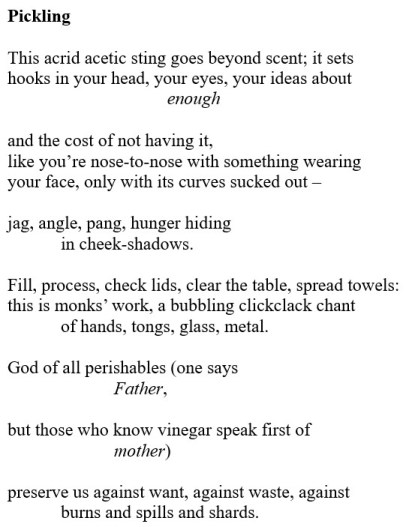
Steve BrisenDine: “Pickling”

.

.

.

.

.

About the Author: Steve Brisendine is a poet, writer, occasional artist and recovering journalist who lives and works in Mission, KS. His work has appeared in As It Ought To Be, Flint Hills Review, Connecticut River Review and other publications. His first collection of Poetry, The Words We Do Not Have, was published in 2021 by Spartan Press.

.

More By Steve Brisendine:

Working Out a Splinter at Three O’clock on Good Friday Afternoon

.

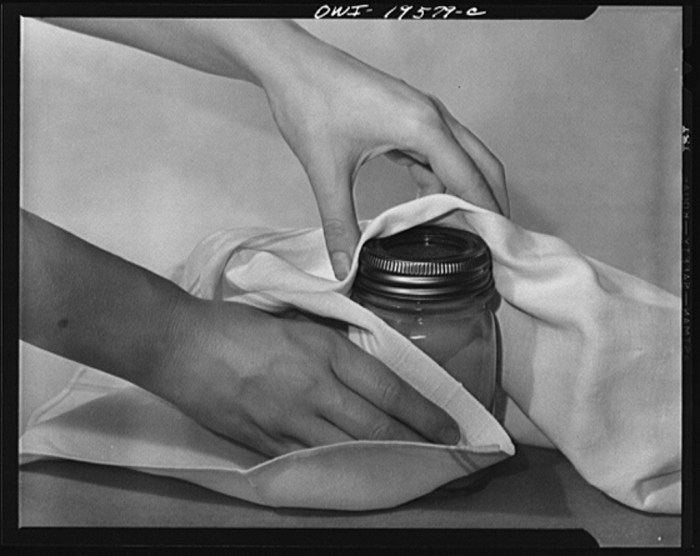
Image Credit: John Colier Jr. “Steel-saving glass-top jars recommended by the War Production Board, Containers Division” (1943) The Library of Congress

Victor Clevenger: “Contemporary Tanka”

.

.

.

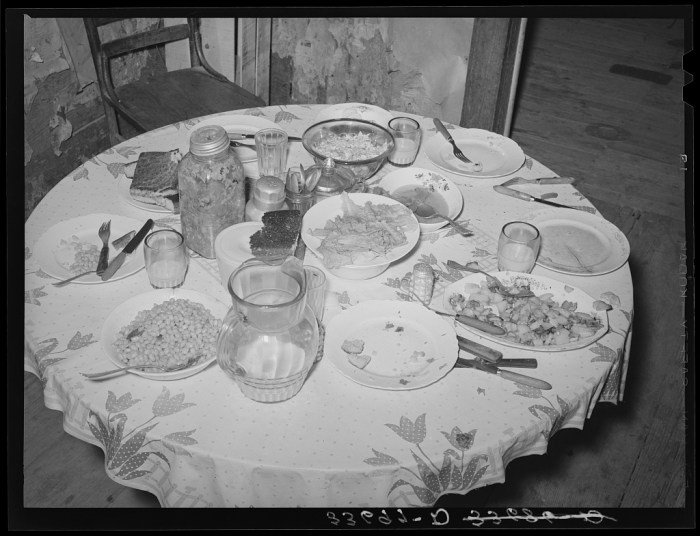
fried chicken bones
resting in empty gravy bowl
on kitchen table
my grandmother baked biscuits
for nearly sixty-six years


                shark tooth lady
                diving into shallows
                of teenage boy’s blue jeans
                & we always remember where we were
                during tragedies


natalie doesn’t know why
the milkman prefers
sharks over swans
holding kentucky sand
she blows kisses to what could have been


             glorify death
             cartoons have more today
             than a mortician’s memoir
             still in draft format scribbled
             all pages lead to the end

.

.

About the Author: Victor Clevenger spends his days in a Madhouse and his nights writing.  Selected pieces of his work have appeared in print magazines and journals around the world; it has also been nominated for the Best of the Net Anthology and the Pushcart Prize.  He is the author of several collections of poetry including Sandpaper Lovin’ (Crisis Chronicles Press, 2017), A Finger in the Hornets’ Nest (Red Flag Poetry, 2018), Corned Beef Hash By Candlelight (Luchador Press, 2019), A Wildflower In Blood (Roaring Junior Press, 2020), and Mourning Eyes (Between Shadows Press, 2021).  Together with American poet John Dorsey, they run River Dog. He can be reached at: crownofcrows@yahoo.com

.

More by Victor Clevenger:

$5.00 Wok

Milkman’s Mustache

Thursday Evening in September

.

Image Credit: Russell Lee “Dinner table of tenant farm family living near Sallisaw, Oklahoma. Food consists of beans, cornbread, lettuce, fried potatoes, fatback and gravy, cole slaw and sweet milk” (1939) The Library of Congress

Joe Milford: “After The Mermaids Are Gone”

.

20210403074113_IMG_1475

.

.

After The Mermaids Are Gone

The tin foil over the bowl holding
The cooling bacon grease
The child laughing at the TV
You checking your hair for split ends
On the couch with pillows everywhere
The moon and sun in the sky
At the same time
The whole apartment is just “breakfast”
The juniper tree in the backyard
Hanging and waiting for the night deer
The ivy on the windowsill—the books
Of poetry everywhere—the way
You keep obsessively checking your hair
The laughter again and my old tattered
Chair—the bottles you placed on the shelf
To separate each type of coin—
A barbecue sauce bottle for dimes, glass
Milk bottles for quarters and nickels, etc.
Everything in its place, but me still
Disheveled and so in love with
A home, a fragile thing, a thing that
Falls like rose buds if you look
At the flower wrong or try to pick
Or cut it for her while she
Plucks invisible roses from her hair

.

.

About the Author: Joseph V. Milford has been a full-time teacher of English and Creative Writing for over two decades now (currently teaching at U of West GA and UC West Virginia). He published his first collection of poems, Cracked Altimeter, with BlazeVox Press in 2010 and has another collection of poems, Tattered Scrolls And Postulates, Vol. I, from Backlash Press (2017). He edits an online literary thread, called RASPUTIN (http://rasputinpoetry.blogspot.com/) which publishes poetry exclusively. He is also the former host of the Joe Milford Poetry Show where he hosted 100’s of interviews with American and Canadian poets.

.

Image Credit: Chase Dimock “Blossoms in Arcadia” (2021)

Dan Overgaard: “Lift”

.

.

.

Lift

I hear some geese
way high above the house,
and take it as a signal I should
give the weeds a break,
straightening up to watch
their raucous progress
stitching across the sky.

It’s May and they’re heading north,
but their noisy vee seems like
the shake-down run of a new team—
exuberant and slightly ragged,
happily, loudly, running drills,
all that rah-rah energy of a new season.

The lead goose looks back over
his or her wing as if to yell
at the kids on the bus, and veers a little,
doing this. Her wobble’s copied precisely
all the way out the right side of the vee—
and last goose whipsaws, like the last kid
in a game of Crack the Whip.

According to the Scientific American,
scientists still do not agree on how to describe
the basic principles of lift, what keeps
planes in the air. If I spoke Goose I could help
them investigate, but I can see from here
it takes a lot of practice.

.

.

About the Author: Dan Overgaard was born and raised in Thailand. He attended Westmont College, dropped out, moved to Seattle, became a transit operator, then managed transit technology projects and programs. He’s now retired and catching up on reading. His poems have appeared in Santa Clara Review, Sparks of Calliope, Across The Margin, The Galway Review, Shark Reef, Willawaw Journal, As It Ought To Be Magazine, Canary Lit Mag, Allegro Poetry, Triggerfish Critical Review and other journals. Read more at: danovergaard.com.

.

More by Dan Overgaard:

Drifting Off

Donations

.

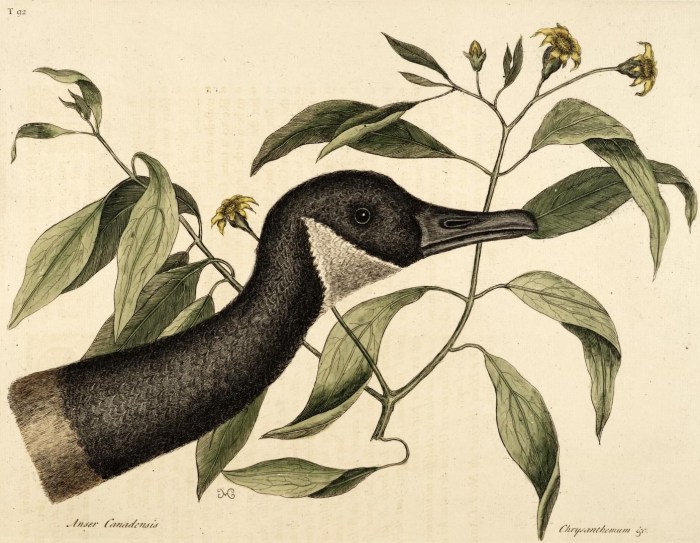
Image Credit: Digitally enhanced image from The natural history of Carolina, Florida, and the Bahama Islands:. London :printed for C. Marsh [etc.]1754. Courtesy of the Biodiversity Heritage Library.

Mike Cole: “Taken Up By Song”

.

100269ab

.

.

Taken Up By Song

You were singing
in your sleep,
and I chose not
to wake you.
It was the way a person sings
when she is wearing headphones
in the music department of the bookstore
and is taken up by a song.
It was the singing of a deaf woman
who is so happily carried off
by the rhythm she feels but will never hear
that one would never think of asking her to stop.
It was the singing of the spheres of space
that even in their discord suggest
places so distant and free of human grief
that they are populated by souls
that have traveled far enough
from what we are
to know
finally
          the most distilled peace.

.

.

About the Author: Mike Cole studied poetry at  Fresno State College (1967 to 1971) and received an MA in poetry writing in 1992. Over a sporadic 50-plus year publication history, his poems have appeared in Antioch Review, Laurel Review, Midland Review, Blast Furnace, diaphanous micro, Thin Air, and other magazines, and in the anthologies Highway 99, by Heyday Press and Some Yosemite Poets, by Scrub Jay Press.  He lives in the Sierra Nevada mountains near Yosemite National Park.

.

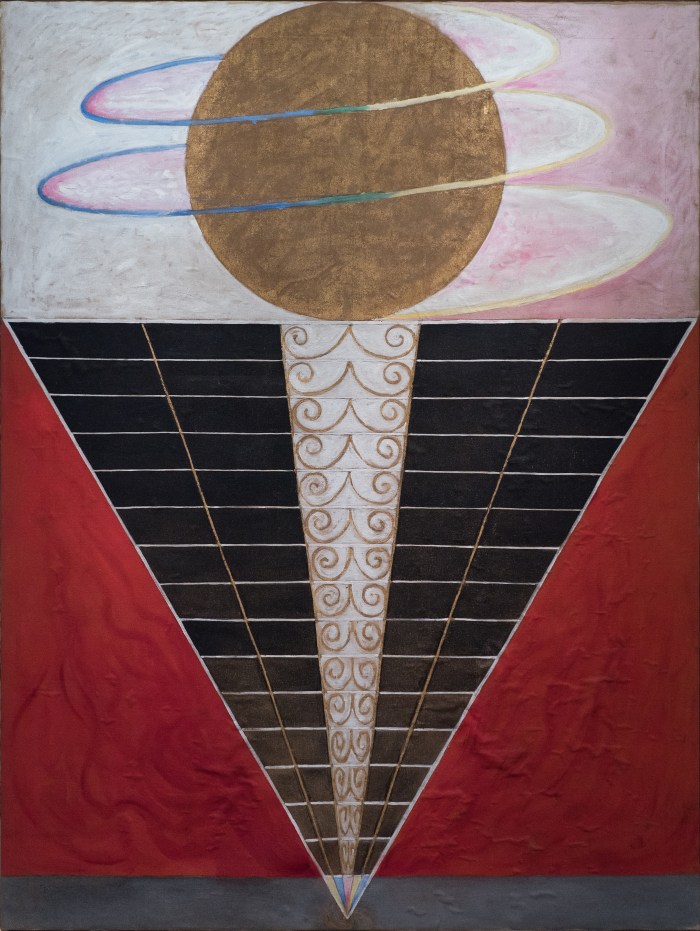
Image Credit: Hilma af Klint “Group X, No. 2, Altarpiece” (1915) Public Domain

Leslie Dianne: “Pumpkins”

.

service-pnp-highsm-19800-19805v

.

.

Pumpkins 

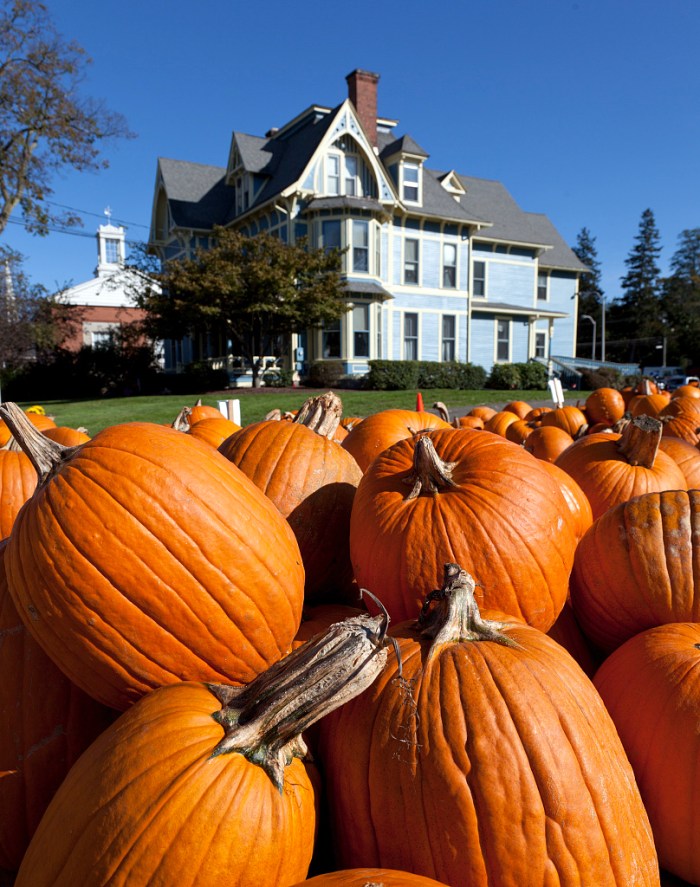
Let’s search for flawed
pumpkins this fall
go to the field
and find those
that rolled away
were pushed away
slid on the mud away
from their vines
let’s gather up the
shrunken ones
the shriveled up ones
the nobody will want them
ones and let’s want them
let’s give them some
reason for having broken
the soil, lost their flowers
sucked up the water
and fought to live
because if only for a minute
their orangeness
brightens the field
and our gloomy day
they’d teach us that
everything is useful
even the dying
fruit if it is
given a reason
to live

.

.

About the Author: Leslie Dianne is a poet, novelist, screenwriter, playwright and performer whose work has been acclaimed internationally in places such as the Harrogate Fringe Festival in Great Britain, The International Arts Festival in Tuscany, Italy and at La Mama in New York City. Her stage plays have been produced in NYC at The American Theater of Actors, The Raw Space, The Puerto Rican Traveling Theater and The Lamb’s Theater.  She holds a BA in French Literature from CUNY and her poems have appeared in The Lake, Ghost City Review, The Literary Yard, About Place Journal and Kairos and are forthcoming in Hawai’i Review. Her poetry was recently nominated for a Pushcart Prize.

.

Image Credit: Carol M. Highsmith “Pumpkin stand in Southington, Connecticut” (2011) The Library of Congress

John Dorsey: “Walt Disney and Richard Branson Will Meet Again at Freedom Mausoleum”

.

cropped

.

.

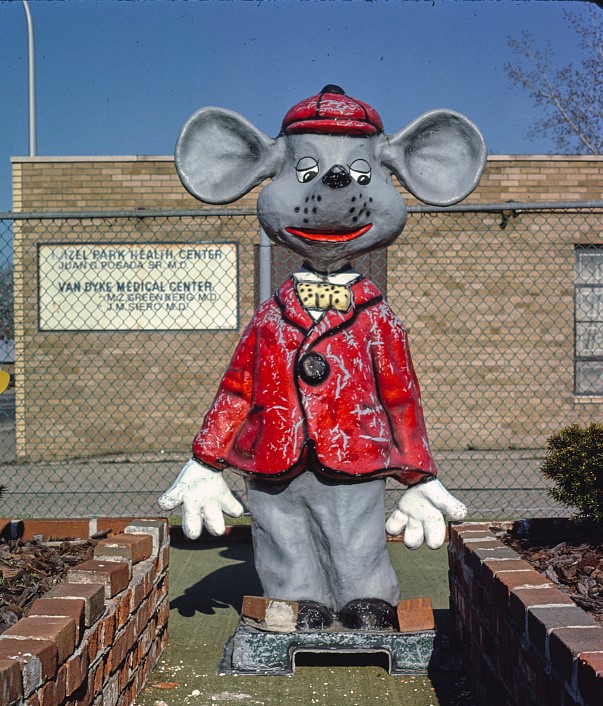
Walt Disney and Richard Branson Will Meet Again at Freedom Mausoleum

past lives are all we have here
the grass kept green for golf tees
& billionaires in a space race with mortality

smoke coming from burning buildings of the dead
& the stained glass ears of a technicolor mouse
who makes us all feel safe.

.

.

About the Author: John Dorsey lived for several years in Toledo, Ohio. He is the author of several collections of poetry, including Teaching the Dead to Sing: The Outlaw’s Prayer (Rose of Sharon Press, 2006), Sodomy is a City in New Jersey (American Mettle Books, 2010), Tombstone Factory, (Epic Rites Press, 2013), Appalachian Frankenstein (GTK Press, 2015) Being the Fire (Tangerine Press, 2016) and Shoot the Messenger (Red Flag Poetry, 2017),Your Daughter’s Country (Blue Horse Press, 2019), and Which Way to the River: Selected Poems 2016-2020 (OAC Books, 2020). His work has been nominated for the Pushcart Prize, Best of the Net, and the Stanley Hanks Memorial Poetry Prize. He was the winner of the 2019 Terri Award given out at the Poetry Rendezvous. He may be reached at archerevans@yahoo.com.

.

More By John Dorsey:

Anthony Bourdain Crosses the River of the Dead

Punk Rock at 45

Perpetual Motion

.

Image Credit: John Margolies “Mouse hole, Mauro’s mini golf, Hazel Park, Michigan” (1986) The Library of Congress

Paul Ilechko: “Five Fragments of a Narrative”

.

.

.

Five Fragments of a Narrative

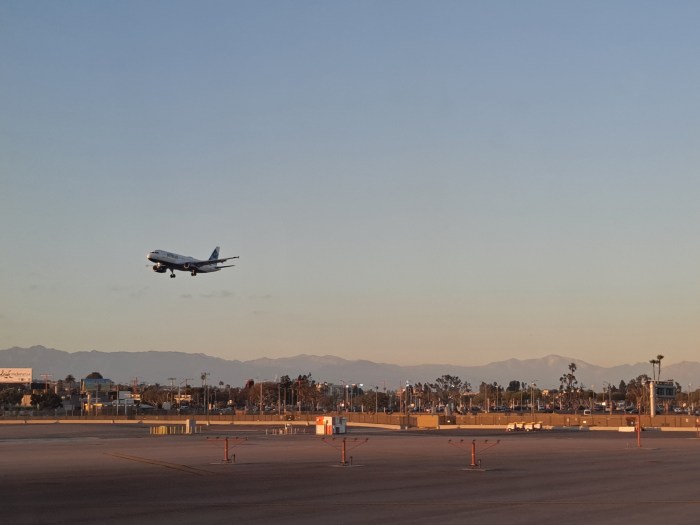
Arriving by plane
at a western airport     somewhere
below in that spreading purple

and orange wilderness     there are people
searching for whatever
it is that means freedom to them

*     *     *     *     *     *

sandstone being the inevitability
of erosion     an elementary
exchange from water to air

as the wings wobble very slightly
from side to side     a silent salute
to the vast expanse of mountain

*     *     *     *     *     *

the people of the desert follow
at a distance     their boots leaving
tracks in the tainted earth

above them     a sudden glint
of sunlight on metal     a quiet hum
and a flash that trails the range

*     *     *     *     *     *

tired passengers press their faces
to the glass     watching for a plane
that never arrives     the desert

burning red and gold beneath
a setting sun     the walkers holding
close to the memory of a shadow

*     *     *     *     *     *

in Black Diamond Bay     Dylan sings
of Walter Cronkite as a metaphor
for honesty     vestigial     as we

no longer have his equivalent
we must realize that the fate
of the plane may never be determined.

.

.

About the Author: Poet and songwriter Paul Ilechko is the author of three chapbooks, most recently “Pain Sections” (Alien Buddha Press). His work has appeared in a variety of journals, including The Night Heron Barks, Rogue Agent, Ethel, San Pedro River Review, Lullwater Review, and Book of Matches. He lives with his partner in Lambertville, NJ.

.

Image Credit: Chase Dimock “LAX At Sunset” (2021)

A Review of Escape Envy By Ace Boggess

.

57751186

.

Mike James Reviews

Escape Envy

By Ace Boggess

.

There are a few facts to consider in regards to Ace Boggess and his work. First fact: He spent five years in a West Virginia prison. This is a key part of his biography and a sometimes subject of his poems.  (Poets serving prison time is nothing new. For famous examples, go all the way back to Villon or look recently at Etheridge Knight. Place Oscar Wilde, sad, strong, and fabulous, somewhere in between.)

The second fact is more important than a prison time blip. Reality for Boggess exists as a subject for poetry. Poetry is how he processes the world. He writes about traffic jams and family visits, awful jobs and bad lunches, historical artifacts and growing old all with the same high level of empathy, skill, and interest. Any subject might be “inspirational / even when it’s cruel.”

In one poem, he writes, “I’m a failure & a god.” That duality is clear throughout this collection. His speakers are often conflicted and pockmarked with guilt as if each is a “visionary weighted down from years of longing.” They are neglectful adult children who visit their fathers “as though preparing / for the last distance to come.” They are adults who watch teenagers “providing new ways to curse & regret.”

The title links the entire collection. All of the speakers are trying to escape something. They are running from memories or from bad jobs. All want what they don’t possess. More than greed, gluttony, pride, or lust, the characters within these poems are all defined by envy. They map situations by absences rather than inclusions.

In what might be the best poem in the collection, “You Salvaged What Was Left of Me,” Boggess outlines a life in 29 perfectly measured lines. He begins with a great opening, “The year I stopped caring.” Then he adds details of place, but throws in humor along the way. He writes, “It got so bad I started reading Sartre for fun.” Line-by-line the poem surprises. The ending is not cheap, easy, or expected.

Throughout the collection, Boggess enthralls the reader with his confident mastery. He is like Merlin doing card tricks. Samuel Johnson said that although he loved poetry, he seldom read all the way to the end of a poem. These are poems Dr. Johnson would finish reading. They are skillful, heartfelt, and real.

.

Escape Envy by Ace Boggess
Brick Road Poetry Press, 2021
Poetry, $15.95

.

About the Author: Mike James makes his home outside Nashville, Tennessee. He has published in numerous magazines, large and small, throughout the country. His 18 poetry collections include: Leftover Distances (Luchador), Parades (Alien Buddha), Jumping Drawbridges in Technicolor (Blue Horse), and Crows in the Jukebox (Bottom Dog), He has received multiple Pushcart and Best of the Net nominations.

.

More Reviews by Mike James:

Mike James reviews Mingo Town & Memories by Larry Smith

Mike James reviews “Dead Letter Office: Selected Poems” By Marko Pogacar

Mike James reviews Beautiful Aliens: A Steve Abbott Reader and Have You Seen This Man? The Castro Poems of Karl Tierney