John Grochalski: “grape drink and snuff”


grape drink and snuff

once as a kid

i made jackson pollock 
splatters of purple chunks
on the hot pavement

i made getting sick an art

walking home in a daze
under the blistering sun

throwing up
throwing up

the latch key kid of the avant garde 

half a dozen cartons of grape juice
and a bottom lip full of mint-flavored snuff

for lunch

as the neighbor lady asked me if i was all right

and i wanted to tell her
that those free summer camp kids
who thought they had my fat boy number

those prince and princesses
of this tin-shack suburb

could never tell me that i wasn’t solid
that i didn’t live up to my potential

that i was art
as royal as they came

but instead
i spewed up my genius
in violet hues

all over the concrete again.


About the Author: John Grochalski is the author of the poetry collections, The Noose Doesn’t Get Any Looser After You Punch Out (Six Gallery Press 2008), Glass City (Low Ghost Press, 2010), In The Year of Everything Dying (Camel Saloon, 2012), Starting with the Last Name Grochalski (Coleridge Street Books, 2014), and The Philosopher’s Ship (Alien Buddha Press, 2018). He is also the author of the novels, The Librarian (Six Gallery Press 2013), and Wine Clerk (Six Gallery Press 2016).  Grochalski currently lives in Brooklyn, New York, in the part that voted for Trump, so may God have mercy on his soul.


More by John Grochalski:

“to abby wherever you are”


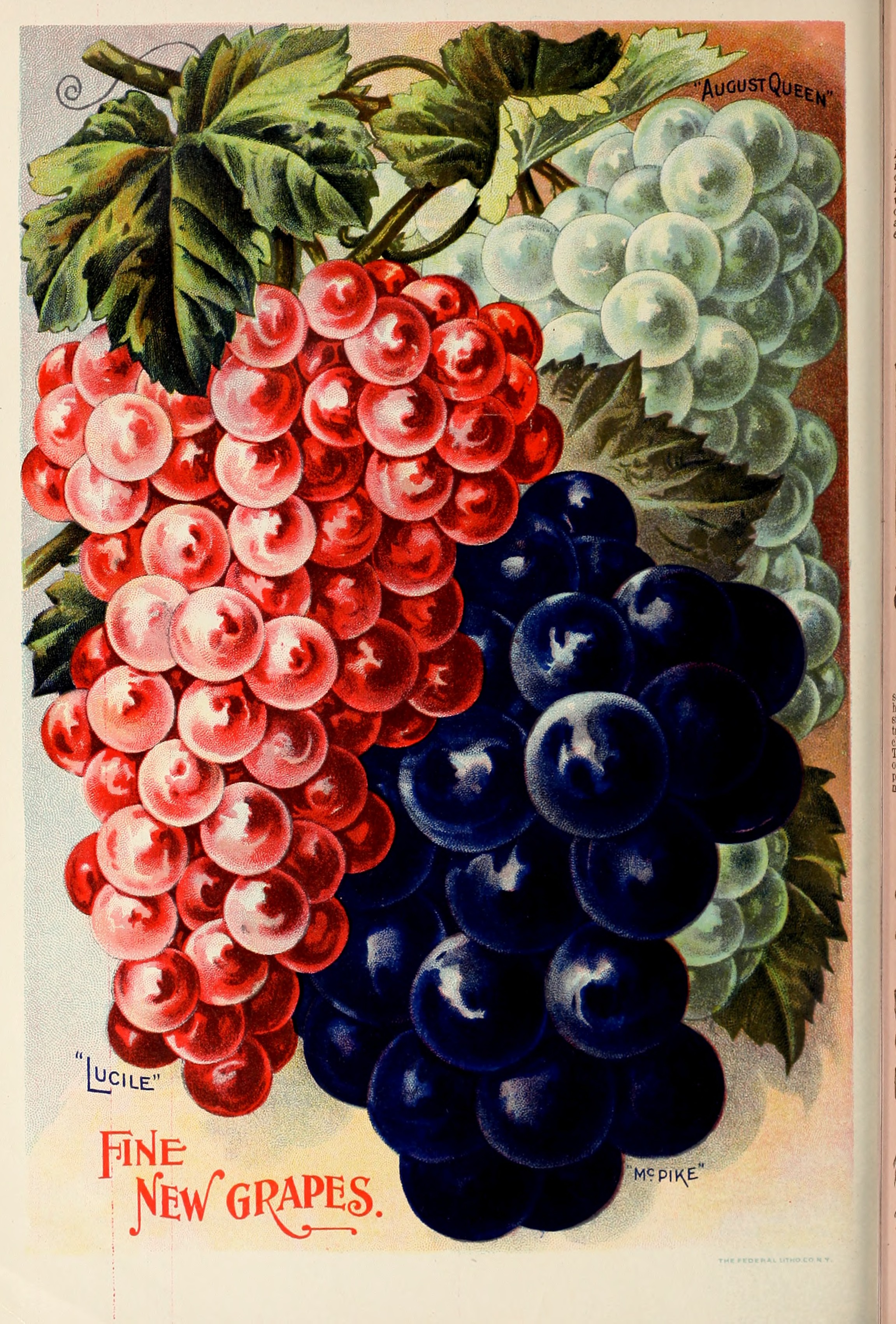
Image Credit: “Childs’ rare flowers, vegetables, & fruits” (1902) Public Domain

Martina Reisz Newberry: “74th BIRTHDAY”


74th BIRTHDAY 

This was the birthday I began to clean out, examine, scan,
re-read. Each place I looked were those “what if” items:
What if the boys were to come for a visit? What if
daughter and hus- band should want to stop in? What if
in-laws or old friends or new friends should come to call?
These red dessert plates might come in handy then. This
marked- up book of recipes might be something my
daughter might treasure (though she’s not asked for it).
This wooden tray can hold 5 tall glasses of iced tea or
soda even if it is a bit scraped up. This old drawing by my
college roommatea drawing 56 years oldand the frame
still is good, still sturdy, though the drawing looks nothing
like me anymore. I thought I’d thrown out the meat patty
maker when we stopped eating meat, but here it is, faded
plastic taking up space and maybe the neighbor (who only
eats fast food) would like it. Birthday done. The box I
brought up from the basement is so full I can barely lift it.
I put the lid on and, through small holes and dings, the
foxfire, the glint, the flare of wealth that never was shows
through.


About the Author: Martina Reisz Newberry’s newest collection, Blues for French Roast with Chicory is due for publication from Deerbrook Editions in late fall, 2019. Her latest book is: Never Completely Awake (Available from Deerbrook Editions). Her work has been widely published in the U.S. and abroad. She lives in Los Angeles with her husband, Brian Newberry, a Media Creative.


More By Martina Reisz Newberry:

Venerating the Transitory

Dietmar and I Talk of Angels


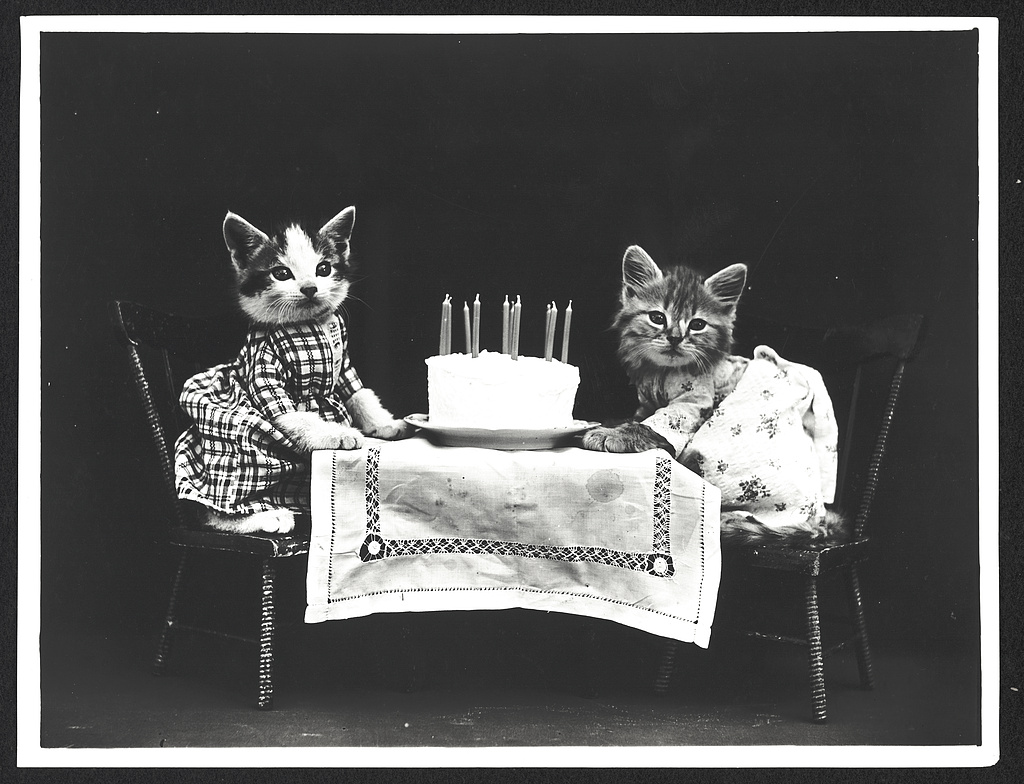
Image Credit: Harry Whittier Frees “The birthday cake” (1914) The Library of Congress

Kevin Ridgeway: “Son of the Late Bloomer Bandit”


Son of the Late Bloomer Bandit

The cops raided our house
and my parents were both taken 
to jail.  I had no choice but to 
identify my father 
in surveillance videos.
I was subpoenaed 
by the district attorney.  
I sat in the echoing marble halls
of the courthouse 
across from the young bank tellers 
he terrorized, both of them girls 
my age who glared at me 
when they recognized 
his sinister face in mine. 
My testimony helped
send my father to prison 
for the rest of his life.
It’s been ten years 
and now my mother 
is dead and no longer held 
captive in the epic misery, 
of his fiendish lifelong search
for a chemical escape.
He said heroin made him 
closer and unafraid of death, 
numb to his own doom.  
They announced his 
life sentence on the front page
of the local newspaper, my 
name was never mentioned.
They did not want to believe 
he had a son who 
was more dangerous 
to them with deep wounds 
gone unhealed.  I will kidnap 
their fathers if I ever decide 
to return to claim 
what they all robbed 
from me.  I will be 
reunited with 
my father in prison, 
where we will start 
a massive riot to burn 
the walls down,  He 
and I will escape from 
the smoking rubble
back into a world 
where people tried
to throw us all away.


About the Author: Kevin Ridgeway is the author of Too Young to Know (Stubborn Mule Press). Recent work has appeared in Slipstream, Chiron Review, Nerve Cowboy, Main Street Rag, Cultural Weekly, Gasconade Review, The American Journal of Poetry and So it Goes:  The Literary Journal of the Kurt Vonnegut Memorial Library, among others.  A Pushcart Prize and Best of the Net nominee, he lives and writes in Long Beach, CA.


More By Kevin Ridgeway:

Fake Dad

500 Channels and Nothing On

Sally with the Accent

Good Timing


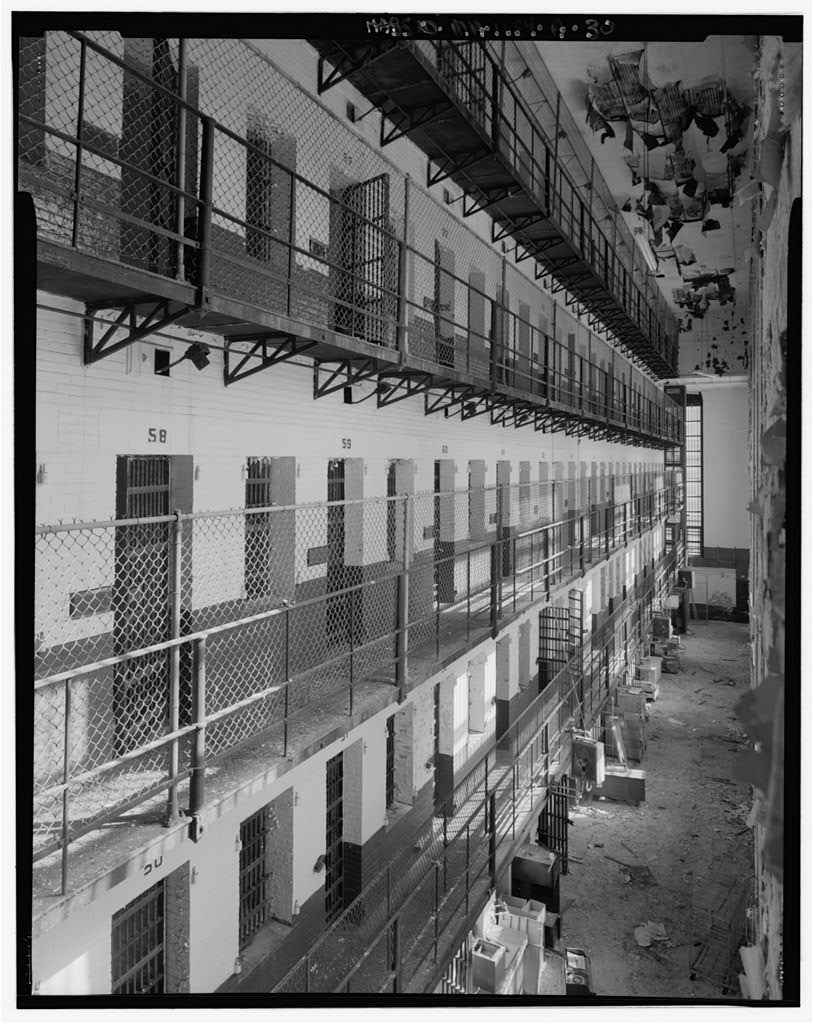
Image Credit: Charles Street Jail Complex, Jail, 215 Charles Street, Boston, Suffolk County, MA. The Library of Congress

Connor Stratman: “A Drunk”


A Drunk 

I rip the basket from the lamp
and hope with the sheer force
of a tree in a tornado that you’ll
see something salvageable in the flame.
It’s been the same wick for a decade
and in that time I’ve played the game
of waving rapidly my hand over
the sparks, tempting extinction. 
At 28, I sawed the lampstand
in half and sold it in parts. 
I convinced people they needed them,
these possessions of mine, which were sacred
because I’d touched them. The profits were swallowed
and I found myself in a ghost town, thinking
I was a tourist of the living, while it was the living
touring the dead man who knew not how he came there.


About the Author: Connor Stratman lives in Dallas, TX. His books and chapbooks include Some Were Awake (plumberries, 2011), Volcano (2011/2017, Writing Knights), and An Early Scratch (Erbacce, 2010). His work has appeared in journals such as Ditch, Counterexample Poetics, Earl of Plaid, Etcetera, Backlash, Moria, Dead Snakes, and Otoliths.


More By Connor Stratman:

“Doug At My Age”


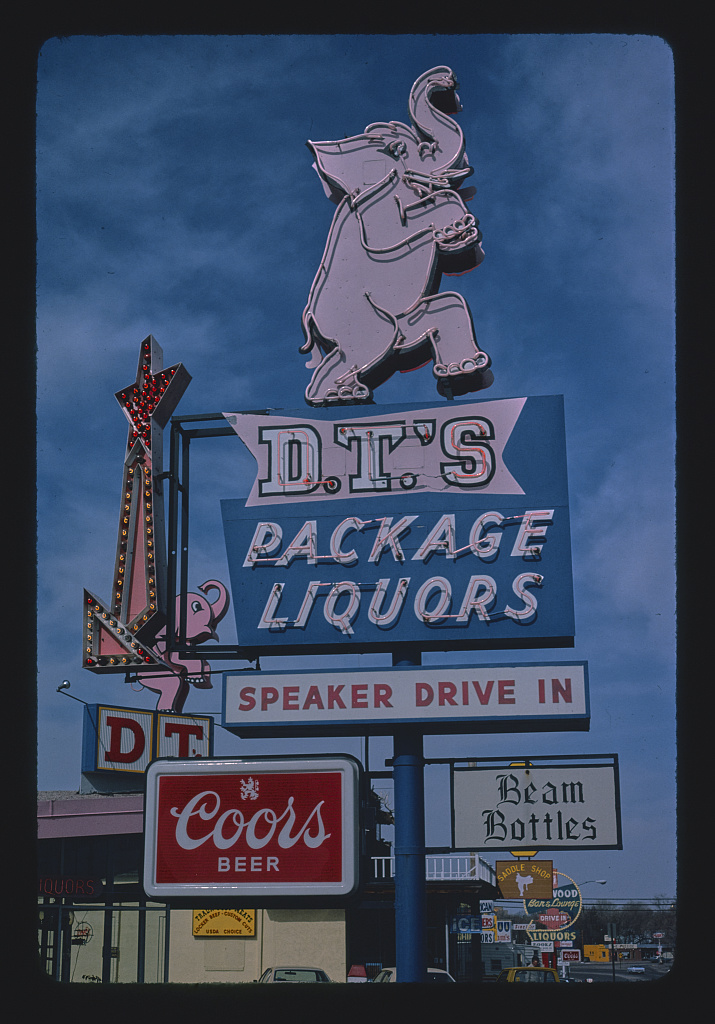
Image Credit: John Margolies “D.T.’s Liquor sign, Cheyenne, Wyoming” (1980) The Library of Congress

Larry Smith: “The Story of Stones”


The Story of Stones

They lie along the pond’s edge
refusing to nestle or speak.
Their acceptance is to sun and moon
all types of weather.

Sometimes a kid comes
and casts them out yelling wildly,
another gathers them up 
and scurries them home. 

And sometimes a father 
tries to name them
pointing to their faces and bodies,
but kids ignore this
and hold the stone up close,
its surface touching skin
to hear their real names,

Later they place them by their bed
to dream upon—
stones that break open into crystal,
stones that shed a white milk,
stones with stone hearts,
stones to swallow as candy. 

Days and nights, weeks and months, 
until a mother gathers them up
and throws them out into the yard.
Under sun and moon again, 
they are kissed by weather.


About the Author: Larry Smith is a poet, fiction writer, and editor-publisher of Bottom Dog Press in Ohio where they feature a Working Lives and an Appalachian Writing Series. He is also the biographer of Kenneth Patchen and Lawrence Ferlinghetti. He lives in Huron, Ohio, along the shores of Lake Erie.


More By Larry Smith:

Forget Math and Science

Wages

No Walls


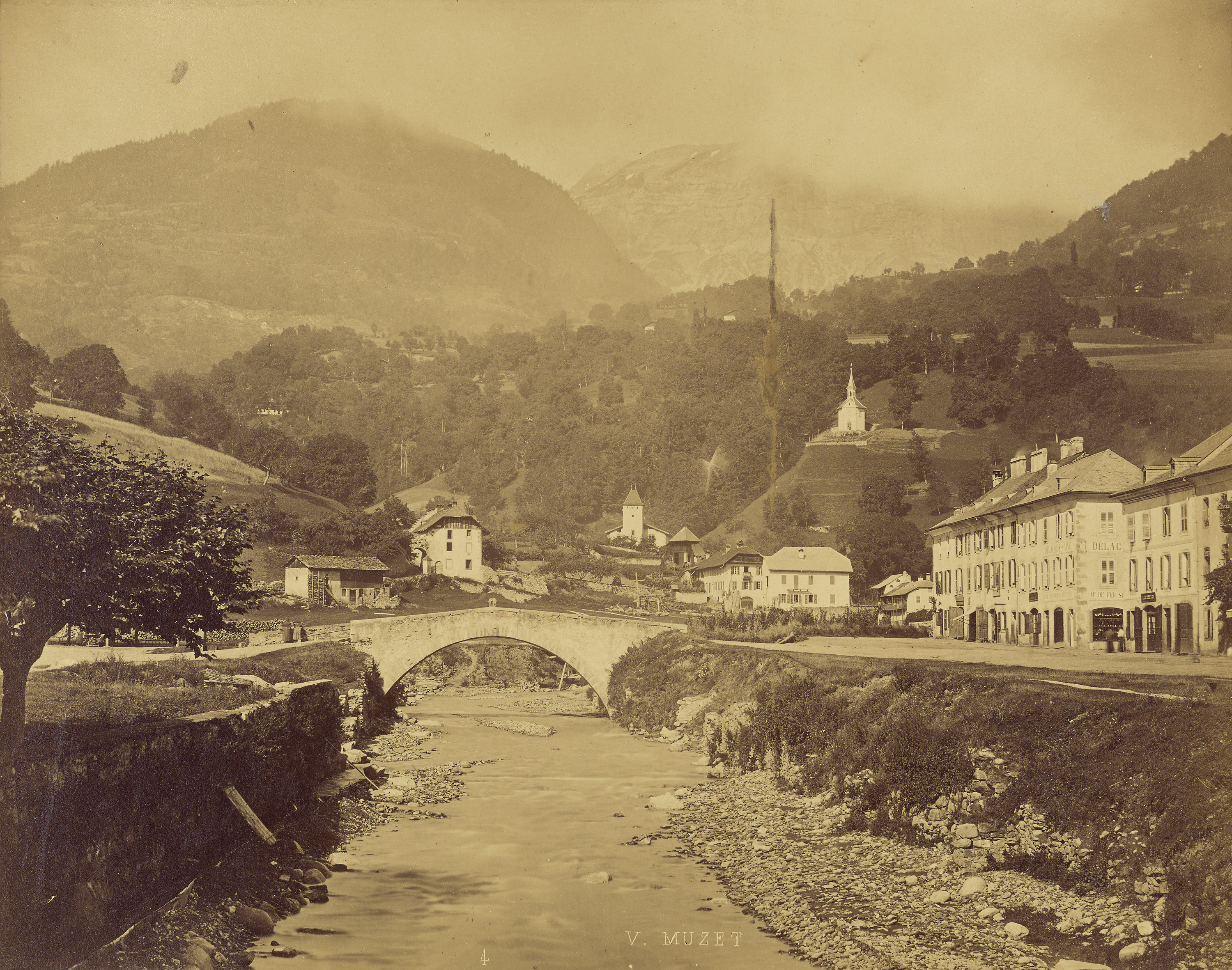
Image Credit: “Pont de Sallanches” V. Muzet (1860s) Digital image courtesy of the Getty’s Open Content Program.


Richard Houff: “Naked Machines”


Naked Machines

And here we go again
Sliding toward home
And no this isn’t baseball
It’s just something you have to do
Like the time I went for a ride
On the Illinois Central deep into
Mississippi and the bulls spotted me
Alongside ancient track with nowhere
To run and baby has the blues
Because there’s no way out
Until Mr. Man says okay
The rest being irrelevant like history books
As if we really didn’t know the score
When it all comes down to ticket voids world
In afterward thoughts always blank
And silence from those who didn’t make it


About the Author: Richard D. Houff edited Heeltap Magazine and Pariah Press Books from 1986 to 2010. He is also a journalist that’s comfortable in writing both poetry and prose. His work has been published in Academic and Arts Review, Brooklyn Review, Chiron Review, Louisiana Review, Midwest Quarterly, North American Review, Parnassus, Rattle, San Fernando Quarterly, and many other fine magazines.


Image Credit: Carol M. Highsmith “Just a smidge of the more than 1,400 washing machines and wash products on display at Lee Maxwell’s Washing Machine Museum in little Eaton, Colorado. Newly retired, Mr. Maxwell had no hobby, and, on a cross-country trip, he and his wife saw an old washer for sale one day. The rest, as they say, is history — to the tune of assembling the world-record number of sudsers.” The Library of Congress

William Doreski: “Remind Me What We Believe”


Remind Me What We Believe

Last night, rain bruised so deeply
I arose with handfuls of blood
as if I’d been finger-painting
in every ghastly autumn color.
You want to inspect the basement
for leaks and weeping, but the pumps

stand silent in their sump holes.
You remind me that years ago
I dedicated mornings to writing
the unwritable tale of my life,
but now I waste the smoky dawns
parsing otherworldly topics.

Once I thought I would shape myself
after a famous Cezanne still-life.
But now I resemble a brushstroke
rendered offhand by Franz Kline.
Doesn’t matter to the sopping world
adrift at the kitchen window. 

Doesn’t matter to the cat who died
last week after sitting in my lap
for three hours watching chipmunks
upholster their larders for winter.
I miss his smooth black contours
sculpted to cuddle against me.

The rain was his memorial.
You agree that his little spirit
likely danced the dark rain dance
all night as we lay in the filth
of the Anthropocene, a place
only nonbelievers would love.

Please remind me what we believe
before more rain billows over
places we though we understood—
wooden houses, low rounded hills,
and a tremble of apprehension
when gray lichened boulders crack.


About the Author: William Doreski has published three critical studies and several collections of poetry. His poetry, essays, fiction, and reviews have appeared in many print and online journals. He has taught writing and literature at Emerson, Goddard, Boston University, and Keene State College. His most recent books are A Black River, A Dark Fall and Train to Providence. He has a blog at williamdoreski.blogspot.com.


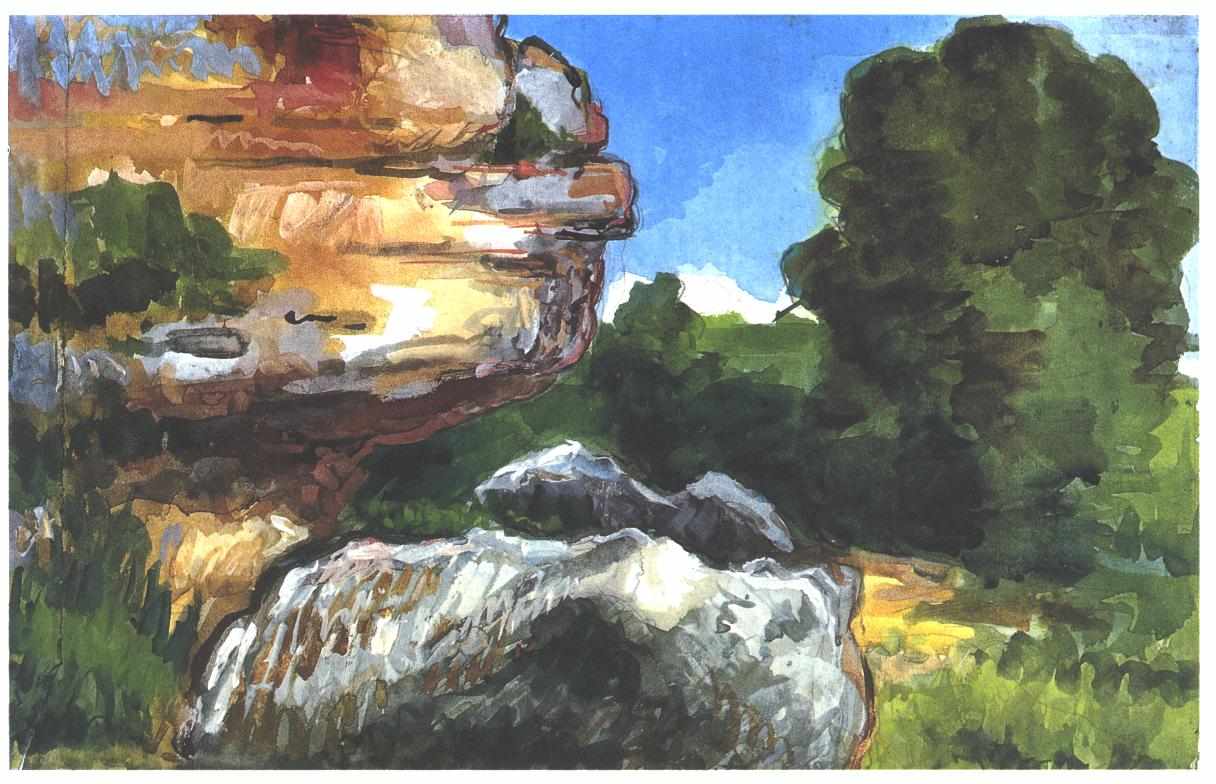
Image Credit: Paul Cézanne “Rochers” Public Domain

Jeffrey Betcher: “Kezar Pavilion”


This is the third in a series of posts remembering the work of poet and activist Jeffrey Betcher (1960-2017)

Preface: Left “believing in the pack mentality of strays,” the poetry of Jeffrey Betcher speaks from the entire collective of American queer stray culture, that very lost-and-found narrative of reinvention on the docks of survival. These docks, being the green-heeled sanctuary of San Francisco from 1986-2016, these docks gave birth to an examination and liberation of meaning, as wildly honest and true-to-mirror as every queer breath weʼve danced. From this collection of Jeffrey Betcherʼs poems, “The Fucking Seasons, Selected Poems 1986 to 2016,” we hear the journeys into witness, touch the lips of knowing “love has been here. Hungry footsteps, breath released, and touch can change the land forever.” A San Franciscan born of rural Ohio, Jeffrey Betcherʼs poetry informs the landscape of nature, saying simply, “Iʼm a witness. Love has been here.”

– Toussaint St. Negritude,
Poet, bass clarinetist, composer


Kezar Pavilion

Built for the ghosts of Manifest Destiny at the
Edge of everything … land … days …
Illusion … is Kezar, barnacled when divinity
Stalled and spun to begin the work of an
American Century. From redwood and spunk and
Clay with solid plans, tradesmen
Square-walled confusion, roofed the games their
Children played, plied the fray of a
Westward dream with stitches of structure, then
Clapped red haunch-shaped clouds of
Terra-cotta dust from sturdy britches.

Kick the tires on Kezar today, and
Kezar might kick back. The dizziness of
Migrants whirling to the Pacific is ecstasy
Recalled by Roller Derby Bombers, pagans
Spiraling in winter and tween-teens lobbing
Hormones at hoops. And here and there are the
Undead offspring of Jerry Garcia who
Dig what is buried beneath Kezar’s hull, then
Conjure from the sidewalk what just might rise.

-January 2014, San Francisco


(C) 2017 Jeffrey L. Betcher Living Trust


About the Author: Jeffrey Betcher donned many hats over more than 30 years in San Francisco, yet maintained an integrity of purpose. A writer, an educator, an advocate for the prevention of violence against women and children, and a grassroots community organizer, he gained national attention as a leader in the “guerrilla gardening” movement, helping transform his crime-ridden street in the Bayview neighborhood into an urban oasis. His intimate poetry was also cultivated over the decades, exploring survival and engagement, and the labyrinth of the heart. Though he dodged the HIV bullet in the plague-torn years, a terminal bout of cancer cut his life short in 2017. In addition to his chapbook of Selected Poems (1986-2016), he completed an epic sonnet, Whistling Through, an odyssey into the cancer machine and death itself


More By Jeffrey Betcher:

Dear Allen Ginsberg

Billy Dew Meadow


Image Credit: Jet Lowe “DETAIL VIEW OF CABLE IN SAN FRANCISCO ANCHORAGE – San Francisco Oakland Bay Bridge, Spanning San Francisco Bay, San Francisco, San Francisco County, CA” (1985) The Library of Congress
Jason Baldinger: “blind into leaving”


blind into leaving

I’m drinking beer
in a bourbon town again
the waitress raised eyebrows
suspicious, I lock eyes
on an alligator and a shark

the beltways of Kentucky
are kind, no stress, no trucks
no cops. set the cruise
just north of 80, miles
dissolve easy, still
if I dive into bourbon
now, I’ll be slobbering
in moments, there’s
somethings you can’t
drink away

guitar player works
Statesboro Blues
more Allmann than McTell
the sunset was rosewater
in the rearview tonight
I wanted to hold my breath

waitress wants to know
if I need another
I need an I.V
she sees it, tells me
these are good people

it took three tries
to get a room
the lobby was full bloom
Kentucky, every toilet
full of shit. the waitress
brings me a third
she’s been monitoring

I down it one magic swallow
broke down engine
guzzles gasoline
wizard guitarist is on
fingerstyle Sweet Leaf
I tip as I walk blind into leaving


About the Author: Jason Baldinger is a poet from Pittsburgh, Pennsylvania.  He was recently a Writer in Residence at Osage Arts Community, and is founder and co-director of The Bridge Series. He has multiple books available including the soon to be released The Better Angels of our Nature (Kung Fu Treachery) and the split books The Ugly Side of the Lake with John Dorsey (Night Ballet Press) as well as Little Fires Hiding with James Benger (Kung Fu Treachery Press). His work has been published widely in print journals and online. You can listen to him read his work on Bandcamp on lps by the bands Theremonster and The Gotobeds.


More by Jason Baldinger:

“I forgot the earth and heaven”

“When Cancer Come to Evansville, Indiana”


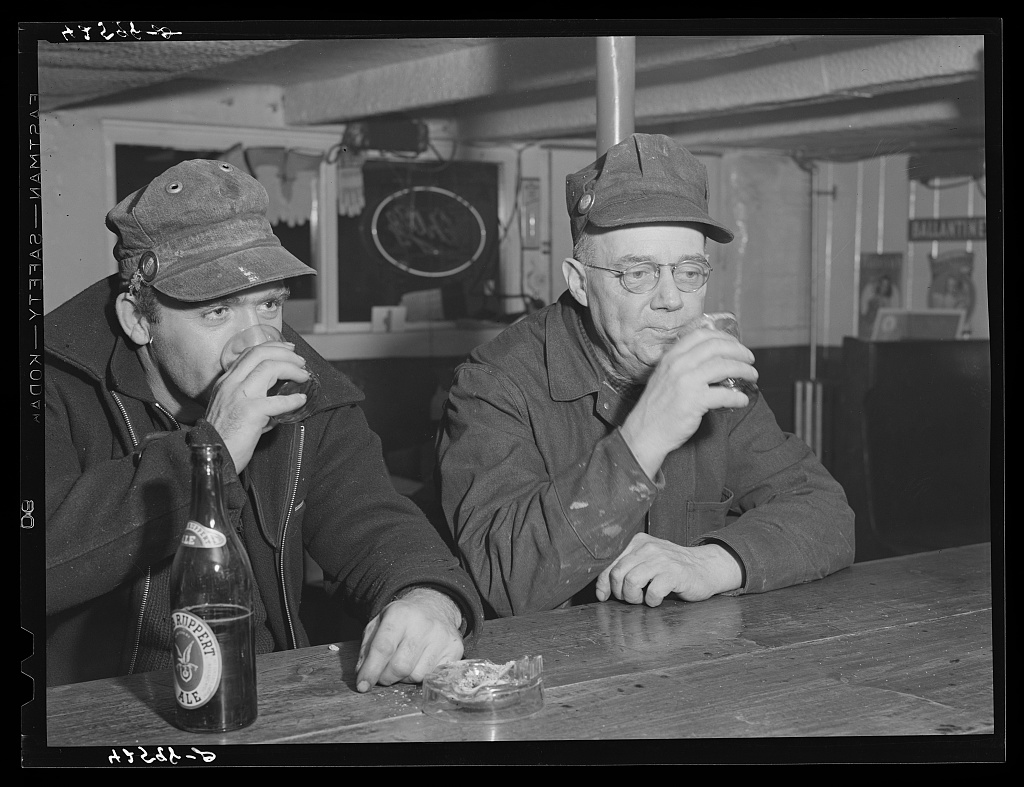
Photo Credit: Jack Delano “Shipyard workers stop in for a “beer” after work. In a bar just outside the Bath Iron Works. Bath, Maine” (1940) The Library of Congress

Agnes Vojta: “Vineyard in Dresden”


Vineyard in Dresden

The path between the ivied walls
is paved in standstone. Grass
grows from the cracks. I follow
the trails of childhood. 

The cobwebbed door
has not been opened in a long time,
but someone cleared the steps
leading to it. I climb 

the stairs into the vineyards, 
breathe history, mine and the land’s. 
Lush and green, the grapes 
promise a rich harvest. 

Below, the river sings a love song 
to the city that is no longer mine.
Eighteen years change
a person and a place.

Not even the trees
are the same; the drought
felled the old oak in the clearing
we called the witches’ dance hall.

But the hills and the river
are still there, and dearer
to me than the castles
and cathedrals that lure the tourists.

And the summer light 
through the maples remains 
unchanged, as all else 
grows old and distant.


About the Author: Agnes Vojta grew up in Germany and now lives in Rolla, Missouri where she teaches physics at Missouri S&T. She is the author of Porous Land (Spartan Press, 2019). Her poems recently appeared in Red River Review, Minute Magazine, Nixes Mate Review, The Blue Nib, As It Ought To Be Magazine, Former People, Thimble Literary Magazine, and elsewhere.


More By Agnes Vojta:

And on the Seventh Day

Flotsam


Image Credit: Eugène Atget “The Old Château, Sceaux” (1923) Digital image courtesy of the Getty’s Open Content Program.