Purple Cabbage


Glossy sapphire
garlic powder, cider vinegar,
apple, caraway
a quantity of soy
just shy of detectable
I’m a bachelor and have
always been one
even as a little boy
I had a black beard, a suitcase
and a lonely heart
but my mother did make
cabbage with caraway and apple
so I have a taste for it
I sit at my small table
with my potful
of Eastern European history
and eat my fill
wondering what else
I might be filled with
had things
turned out different.
About the Author: Jon Bennett writes and plays music in San Francisco, CA. You can find his songs on most streaming sites as well as here and here.
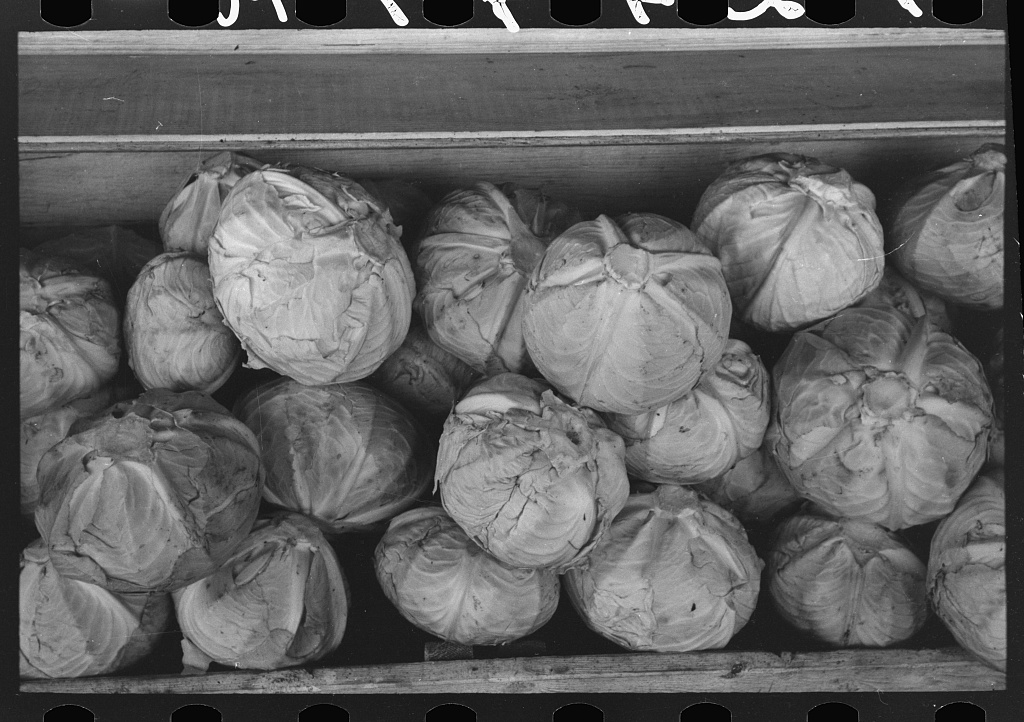
Image Credit: Russell Lee “Cabbages at roadside stand near Greenfield, Massachusetts” (1939) Public domain image courtesy of the Library of Congress
Age of Isolation

So many shops downtown are closed.
The liquor stores are still there of course,

but maybe every third store has been
boarded up since the pandemic started,

knocked out like teeth on a fighter’s mouth.
Bookstores gone, coffee shops too.

The place where you used to go to buy
records gone, but you suppose that

would be abandoned anyway
like the video game arcade you loved

before you discovered girls.
You wonder if this is the way of things,

the turning of an age as the world moves
on to a new way of being alive.

It feels like that summer day twenty
years ago, where you were at the park,

but realized that kids didn’t go there any more.
It’s like those first days of COVID

when you looked out your door
and understood that you could have

a picnic on the highway,
and not a single person would care.
About the Author: John Brantingham was Sequoia and Kings Canyon National Parks’ first poet laureate. His work has been featured in hundreds of magazines. He has twenty-one books of poetry, memoir, and fiction includinghis latest, Life: Orange to Pear (Bamboo Dart Press) and Kitkitdizzi (Bamboo Dart Press). He lives in Jamestown, New York.
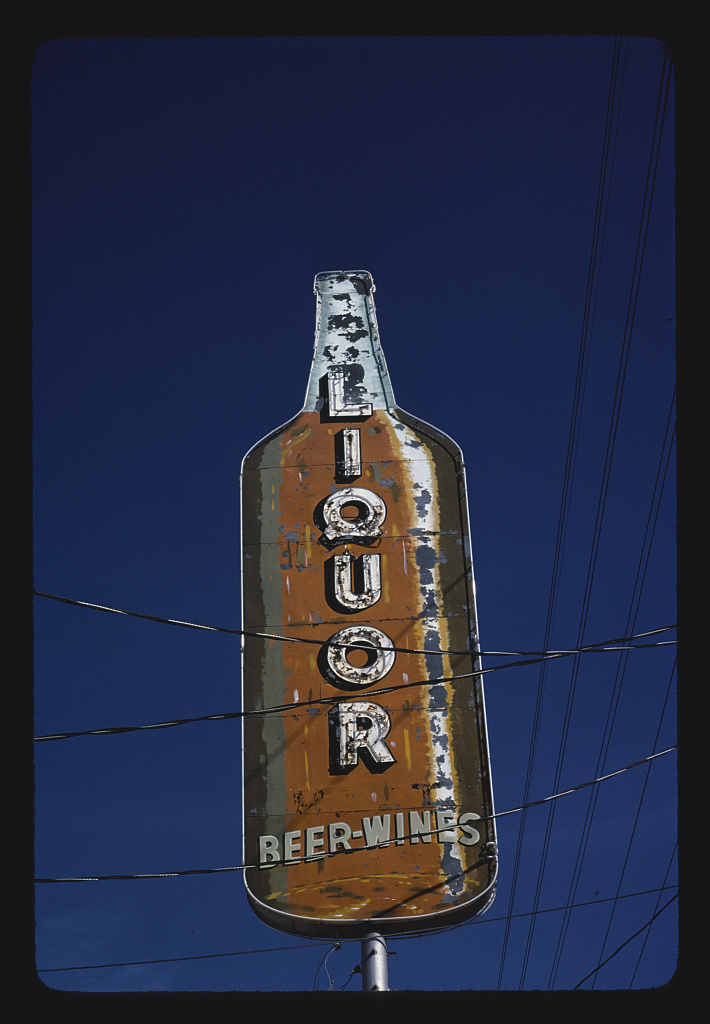
Image Credit: John Margolies “Liquor store sign, Bossier City, Louisiana” (1979) Public domain image courtesy of The Library of Congress
If I ever have a daughter

We will sit by her bed at night
Sing a song that we co-write
–These are my arms
They are good arms
I use them to (fill in the blank)–
We will roadtrip through our bodies
Drift around ankles
Hug tightly to curves
Slow down over bumps and ridges
Name them and be not afraid of ourselves

I have never seen my mother’s stomach
But if it’s anything like the top of her shoulders
It’s a galaxy of freckles
8-children’s worth of ribbon curl folds and
Hills and valleys and deep veins of ore that we were forged from
Carried within like we were on her starry-sloped shoulders
A home before we knew that her hands would not always be ours

If I ever have a daughter
I will pull my shirt up every night
We will count the stretch marks
I will let her drive her hot wheels
Down the scars that made her
And the ones that were there
before she came

–This is my belly
It is a good belly
I use it to carry you always–
About the Author: Savannah Lauren is a poet and photographer living in Bushwick, Brooklyn, New York. The Bushwick part is very important to her, as are her small fox-dog, Morello, Vietnamese summer rolls, and the way the sun hits her disco ball in the winter. You can find her on twitter @sava_laur and on instagram @savannahlaurenphoto
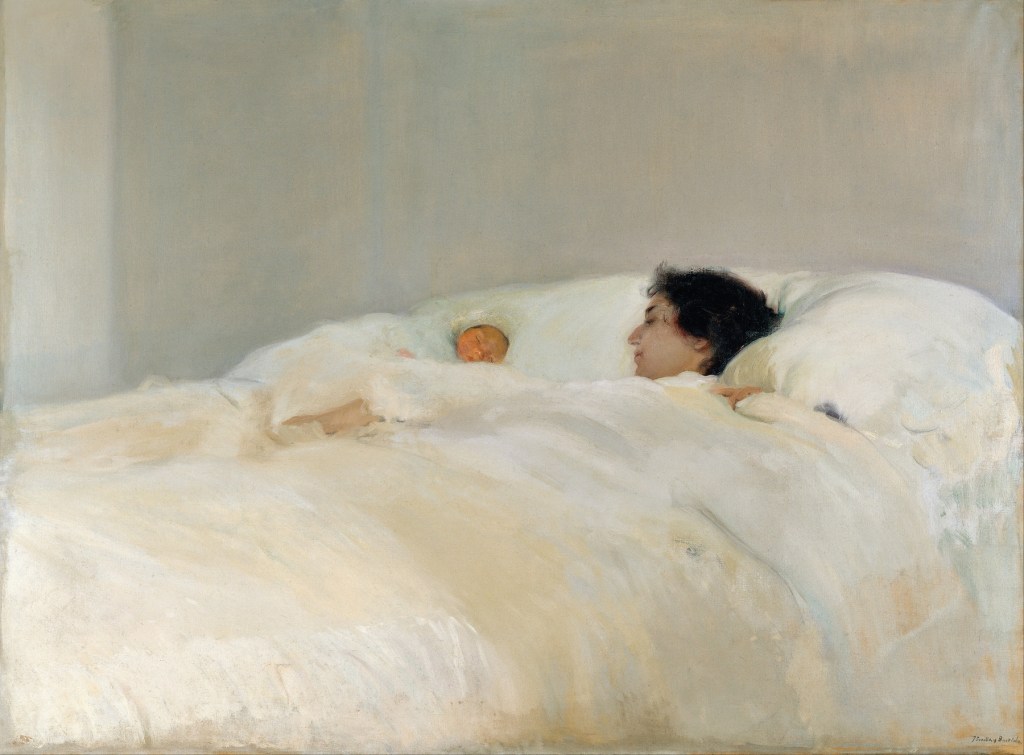
Image Credit:Joaquín Sorolla “Mother” (1895) Public domain image courtesy of Artvee
Poem for Tohm Bakelas

you are an old soul
with a heart full of stencils
with love mimeographed inside your chest
a born reader
a black rabbit trapped in a dusty shed
with empty cigarette cartons
& forgotten words of wisdom
hidden away in a field in new jersey
or some ohio trailer park filled with myth
your laugh is warhol’s never ending telephone
a collect call into the past
they don’t make them like you anymore brother
they never did.
About the Author: John Dorsey is the former poet laureate of Belle, Missouri and the author of Pocatello Wildflower. He may be reached at archerevans@yahoo.com.
.
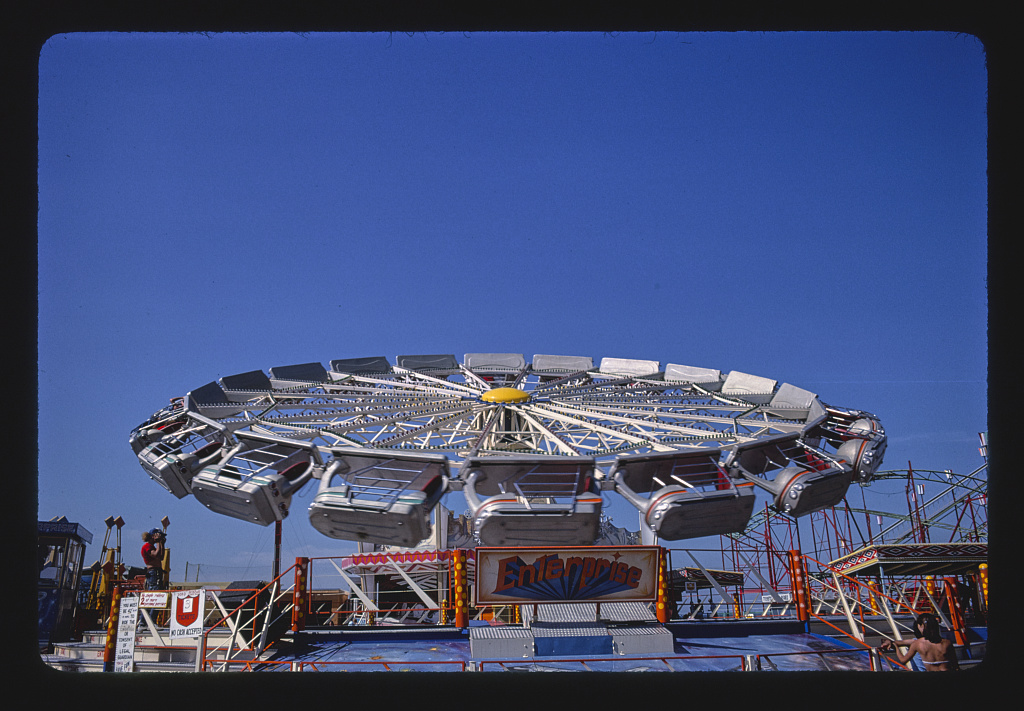
Image Credit: John Margolies “Enterprise, Seaside Heights, New Jersey” (1978) Public domain image courtesy of the Library of Congress
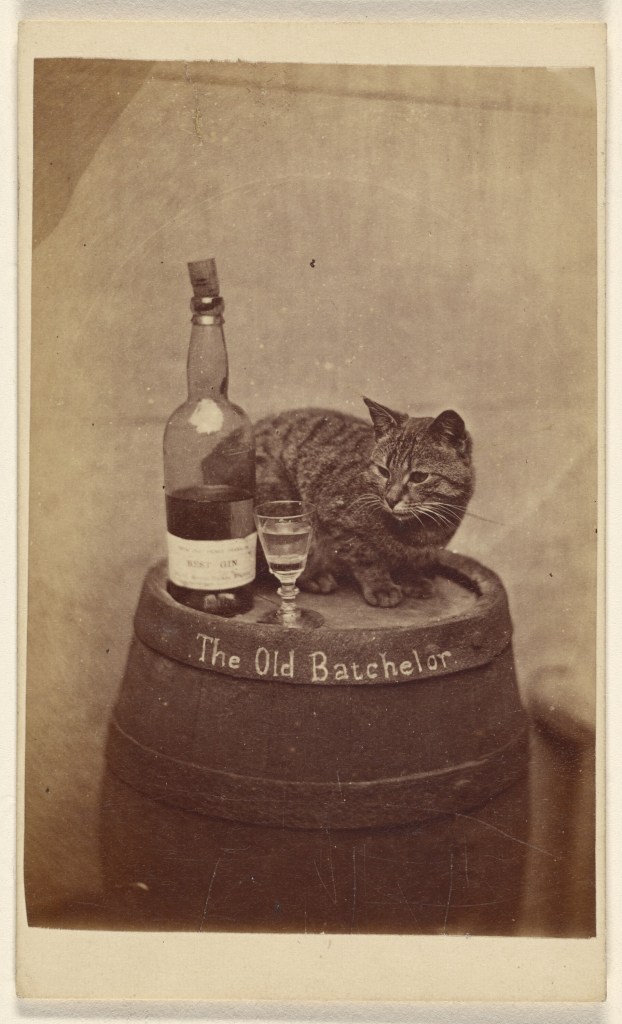
Cat Tequila

Gathered ‘round a glass of milk,
the only question now:
who will eat the mouse tail
in the bottom?
Mess themselves up real good?
The tail sucks up all the milk,
you see!
About the Author: Ryan Quinn Flanaganis a Canadian-born author residing in Elliot Lake, Ontario, Canada with his wife and many mounds of snow. His work can be found both in print and online in such places as: Evergreen Review, As It Ought To Be Magazine The New York Quarterly, Cultural Weekly, In Between Hangovers, Red Fez, and The Oklahoma Review.
.
Image Credit: Henry Pointer “The Old Bachelor” (1865) Digital image courtesy of Getty’s Open Content Program.
when i was a UPS man

1986-1990

i was somebody in my brown
pants and shirt sitting high
in the driver’s seat steering
my monster of a truck one-
handed while easily shifting
gears with the other

we maneuvered through
Anaheim traffic
a modern-day vaquero
and his horse driving cattle
the two of us in sync
anticipating the ebb
and flow of the herd

on those summer days
when the back of the truck
turned into an oven
my sweat left streaks of crusty
white salt on my work shirt
the customers always had
a cold drink waiting for me
knowing i couldn’t afford
to drag ass or slow down

the workday was just me and
my truck making our deliveries
stop and go stop and go
each package an important one
each business eagerly awaiting
my knock on their back door
or a receptionist with glossy lips
looking up and smiling just for me
when i walked into her lobby
carrying the anticipated
Next Day Air envelope

during the Christmas season
i delivered the boxes
of chocolates and nuts
sausages and cheese
the gifts from all over
the country finding the
way to the doorsteps
of the homes on
my delivery route
while the colored lights
strung across each house
flickered on and off
and the trees stood
in the windows
weighed down with
an array of shiny
ornaments

a flashlight helped me read
addresses in the dark
while i ran from my truck
to their front door then back
trying to finish the shift by 8 pm


1991-1994

one hernia repair later
plus two bouts with pneumonia
and now laid up with a bad back
weekly computer reports informed
the bosses i wasn’t working
hard enough fast enough
to suit them
their verbal warnings turned
into written warnings
my shop steward
pulled me aside and
told me to watch
my back

the doctor knew who was
paying his bills and treated
me accordingly
the day he offered me
a choice i knew the score
he could sign me off as okay
for returning to work
no matter how my back felt
or he could classify me unfit
for the job

he stepped out so i could
mull it over and think about
the great pay and benefits
that were on the line
but i thought of the old guys
a few years from retirement
trying to hold on and not break down

a fishing boat and ice chest
of cold beer almost within reach
the look on their faces
at the end of the long day
as they sat down on the
wooden bench in the locker
room and rubbed their knees
for a long time
groans slipped through
clenched teeth as they
stood up and shuffled
out of the building

a week later i turned in
my work shirts and pants
cleaned out my locker
signed the necessary forms
said my goodbyes

no one noticed
About the Author: Richard Vargas earned his B.A. at Cal State University, Long Beach, where he studied under Gerald Locklin. He edited/published five issues of The Tequila Review, 1978-1980, and twelve issues of The MasTequila Review from 2010-2015. Vargas received his MFA in Creative Writing from the University of New Mexico, 2010. Published collections: McLife, 2005; American Jesus, 2007; Guernica, revisited, 2014; How ACivilization Begins, Mouthfeel Press, 2022, and a fifth book to be published in 2023. He currently resides in Wisconsin, near the lake where Otis Redding’s plane crashed.
.
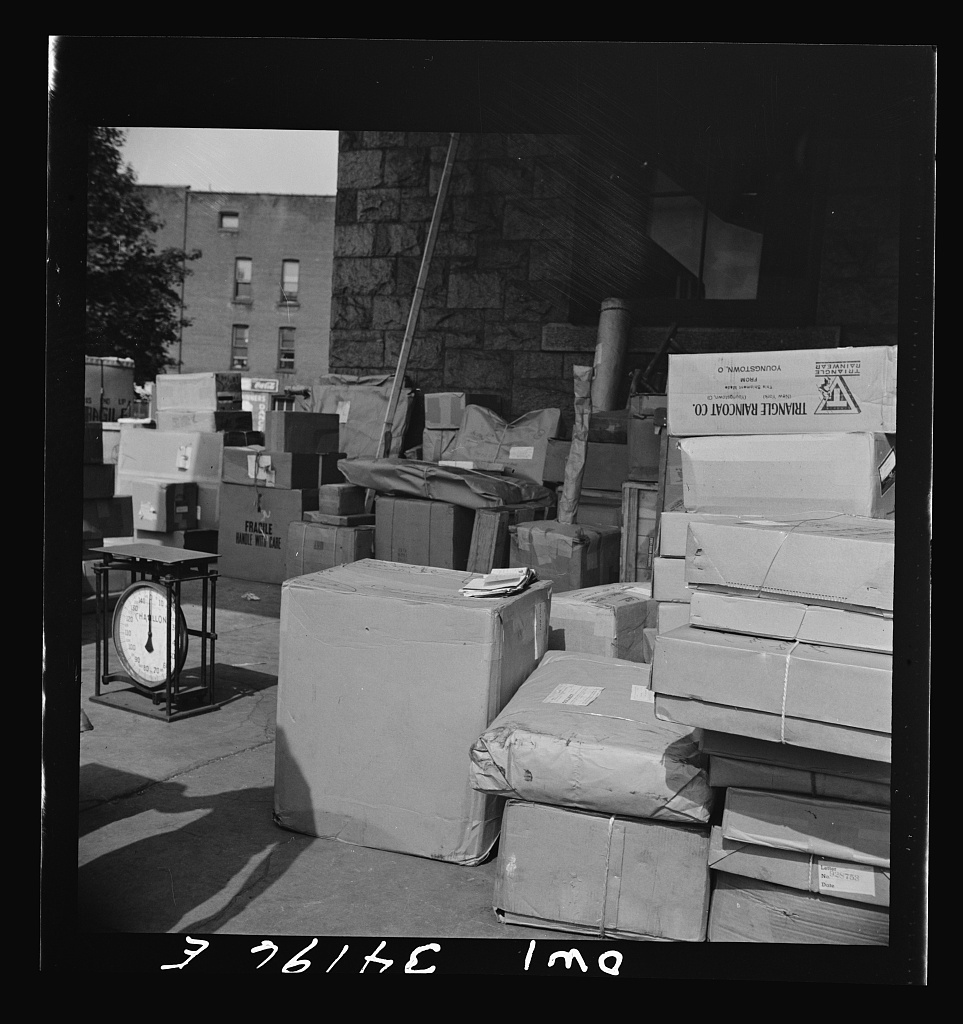
Image Credit: Gordon Parks “Untitled Photo” (1943) Public domain image courtesy of the Library of Congress
Beanie Baby Angels

When I was young
I thought beanie baby wings
Were some of the closest things
To heaven
Like copper on pennies-
Priceless

The sky was always teeming with
Beanie baby angels
More real than the adult world
Flapped their wings in bliss
And dusted my seams
In copper and gold

Were they handcrafted by
So-called “real” angels?
Modern beaned cherubim
For 90’s millennials?
Our true nature reflected
In their lush, plush selves?

Threw them in the closet
Their hearts now an end note
Is that why we craved rose gold?
The color of our wings
Before we didn’t believe
In angels anymore?
About the Author: Jennifer Klein is a writer, musician, and artist. Poetry is one of her favorite ways to make social commentary and merge her inner and outer worlds. Her poems have been featured or are forthcoming in Hawai`i Pacific Review, Fahmidan Journal, Bombfire, and others. She received a bachelor’s degree in English with minors in Dutch Studies and Norwegian from Indiana University Bloomington. You can follow her on Instagram @JenniferKleinReal
.
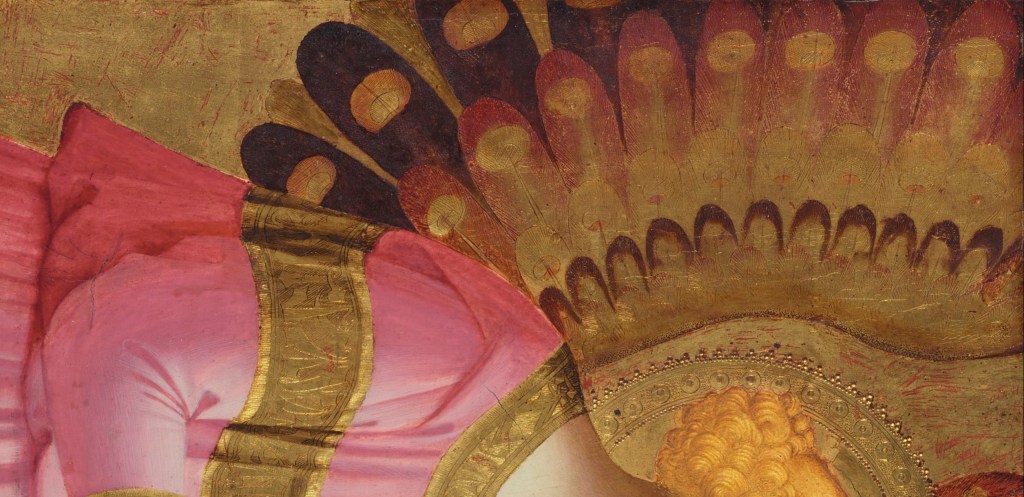
Image Credit: Detail from “Annunciatory Angel” by Fra Angelico. Public domain image courtesy of Artvee
this poem was written for john dorsey in the el bronco bar, richmond indiana

chill as fuck
across gossamer ohio
through endless western sunset

babe, I'm sorry it was you
cancer took to the prom
when friends hear you're together
they freeze in existential headlights

brother, I'm sorry that grief
doles out shitty drunk lap dances
no care if those duckets
ever roost in a g string

john, I promise fried chicken
and all world shaking doom allows
in less time than a waffle house day

I'll be on the horn to gus's
soon as I kill the engine
in the sky high pie parking lot
maplewood is an armadillo away

over dinner the other night
I said magic and loss
I say it often, in and out of context
a friend replied, with enough time served
magic doesn't hold sway over
the ocean of loss we worship at now

I can't say I disagree
except the waitress who calls
me amigo like I've never left
just delivered a grande margarita

in the hum of three hundred easy miles
and the shine of tequila
I won't want to buy a camper

but I have the receipt for short walk
in lights between speedway and meijer
lights that stretch from here
as far as midwest wherever
you know I'll be there soon
About the Author: Jason Baldinger is a poet and photographer from Pittsburgh, PA. He’s penned fifteen books of poetry the newest of which include: A History of Backroads Misplaced: Selected Poems 2010- 2020 (Kung Fu Treachery), and This Still Life (Kung Fu Treachery) with James Benger. His first book of photography, Lazarus, as well as two ekphrastic collaborations (with Rebecca Schumejda and Robert Dean) are forthcoming. His work has appeared across a wide variety of online sites and print journals. You can hear him from various books on Bandcamp and on lps by The Gotobeds and Theremonster. His etsy shop can be found under the tag la belle riviere.
.
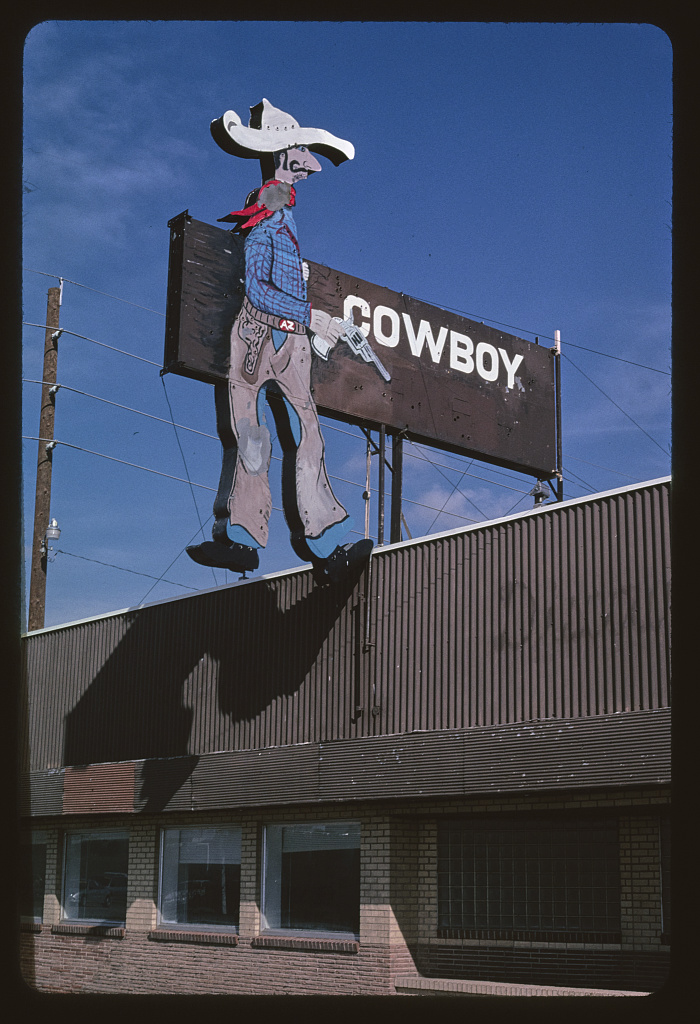
Image Credit: John Margolies: “Package liquor store, Cheyenne, Wyoming” (2004) Public domain image courtesy of the Library of Congress
A Distant Hymn


He owns a pre-loved sedan
the shade of passive beige —
not at all rebellious or disrespectful.

The four of us push open a dream,
a distant hymn to buckle into.
Our journey is a shifting map.

On Sundays the car sits in the drive,
stores up empty praises,
fills a collection plate of dim memory.

I never heard a preacher’s faux sermon
given from the pulpit of a couch —
nor mumbling words from keys
he keeps in his pocket.

The three of us march on
wearing the rain of broken umbrellas.
About the Author: A native of Toledo, Ohio, Sandra Rivers-Gill is a writer, performer, and playwright. Her poetry has appeared in or is forthcoming in journals and/or anthologies, including Jerry Jazz Musician, Poets Against Racism and Hate USA, ONE ART: a journal of poetry, Of Rust and Glass, Common Threads, Death Never Dies and The Poeming Pigeon. http://www.sandrariversgill.com
I like to get going, then just go…It’s easy in the morning because sunlight’s in every window, curtains open…Who needs curtains if you have no shame…Wake before sunlight, there are lamps everywhere…Anyone will tell you the light’s not the same…Light’s better in the summer…Duh, but true…Summer means no sweaters even for an ice queen…Scarves are year round…I walk the same summer route every day, but the view changes…Sidewalk people look scared or studious…Leash dogs look happier than their walkers, especially in the park…Squirrels were created for distractions…In my park there’s a hollow tree children whisper into when lost…I was often lost as a child…People forgot me…Once I was left at a zoo…I stared at a lion all day…I still can’t roar…I can draw a map, but can’t read one…I have no sense of direction…If it wasn’t for gravity I might chase a balloon…Flying might be fun on heavy traffic days…Also, I like watching television through other people’s windows…Everyone loves trash on television, even when they hold their noses…Trash is an equalizer…The same on any boulevard, in any zip code…Some people travel to prevent boredom…Nothing bores if you don’t care about neighbors…Your mother might say some scolding things…If you turn your back she’s in another room…Close your eyes and spin around on Dorothy days…If it can be wished true in Kansas, those wishes work anywhere…
About the Author: Mike James makes his home outside Nashville, Tennessee. He has published in numerous magazines, large and small, throughout the country. His poetry collections include: Leftover Distances (Luchador), Parades (Alien Buddha), Jumping Drawbridges in Technicolor (Blue Horse), and Crows in the Jukebox (Bottom Dog.) In April, Red Hawk published his 20th collection, Portable Light: Poems 1991-2021.
.
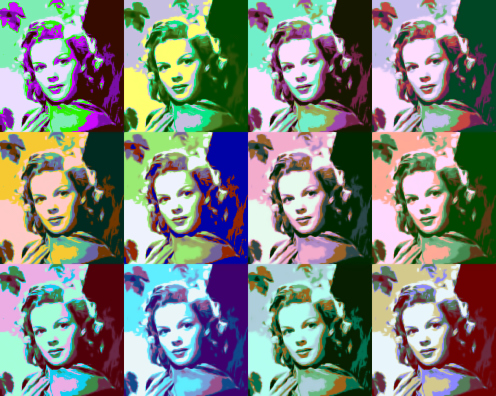
Image Credit: Digitally enhanced public domain image of Judy Garland