Mike James Reviews “Erotic” by Alexis Rhone Fancher

.

225636706_587776885937365_5288385786663195327_n

.

Mike James Reviews

Erotic

By Alexis Rhone Fancher

.

Some poets bring a very cerebral enjoyment. Think of the pleasure of watching John Ashbery’s mind work as he leaps from surprise to surprise, tossing out great lines as extravagantly as a child tossing candy from a parade float at Christmas time. A reader comes away from his work with a voyeur’s amazement akin to watching a skilled acrobat do trick after trick.

Alexis Rhone Fancher’s work offers a different enjoyment. Though her poems display tremendous skill, it’s the stand out nearness of her images and the relatability of her stories which are most striking. She writes about break ups and disappointing relatives, about first lusts and “the regret that hides outside.”

As the title suggests, this collection is broadly concerned with sex. There’s a lot of it, with men and women. The narrator seems aware of every desire and records them with vividness. Her often long titles are a lot of fun and prepare the reader for what’s ahead. For instance, the collection’s second poem is titled, “Tonight I Will Dream of Anjelica, My First Ex-Girlfriend, Who Taught Me the Rules of the Road…” The title ties into Angelica’s T-Bird and what takes place there, which is a lot. The narrator tells us, “I’ve always been driven to sin.”

She writes poems about one night stands where, “We are each bodies, hard-wired for pleasure, / destined for momentary blooming / then extinction.” And she writes poems about relationships which linger past their shelf life. She tells us, “Tonight I am ripe for forgiveness.” She tells us, “We had a history / all dead ends.”

What’s most exhilarating about this collection is the number of risks it takes. So many of these poems would not work for less talented poets. Fancher is fearless in her approach to subject and form. This collection contains prose poems and free verse. It contains litanies and Americanized haiku. Fancher reinvents them all.

One of the best poems in the collection, “White Flag”, is based on an Edward Hopper painting. Fancher adds a sensuality to the occupants of Hopper’s world. Loneliness is what can come the night after a hook up or during the weeks after a break up. She tells us “No one paints loneliness like Edward Hopper paints me, missing you, apologies on my lips.”

Thankfully, no apologies are needed for these stunning, life-filled poems.

.

Erotic; New & Selected by Alexis Rhone Fancher
New York Quarterly Books, 2021
Poetry, $21

.

About the Author: Mike James makes his home outside Nashville, Tennessee. He has published in numerous magazines, large and small, throughout the country. His 18 poetry collections include: Leftover Distances (Luchador), Parades (Alien Buddha), Jumping Drawbridges in Technicolor (Blue Horse), and Crows in the Jukebox (Bottom Dog), He has received multiple Pushcart and Best of the Net nominations.

.

More Reviews by Mike James:

Mike James reviews Mingo Town & Memories by Larry Smith

Mike James reviews “Dead Letter Office: Selected Poems” By Marko Pogacar

Mike James reviews Beautiful Aliens: A Steve Abbott Reader and Have You Seen This Man? The Castro Poems of Karl Tierney
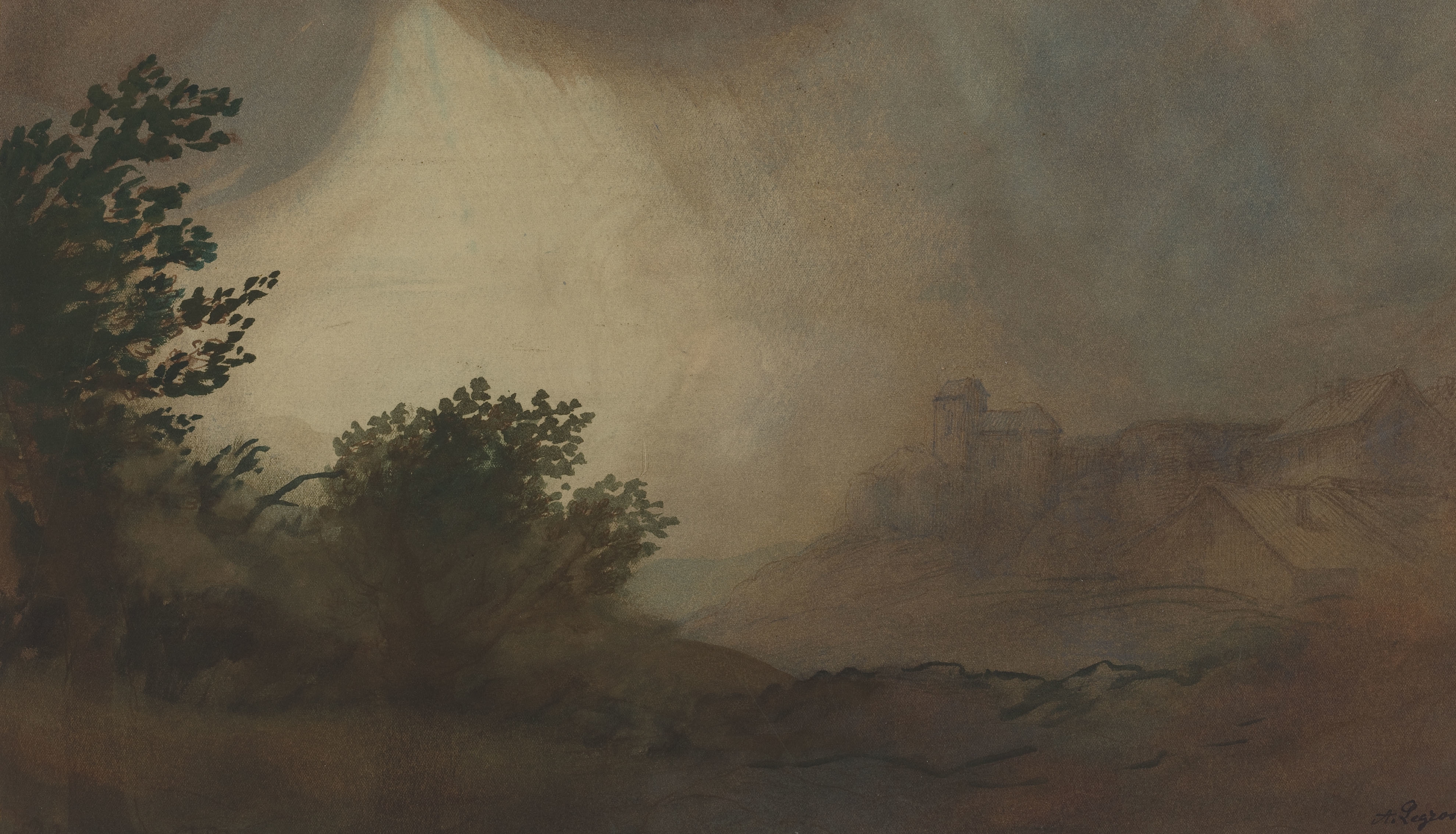
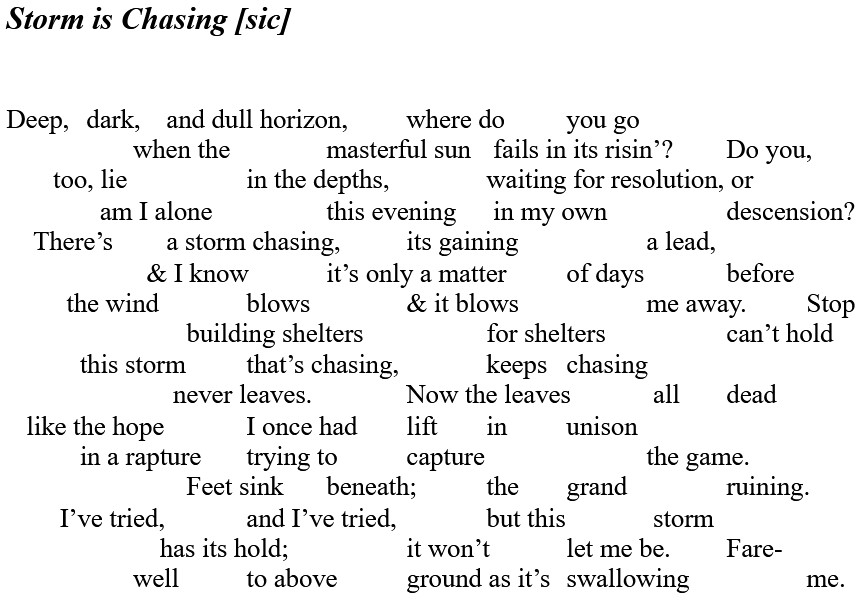
Tim Heerdink: “Storm is Chasing [sic]”

.

507044ld

.

.

Screenshot 2021-08-11 101335

.

About the Author: Tim Heerdink is the author of Somniloquy & Trauma in the Knottseau Well, The Human Remains, Red Flag and Other Poems, Razed Monuments, Checking Tickets on Oumaumua, Sailing the Edge of Time, I Hear a Siren’s Call, Ghost Map, A Cacophony of Birds in the House of Dread, and short stories, The Tithing of Man and HEA-VEN2. His poems appear in various journals and anthologies. He is the President of Midwest Writers Guild of Evansville, Indiana.

Image Credit: “Alphonse Legros “Storm” (French 1837-1911) Public Domain. Image courtesy of Artvee

Fabrice Poussin: “Waiting Room”

.

service-pnp-habshaer-la-la0000-la0015-photos-072703pv

.

.

Waiting Room

It is a few raindrops past midnight
the skies crossed by streaks of bright fumes
lay abandoned above the concrete floors.

Greenish plastic seats at least get a rest
from the myriad wary a traveler
malodorous business suits and naked feet.

It was another maddening day in the glassy hall
tall as a skyscraper without purpose
with screams, and calls, and cries.

A cosmopolitan world in transit
the ghosts of many souls remain
exhausted, ecstatic, fearful or perhaps broken.

Not a sound remains of this resonating chamber
with sterile tiles and stale coffee drinks
mausoleum in waiting of its next harvest.

I have often wandered those corridors alone
when the night had sent the mobs home
to recall adventures lived and not.

How eerie the deathly silence
where so much was alive
hiding within the walls to be born again.

International travels to begin and end here
dreams for those who have but a moment to hope
joy in anticipation of a vicarious journey.

.

.

About the Author: Fabrice Poussin teaches French and English at Shorter University. Author of novels and poetry, his work has appeared in Kestrel, Symposium, The Chimes, and many other magazines. His photography has been published in The Front Porch Review, the San Pedro River Review as well as other publications. 

.

More by Fabrice Poussin:

Getting Old

.

Image Credit: Historic American Buildings Survey Richard Koch, Photographer June, 1936 DETAIL STAIR AT SECOND FLOOR – First Skyscraper, 638 Royal Street, New Orleans, Orleans Parish, LA. The Library of Congress

Melody Wang: “When I Die, Liken Me to the Sparrow”

.

.

.

When I Die, Liken Me to the Sparrow

Tread lightly near the clearing in fading
light; there is no telling which plants
contain pure poison nestled in
waxy-smooth petals and stems

Pretend not to notice striated pink-purple flowers
strewn about the forest floor — unsuspecting
creatures pulled from their nesting
place and tossed aside as an afterthought

Seek and find near a clump of irises: the cold
sparrow, cramped on its side, lurid flesh showing
more than it had in life, features oddly twisted and
sleep-softened eyes closed eternally

Revel in the sacred realization that it belongs
to the earth now, requiring neither proper burial
nor the slightest acknowledgment of the fact
that it is no longer among the living

.

.

About the Author: Melody Wang currently resides in sunny Southern California with her dear husband. In her free time, she dabbles in piano composition and also enjoys hiking, baking, and playing with her dogs. She is a reader for Sledgehammer Lit and can be found on Twitter @MelodyOfMusings.

.

More by Melody Wang:

All that My Mother Cultivates

.

Image Credit: Illustration from “Coloured illustrations of British birds, and their eggs” London :G.W. Nickisson,1842-1850. Public Domain. Image courtesy of The Biodiversity Heritage Library

Curtis Hayes: “Paradox”

.

.

.

Paradox

The brilliance of the night sky
remains mostly hidden
over Los Angeles
with only the brightest stars
able to punch through the haze.
In the City of the Angels,
the dazzle of the cosmos
can only be seen
from the desert.

We were camping
deep in the Mojave,
the Milky Way above
glistening
more beautiful
than a thousand
cities of man.

We had pitched a tent
and a campfire, circled by stones
crackled and popped.
The October air was still warm
and we would instead
sleep outside,
the bed of my pickup
softened by army blankets
and unzipped sleeping bags.

We passed a bottle
looking out at the silent llano.
A shepherd rested next to her,
tired from the heat of the day.
Shooting stars crossed the sky,
so many that we stopped
calling them out.
She asked me if I thought
there were others out there
looking back at us.
I think there must be
I said quietly.
Do you think we’ll ever be able
To travel out there
And see?

I pictured miles of gravel roads
scattered houses peeling in the sun
rusted chain-link
dusty kids on dirt bikes
and the flags
that decorated the bumpers
of broken-down vehicles.
I thought about the Fermi Paradox
which is astronomer talk
for the theory that
any civilization
with the machines
needed to cross the expanse
would have burned itself out
before it could ever make the
final leap.

Her hair, golden in the firelight.
Stroking the dog
waiting for an answer.
The fire popped twice
sounding like the cap guns
I shot as a kid
and my voice
softly
Why would we want to be
anywhere
but right here.

.

.

About the Author: Curtis Hayes has worked as a grip, gaffer, and set builder in TV and film production. He’s been a truck driver, a boat rigger, a print journalist and a screenwriter. 

He is the author of the non-fiction top-ten NYT bestseller, I Am Jesse James, and his first poetry collection, Bottleneck Slide, has recently been published by Vainglory Press.  His work has been featured in numerous anthologies and small press journals.

.

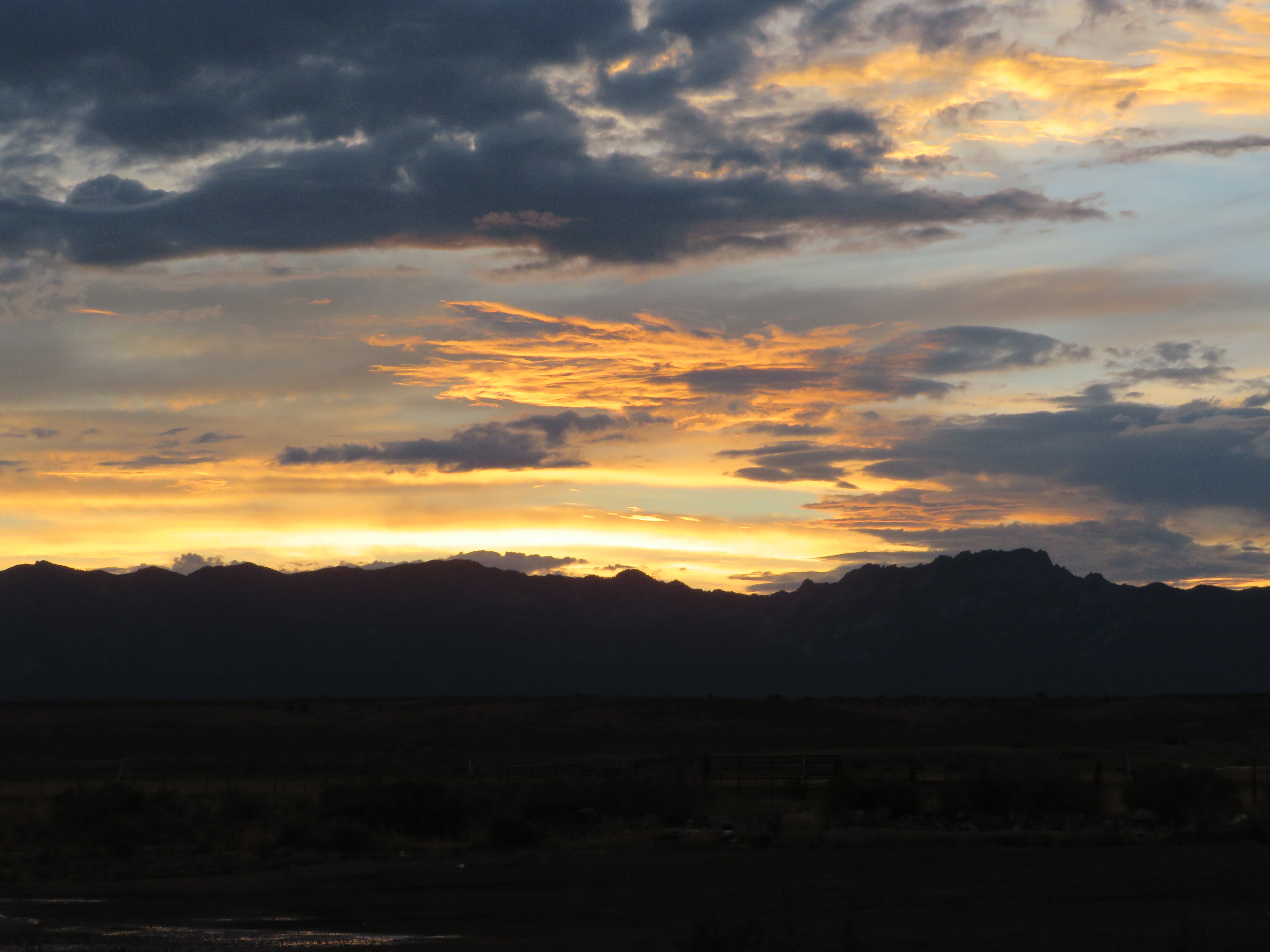
Image Credit: Chase Dimock “Utah Sunset” (2021)

Samuel Prestridge: “Coyote”

.

6216706189_a028aae1b6_o
.

.

Coyote

The night before my 68th,  I dreamed

of walking a bookmarked scrap of land.

I saw a coyote following me.

He wasn’t threatening, just staring,

just sizing me up.  I didn’t want to

be sized up.  I walked the other direction.

He followed, ran to me, heeled.

We walked together.

I ignored him.  He stayed heeled.

We came to an abandoned stable, walked in.

I stopped in front of a stall.

The coyote climbed up the door,

arced his body across the gap, gracefully draped himself

              across my shoulders.

I stood there, not wanting to move, the coyote

snugged against me.  Maybe I worried

about fleas.  Maybe I was guarding his sleep.

               I don’t know how long I was still and quiet.  I don’t know

how time is measured there.

.

.

About the Author: Samuel Prestridge lives and works in Athens, Georgia.  He has published or has forthcoming articles, poems, essays, and interviews in a wide range of publications, including Literary Imagination, Style, Appalachian Quarterly, Paideuma, Poem, The Southern Humanities Review, The Lullwater Review, The Arkansas Review, Autumn Skies, and Better Than Starbucks.

Regarding his approach to writing, he says, “I write poetry because there are matters that cannot be directly stated, but are essential to the survival of whatever soul we can still have.  Also, I’m no good at interpretive dance, which is the only other options that’s occurred to me.”

.

Image Credit: Illustration taken from Wild animals of North America Washington, D.C.,The National geographical society[c1918] Public Domain. Courtesy of the Biodiversity Heritage Library.

Susan diRende: “Story”

.

Pareidolia-12e

.

.

Story

.

Story was the first fire, the first wheel, the first lever. That Greek guy, Archimedes, saying he could move the world with a lever and a place to stand. He didn’t have either but he told the story and that moved the world. Was his story the real lever?

There are no gods without story. Creation doesn’t matter despite providing the raw materials. Matter doesn’t decide what matters. Cold space, empty and meaningless. Suns, dense and hot and meaningless. Living creatures playing Darwinian jungle games don’t have any innate meaning beyond the rapturous fact of their existence. Until story lays a path, set laws, gives people a purpose beyond survival.

The most important stories become maps for our mind to navigate by. When a story of violence leaves the teller’s lips and enters the minds of others, the world burns. And when stories provide us with the reliable map for living well, the world prospers.

Story turns experience into identity. Feelings into fate. Story turns facts and figures into history. History turns people into stories, so story is also the first sin, the first evil. But that’s a story too.

Story is what makes us human.

.

.

About the Author: Author/artist Susan diRende travels the world with no fixed abode. She has won awards for her writing including the 2017 Special Citation for Excellence by the Philip K Dick Awards. Most recently, she has had pieces published in The Dewdrop, the Pine Hills Review,  and Cascadia Subduction Zone.

.

Image Credit: Susan diRende “Pareidolia #17” (22 x 28 inches ink on paper)

M. J. Arcangelini: “The Relative Sanctity of Objects”

.

service-pnp-ppmsca-07400-07487v

.

.

The Relative Sanctity of Objects

Memories alive as spirits encased in objects,
Set in amber, locked in lucite, wrapped in plaster,
Hanging within webs of spider and silk worm.

A small shell, butterfly, baby shoes, decayed molar,
A coffee cup, refrigerator magnet, Limoges china,
That chair, that blanket, that framed photograph.

The bed which witnessed such tender gymnastics
Turned over to the junk man and thrown onto his truck.
Things given away, things thrown away, things kept.

A 1920s straight razor, a 1903 Colt .32 revolver.
Hoping to feel lighter when the gravity of the past
Still weighs heavy, tethered to dead men’s things.

.

.

About the Author: M.J. (Michael Joseph) Arcangelini was born 1952 in western Pennsylvania. He has resided in northern California since 1979. He has published in a lot of little magazines, online journals, & over a dozen anthologies.  He is the author of five collections, the most recent of which is “A Quiet Ghost,” Luchador Press 2020. Arcangelini has been nominated for a Pushcart Prize. He can be reached at poetbear@sonic.net

.

More by M.J. Arcangelini:

A Few Random Thoughts

Ten Movies

.

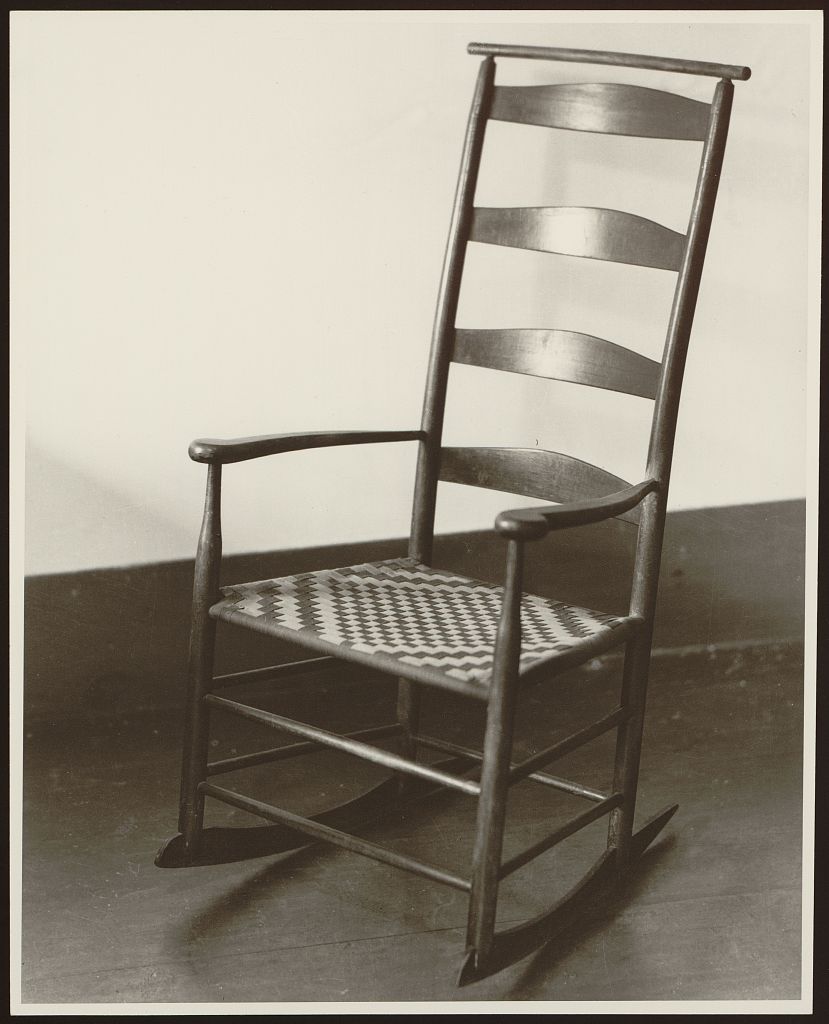
Image Credit: Samuel Kravitt “Rocker with taped seat” (1935) The Library of Congress

Kerry Trautman: “When Drinking Alone, the Mind Ponders Unknowable Things”

.

.

.

.

.

About the Author, Kerry Trautman: I am a poetry editor for Red Fez, and my work has appeared in various anthologies and in journals, including The Fourth River, Gasconade Review, Midwestern Gothic, Paper & Ink, Third Wednesday, and Think Journal. My poetry books are, Things That Come in Boxes (Kingcraft Press 2012,) To Have Hoped (Finishing Line Press 2015,) Artifacts (NightBallet Press 2017,) and To Be Nonchalantly Alive (Kelsay Books 2020.)

.

More by Kerry Trautman:

Context

.

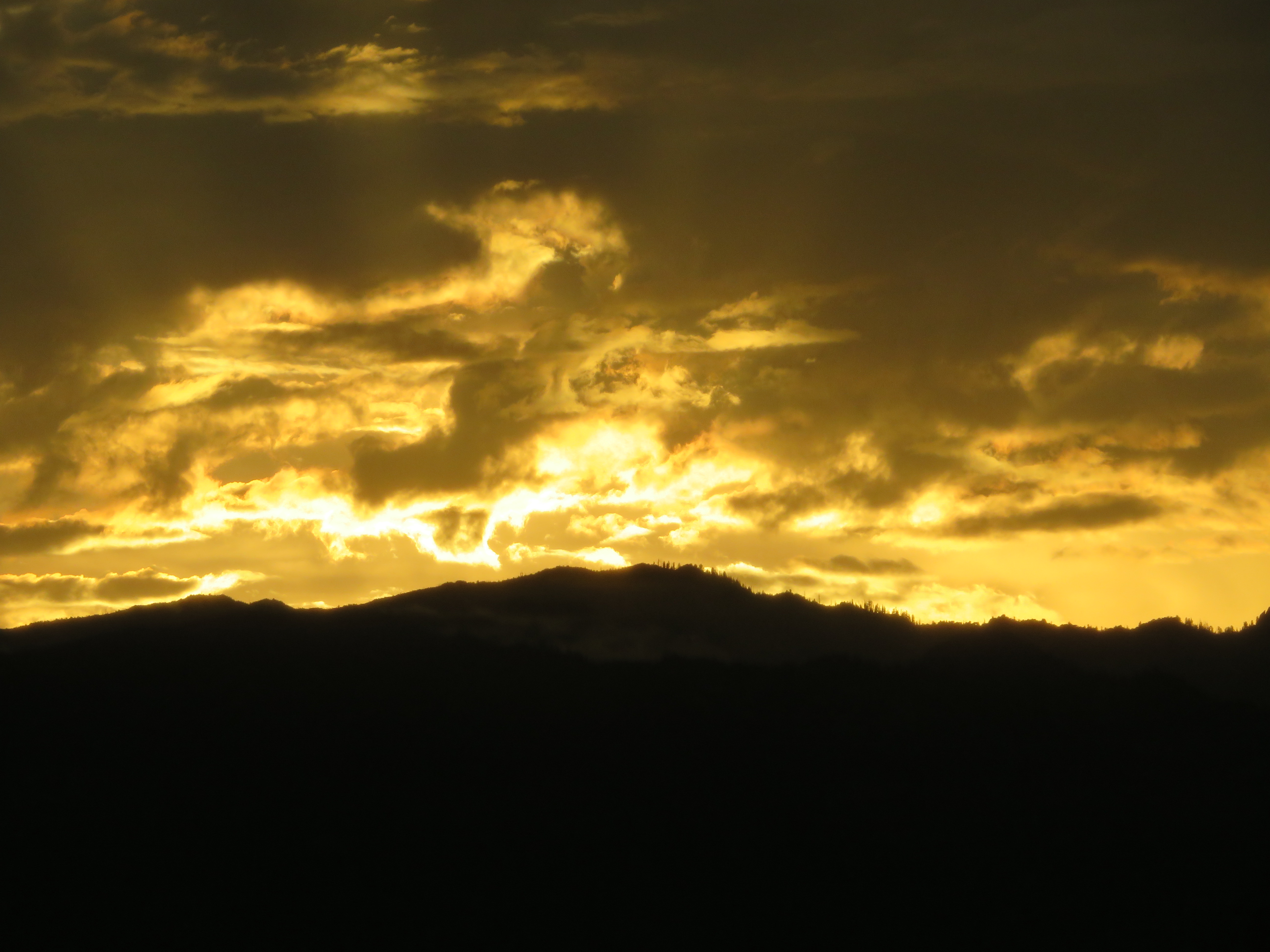
Image Credit: Chase Dimock “Utah Sunset” (2021)

Troy Schoultz: “Gas Money”

.

Forlorn sign for a long-closed gas station in Green River, Wyoming.

.

.

Gas Money

Young, broke, classes skipped,
A bottle of Crown Royal stolen from your father’s rec room bar.
The only thing that made sense to us
When we were lost,
Was a full tank of gas.
Cars were serious currency,
An escape from living rooms drenched in T.V.’s glow,
And high schools that chewed us up.

Those years seemed composed of only morning and night
Swinging by the Amoco station for a breakfast
Of Doritos and Mountain Dew. Sunlight draining
Into the streetlights. AC/DC in the cassette deck,
We tore a rut in the asphalt of Main Street,
Waiting desperately for something to stain our colorless lives.
Bald tires, loose tie rods, burnt oil exhaust,
A blind headlight, all that mattered
Was fuel and motion. We attempted to outrun
Milltown pensions and expectations waiting for us
Beyond the polluted river,
And inflated lies of a diploma slapped in our grimy hands.

These days I’m in awe of being alive.
My car’s over ten years-old, but bought and paid for in cash.
The oil is changed like clockwork.
There’s money in the bank.
Out at the old lighthouse at sunset,
Headlights gather, stolen twelve packs emptied and discarded.
The ghosts of who we once were
Trying to make a quarter tank last another weekend.

.

.

About the Author, Troy Schoultz: I’m a lifelong Wisconsin resident.  I’m currently a sometimes lecturer at the University of Wisconsin – Oshkosh. My poems, stories, and reviews have appeared in Seattle Review, Rattle, Slipstream, Chiron Review, Word Riot, Fish Drum, The Great American Poetry Show, Steel Toe Review, Midwestern Gothic and many others in the U.S. and U.K. since 1997.  I’m the author of two chapbooks and one full-length collection: A Field of Bonfires Sings (Wolf Angel Press, 1999), Good Friday (Tamafyr Mountain Poetry 2005), Biographies of Runaway Dogs (Vegetarian Alcoholic Press, 2017) and No More Quiet Entrances (Luchador Press, 2020).

I was nominated in 2012 for a Pushcart Prize by Slipstream literary magazine for my poem “The Biographies of Dogs Who Dared to Run Away.” My interests and influences include rock and roll, vinyl LPs, 8 track tapes, found objects, the paranormal, abandoned places, folklore, old cemeteries and the number five.

.

More by Troy Schoultz:

The Art of Manliness

.

Image Credit: Carol M. Highsmith “Forlorn sign for a long-closed gas station in Green River, Wyoming.” (2018) The Library of Congress