Letting the Meat Rest: A Conversation With Poet John Dorsey

Letting the Meat Rest:

A Conversation With Poet John Dorsey

By Chase Dimock

.

If you pick up a copy of Letting the Meat Rest, hoping to find tips for juicy pork chops, luckily, John Dorsey’s got you covered:

a pork chop sizzles in a pan
for six minutes tops
any longer & you’ll let the imagination
bleed out all over your plate
& escape into the woods
like magic.

Yet, Dorsey’s subject matter extends beyond pork products. Reading Letting the Meat Rest is like rummaging through a friend’s box of old Polaroids. You want to learn more about these people and moments captured in time. Some snapshots are brief, impressionistic prints of a person frozen in a sliver of life, while others have their detailed history scrawled on the back. These vignettes present us with visions of addiction, poverty, and trauma, but also optimistic moments of youthful ambition, rebellion, and intimate friendship. No matter what Dorsey depicts, whether it’s a full portrait or a quick sketch, it’s always crafted with deep humanity

.

Chase Dimock: I first became acquainted with your work when a mutual friend of ours told me he was driving up to Central Missouri to pick up the Poet Laureate of Belle, MO. At that moment I learned a few things: 1. That a town named Belle, MO exists 2. That a town of less than 2,000 people in rural Missouri has a Poet Laureate, and 3. That the Poet Laureate of Belle, MO is John Dorsey. Having lived for a few years in Cape Girardeau myself, I know there are quite a few cultural gems to be found in rural Missouri. How did you become the Poet Laureate of Belle, MO and what has that experience been like? I saw one poem in Letting the Meat Rest depicting the appropriately named Dinner Belle restaurant in town, so I am curious to know how this experience in Belle has impacted your writing.

John Dorsey: Well, to make a short story long, Chase,  I ended up in Belle at the end of 2015, from Wisconsin, after being awarded a residency at the Osage Arts Community and through that connection, in particular with the Executive Director Mark McClane, I started to meet more people in town,  including Mayor Steve Vogt, who seeing all of the work I had done and was continuing to do, offered me the appointment as Poet Laureate, I’m actually the first Poet Laureate the town of Belle has ever had. Since my appointment we’ve opened a Non-Profit used bookstore, Barb’s Books, and I founded, and Co-Edit, with Jason Ryberg, a literary journal, the Gasconade Review, which received grant funding through the Friends of the Belle Library, from Kingsford/Clorox. As far as the impact on my work, the first full book I finished here was Being the Fire, which was 80 new poems, written in my first two months here, and published by Tangerine Press in London in Fall of 2016. Since I’ve been here I’d say I’ve written between 300-400 poems, which have gone into 6 or 7 different books or chapbooks and have written a full length feature film, Missouri Loves Company, which was produced by Paladin Knight Pictures out of New Jersey, on a budget of around $60,000, which was shot on the East Coast and here in town, and is currently being edited. In terms of my poetry, I’d say that at least half of everything since I’ve been here has to do with Belle itself, so the impact has been significant. Continue reading “Letting the Meat Rest: A Conversation With Poet John Dorsey”

SATURDAY POETRY SERIES PRESENTS: MAX RITVO

Portrait of poet Max Ritvo. Photo Credit: Ashley Woo, Ari Ritvo

By Max Ritvo:


Holding a Freshwater Fish in a Pail Above the Sea

He strips health out
of the water,
reminding me
of my mother.

I walk in sea
and hold my sweet
fish above me,
no small feat

given the rice-
hard salt scraping
my eyeballs twice
each blink of lid.

I put the pail
in the ocean
and then unveil
the decorous

frail white-eyed koi.
But the salt, I
think, will destroy
his rocking breath.

Where he wants space
he will get salt.
Where key traces
of the silence

should hang inside
his cathedral
of musical
blood—

Instead, delicious
crystal drills
will crack it all
open; the church,

its ebbs and flows.
I scoop the fish
up by its nose,
a forked affair.

I show you him.
Looks fine to me
you say (Ha!), dim
and lovely you.

This happens more
times, stopping and
starting, me showing
you my full hand,

my fish. Where have
you gone? I was
hoping to wake
from this dream

with you drawing
the curtains, a gold
glow on the sheet
wrapping me up.

You aren’t here
but I’m aware
that somewhere
you have moved.


Today’s poem is from Four Reincarnations (Milkweed Editions, 2016), copyright © 2016 by Max Ritvo, and appears here today with permission from Milkweed Editions.

Max Ritvo (1990 – 2016) was an American poet. Milkweed Editions posthumously published a full-length collection of his poems, Four Reincarnations, to positive critical reviews. Milkweed has announced two more books, Letters from Max (co-written with Sarah Ruhl); and a second collection of Ritvo’s poems, The Final Voicemails, forthcoming in 2018. Ritvo earned his BA in English from Yale University, where he studied with the poet Louise Glück, and his MFA in Poetry from Columbia University. In 2014, he was awarded a Poetry Society of America Chapbook Fellowship for his chapbook AEONS. He edited poetry at Parnassus: Poetry in Review and was a teaching fellow at Columbia. Ritvo died from Ewing’s sarcoma on August 23, 2016, and is survived by his wife Victoria; his father Edward Ritvo, his mother Riva Ariella Ritvo-Slifka, and his three siblings, Victoria Black, Skye Oryx, and David Slifka. Ritvo’s work has appeared in Poetry, The New Yorker, Boston Review, and as a Poem-a-day on Poets.org. (Annotated bio courtesy of Wikipedia, with edits.)

Guest Editor’s Note: Knowing about the life and death of the poet can provide a lens through which to read each poem in Max Ritvo’s Four Reincarnations. This poem from the collection, “Holding a Freshwater Fish in a Pail Above the Sea,” offers a number of thematic opportunities, but is most powerful through the biographical filter. The poet controls the language—each word, line, and stanza confounds expectations and inspires repeated visits to the poem and its evocative images.

At the outset, there is fear and love for the fish bound in memory and fear. The gentle rhyming quatrains are almost imperceptible behind the fierceness of feeling, but they provide the rhythm and sway of the water controlling the speaker’s emotions even in a dream state. Shifting awareness supplies a type of psychoanalytic wish fulfillment accompanied by an acceptance of the inevitable.

Each turn in the poem feels natural and effortless within a controlled formal structure, and this makes the emotional charge more concentrated and pungent. The lines “Where he wants space/ he will get salt” are especially potent and seem to anchor the speaker in reality revealed by the metaphors and symbols that emerge from the subconscious. Ritvo’s poem exposes the terror in living a life that ends in death and does so in language that is accessible and miraculous.

Want to read more by and about Max Ritvo?
The Poetry Foundation


Guest Editor Anne Graue is the author of Fig Tree in Winter (Dancing Girl Press, 2017), and has published poems in literary journals and anthologies, including The Book of Donuts (Terrapin Books), the Plath Poetry Project, One Sentence Poems, and Rivet Journal.

A NOTE FROM THE MANAGING EDITOR:

After nearly ten years as Contributing Editor of this series, the time has come for change. I am thrilled to expand my role to Managing Editor and provide the opportunity for fresh voices to contribute to this ongoing dialogue. Today and in the coming weeks, please help me welcome a series of guest editors to the newest incarnation of the Saturday Poetry Series.

Viva la poesia!
Sivan, Managing Editor
Saturday Poetry Series, AIOTB


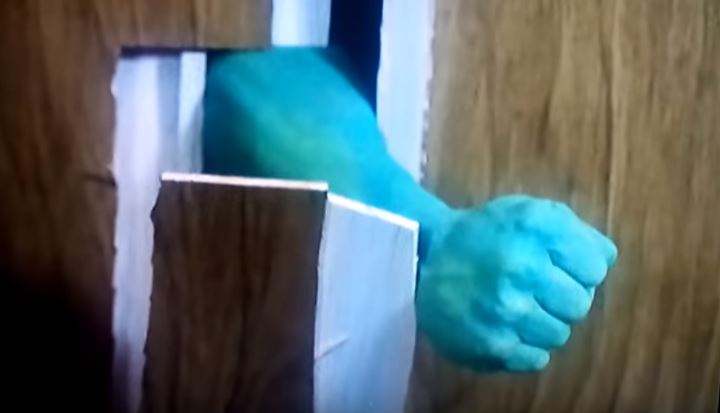
“The Incredible Hulk Tries to Write a Poem” By Daniel Crocker


.

The Incredible Hulk Tries to Write a Poem

but his cucumber fingers
keep getting in the way

He smashed the keyboard
all to hell and pencils
mean broken lead and splinters

Pens make a mess that nobody
wants to clean up
Hulk is used to it
He’s made so many messes

There’s that boy he kissed and then turned away
There was a woman before Betty who got tired
of dishes thrown against the wall and Bruce’s
wails of agony. It’s just too much, she said

Hulk has so much he wants to say
It lives and breathes inside his green skin
where it will stay for what might
as well be eternity

He wants to write a love poem for Betty Ross
He wants to write 1,000 poems of apology
for Betty and all the rest left in the wake of his anger

If he could just write his way out of this
entire mess, untangle this knot
maybe they would forgive him, he thinks

But Bruce knows forgiveness isn’t
given easily and if it comes
it’s not going to be the result
of a goddamn poem

Forgiveness comes through silence
or doesn’t come at all.

.

About the Author: Daniel Crocker is the author of three collections of poetry, a novel, and a collection of short stories. His latest book, Shit House Rat, was published in 2017 by Spartan Press. His book Like a Fish is available from Sundress Publications, and his e-chap, The One Where I Ruin Your Childhood, can be downloaded for free from the Sundress site. His work has appeared in New World Writing, The Good Men Project, The Chiron Review, The Kentucky Review and over 100 others. He’s the editor of The Cape Rock, co-editor of Trailer Park Quarterly and the Co-host of the Sanesplaining podcast.


Check out our interview with Daniel Crocker on his book of Hulk poems, “Gamma Rays.”


More Hulk poetry by Daniel Crocker:

“Betty Doesn’t Know Who She Loves More”

SATURDAY POETRY SERIES PRESENTS: MARISA CRAWFORD


By Marisa Crawford:


I’m too sensitive for this world / this Foot Locker

Oh right, the bomb
Sorry so boring
300-year-old wiener dog
China teacups rimmed in gold
Oh right, underwater
Backwards somersault, no
Outside w/ the flowers
Uhhhhhhhhhhhhhh like it matters
9th grade Metallica disaster
Cutest hottest-pink dress ever
Janie / not Janie / not over
Summer that bled into forever
See that backslash that’s the gash in my left arm
See that scar that’ll always be there
Janie’d be like, so show me so stop doing it
So eat something, J
So coconut cake bonne bell
You shoved it in my face / posted on my wall
Smell it, smells like a memory
Smells like a fake cake
This metal gate has been a gift to me
That metal guy at the party with the long hair and the gift for
Piercing the beer can / swallowing it all in one gulp
Was that the first time
He like, put his arms around me from behind
Somehow I willed it to happen w/ my mind
& then there was / a porch swing
Macbeth, my whole life, my death, everything


Poem

I like being a lil bit mean to Stephen
Wearing things that look architecture-y
Eating apple pie with my ice cream
I guess I couldn’t help it
I imagined my wedding brunch
on the tabletop catalog spread
called “A Perfect Match”
Girls at work who talk on the phone
in another language, girls who don’t
She asks me where I live in New York City
I don’t live there, I don’t live anywhere
Clip art of a nine-year-old
girl climbing a tree
leaning on her elbow
skinning her knee
VP of Creative sending an email
with the subject line “The Future”
You calling my tampon a “little mouse”
as you pulled it out


Today’s poems appear here today with permission from the poet.

Marisa Crawford is a New York-based writer, poet, and editor. She is the author of the poetry collections Reversible (2017) and The Haunted House (2010) from Switchback Books, and the chapbooks Big Brown Bag (Gazing Grain) and 8th Grade Hippie Chic (Immaculate Disciples). Her poetry has appeared in publications including Prelude, Bone Bouquet, Glittermob, and No, Dear, and she’s written about feminism, art, and pop culture for Hyperallergic, BUST, Bitch, Broadly, The Hairpin, and elsewhere. Marisa is the founder and editor-in-chief of Weird Sister, a website and organization that explores the intersections of feminism, literature, and pop culture.

Guest Editor’s Note: Reading Marisa Crawford’s poems reminds one of the feeling you get while looking through a Viewmaster. The reader experiences a gut punch of image and sensory recognition as Crawford takes the reader to the a New York City street, to a party, to a phone screen, face-to-face with a tampon. She plays on our olfactory senses. Macbeth shows up and makes us briefly feel those feelings of doom and futility in the face of human fallacies, blood trails and all. In “Poem” we confront the absurdity and futility of office life. Crawford writes, “VP of Creative sending an email / with the subject line ‘The Future,’” and with that the future unfolds. What will it taste like? What will it remind us of? She is a master of non-sentimental nostalgia. There’s a lightness of being to reading these poems, but the poems themselves are not light. They speak of the feminist and the feminine, the collective experience of being alive in these weird times.

Want to read more by and about Marisa Crawford?
Marisa Crawford’s Official Website
Buy Reversible from Swtichback Books
Weird Sister


Guest Editor Natalie Lyalin is the author of two books of poetry, Blood Makes Me Faint, But I Go For It (Ugly Duckling Presse 2014), and Pink & Hot Pink Habitat (Coconut Books 2009), as well as a chapbook, Try A Little Time Travel (Ugly Duckling Presse 2010). She is the co-editor of Natural History Press. She lives in Philadelphia and is working to befriend a flock of crows.

A NOTE FROM THE MANAGING EDITOR:

After nearly ten years as Contributing Editor of this series, the time has come for change. I am thrilled to expand my role to Managing Editor and provide the opportunity for fresh voices to contribute to this ongoing dialogue. Today and in the coming weeks, please help me welcome a series of guest editors to the newest incarnation of the Saturday Poetry Series.

Viva la poesia!
Sivan, Managing Editor
Saturday Poetry Series, AIOTB


SATURDAY POETRY SERIES PRESENTS: ALICE IN GREENPOINT


from Alice in Greenpoint
By Iva Ticic:


Alice in Greenpoint

Four glasses of fine red wine at a dinner party in Brooklyn
and you go from being a wallflower to discussing Trieste.

Though they mostly wanted to speak of Girls at this soirée—
An irony which caught in the mind of the writer
as an annoying bug caught in the web of a spider.

These four girls in Greenpoint discussing a show
about the four girls in Greenpoint
mirroring lives.

But I felt like Alice, the one from the book,
crossing on to the other side
of the baroque looking mirror the apartment contained— a
s if I haven’t been looking as it is
to check if I’m worthy, in presence of smooth skirts.

Meanwhile, the wine glasses have been placed on a puzzle
portraying Manhattan in three hundred pieces

minus one.

For there’s a piece missing in midst of the chatter
the clinking and clacking
with edges of crystal leaving a stain ring
on the Chrysler building.

The point of fixation and hypnotic frustration;
this elaborate jigsaw
without the very part which would have provided
someplace to draw meaning—

While white rabbits and grinning cats
are starting to be born
in the pregnant pauses of the evening.

And yet it gapes open, this odd imperfection,
shaped like a bug that chewed through the web

and eerily left.


On Loan

I have eavesdropped all day in search of something
beautiful.
Under Brooklyn Bridge where sewers funnel into beaches—

I have found it in the reverb
stolen from the unsuspecting:

The girl who flings her Conway bag
back and forth, a Sunday church bell—

Chiming for the crimson palette,
the holy shimmer of skyscraper
swimming on water.

I mean just look at that shit.

The boys who wrestle in shaggy grass,
strangling each other with an

Attitude adjustment
after
Attitude adjustment.

The lovers who say nothing.

A jet ski slits the water open like a wound;

I smell like coffee on the weekends,
if that’s something you’re into.


The Interpreter

I want to live in the hollow
of your Steinway piano.

Right there beneath the
slender silk of peeled ebony.

I want to become
a part of your conversation
between the pulse
of your fingertip symphony
and the dignified elephant
which you saddle and tame.

I want to learn the dialects
of this foreign arena.

Where are you taking me?

Give me the keys by which to decipher
the treble and bass
needed in order
to follow the melody
of tangy disorder.

Please bring me along.

I can be very still
while you improvise symphonies,
ponder the harmonies—

I’ll translate the hum.


Today’s poems are from Alice in Greenpoint (Finishing Line Press, 2015), copyright © 2015 by Iva Ticic, and appear here today with permission from the poet.

Alice in Greenpoint: “Welcome to the world of Alice in Greenpoint where everything is an eerie reflection of itself but slightly different — the global village tilted and on air. Our speaker strides through a foreign landscape at once knowing and homesick – but for where? The traveler is in constant exile – but the poems are witty and joyous, brimming with expectancy and hunger. Such a debut collection!” –Marie Howe, award-winning author of What the Living Do and the State Poet of New York

Iva Ticic is an internationally published bilingual poet from Zagreb, Croatia, who has lived, worked and studied in the US, Honduras, and now China. Her poems and short stories appear in Four Way Review, Prelude Magazine, and The Tishman Review. In 2013, she was awarded the Academy of American Poets John B. Santoianni Award for Excellence in Poetry for her poem, “The Interpreter.” Alice in Greenpoint is her first published poetry collection.

Guest Editor’s Note: Ticic’s poetry rings the many changes of dislocation: in place, in time, in the long struggle to become one’s own self against all challenges. She maps the many misunderstandings we both try and fail to overcome in our lives. Even when we believe we do understand one another, we still wonder if we got it all. The title poem, “Alice in Greenpoint,” makes, among others, the excellent point that even if some people feel themselves seen, really seen, others are always standing nearby, looking on, amazed, mystified. There is always a missing piece. In “On Loan,” the speaker walks through the city looking for beauty, picking up bits of language like pebbles, keeping some, tossing others back into the water. “I have found it in the reverb,” she writes. In “The Interpreter,” she documents the place in between where the translator lives, nearly invisible, the only one to hear “the melody of tangy disorder.” Iva Ticic’s poems are built of the recognizable and quotidian, but also spangled with arresting phrases: “I keep dreaming of parallel lines/slowly diverging/like the first sign of trouble/between lovers” or “As if . . . to believe in something, anything—could never be innocent,” or “the holy shimmer of skyscraper/swimming on water.”

Want to read more by and about Iva Ticic?
Four Way Review
COLDNOON
Buy Alice in Greenpoint from Finishing Line Press

Originally from MN, Guest Editor Julie Hart has lived in London, Zurich and Tokyo and now in Brooklyn Heights. Her work can be found in PANK Magazine, The Rumpus, Vol. 1 Brooklyn, the Brooklyn Poets Anthology and at juliehartwrites.com. She is a founder with Mirielle Clifford and Emily Blair of the poetry collective Sweet Action.


A NOTE FROM THE MANAGING EDITOR:

After nearly ten years as Contributing Editor of this series, the time has come for change. I am thrilled to expand my role to Managing Editor and provide the opportunity for fresh voices to contribute to this ongoing dialogue. Today and in the coming weeks, please help me welcome a series of guest editors to the newest incarnation of the Saturday Poetry Series.

Viva la poesia!
Sivan, Managing Editor
Saturday Poetry Series, AIOTB

“Fish Performance” By Sean Karns


Fish Performance

                        After Viewing a Lida Aboul photograph

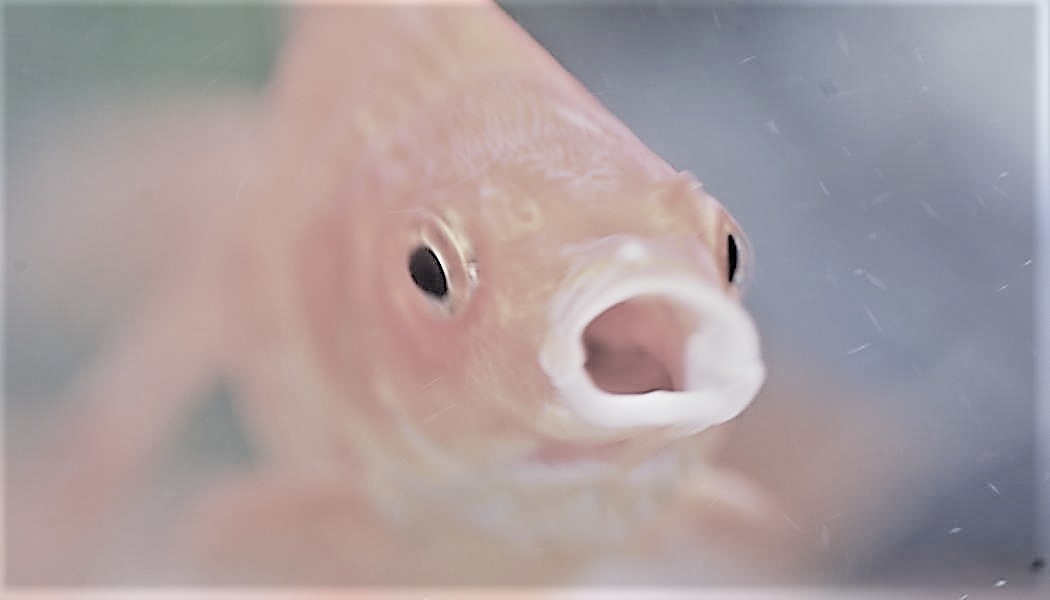
You place the fishbowl in the freezer.  You sit on the couch and knit gloves, though it does not take long for the goldfish to freeze.  The poor goldfish, when removed from the freezer, it has a permanent O shaped mouth, and the fins are held in motion.  You chisel the goldfish into a novelty ice cube.  You raise the goldfish to your mouth; hold it in your palm as if lifting a child’s face and place a wishful kiss.  A little secret kept to yourself, and I can only think of your childhood: too many goldfish flushed.  Now you hold your memories in ice.  I look at your lips, wanting to be your strange ritual.

.

“Fish Performance” first appeared in the Los Angeles Review and is featured in the book Jar of Pennies.

.

About the Author: Sean Karns has an MFA in creative writing from the University of Illinois and a BA from The Ohio State University. He is the author of a collection of poetry, Jar of Pennies, and his poetry has appeared in the Birmingham Poetry Review, Hobart, Rattle, Pleiades, Los Angeles Review, Cold Mountain Review, Folio, and elsewhere; and his poetry has been anthologized in New Poetry from the Midwest. He is currently the poetry editor at Mayday Magazine.


More By Sean Karns:

From a Tree Limb

Outside the Bedroom

My Father’s Potato Death


SATURDAY POETRY SERIES PRESENTS: MEGAN WILDHOOD

After nearly ten years as Contributing Editor of this series, the time has come for change. I am thrilled to expand my role to Managing Editor and provide the opportunity for fresh voices to contribute to this ongoing dialogue. Today and in the coming weeks, please help me welcome a series of guest editors to the newest incarnation of the Saturday Poetry Series.

Viva la poesia!
Sivan, Managing Editor
Saturday Poetry Series, AIOTB


How to Use Water as Fuel
By Megan Wildhood

Dad says I should have been born a fish,
what with the eerily natural way I moved through water.

He and I got our scuba diving certificates
together when I was 12 – I didn’t notice

the Caribbean makes your hair sticky as it’s drying
under a sun I didn’t care would rudely

find every last fleck of flesh exposed.
My sister rejected diving, getting in the water

at all, because of what the wild does
to your hair and skin.

We glossed arguments in the family,
like makeup on my sister’s face. I had to be

persuaded to start wearing the stuff because it seemed
like both Mom and sister needed a cleanup crew

every night just for their faces. They used water
to wash; I used it to fly.


Today’s poem is from Long Division (Finishing Line Press, 2017), copyright © 2017 by Megan Wildhood, and appears here today with permission from the poet.

Megan Wildhood: Do you feel isolated, uncertain about where in the world your story might be welcome? Megan Wildhood, a Seattle-based writer and poet, can deeply relate – she feels like an outsider most places she goes. She’s written about the various ways she’s felt like a misfit in The Atlantic, Contrary Magazine, America Magazine and in her chapbook Long Division, released September 2017 from Finishing Line Press, among other publications. She’s working on a novel and more poetry projects; head on over to meganwildhood.com to learn more.

Guest Editor’s Note: Family dynamics are notoriously complicated, and Megan Wildhood tackles them with unflinching honesty in “How to Use Water as Fuel” from her chapbook, Long Division. In this poem, we’re immersed in water, exploring a closeness to certain family members and a distance from others. The speaker feels connected to her father — “Dad says I should have been born a fish, / what with the eerily natural way I moved through water” — but disconnected from her mother and sister. The final lines of the poem highlight this aching contrast: “They used water / to wash; I used it to fly.” Finding commonalities and bridging the gaps between us is critical. “How to Use Water as Fuel” ultimately explores the longing for connection, even when our differences get in the way.

Want to read more by and about Megan Wildhood?
Megan Wildwood’s Official Website
Buy Long Division from Finishing Line Press
“Not Jumping” in America Magazine

Guest Editor Alana Saltz is a poet, writer, and freelance editor living in Tacoma, Washington. She received her MFA in Writing from Antioch University and her work has been published in The Washington Post, The LA Times, The Huffington Post, Angels Flight, voxpoetica, and The East Jasmine Review. You can find out more about her at alanasaltz.com or @alanasaltz on Instagram and Twitter.

Lynn Houston: “At the Harbor Lights Motel After You Return”

.


At the Harbor Lights Motel After You Return

By Lynn Houston

.

In August 2016, while at a writing residency, I met a man who was already supposed to have deployed with his National Guard unit. We were given the gift of three weeks before he left, time we used to get to know each other, as we helped out on a friend’s farm, had long conversations on a porch swing, and rode his motorcycle up into the mountains. The night before he left the country, as he was driving to the base, we talked on the phone for over three hours. For six months while he was gone, I sent him near-daily poems in the mail. When he returned, after an initial successful reunion, it became clear that he was plagued with anger issues and other problems associated with a difficult re-entry into his civilian life. He began seeing someone else, and we broke up. In my grief, I revised the poems I’d sent him and began submitting them to poetry contests. Unguarded won the inaugural chapbook contest of the Heartland Review Press and is due to be released in December 2017, with a series of readings and book signings in the Elizabethtown, KY, area scheduled for early 2018.

.

At the Harbor Lights Motel After You Return

The fish aren’t biting on Key Largo
the morning we spend together
after you return. You nap all day,
sheets spiraled like a carapace
around your torso and legs.

Next to you in bed, I touch your head,
stroke the hair you’ve grown long,
and ask what it was like over there.
But you pull the blankets higher
and turn away to face the wall.

Hours later, I call to you from the doorway
to show you a snapper on my line. You dress,
find me on the dock where we drink beer
as the sun slumps behind the palms.

You sleep through the night, and in the morning,
before you leave for a dive on a coral reef,
you tell me that turtles sleep like humans do—
you’ve seen them at night tucked into the nooks
of wrecks, heads withdrawn into shells;
you’ve seen their eyes blink open in the beam
of your dive light; you’ve even seen one wake
and swim away when a fish fin came too close.
They have nerve endings there, you tell me.
They can feel when something touches their shell.

When you return from the reef, I ask you
again how it was over there, and this time
you begin to tell me what you can.

.

Editor’s Note: This poem is the third of a series. The first poem, “On the Farm, Before You Leave for Afghanistan,” and the second poem, “You Leave and I Can’t Sleep” were published in late 2017.

.

About the Author: Lynn Marie Houston holds a PhD from Arizona State University and an MFA from Southern Connecticut State University. Her poetry appears in numerous literary journals–such as O-Dark-ThirtyGravelPainted Bride QuarterlyOcean State ReviewHeavy Feather Review–and in her three collections: The Clever Dream of Man (Aldrich Press), Chatterbox (Word Poetry Books), and Unguarded (Heartland Review Press). For more information, visit lynnmhouston.com


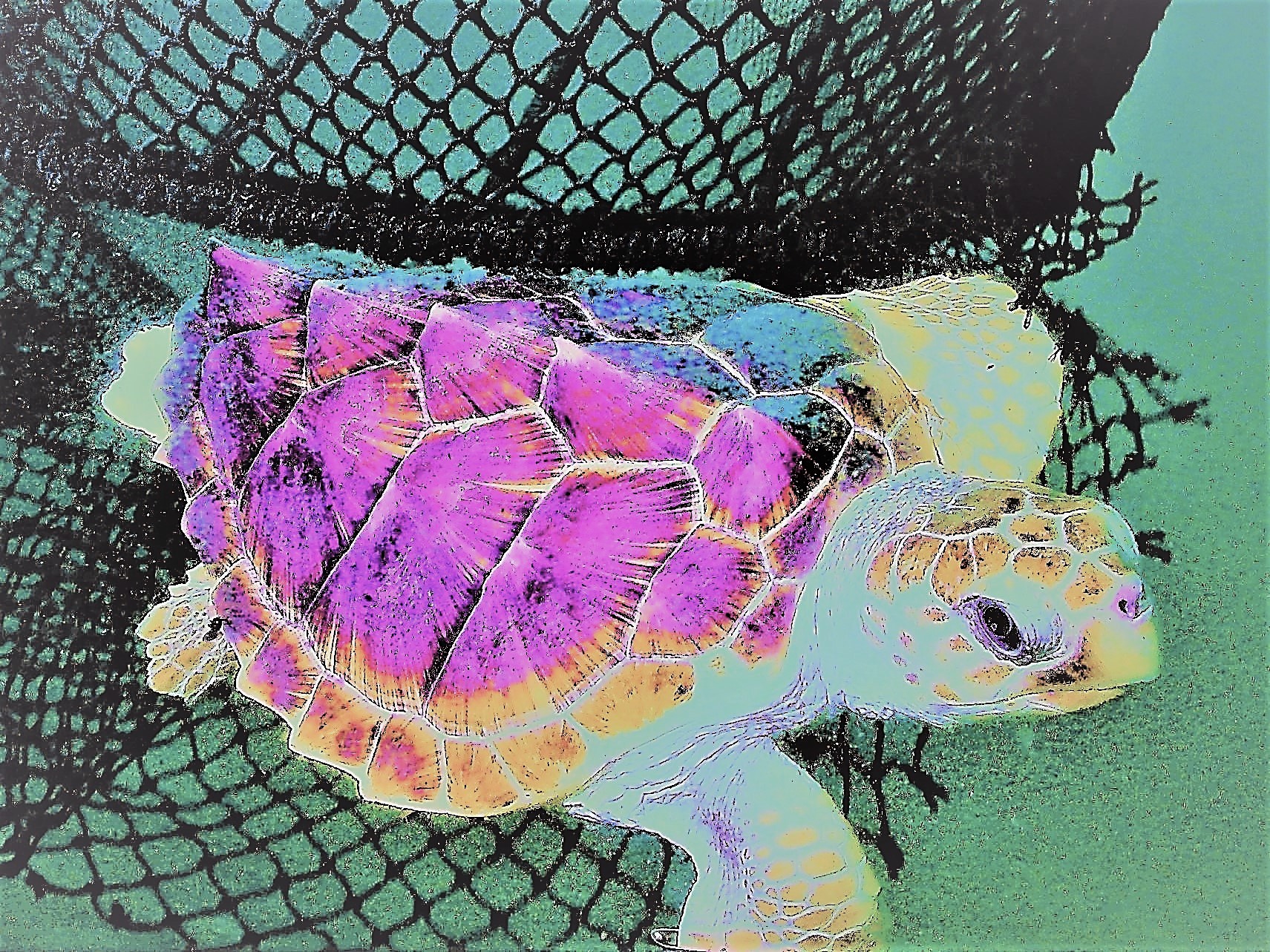
Image Credit: Loggerhead Sea Turtle (digital art based on a photo from NOAA.org)

Lynn Houston: “You Leave and I Can’t Sleep”


You Leave and I Can’t Sleep

By Lynn Houston

.

In August 2016, while at a writing residency, I met a man who was already supposed to have deployed with his National Guard unit. We were given the gift of three weeks before he left, time we used to get to know each other, as we helped out on a friend’s farm, had long conversations on a porch swing, and rode his motorcycle up into the mountains. The night before he left the country, as he was driving to the base, we talked on the phone for over three hours. For six months while he was gone, I sent him near-daily poems in the mail. When he returned, after an initial successful reunion, it became clear that he was plagued with anger issues and other problems associated with a difficult re-entry into his civilian life. He began seeing someone else, and we broke up. In my grief, I revised the poems I’d sent him and began submitting them to poetry contests. Unguarded won the inaugural chapbook contest of the Heartland Review Press and is due to be released in December 2017, with a series of readings and book signings in the Elizabethtown, KY, area scheduled for early 2018.

.

You Leave and I Can’t Sleep

.

If I’m writing this, it means I can’t sleep and that
the rain outside my window drops blindly in the dark.

The crops need it, the cashier told me earlier, ringing
me up for a pint of milk, making small talk, making change.

And now the tipped carton has marred the pages
on my too-small desk. I’m trying not to make too much of it—

this mess, the disasters my life and pages gather.
I’m trying to be kinder to myself, more forgiving.

Outside, a leopard moth lands on the screen, shudders
to dry its wings. One touch from my finger would strip

the powdered coating that allows it to fly in rain.
I wish it might have been so easy to keep you

from boarding the plane that took you to war.
In the predawn, my neighbors still asleep, I am the only one

to hear the garbage truck grind to a stop,
its brakes the sound of an animal braying.

The rain has stopped, too. I look over the smudged papers
on my desk. Nothing important has been lost.

When you come home safely to me in six months,
we will be able to say, nothing important has been lost.

.

Editor’s Note: This poem is the second of a series. The first poem, “On the Farm, Before You Leave for Afghanistan,” was published two weeks ago.

.

About the Author: Lynn Marie Houston holds a PhD from Arizona State University and an MFA from Southern Connecticut State University. Her poetry appears in numerous literary journals–such as O-Dark-ThirtyGravelPainted Bride QuarterlyOcean State ReviewHeavy Feather Review–and in her three collections: The Clever Dream of Man (Aldrich Press), Chatterbox (Word Poetry Books), and Unguarded (Heartland Review Press). For more information, visit lynnmhouston.com

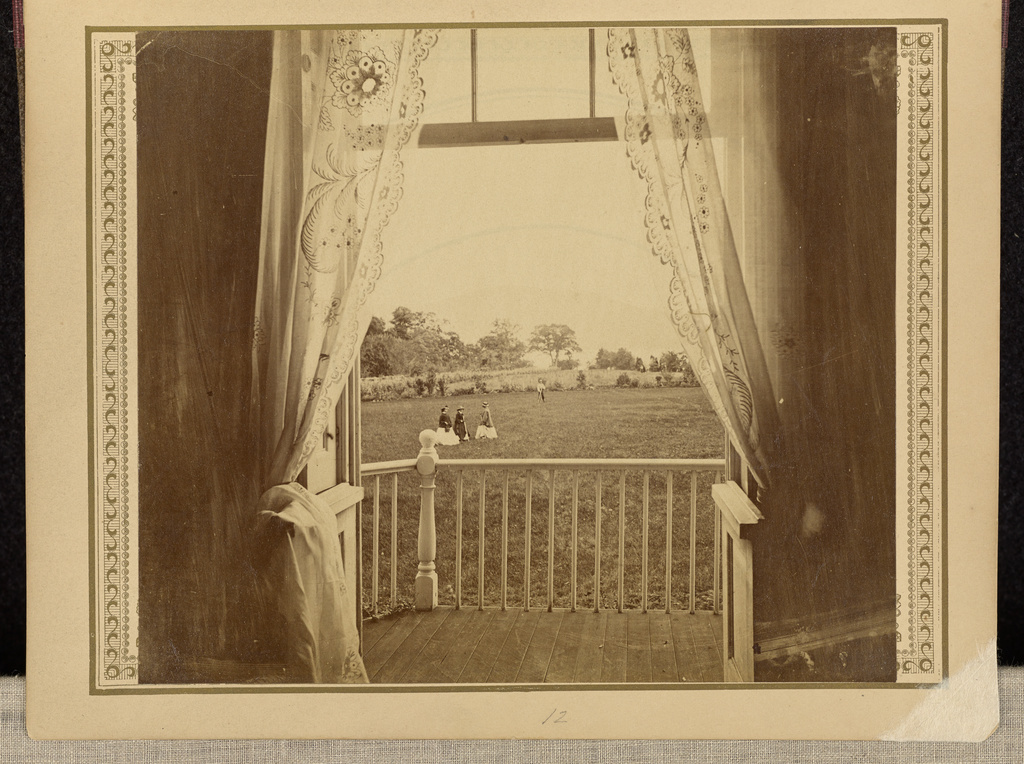
Image Credit: John Coates Browne “View from parlor window, Presqu’ile” (The Getty’s Open Content Program)


Two Prose Poems

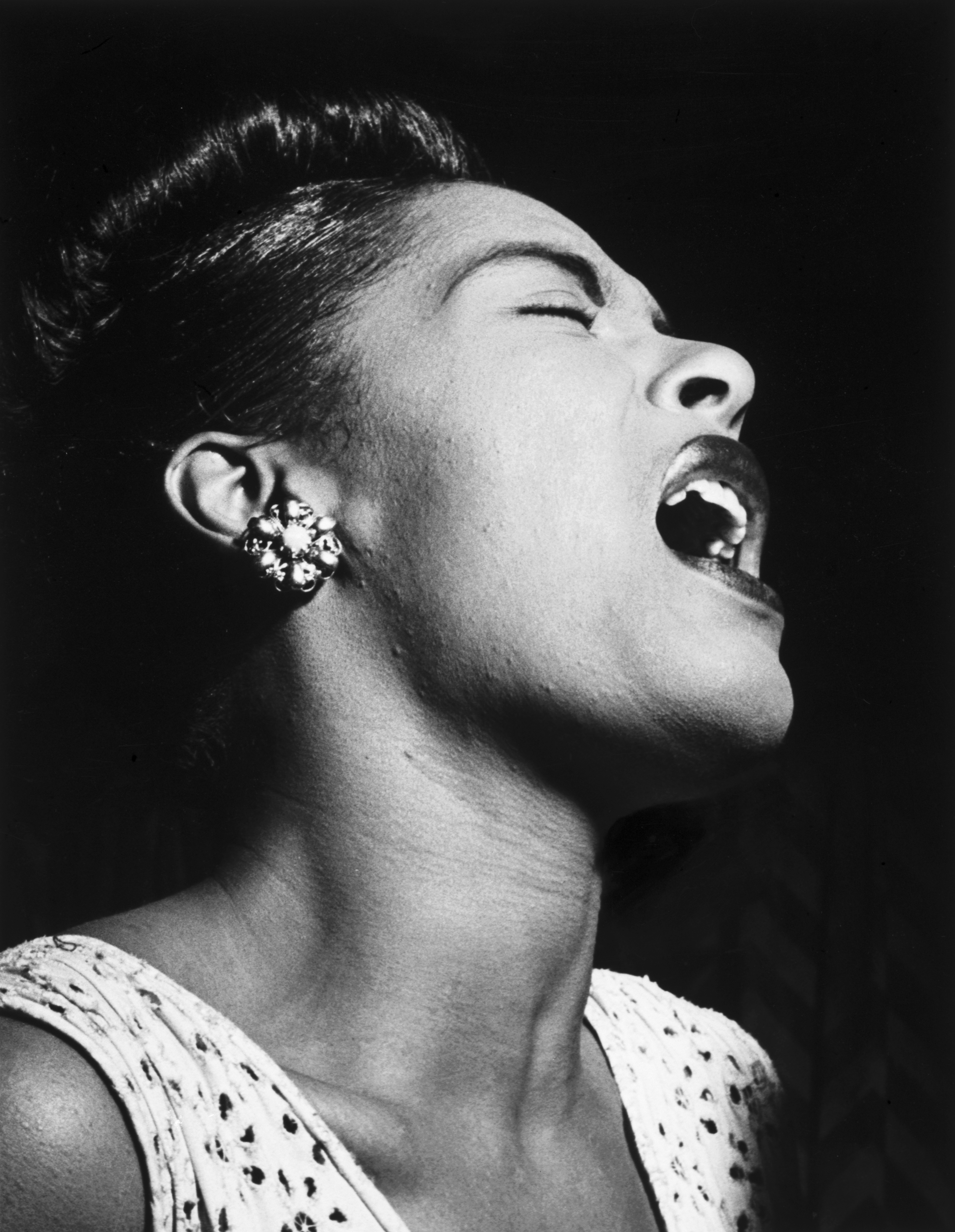
William P. Gottlieb “Billie Holiday at the Downbeat Club”

.

Two Prose Poems

By Mike James

.

That One Singer

Seems to know your life…How you lift yourself, just a little, from your seat when she reaches up past the ceiling, the roof, the trees, up near that first cloud to hit a high note…Or how you almost brace for a train to thunder by when she growls down and down with low ones…It’s like she looked out the window, for no good reason, the night you got your first streetlight kiss…As if she knows how you got that knee scrape from belt buckle dodging at ten…


Beyond The Land Of Misfit Toys

Drop that bucket into the memory well and it’s never what you wish. You pull up clown porn. (Yes, that’s a thing.) Shot glasses serve as telescopes to galaxies you’d rather not see. Even one night stands, much heralded in the movies, offer minimum relief. Every woman you end up with wears heels or boots you desire more than her. You beg to be her carpet, her footstool, her bath mat. If the question is lust, the answer is confusion. You look at every closet and hope for big locks. More than the butterfly you love the butterfly tattoo.

.

About the Author:  Mike James is the author of eleven poetry collections. His most recent books include: Crows in the Jukebox (Bottom Dog), My Favorite Houseguest (FutureCycle), and Peddler’s Blues (Main Street Rag.) He has previously served as associate editor for both The Kentucky Review and Autumn House Press. After years spent in South Carolina, Missouri, Pennsylvania, and Georgia, he now makes his home in Chapel Hill, North Carolina with his large family and a large assortment of cats.