Jeff Hardin: “A Word That Means Standing Between Each Moment”


A WORD THAT MEANS STANDING BETWEEN EACH MOMENT

I dreamed I was speaking every language,
no one a stranger, and then I woke to find
the same few words I assemble my life around.

Overnight a dusting of snow has settled into leaves,
into crooks of oaks in the side yard. It takes years 
sometimes to know what sifts down into my thoughts.

Having lived this long has granted me few answers.
I’ve been given only new questions and less
confidence in anything but my own inadequacy.

If only it were possible to pause between each
moment and weigh the implications of what 
came before against what is now coming to be.

I laugh to think of how I once labored to memorize
a poem, to embody its words and carry them forth
into the world. Now I remember only one word: float.


About the Author: Jeff Hardin is the author of six collections of poetry: Fall Sanctuary (Nicholas Roerich Prize); Notes for a Praise Book (Jacar Press Book Award); Restoring the Narrative (Donald Justice Prize); Small RevolutionNo Other Kind of World (X. J. Kennedy Prize), and A Clearing Space in the Middle of BeingThe New Republic, The Hudson Review, The Southern Review, Southwest Review, North American Review, The Gettysburg Review, Poetry Northwest, Hotel Amerika, and Southern Poetry Review have published his poems. He teaches at Columbia State Community College in Columbia, TN.


More By Jeff Hardin:

A Namelessness of Starlings


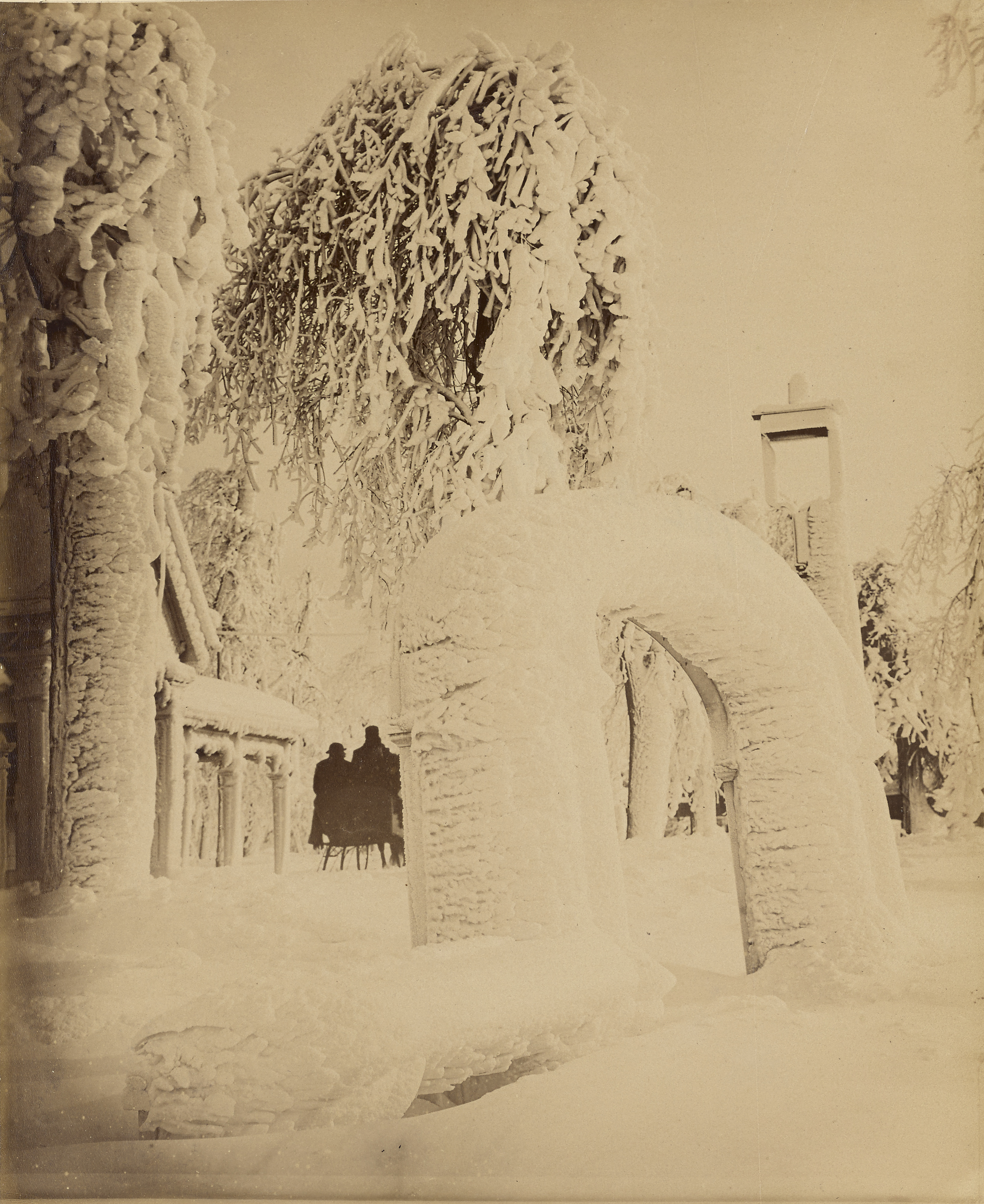
Image Credit: Unknown Maker “Niagara” 1860s – 1880s Digital image courtesy of the Getty’s Open Content Program.

Daniel Romo: “20/20”

Feature._Paul_Legendre_O.B.E._School_for_Sailors_BAnQ_P48S1P10398


20/20

When the regular asked how she was doing
the barista replied, Living the dream, before making
his usual drink
and isn’t that what we all do as we rely on
whatever form of faith and familiarity it is that
keeps us moving into the face of
a new day?

I just had my eyes checked for the first time because
I’m at an age where I’ve seen every hurt too clearly
and I want to ensure my vision from here on out
will allow me to recognize the victories in any battles
the younger me would’ve deemed too fatal
to fight.

My face stuffed into a machine transported me
to a world of tiny, tricky letters appearing too small
to be alive
and that’s how I feel sometimes,
overcome by a combination of consonants and vowels
teaming together to create sounds that still echo
amongst memories clanking around in a life
I’ve left behind but will never
forget.

Shouldn’t we all aspire to attain the stillness of the barista,
the one who makes the same drinks and repeats the process
in the midst of monotony and minimum wage,
her fears and misgivings swirling around inside each cup
like a never-ending threatening motion
before eventually settling at the bottom
rather than us guessing at a series of blurry symbols in our lives
trying to guess at
what we can’t see?

Her customer leaves and thanks her for his purchase and for
her sense of reverie and the barista says,
I’ll keep it as long as I can
and the optometrist says I’ll need reading glasses
in the next few years,
both of us making out all that is in front of us
the way we want to see it
whether in the distance,
or right under our noses.


About the Author: Daniel Romo is the author of Apologies in Reverse (FutureCycle Press 2019), When Kerosene’s Involved (Mojave River Press, 2014), and Romancing Gravity (Silver Birch Press, 2013). His poetry can be found in The Los Angeles Review, PANK, Barrelhouse, and elsewhere. He has an M.F.A. in Creative Writing from Queens University of Charlotte, and he is an Associate Poetry Editor at Backbone Press. He lives and teaches in Long Beach, CA.


More by Daniel Romo:

The Main Event


Image Credit: Conrad Poirier “Paul Legendre looks in a sextant” (1944) Wikimedia Commons, Public Domain

Victor Clevenger: “Milkman’s Mustache”


Editor’s Note: This is the first in a series of poems by Victor Clevenger about his son, nicknamed “The Milkman”


Milkman’s Mustache

i offer him a razor for the first time

he declines it 
like a thirsty hound from hell 
when offered holy water

turning his head from side to side 
in front of a bathroom mirror 

admiring something that looks quite fragile in its infancy

like spiderwebs the color of rust 
that spell out the word masculinity 
in a thin font stretched 

across his cracked lips


About the Author: When not traveling on highways across America, Victor Clevenger spends his days in a Madhouse and his nights writing poetry.  He lives with his second ex-wife, and together they raise children in a small town northeast of Kansas City, MO.  Selected pieces of his work have appeared in print magazines and journals around the world, as well as at a variety of places online.  He is the author of several collections of poetry including Sandpaper Lovin’ (Crisis Chronicles Press, 2017), A Finger in the Hornets’ Nest (Red Flag Poetry, 2018), and Corned Beef Hash By Candlelight (Luchador Press, 2019).


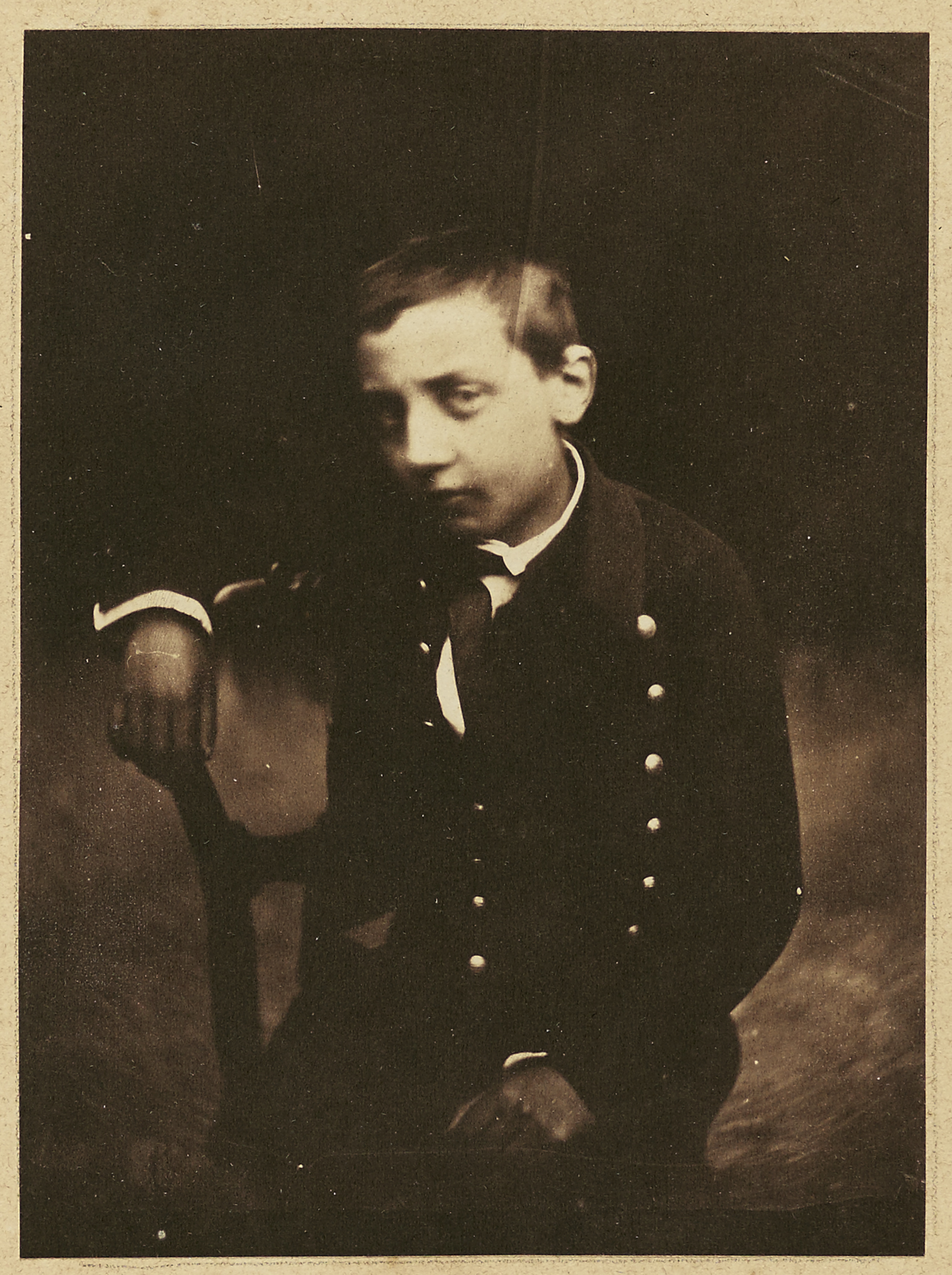
Image Credit: Achille Devéria “Portrait of a Boy” (about 1850–1855) Digital image courtesy of the Getty’s Open Content Program.
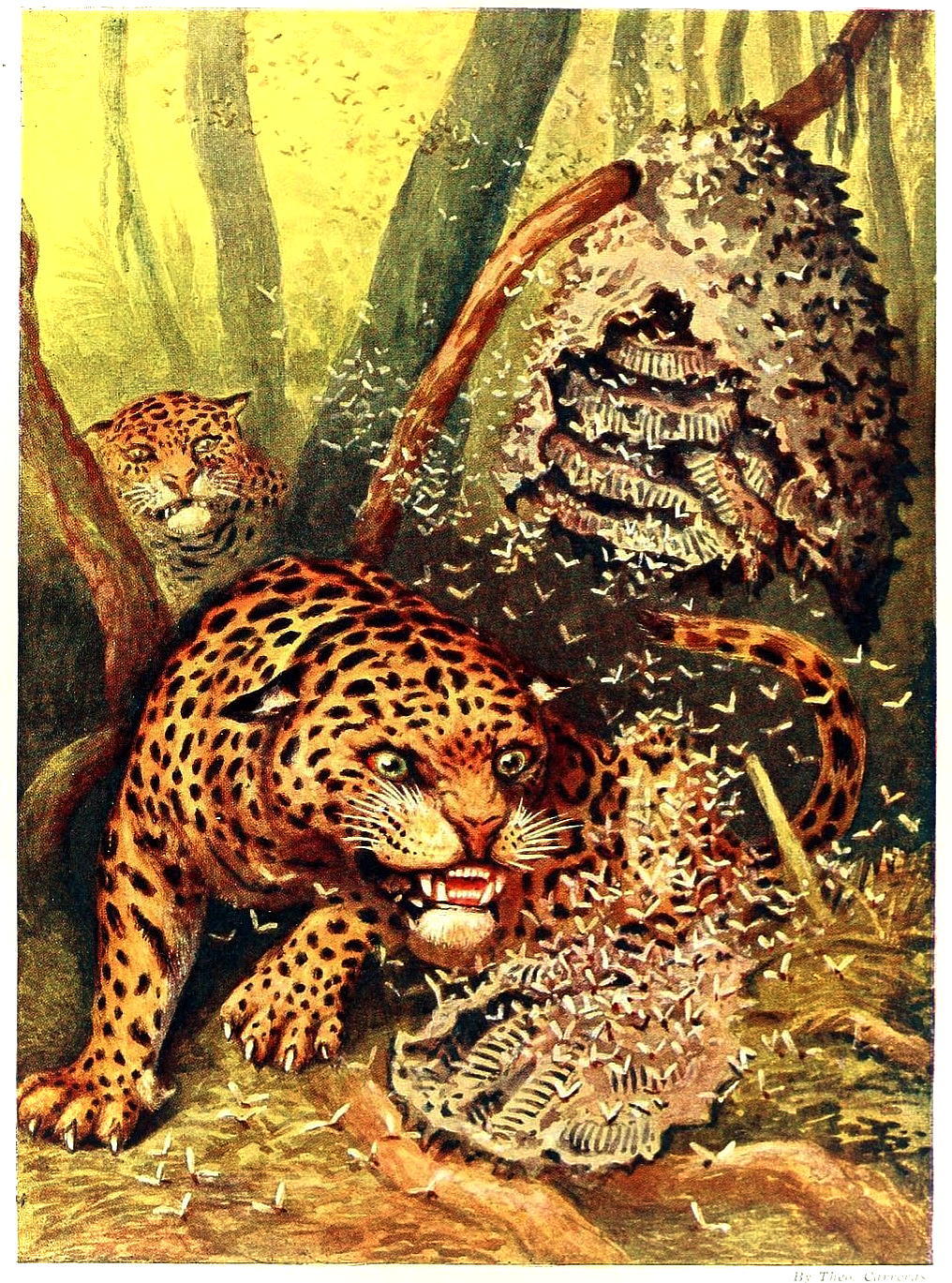
Jonel Abellanosa: “Jaguar”


Jaguar

I dwell in your mind, your thoughts dense
as jungles, anxieties rough as the tree’s limb.
I feel at home in your deep space, seeing
through your eyes. The future furred
with silk. Hearing you speak in tongues,
I prowl your ribcage. You’ve mastered
the language of bats. Blood vessels I trace,
stream echoes, sounds of the moonbeam.
If I smell self-doubt I drag the deer up.
No hunter finds your anger, your calm
silent as my tiptoes. I crouch behind you.
Speak truth to power. Vultures circle
but they’ve to cage me
before they silence you.


About the Author: Jonel Abellanosa lives in Cebu City, the Philippines. He is a nature lover, an environmental advocate, and loves all animals particularly dogs. His poetry collections include, “Meditations” (Alien Buddha Press), “Songs from My Mind’s Tree” and “Multiverse” (Clare Songbirds Publishing House), “50 Acrostic Poems,” (Cyberwit, India), “In the Donald’s Time” (Poetic Justice Books and Art), and his speculative poetry collection, “Pan’s Saxophone” (Weasel Press). He loves to self-study the sciences.


Image Credit: Illustration from “Marvels of insect life” (1916) Public Domain, courtesy of the Biodiversity Heritage Library

Robert A. Morris: “Natchez Green”


Natchez Green

I was eleven, walking out past Silver Street to 
the river’s edge, headed “under the hill,” a spot
infamous for men who no longer exist and their 
transient killers.  Some say a ghost woman walked

the Mississippi, her body anchored by gold from 
her lover so she could lay beside him at the bottom 
where the bottles turned to jewels.  Looking out, I 
saw something flash, deep emerald, and unbroken, 

glittering in the river silt, waiting like a patient miracle. 
Expecting Laffite’s treasure map. Clutching the cork 
with my teeth, little boy hands twisted. The sharp too 
sour smell gave me a headache, and I stood hearing 

phantoms as the wind made the bottle coo. In the river 
debris, a hand summoning me to the water. I threw 
the bottle, which it accepted, swirling the rank liquor, 
towing it further and further from my shore.


About the Author: Robert A. Morris lives near Baton Rouge and works as a teacher.  Besides poetry, he also writes fiction and bashes out the occasional song on his blue Stratocaster. His work has appeared in The Main Street Rag, Pear Noir, and The Chaffin Review among others.  He is in the final stages of editing a chapbook titled Descending to Blue that he would like to see published in the near future.  For updates, please visit his blog  https://robertamorrisblog.wordpress.com


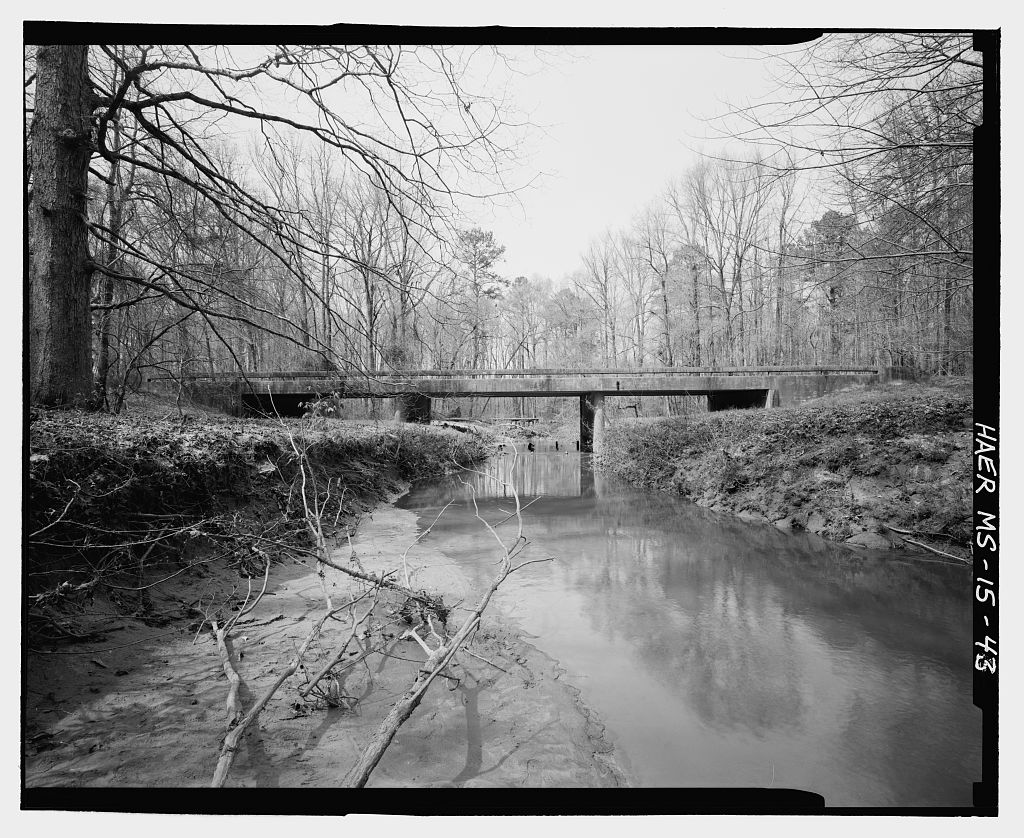
Image Credit: William A. Faust “Natchez Trace Parkway, Located between Natchez, MS & Nashville, TN, Tupelo, Lee County, MS” (1997)

Rob Plath “that which”


that which 

sitting on 
my old green 
couch 
she asked, 
“are you afraid”
& i replied, 
“terrified”
w/ out even 
asking of 
who or what 
& we lifted 
our bottles 
against 
that which 
follows us both 
day & night 
across streets 
beneath sun
& moon
thru doors 
& down corridors 
& into rooms 
of any dimension 
& into dreams 
& moments 
of waking 
& dreams again


About the Author: Rob Plath is a writer from New York. He was once tutored by Allen Ginsberg for two years from 1995-1997.  He has published 22 books and a ton of poems in the small presses over the last 26 years. He lives with his cat and tries his best to stay out of trouble.


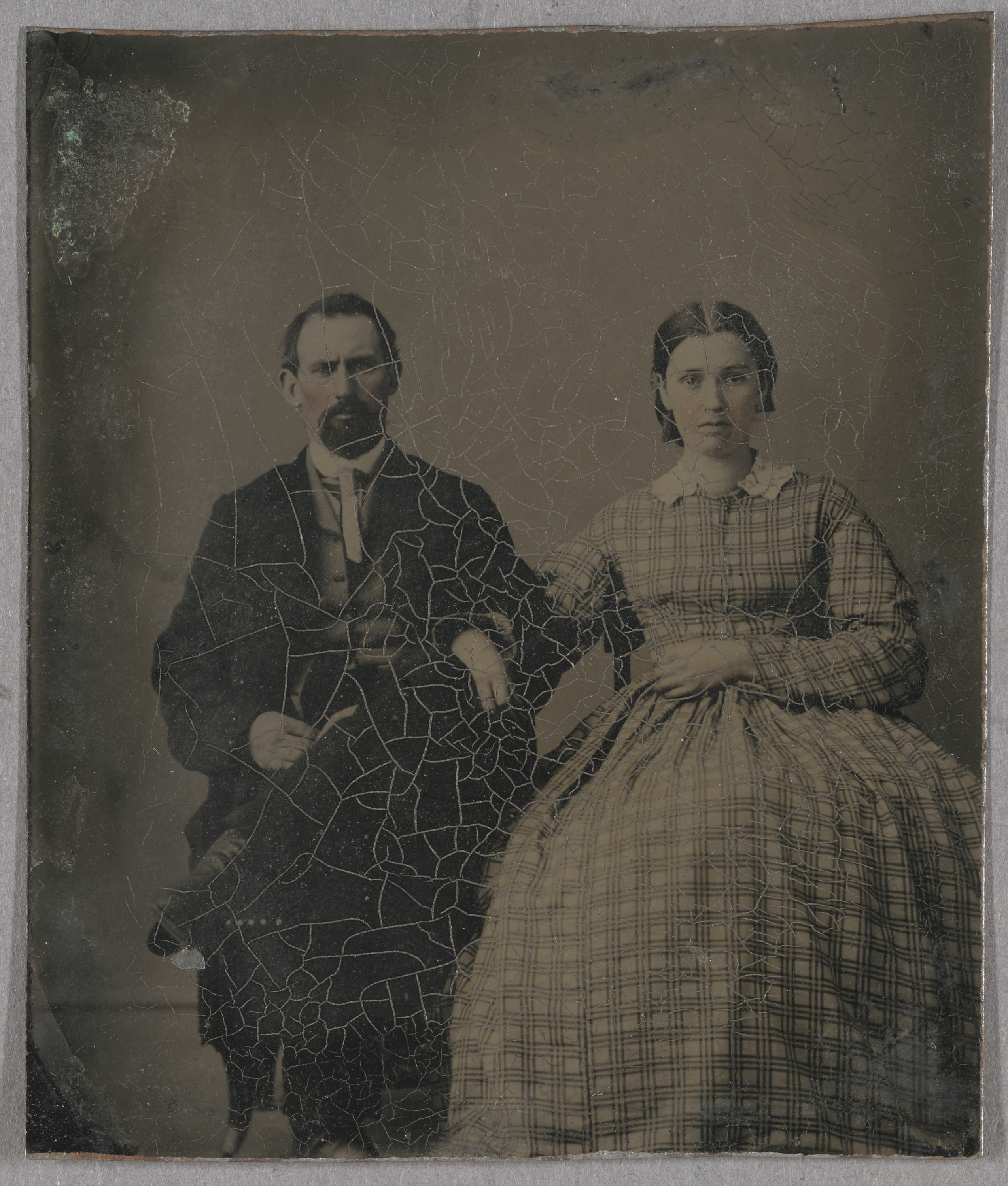
Image Credit: “Portrait of a Couple” Unknown Artist (1860s) Digital image courtesy of the Getty’s Open Content Program.
John Grey: “Maud”


MAUD

The parlor
stands for all of life,
even for those things that most resemble death,
because Maud occupies her favorite chair,
knitting a sweater for no one to wear,
out of the necessity to busy the hands,
relieve the mind of its terrible duties,
retell her story in stitch after stitch
so the end result is something warm and lovely.

A crucifix on the wall,
a husband behind glass,
bestow in silver-plate and photograph
the blessings that remain to her,
from her thick mop of white hair,
to wrinkled but active fingers,
all the way down to
the knitting needles,
the basket of wool skeins.

Jesus is nailed and hurting.
The man in uniform 
is off to war, off to heaven.
She joins them in pain
with a bend to her spine,
a much-broken heart.

But there’s still this 
sheer blood-red dreaminess
to her shapeless eyes
And her breath is like a breeze
continually rousing her aged loveliness.
Yes, it’s more of a winter wind these days.
But the chill can never settle.
And she cannot quite settle on the chill.


About the Author: John Grey is an Australian poet, US resident. Recently published in That, Dunes Review, Poetry East and North Dakota Quarterly with work upcoming in Haight-Ashbury Literary Journal, Thin Air, Dalhousie Review and Failbetter.


More By John Grey: 

Move On

Downsizing


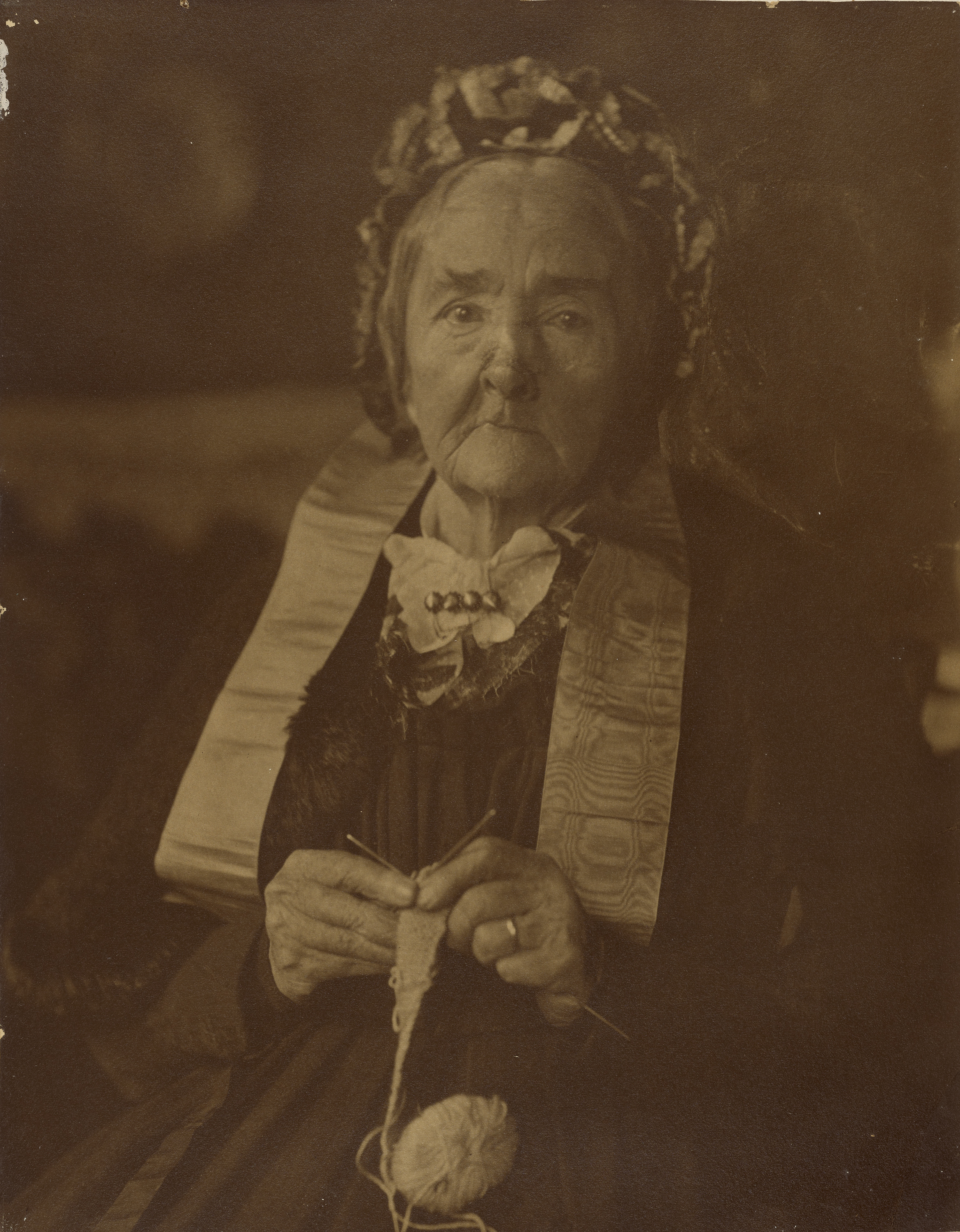
Photo Credit:  Gertrude Käsebier “Grandmother Käsebier with Knitting” (1895) Digital image courtesy of the Getty’s Open Content Program.
Rusty Barnes: “The Act of Working”


The Act of Working

The act of working occupied 
my father like an obsession,

a crushing sixty hours a week,
running a loader over and over

again into heaps of gravel
and sand, piling dump trucks

full and sending them out into
the world. Rock he loaded built

prisons and roads all over 
the states of NY and PA

but he came home every night
dirty and so exhausted he’d

eat then fall asleep, cigarette
still in his fingers and  I write

this poem over and over,
seeing my father lie there,

hoping somehow this poem,
this time, will end differently.


About the Author: Rusty Barnes lives in Revere MA with his family. His poems appear widely, in Plumb, Heavy Feather Review, and Black Coffee Review, most recently. His latest chapbook, Apocalypse in A-Minor, is out from Analog Submission Press.


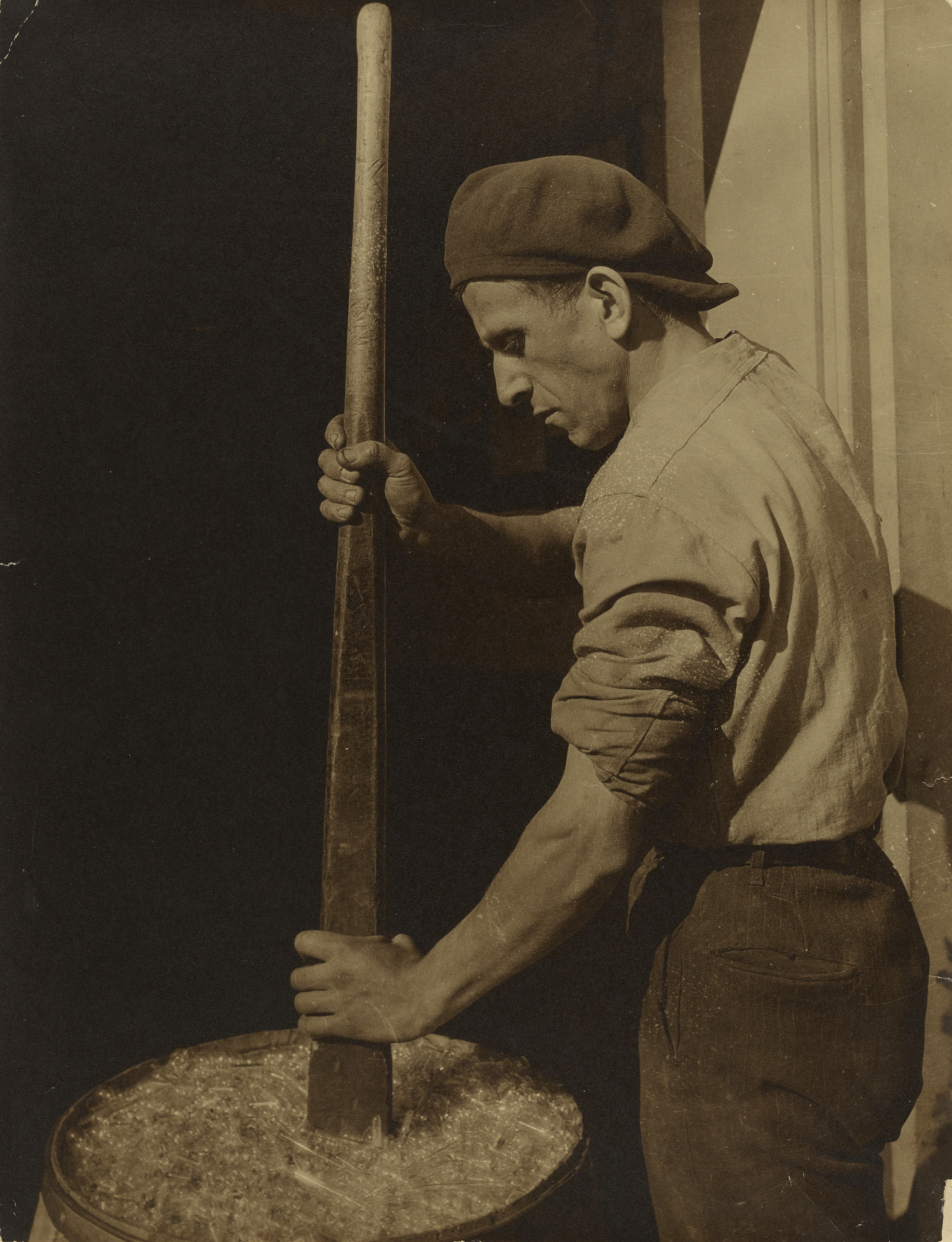
Image Credit: Lewis Hine “Factory Worker” (1931) Digital image courtesy of the Getty’s Open Content Program.
William Taylor Jr: “A Seventeen Dollar Glass of Wine and the Early Works of Matisse”


A Seventeen Dollar Glass of Wine and the Early Works of Matisse 

I’m drinking overpriced wine 
in the cafe at the Museum 
of Modern Art on a Tuesday 
afternoon.

Summer is done and the tourists 
have gone back to whatever sad places
spawned them.

Everything is quiet and civilized
as I sip the Chardonnay of the day
while reading about Baudelaire
and his miserable genius.

The women are pretty
in skirts and dresses
whispering to each other
as they gaze upon some lesser 
work of Edvard Munch.

Everything is clean, white and pristine
while outside are all the things 
the headlines drone on about:

cancer and freeway crashes 
things on fire and the inevitable 
collapse of every decent 
thing we’ve ever known.

But it all seems so far away 
and meaningless when 
compared to what Matisse 
achieved in his later years

and it feels pointless 
to dwell upon such dreariness
when confronted with Warhol’s 
comic book yellows 
and reds.

Here the mistakes of our past
have been captured and neutralized
handsomely framed and placed 
upon the walls with gilded 
plaques of explanation

so that we might see
and soberly contemplate
for a moment or two
before moving on 
to something else 

and then back downstairs 
for another glass of wine 
before everything
closes.


About the Author: William Taylor Jr. lives and writes in the Tenderloin neighborhood of San Francisco.  He is the author of numerous books of poetry, and a volume of fiction. His work has been published widely in journals across the globe, including Rattle, The New York Quarterly, and The Chiron Review. He is a five time Pushcart Prize nominee and was a recipient of the 2013 Kathy Acker Award. Pretty Words to Say, a new collection of poetry, is forthcoming from Six Ft. Swells Press.


Image Credit: “Henri Matisse Working on a Paper Cut Out” Creative Commons Public Domain

Seth Jani: “Vesper”


Vesper

It’s getting dark now.
I set down the half-finished book
and find the kingdom filling with water.
Insects murmur as the light drains
and a second radiance pours out
its alms.
May I be forgiven for never knowing
the earth closely enough?
For never discerning the small words
in the wind’s confusion?
I pause and watch the shadow
of a moment.
I count the breaths between
eons of time.
From the lip of the canyon
the blood moon almost fits
into the palm of my hand.


About the Author: Seth Jani lives in Seattle, WA and is the founder of Seven CirclePress (www.sevencirclepress.com). Their work has appeared in The American Poetry JournalChiron ReviewRust+Moth and Pretty Owl Poetry, among others. Their full-length collection, Night Fable, was published by FutureCycle Press in 2018. More about them and their work can be found at www.sethjani.com.


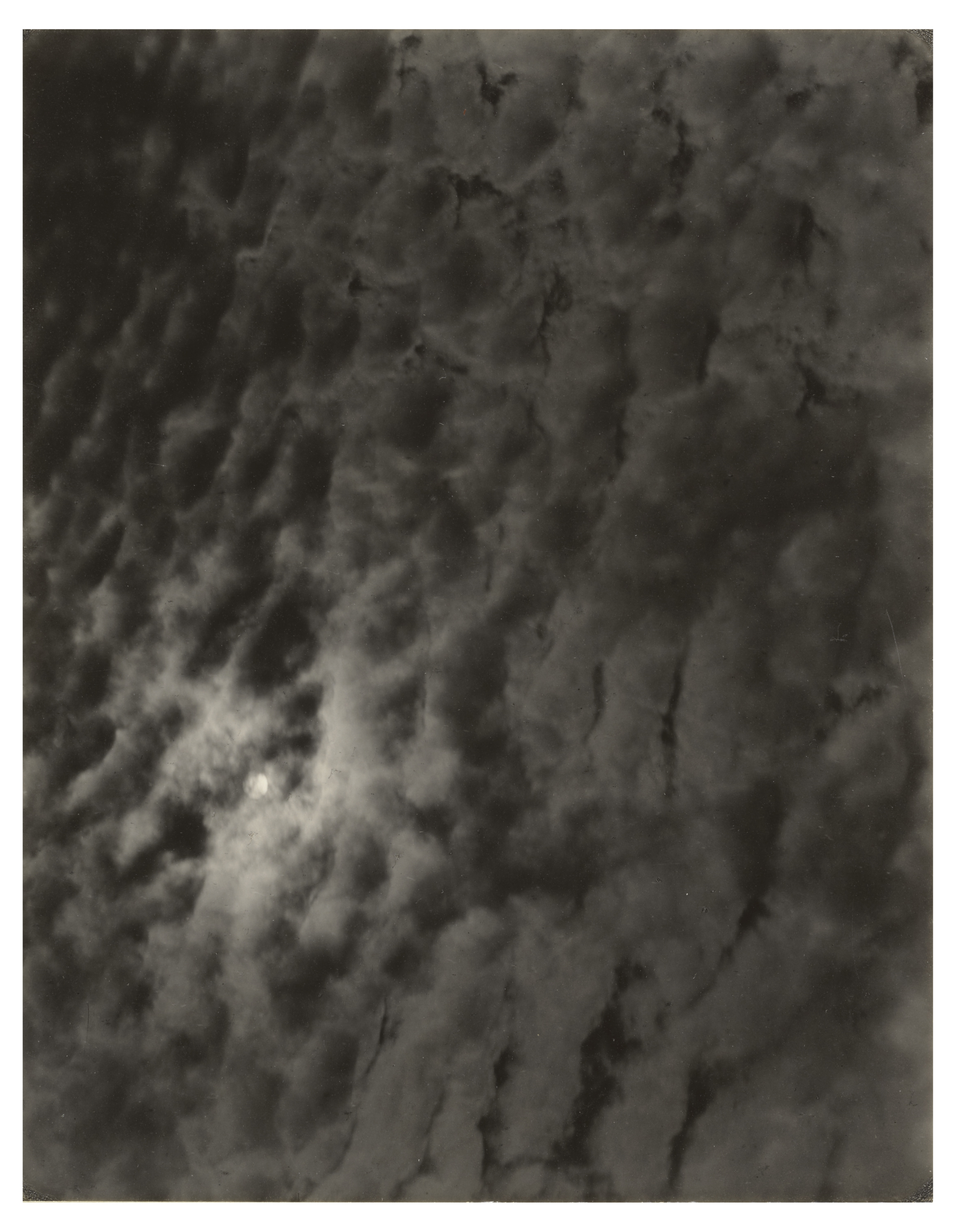
Image Credit: Alfred Stieglitz”Equivalents” (1927) Digital image courtesy of the Getty’s Open Content Program.