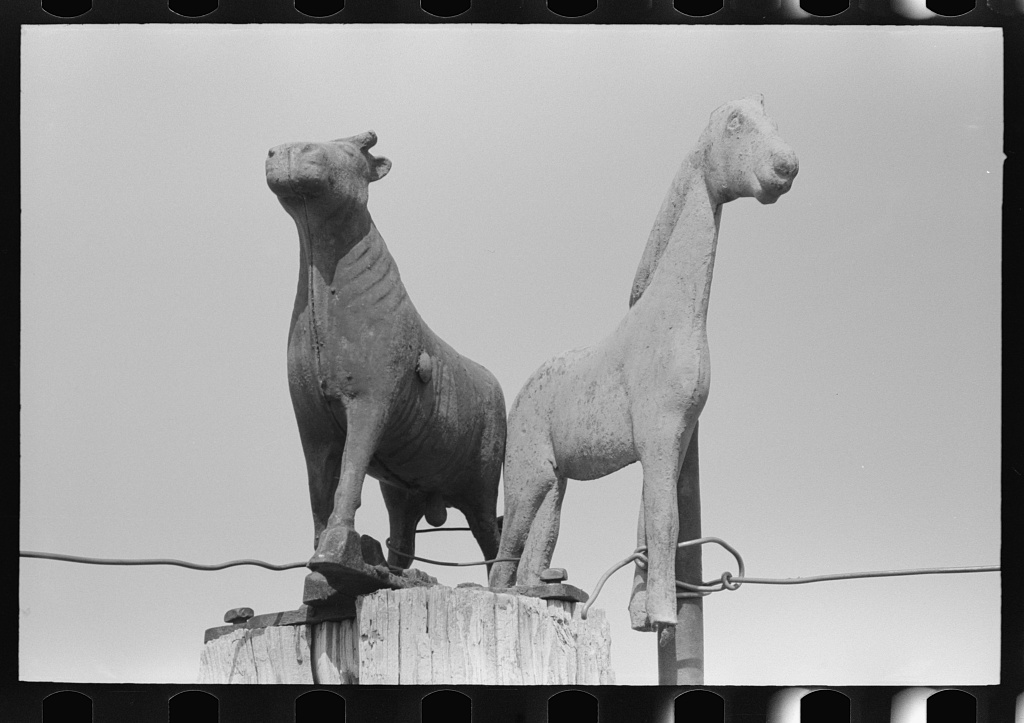
Steve Brisendine: “The Gray King of Winter’s End”

.

service-pnp-fsa-8a26000-8a26900-8a26908v

.

.

The Gray King of Winter’s End

We have lions in Kansas, of a sort, but
our sort skulks, yellow-eyed, and slinks
               from one shadow to the next.

Here, March comes in like an old badger,
surly and still possessed of claws
               with a few good scratches left.

It growls through whipping prairie grass, 
burrows down past-dusk suburban streets 
               daring you to try and stop it.

In its prime, it bit with teeth of jagged
ice, dug holes in houses, picked off and
               picked clean the unhoused.

Even in twilight it is nothing you want to 
fight for long; even dulled, its weapons
               still sting, still buffet and bruise.

It chases thunder east to Missouri, nips
at lightning’s heels, gnaws all night
               at chattering screen doors.

Whatever comes to take it to earth at last
will not wear wool, but feathers, and fly
               full speed into April, talons bared.

.

.

About the Author: Steve Brisendine is a writer, poet, occasional artist and recovering journalist living and working in Mission, KS. He is the author of two collections from Spartan Press: The Words We Do Not Have (2021) and Salt Holds No Secret But This (2022). His work has appeared previously in As It Ought to Be Magazine, as well as in Connecticut River Review Journal, Flint Hills Review, Circle Show and other journals and anthologies. He was a finalist for the 2021 Derrick Burleson Poetry Prize.

.

Image Credit: Russell Lee, “Weather vanes, Sheridan County, Kansas” (1939) The Library of Congress
Rose Mary Boehm: “Cumbrian Summer”

.

20220302061602_IMG_3351

.

.

Cumbrian Summer

The mudroom. Wildflowers on the kitchen table. 
Big eiderdowns in which I could disappear.
Mother and I played hide-and-seek
during that last summer,
before her hair fell out.

We ran through oak woodland
and pretended to fish in the tarns.

Father couldn’t come, she said.
Sometimes she’d sit by the window
looking out at nothing. 

Those were the afternoons
when I professed to read,
with deep interest, my book
on English wildflowers.
With illustrations.

In London, on a drip
of lifesaving poison,
she smiled at the memory.
And the silence
was too loud.

.

.

About the Author: Rose Mary Boehm is a German-born British national living and writing in Lima, Peru. Her poetry has been published widely in mostly US poetry reviews (online and print). She was twice nominated for a Pushcart. Her fifth poetry collection, DO OCEANS HAVE UNDERWATER BORDERS, has just been snapped up by Kelsay Books for publication May/June 2022. Her website: https://www.rose-mary-boehm-poet.com/

.

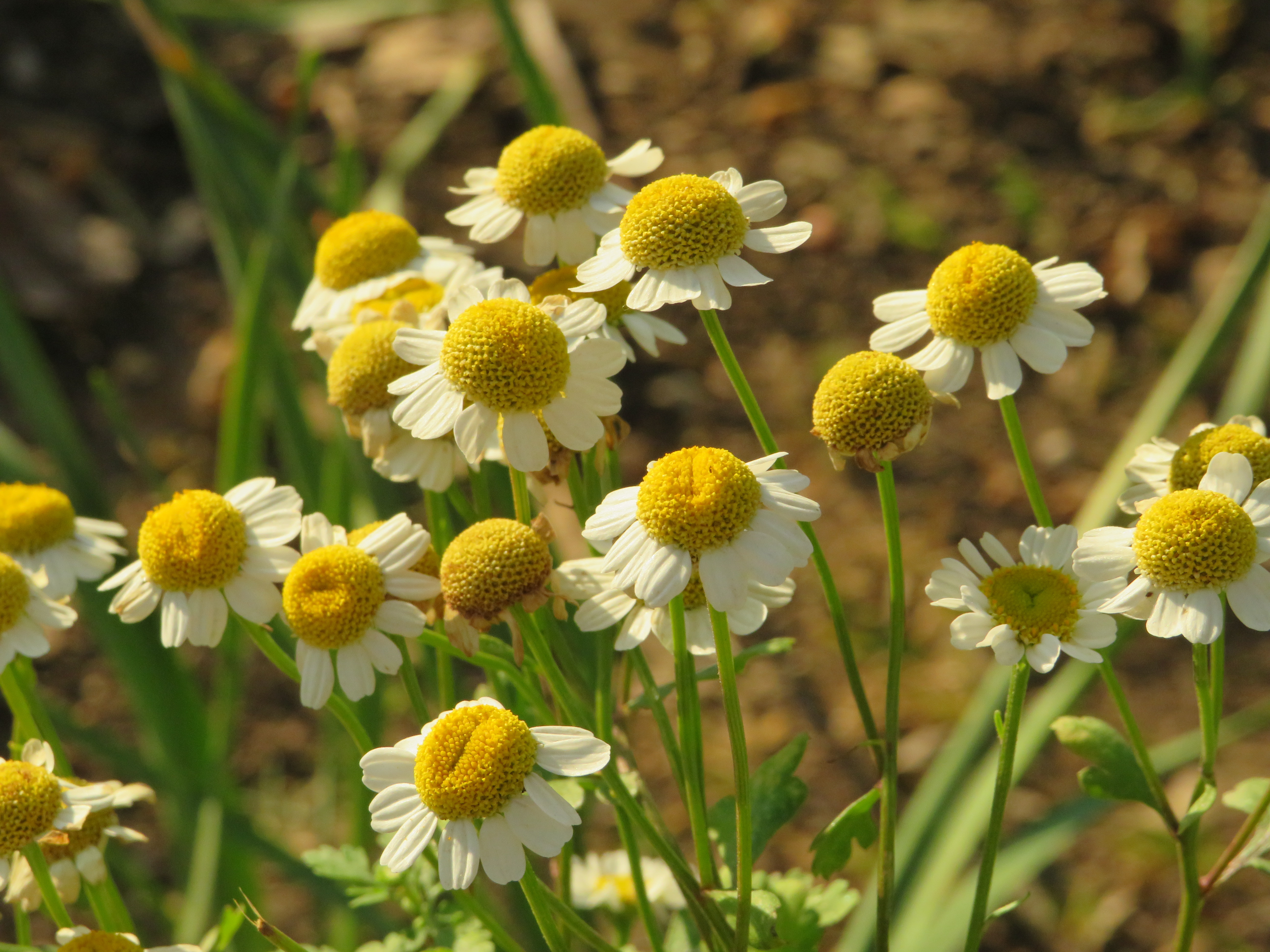
Image Credit: Chase Dimock “Wild Daisies” (2022)

Larry Smith: “March 31, 1852 in Thoreau’s Journal”

.

imgonline-com-ua-andy-warhol-rVfEVH7gPnFP

.

.

March 31, 1852 in Thoreau’s Journal:
What would the days, what would our life, be worth, if some nights were not dark as pitch, – of darkness tangible or that you can cut with a knife? How else could the light in the mind shine? How should we be conscious of the light of reason? If it were not for physical cold, how should we have discovered the warmth of the affections? I sometimes feel that I need to sit in a far-away cave through a three weeks’ storm, cold and wet, to give a tone to my system. The spring has its windy March to usher it in, with many soaking rains reaching into April. Methinks I would share every creature’s suffering for the sake of its experience and joy.

.

March 31, 1852 in Thoreau’s Journal:

What would the days, what would our life, be worth, 
if some nights were not dark as pitch, 
of darkness tangible or that you can cut with a knife? 
How else could the light in the mind shine? 
How should we be conscious of the light of reason? 
If it were not for physical cold, how should we 
have discovered the warmth of the affections? 

I sometimes feel that I need to sit in a far-away cave
through a three weeks’ storm, cold and wet, 
to give a tone to my system. 
The spring has its windy March to usher it in, 
with many soaking rains reaching into April. 
Methinks I would share every creature’s suffering 
for the sake of its experience and joy.

.

.

About the Author: Larry Smith, director of Bottom Dog Press in Ohio. Smith is from the industrial Ohio Valley and a professor emeritus at Bowling Green State University with over a dozen books of fiction, poetry, and memoir.

.

More By Larry Smith:

No Walls

Union Town

At The Country Store

.

Matthew Wallenstein: “Washington”

.

service-pnp-highsm-50400-50459v

.

.

Washington

Low 
tide. Across the bay 
the mountains are blue in moving fog. 
Animal 
corpse
in the brown grass. 
Headless and skinned.
About the size of a dog. Max says 
he thinks it is a deer that went 
In the ocean and drowned, 
washed up on shore. I nod, 
I don’t smile and I don’t mention its flippers.
Around a bend 
on the beach we find another—
skinned, headless. 
Its ribs grey, yellow, bending 
from its pile of body. It smells 
like seawater and rot. 
The flippers are splaying out 
more obviously this time, 
he sees them. 
“Oh,” he says, “it’s a seal, they are seals.”
I don’t let him forget 
that he thought it was a deer 
that went swimming.

.

About the Author: Matthew Wallenstein is a writer and tattooer. He lives in the Rust Belt. Much of his work concerns growing up in poor rural New Hampshire, the deportation of his wife, and mental illness, though it also captures every day life.

.

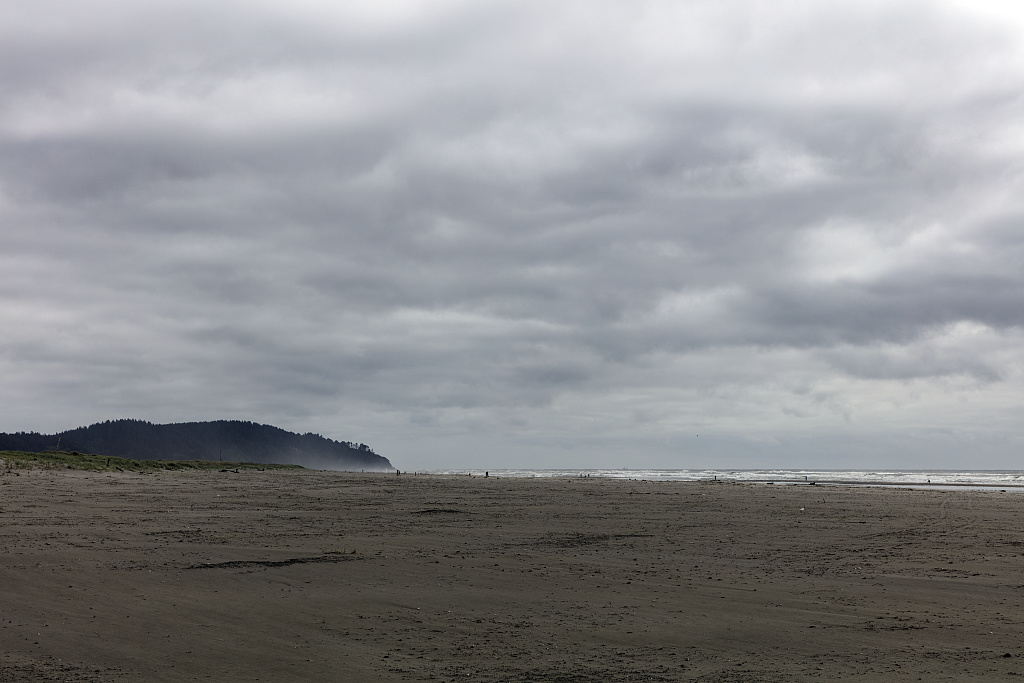
Image Credit: Carol M. Highsmith, “A distant shoreline view in a Washington State town fittingly called Long Beach, since it advertises its 28-mile-long Pacific Ocean strand as “the world’s longest beach.” (2018) The Library of Congress

Joanna George: “woodpeckers”

.

51068443446_0dee97a4bd_o

.

.

Screenshot 2022-03-16 140342

.

.

About the Author: Joanna George (She/Her) writes from Pondicherry, India. Her poems appear or are forthcoming in Parentheses Journal, Cordite Poetry Review, Isele magazine, Honey Literary, Borderlands: Texas Poetry Review, West Trestle Review, Lumiere Review, Paddler Press and others. She tweets at j_leaseofhope.

.

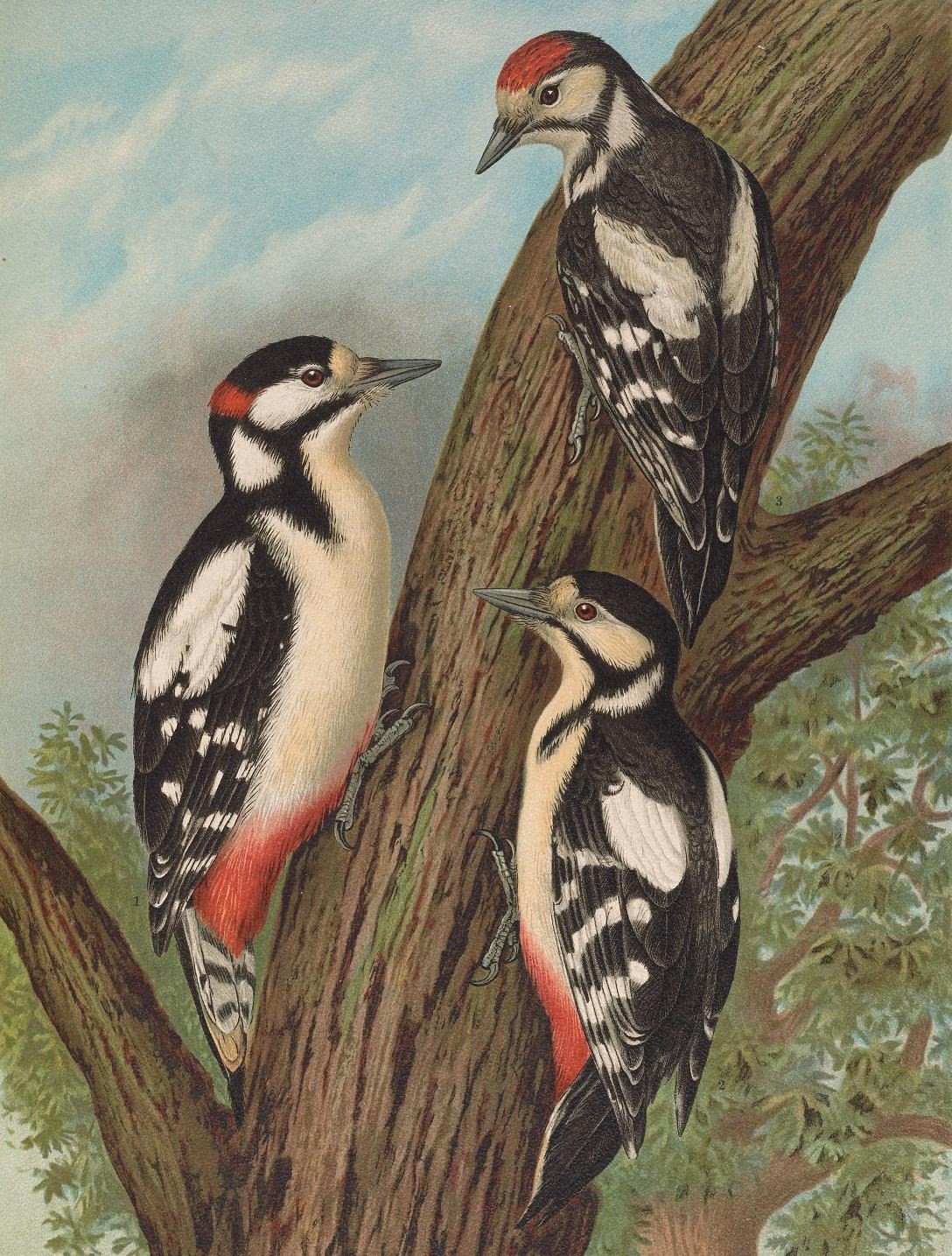
Image Credit: Image from Naturgeschichte der Vögel Mitteleuropas Gera-Untermhaus,F.E. Köhler,1897-1905 [v.1, 1905] Courtesy of the Biodiversity Heritage Library (public domain)

Sheila Saunders: “It is still, now”

.

36780433052_f377933e9c_o

.

.

It is still, now

The winds have exhaled with the tide, and the afternoon.
 Here the fields draw in the winter dusk,
drain the westerly plum- juice streaks
greying the pink and yellow 
in slow minutes. 

It is still.
No chatter or shriek from the magpies
dumb on  black poplars’ broom-like branches
or aimlessly flopping over  sodden grass
crossing-  re-crossing. 

A near silence
wraps   the watcher in  comfort, 
who
 not hearing the  air breathing,
nor a leaf slip’s infinitesimal whisper,
is still, too.

.

.

About the Author: Sheila graduated from St Anne’s College, Oxford, with a degree in English Language and Literature, and since then worked as a reporter on local weekly and daily newspapers  in Lancashire, Lincolnshire and Buckinghamshire. After marriage to another journalist in 1961, Sheila brought up three children and continued to write as a freelance, and became involved in community organisations in Wirral, and voluntary work with special needs young people. She has always loved  theatre, music and art, but it is her observation and fascination with  her natural surroundings, including the wildlife of the coast, that has inspired most of her poetry.

.

More by Sheila Saunders: 

April Visitor

.

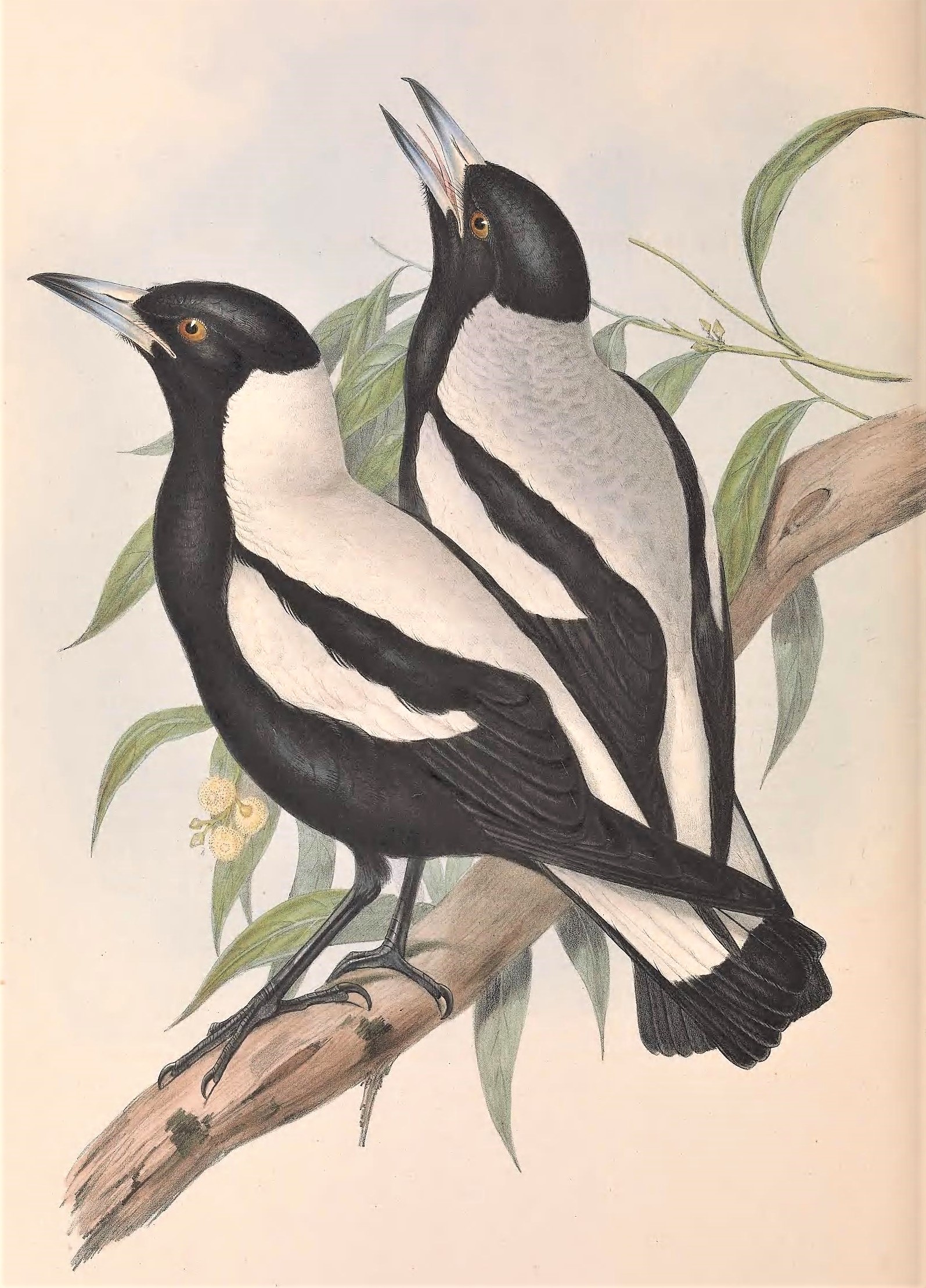
Image Credit: Image from, The birds of Australia. London, Printed by R. and J. E. Taylor; pub. by the author,[1840]-48. Image courtesy of The Biodiversity Heritage Library (Public Domain)

Jason Baldinger: “temporal, temporary and gone”

.

20220307_095500

.

.

temporal, temporary and gone

it’s black out in bar harbor
days after a thanksgiving 
prayer that was spoken
with no meaning, here it’s 
offseason and sunday
few residents creak 
through the vacant glaze
the early arrival of pitch black
the stars not shielded by light 

I follow a fiddlehead fern
down to a trout hatchery
where generations of tourist
feasted, fifty cents for each
wild caught dream cooked
over fire, picnic benches
for the family while you wait 

next month, i’ll be miles down coast
walking rehoboth beach with wine
stains and fireworks, dolle’s taffy
orange and boardwalk lights
lead me back from the mouth 
of breakers, footprints already
washed away, the infinite space
stoned and stealing time again
the new year a dragon
slayed at my feet 

these places, theses years
whisk by, dust in my beard
atoms along the air, no meaning
in moments anymore
it all builds to crescendo
I’ll never hear, this reality
a bubble, a vessel through 

tonight, memories flood
a mad swirl of stations 
some past, some present
some future, all materialize
temporal, temporary and gone

.

.

About the Author: Jason Baldinger was recently told he looks like a cross between a lumberjack and a genie. He’s also been told he’s not from Pittsburgh, but actually is the physical manifestation of Pittsburgh. Although unsure of either, he does love wandering the country writing poems.  His newest books include: A Threadbare Universe (Kung Fu Treachery Press), The Afterlife is a Hangover (Stubborn Mule Press) and A History of Backroads Misplaced: Selected Poems 2010-2020 (Kung Fu Treachery). He also has a forthcoming book with James Benger called This Still Life. His work has been widely across print journals and online. You can hear him read his work on Bandcamp and on lp’s by The Gotobeds and Theremonster.

.

More Poetry by Jason Baldinger:

This Ghostly Ambiance

It was a Golden Time

Beauty is a Rare Thing

.

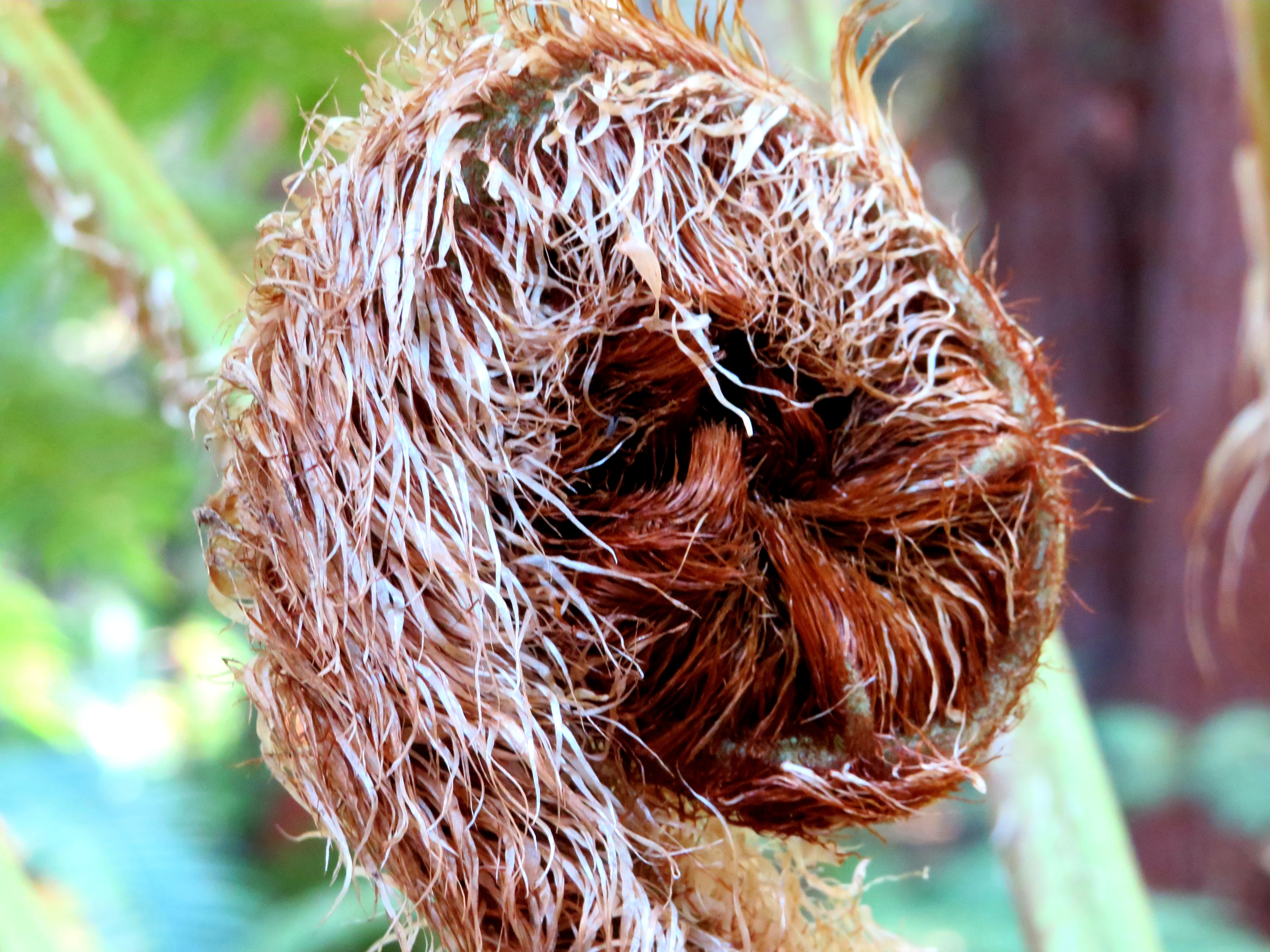
Image Credit: Chase Dimock “Fiddlehead Fern” (2022)

Barbara Daniels: “At Shearness Pool”

.

5632199255_1063c90a70_o

.

.

At Shearness Pool

After rain sandpipers snoop 
for food at the runoff pond 
by the old tennis courts, caught 

in the tides of migration. 
I ask a painter at his easel 
how to live. He says to choose 

exacting silence. Eight turkeys, 
not really wary, step gracefully 
out of the brush. Like a hunter, 

I hold my breath. It’s sudden 
joy to spot an owl mobbed 
by blackbirds, find orioles 

hidden like lovers, like fat 
jewels. I’m happy eating 
my tuna sandwich 

and watching an eagle 
across Shearness Pool. She stuns 
me to stillness. I ask a hiker

how to live. She says 
to watch silver water just 
as the eagle lifts her wings.

.

.

About the Author: Barbara Daniels’ Talk to the Lioness was published by Casa de Cinco Hermanas Press. Her poetry has recently appeared in Concho River Review, Dodging the Rain, and Philadelphia Stories. She received four fellowships from the New Jersey State Council on the Arts, the most recent in 2020.

.

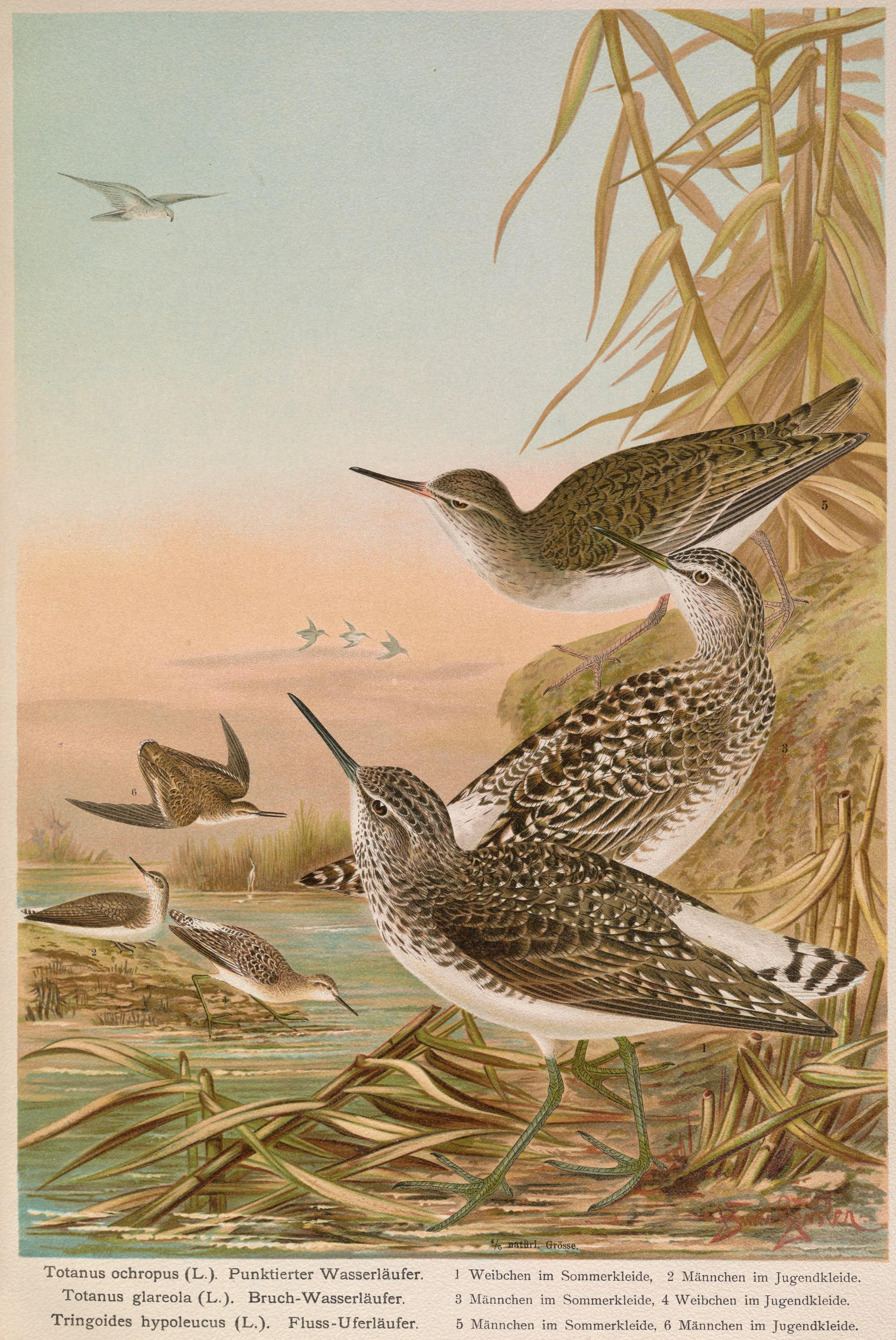
Image Credit: “A beautiful scene of some sandpipers at sunset” courtesy of the Biodiversity Heritage Library (public domain)

Julia Wendell: “Owl”

.

9495763530_ac351a4211_o

.

.

Owl,

High up in the crown
of a Monterey cedar,
saucer-yellow eyes
blinking down at us.
“Bird,” says the wee one.
“Owl,” I specify.
Next morning, he’s still
perched on the shaggy fronds,
a mouse in his talons, blood
stippling his feathers.
“Mouse,” says the girl.
“Dinner,” I elaborate.
I am not above revealing
violent cycles of need
to even the smallest soul.
It will eventually make sense.
She will grow up
and learn to kill and kill and kill—
bugs, engines, books, time, love.
But for now, the bird stays high up 
at the center of our globe.
“Owl,” says the budding girl.
“Life,” says the old one, me.

.

.

About the Author: Julia Wendell‘s sixth volume of poems. THE ART OF FALLING, will be published by FutureCycle Press in February, 2022. She lives in Aiken, South Carolina, and is a three-day event rider.

.

Image Credit: Image from A Natural History of Birds (Public Domain) Image courtesy of The Biodiversity Heritage Library

Ruth Hoberman: “Make Way for Ducklings”

.

51098874826_f041ddb320_o (1)

.

.

Make Way for Ducklings  

Willows drag green fingers through our hair 
as we walk the Public Garden with our granddaughter, 
looking for ducks. I’ve never seen trees like this before,  

she says, climbing the thick roots knobbed like knuckles 
grasping dirt. We want to show her wonders,  we want to
justify—what, the stories we tell her?  

We want to justify the world. All we see are geese 
until two mallards arrive, one green-headed, 
the other gray—Mr. and Mrs., just like the book!  

I don’t mention patriarchy as I point out the male’s 
sunlit green and handsome ringed neck. Both 
seem dignified, content, deserving any help they get  

from nice policemen. So much depends  
on what we don’t discuss as we meander, cold, 
yet almost blinded by the low October sun.  

Then we pass what none of us has ever seen: 
a man decked in xylophones and stuffed dogs, 
birds, bangles, and tambourines, all dangling  

as he growls a bluesy song about sky and wings: 
So hush, little baby, don’t you cry. We watch, 
all three of us amazed as he, too, urges a child  

to trust the world. One of these mornings  
may the world justify our praise.

.

.

About the Author: Ruth Hoberman mainly lives in Chicago. She writes poetry and essays, which have been published in such places as RHINO, Calyx, Smartish Pace, Naugatuck River Review, and Ploughshares.

.

Image Credit: Image from Naturgeschichte der Vögel Mitteleuropas Gera-Untermhaus,F.E. Köhler,1897-1905 [v.1, 1905]. Courtesy of The Biodiversity Heritage Library