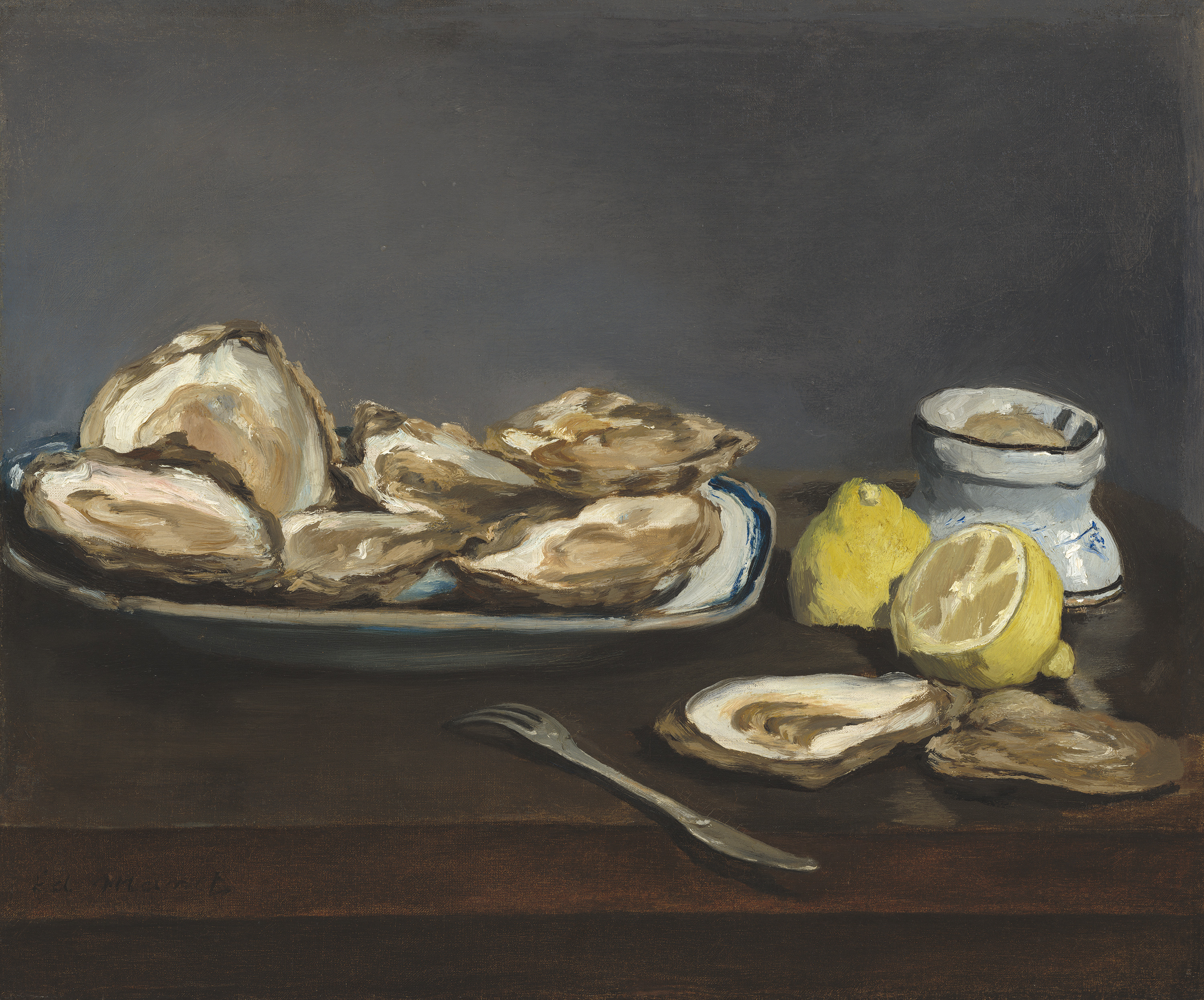
The Oysters
The better oysters on this plate are smoked,
then dried, the abundant bivalves brought
from dugout canoes. We sit by the only window
lessened by blue curtains, never loosened.
The shadow of the cubicle, you say,
was too always for you, as if the sun
pushed itself away. On your long walks home,
you would step through people’s breaths
just to feel the heat. An occasional candle
decorates each table. A small vase contains
a smaller flower, its yellow wilting.
If only the oysters could shell you inside,
shield you from horse drawn ice plow,
Hudson Iron, anthracite coal.
Watch hemlock brick tan into leather,
quite accidentally, just as it happens.
This restaurant is crowded, therefore endless.
Each table is its own bottomless moment.
We speak as though the long ago
occurred yesterday, as if it became
pregnant with every imagined memory
of us. In May, when the mollusks harvest,
when we would have cut our own hair
and revel in its distance. The waves roll over
soil erosion, raw sewage, the resistance
of living from being alive.
“The ravages of the axe are daily increasing”
said Thomas Cole, but he forgot about how
we open each oyster with our tiny utensils,
bringing forth a single bite. Hunger is so vigilant.
Find a bowl that’s not filled up,
as in this room of which a later room
might be formed, as in a catch of oysters
lost in their own banks, bartered
for trade, their shells carved for knives.
If we look quickly, they will be moving.
About the Author: Brian Chander Wiora teaches poetry at Columbia University, where he is an MFA candidate. His poems have appeared in Rattle, Gulf Stream Magazine, The New Mexico Review, Alexandria Quarterly and other places. Besides poetry, he enjoys listening to classic rock music and performing stand up comedy.
Image Credit: Édouard Manet “Oysters” (1862)
 As It Ought To Be

