“Chimney Swifts” By Marc Frazier


Chimney Swifts

He did it by the storm cellar.
He filled a bucket with water, set it on the ground.
We couldn’t think of one reason
to drown little black birds.
When my sister cried, he said it had to be done.

We said we would never grow up,
that we would rather die.
We did not watch so we never knew where he put
the bodies.  But his hands became powerless to touch us.

She belonged to his world in some things

this strange woman whose hands
were always leaving her side to create space,
to move things about, to bring something warm to her breast.

The next morning he cooked bacon and eggs.
He stood motionless but for one arm
scrambling eggs while mother
with fluttering hands prepared a table.


(Originally published in Primavera in the late 1980’s; won an Illinois Arts Council Award in poetry)


About the Author: Marc Frazier has widely published poetry in journals including The Spoon River Poetry Review, ACM, Good Men Project, f(r)iction, The Gay and Lesbian ReviewSlant, Permafrost, Plainsongs, and Poet Lore. Marc is the recipient of an Illinois Arts Council Award for poetry and has been nominated for a Pushcart Prize and a “best of the net.” His book The Way Here and his two chapbooks are available on Amazon as well as his second full-length collection Each Thing TouchesWillingly, his third poetry book, will be published by Adelaide Books New York in 2019. His website is http://www.marcfrazier.org.


More by Marc Frazier: 

Sent My Way

Remainders


Image Credit: From Gray lady and the birds; stories of the bird year for home and school By Mabel Osgood Wright (1907) Public Domain

“In the Building” By Tony Gloeggler


IN THE BUILDING

The group home is getting dressed
for Halloween and Harry’s picked
the shiny white Elvis jump suit.
It’s way too tight. Two counselors
struggle to pull the top over
his shoulders, finally fit his arms
into sleeves. His stomach sticks
out like he’s ten months pregnant
and the workers try not to laugh.
Harry wants to know whether
he can eat five slices of pizza
at the party as he struts
toward the mirror, announces
that he looks like a fucking
dickhead. I nod, tell him
he sure does, ask if he prefers
the Humpty Dumpty costume.
He pauses, curls his top lip
like the King, strums an imaginary
guitar and sings I Can’t Help
Falling In Love as the workers
slow dance across the floor.


(This poem first appeared in Quercus)


About Tony Gloeggler: I am a life-long resident of New York City and have managed group homes for the mentally challenged for over 35 years. My work has appeared in Columbia Poetry Review, Rattle, The Examined Life Journal, Raleigh Review, New Ohio Review, Stirring and The NY Times. My full length books include One Wish Left(Pavement Saw Press 2002) and Until The Last Light Leaves (NYQ Books 2015) which focused on my job and the autistic son of a former girlfriend. My next book, What Kind Of Man, will be published by NYQ Books in 2019.


More By Tony Gloeggler

“Crossing”

“Visitor’s Day at the Group Home”


Image Credit: “You Auto Have a Happy Hallowe’en” International Art Publishing Company (1907) Missouri History Museum, Public Domain

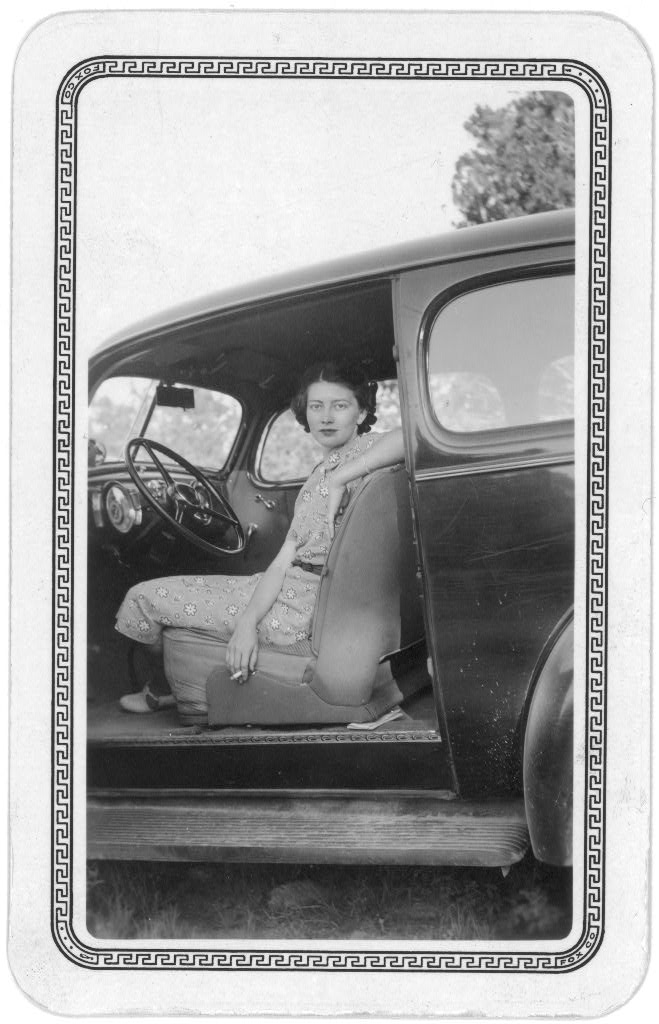
“Reflections in the Windows of Your First Car” by Jeanette Powers


Reflections in the Windows of Your First Car

With my first driver’s license
and the 5-speed shifter
of a gold 1984 Plymouth Turismo
gripped in my hands
I drove out of the suburbs
and into the big city
knowing nowhere to go.

Grinding gears through Raytown
passing the long sewer of Brush Creek
I found myself in Midtown Kansas City
took a left on 39th Street from Main
and flashing lights pulled me
into the bank parking lot
immediately.

I didn’t know what to do
when justice is demanded
I popped out of the car
and just began to beg
it’s my first day driving
my mom will kill me
I promise it won’t happen again.

Then I catch a glimpse of myself
in the reflection of the window
and see my face covered
in armadillo stamps
from goofing around
with Sam after school,
who we, of course, all called Scooby.

My heart falls out, because I think
no one looking so foolish
will ever get out of anything
could never be taken seriously
and I surrender myself to my fate
look the officer straight in the eye
and just say, I’m sorry.

He pats me on the shoulder
and laughs, be more careful next time
and drives away, I watched that man
choose mercy over justice
two decades later, I still think of him
and the power of an honest apology
every nowhere I go.


About the Author: Jeanette Powers: poet, painter, philosopher, professional party dancer and working class, anarchist, non-binary queer. Here to be radically peaceful, they are a founding member of Kansas City’s annual small press poetry fest, FountainVerse. Powers is also the brawn behind Stubborn Mule Press. They have seven full length poetry books and have been published often online and  print journals. Find more at jeanettepowers.com and @novel_cliche


Image Credit: Ruby T. Lomax “Woman Sitting in Car, Texas” (1937) The Library of Congress

Two Poems By Kevin Ridgeway


Fake Dad

i was walking out of a liquor store
and he came right at me
with his grey hair and dyed mustache
i realized it was the ghost
of my incarcerated father,
who I’ve been searching
for all my life.


Midnight Shenanigans

when the rest of the world has let me down,
I amuse myself in the dark with jokes and
invisible girlfriends, waiting for the next best thing 
to happen in my imagination, if not ever in this 
extinguished flame we know as the disappointment 
of reality, a reality we struggle in our words 
to transform the pain into something profound. 


About the Author: Kevin Ridgeway is the author of Too Young to Know (Stubborn Mule Press).  Recent work can be found in Slipstream, Chiron Review, Nerve Cowboy, Main Street Rag, The American Journal of Poetry, Big Hammer, Trailer Park Quarterly and So it Goes:  The Literary Journal of the Kurt Vonnegut Memorial Library.


More By Kevin Ridgeway:

Sally with the Accent

Five Hundred Channels and Nothing On

My Nephew and I Escape from Prison


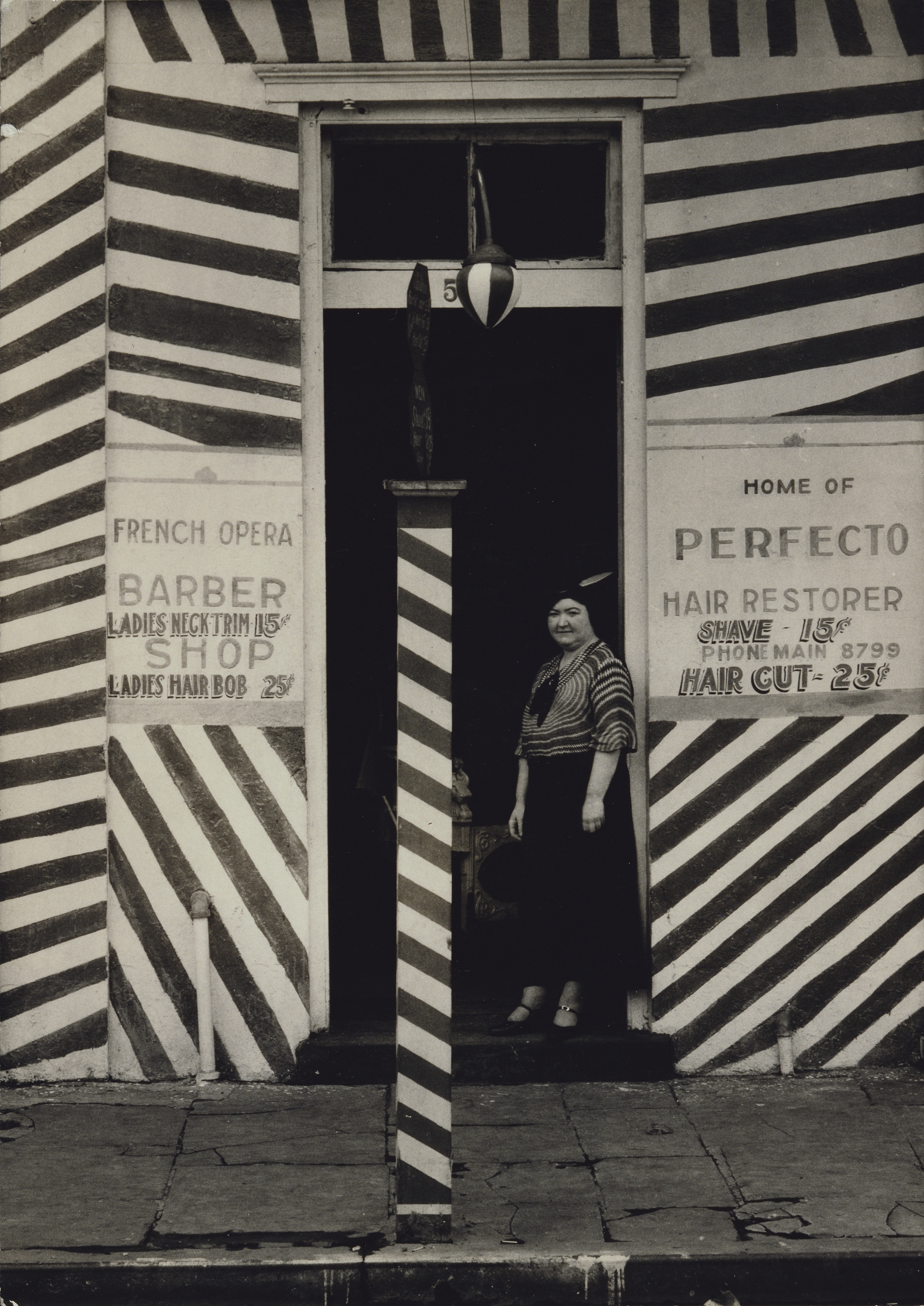
Image Credit: Walker Evans “Sidewalk and Shopfront, New Orleans” (1935) Digital image courtesy of the Getty’s Open Content Program

“Untold Story” By Kory Wells


Untold Story

She was religious     about reading aloud
         Ann Landers’ advice in the Free Press
              Jello salad recipes in Good Housekeeping
                   letters and postcards from cousins
    and one odd relation    all the way in Australia.

         But neither of us ever     said a word about
the National Enquirer
         which she’d pick up in the Winn Dixie checkout
              next to the gum and chocolate bars     
    as if it were essential           as milk and sugar.

Back from the grocery
              on a summer afternoon
         she’d start supper
              and I’d slip away
          to the over-warm sanctuary
                             of her modest living room:
                   thin floral carpet   knotty pine walls
                       and a nubby mauve sofa where I—
                                  a sensitive and impressionable child—
              would spread the tabloid
and kneel before it

              to absorb    cover to cover
                           and back again
                                           until my knees ached
the gospel of my disbelief:
                    a moon-landing hoax    
         an alien abduction     a two-headed
                                 motherless kitten nursing
                           a domesticated squirrel
              and of course the secret
                                             lives of stars.

What is it that makes us want to swallow
         a story whole?      To think
                   only one version can be true?

We were not          true disciples
    but my grandmother      tended the altar of
                             narrative possibilities
         this woman with an eighth-grade education
                           who I never saw reading a book.


About the Author: Kory Wells is a poet, writer, storyteller, and advocate for the arts, democracy, afternoon naps, and other good causes. In 2017 she was named the inaugural poet laureate of Murfreesboro, Tennessee, where she also founded and manages a reading series. Her poetry collection Sugar Fix is forthcoming from Terrapin Books. Read more of her work at korywells.com.


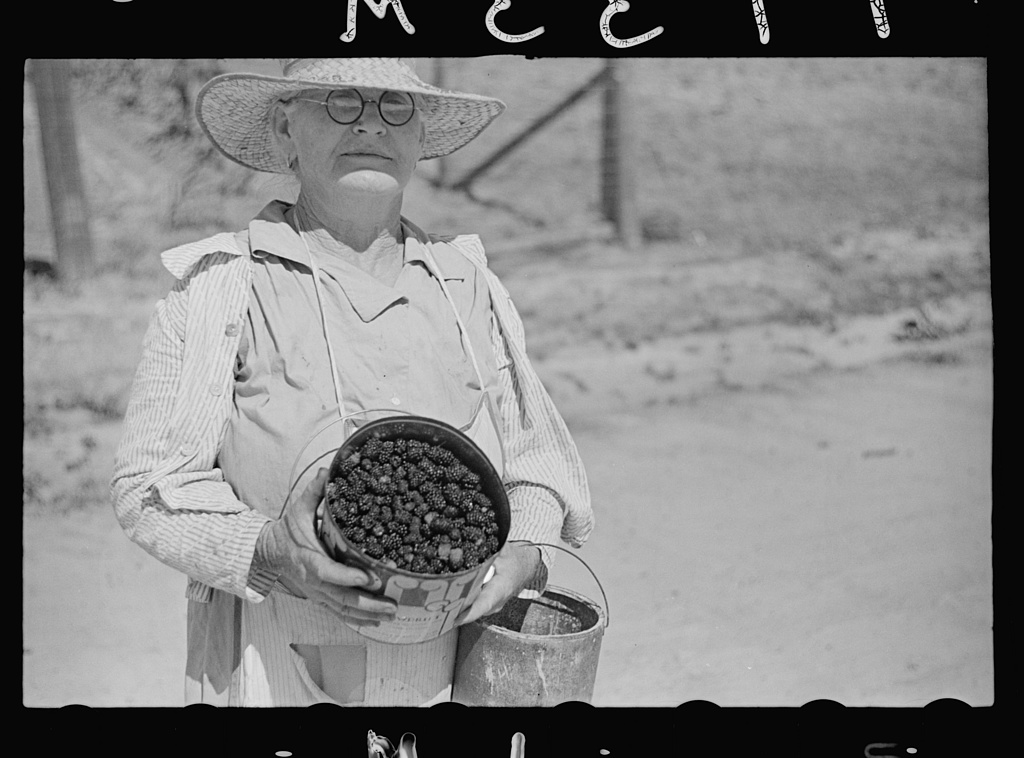
Image Credit: John Vachon “Grandmother MacDuffey with blackberries she has picked from nearby swamps. Irwinville, Georgia” (1938) The Library of Congress


“No Walls” By Larry Smith


15584v


No Walls

Where is the wall that can hold us
keep us from each other’s love?
Artifice is nothing before spirit
mind melted by heart.
Dogs bark at its corners
bay at rocks stacked high,
cement poured into would-be tombs.
Birds fly over, creatures dig under,
people reach through and around.
We paint its face, tear it down by night.
Sun, moon, and stars deny it.
O, where is the wall that can hold us,
keep us from each other’s love?


About the Author: Larry Smith is a poet, fiction writer, and editor-publisher of Bottom Dog Press in Ohio where they feature a Working Lives and an Appalachian Writing Series. He is also the biographer of Kenneth Patchen and Lawrence Ferlinghetti. He lives in Huron, Ohio, along the shores of Lake Erie.


More by Larry Smith:

Wages


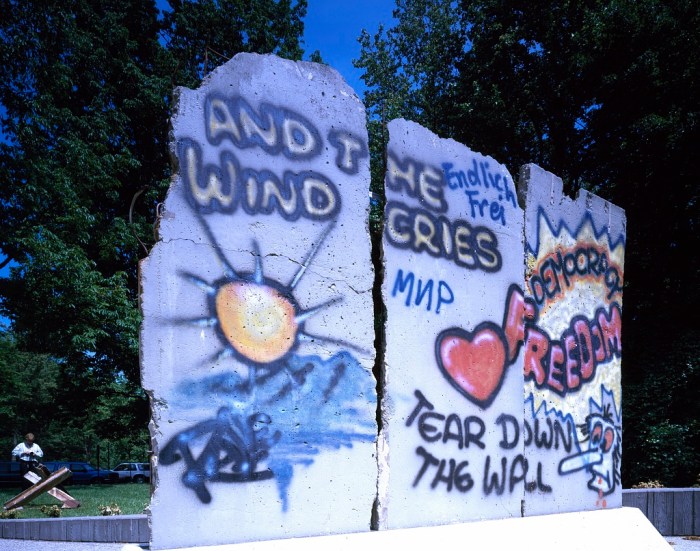
Image Credit: Carol M. Highsmith “Piece of the Berlin Wall displayed at the Newseum museum, Arlington, Virginia” from The Library of Congress

“Down Tobacco Road, Where The Leaves Fell” By Nick Soluri


Down Tobacco Road, Where The Leaves Fell

There were plastic-wrapped blankets and the smell of ammonia,
fans on high all over the front room and scuff marks from the beds wheels,
and theyd brought her home like that, and she began to sleep again.
There was a hat, a thin blue sheet like a doily, (she had those all over
the house, different designs, she took pride in them) and her sunken eyes
were gray and tired, and that was not how she always looked at me.
She didnt talk except for a few words, a few coughs,
a few cries from the chest tube cleanings, I remember that
red liquid coming out of her and into a machine, and how I
saw a bionic thing, hardly a woman, a creature unknown to me.
The sun peaked through the window cautiously, as to not disturb,
beginning with a spot on the floor and creeping to her bed,
up her towel covered legs and onto her thin hands.
Those hands created this home, that one blanket, all the smiles
we gave to her before she got real bad, the way I still remember her.
I was always kept in the dark about things like that, we all were,
us kids werent supposed to know the inner workings of pain,
her kind of pain, a different kind that caused my mother to weep out of fear.
Her mouth was slightly open, a hand on my little shoulder,
the sun outside hit my back felt warm and comforting,
and I wanted her to feel that way too.
So I took the suns warmth from my back and let it flow through my fingers,
like beams out of my hands and onto hers, but hers were cold.

There were rows of tobacco out of the window, we sped down the road,
my mother and father, my sister, we were quiet, just sitting in the
dark listening to the hum of the wheels on the pavement, an innocuous bump or two.
The dark night was clear, clear like eyes glistening in autumnal air,
and the leaves swirled behind us, different shades of reds and yellows,
and I heard my mother begin to cry, and thats when I began too.


About the Author: Nick Soluri is a writer from New York.  His words have appeared in Five:2:One Magazine, Boston Accent, Ghost City Review, Selcouth Station, Occulum, Anti-Heroin Chic Magazine, and others.  He tweets @nerkcelery


More by Nick Soluri:

Mementos


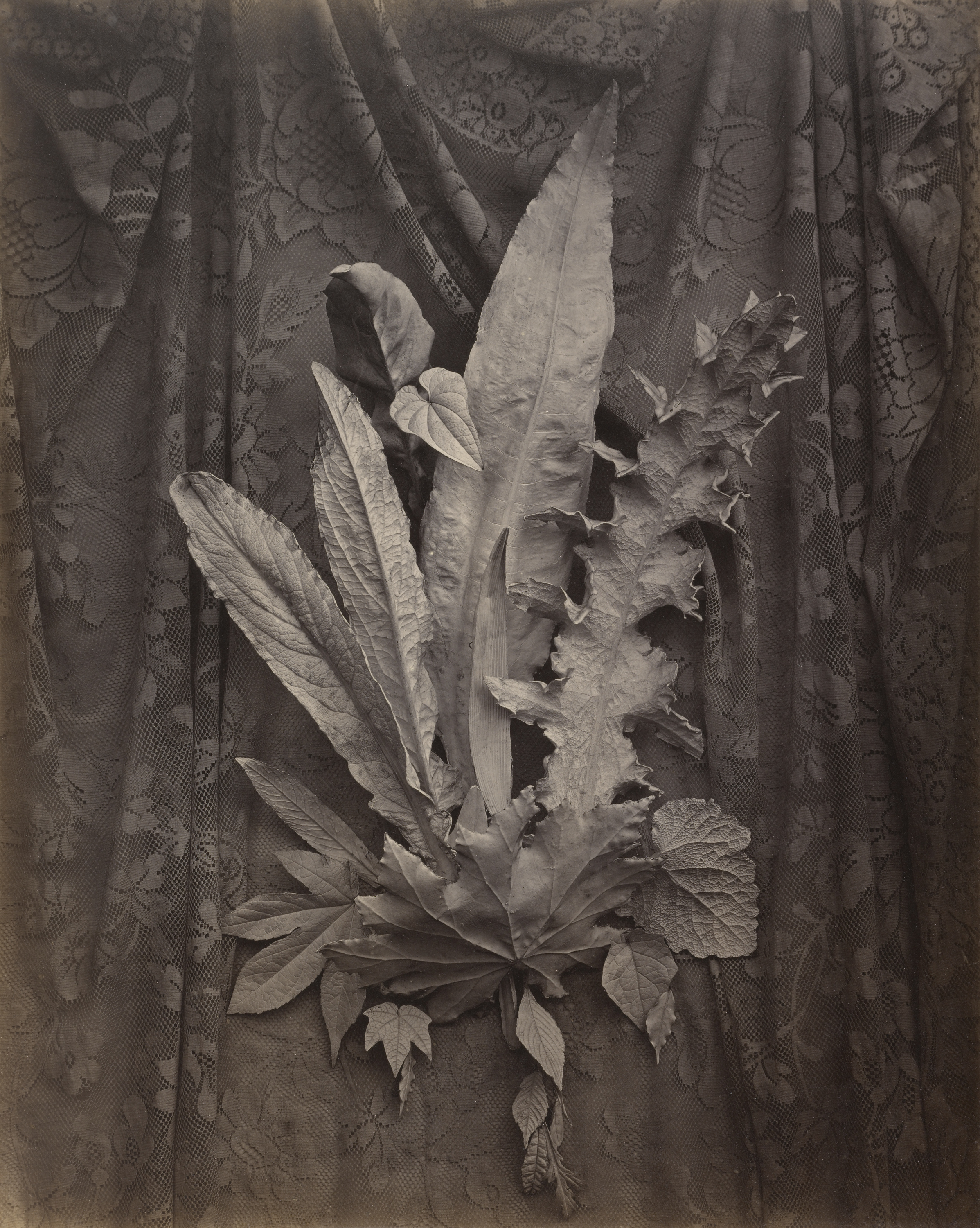
Image Credit: Charles Aubry “An Arrangement of Tobacco Leaves and Grass” (1864) Digital image courtesy of the Getty’s Open Content Program.

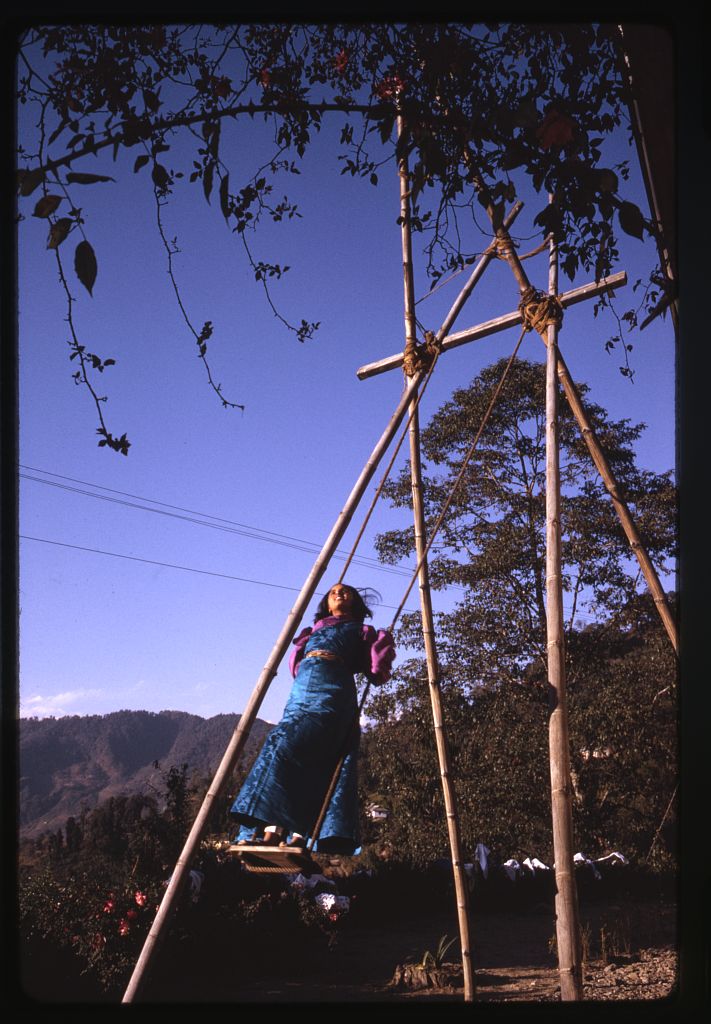
“Tightrope Dancer” By Bunkong Tuon


This is the fourth in a series of poems from a forthcoming poetry collection about raising a biracial daughter in Contemporary America, during this polarizing time of political and cultural upheavals where sexual harassment allegations abound, where a wall, literal and figurative, threatens to keep out immigrants like the narrator, a former refugee and child survivor of the Cambodian Genocide. You can find the complete series of poems below.


Tightrope Dancer

You climb the five-rung ladder
at the children’s playground.

Your mother crouches
below, holding breath.

I stand behind
counting the plastic rungs.

You kick us away,
“I’m a big girl.”

Your mother prepares
to catch your fall.

Each day we hold our breath,
cover our mouths with our hands,

close our eyes, and pray.
Of course, we want you to reach

The top, but not too fast.
And not too far from us.


About the Author: Bunkong Tuon is the author of Gruel (2015) and And So I Was Blessed (2017), both poetry collections published by NYQ Books, and a regular contributor to Cultural Weekly  He is also an associate professor of English and Asian Studies at Union College, in Schenectady, NY.


Bunkong Tuon’s series of poems on raising a biracial daughter in contemporary America:

Ice Cream

Gender Danger

The Bite

Tightrope Dancer

Women’s March in Albany

My Mother on Her Deathbed


Image Credit: Alice S. Kandell “A young girl swinging on a handcrafted swing, Sikkim” (1969) The Library of Congress

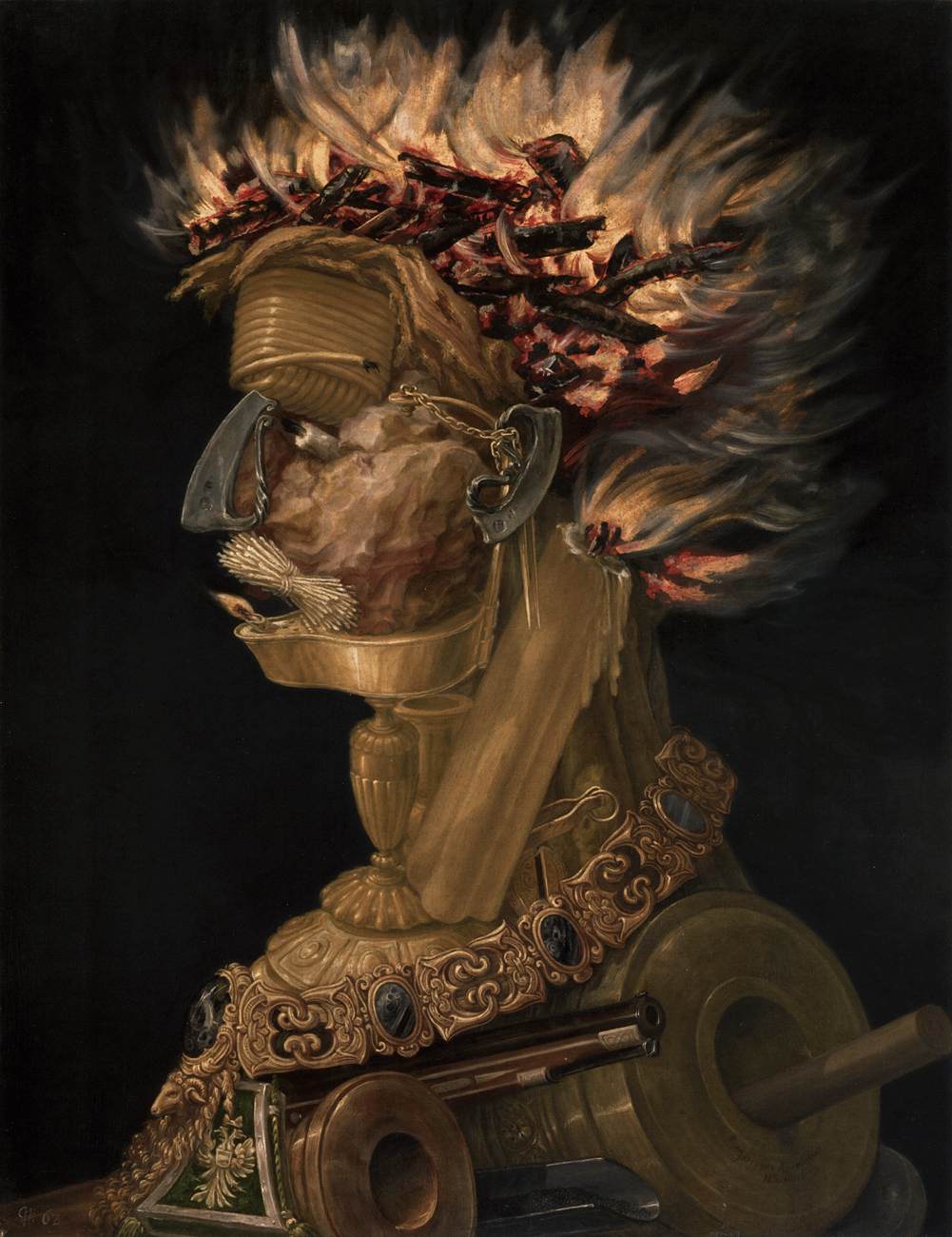
“The Fire of Now” By William Taylor Jr.


The Fire of Now
for Ursula Nichowski

Sometimes it feels like there’s not much
other than the fact of death
waiting just beneath the flimsy
surface of it all,
and the crass dullness of our hours
wearing us down like the ocean.
The poets are useless, having
broken with the music of things,
the day an unfortunate
accident no one will cop to.
You find no solace
in the misty gray sky
or the sad old buildings
propped against it,
still haunted by ghosts
of decent things long gone.
You wander the streets
in the soft rain
looking for that old place
with the perfect juke,
but they tore it down
and replaced it
with a world of safe spaces
when all you wanted
was a bit of pretty danger.
And then suddenly her face
like a prison break,
her lips like a pardon
from this world and the next,
reminding you that the fire of now
is forever equal
to the smugness of the void.
You are struck by the bravery
of her beauty in the face
of whatever remains of things.
You tell her as much
and she laughs and says,
why don’t you write
a poem about it,
and you do.


About the Author: William Taylor Jr. lives and writes in the Tenderloin neighborhood of San Francisco.  He is the author of numerous books of poetry, and a volume of fiction. He is a five time Pushcart Prize nominee and was a recipient of the 2013 Kathy Acker Award. He edited Cockymoon: Selected Poems of Jack Micheline, published by Zeitgeist Press in 2017. From the Essential Handbook on Making it to the Next Whatever is his latest collection of poetry. 


Image Credit: Giuseppe Arcimboldo “Fire” (1566)

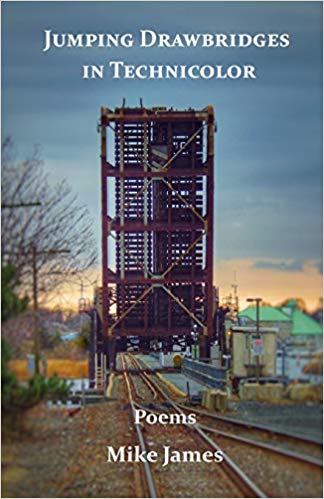
“A Review of Mike James’ Jumping Drawbridges in Technicolor” By Chase Dimock


In “My Wife’s Shoes,” the first poem of Jumping Drawbridges in Technicolor (Blue Horse Press), Mike James writes “some nights we turn the radio to ballroom music and I pretend to be Fred Astaire, led by Ginger Rogers for a change, and dance in high heels in reverse.” “High heels in reverse” is the essence of his book. Astaire and Rogers had to know the geometry of each other’s bodies and steps inside and out to perform their moves. A careful eye can spot the scenes where Rogers is actually leading. This is exactly what Jumping Drawbridges in Technicolor achieves.

We’ve all heard the old adage about reserving judgement until we’ve walked a mile in a man’s shoes, but that always assumes a lack of empathy and the need for a radical thought experiment just to imagine outside the self. In reality, as Mike James reminds us, we are always wearing each others shoes, although sometimes we lack the insight to see them, or we keep our steps hidden. Just as the surrealists were not about random weird imagery, but about making the real experience of our psyches visible, so too does Mike James make the multiplicity of self and the malleability of the body legible in his prose poems.

Like in his previous collections, My Favorite Houseguest and First-Hand Accounts from Made Up Places, James populates some of his book with portraits of celebrities. Yet, these portraits are never about the celebrity him or herself so much as they are about the process of painting them and seeing the pigment of self in each brushstroke. In “The Films of Burt Reynolds” he begins with “not the films, but the books about the films…Someone loved Burt enough to watch each, then write descriptively.” While James writes about someone writing about Burt, he’s also writing about himself, and how his “mother said she’d marry him if he’d just stop by.” For men, Burt’s mustachioed masculinity is something we’re supposed to identify through as he “walked down the carpet with Dinah, Lauren, Sally and Loni.” Yet, when he is written about, he becomes an object of grammar. Straight, gay, or in between, all men must ask, do we want to be Burt, do we want Burt, do we want to be wanted by Burt, or is it all of the above? Continue reading ““A Review of Mike James’ Jumping Drawbridges in Technicolor” By Chase Dimock”