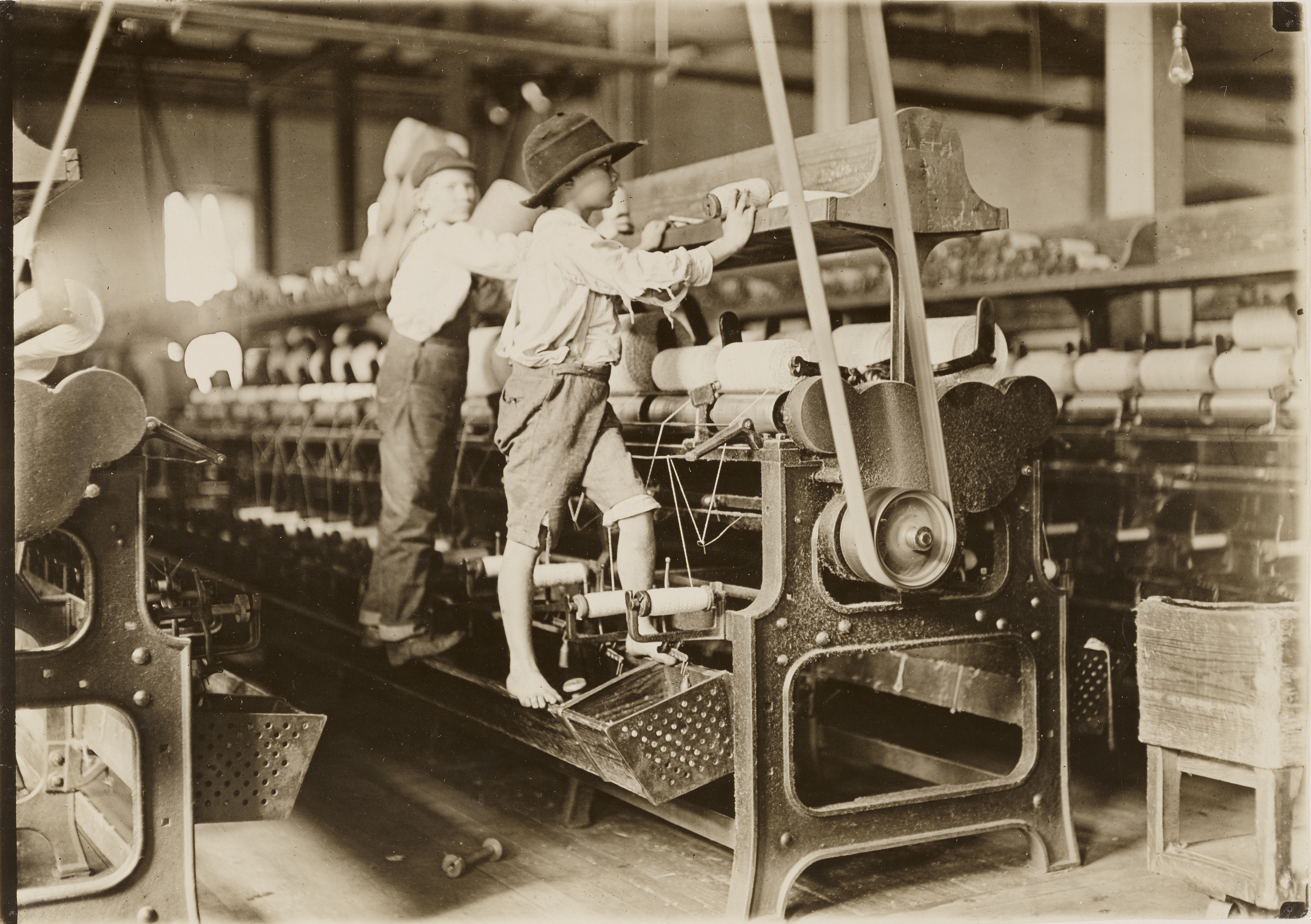
“Unknown Soldiers” By Brian Rihlmann

.

.

UNKNOWN SOLDIERS

There ought to be
a monument,
a sort of war memorial
for workers killed
on construction sites,
in industrial accidents,
for those chewed up
and spit out
by the cruel machinery.

For migrant workers,
underpaid foreigners
crippled by cut corners,
then banished
from this promised land
of stone faced natives,
not so far removed.

For those whose true genius
was stamped out in childhood,
and their lives burned up,
firewood reduced to ash
by the slow flame
of factory drudgery,
by the booze and pills
that made enduring it possible.

Unknown soldiers
fighting daily battles
every bit as important
to our way of life
as men in uniform.

But such a monument
would cover half the country
in a black granite slab,
a giant tombstone
where fields of grain stand tall.

So there will never be one,
of that I am certain,
just as I am certain
that somebody,
somewhere, someday,
will hate me
for writing this.

.
.
About the Author: Brian Rihlmann was born in NJ, and currently lives in Reno, NV. He writes mostly semi autobiographical, confessional free verse. Folk poetry…for folks. He has been published in Constellate Magazine, Poppy Road Review, The Rye Whiskey Review, Cajun Mutt Press and has an upcoming piece in The American Journal Of Poetry.
.
.
Image Credit: Lewis W. Hine “Doffer Boys, Macon, Georgia” (1909) Digital image courtesy of the Getty’s Open Content Program

“The President Called the United States a Company” By Prince Bush


The President Called the United States a Company 

A Christmas mourning / I mourn God’s slain child
and Jesus Christ, a wall that’s hard to yield
to while crows eat / kids starve / ovaled stomachs 

feed on human flesh / hosts as repurposed
puppets or proponents purporting laws
and slips on behalf of Freudian slips 

            the President called the United States
            a company / and there’s truth / I too sing 

company / throwing precious repastures
away / enough to feed refugees they
say there’s no food for. I mourn a Jesús

             and Jesus / you might not / so how can I
             show you mercy?—replace Jesus with green

wood-plants / white people / you / must keep Jesús
because death is owned by a company
that must throw away precious repastures.


About the Author: Prince Bush is a poet attending Fisk University. His work has appeared in Glass: A Journal of Poetry, SOFTBLOW, Cotton Xenomorph, Protean, and Mobius, among others. More work and biographical information can be found at pbush.com

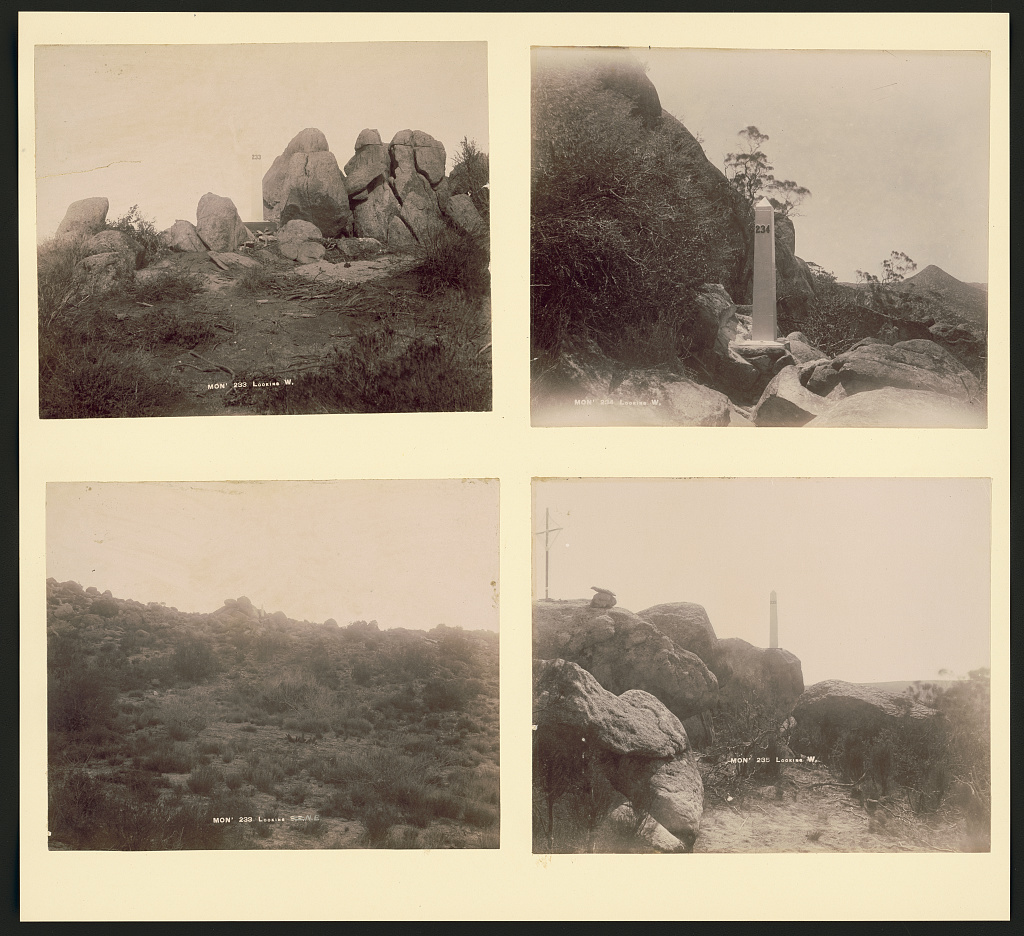
Image Credit: D.R. Payne “Border monuments 223, 224, and 225, along the California-Mexico border” (1892) The Library of Congress

“Downpour” By Z. D. Dicks


Downpour 

The class was over     three men remained
chewing words and rummaging 
through syntax     I sat youngest of the three
as they spoke of gratitude     flooding faces

I’ve made it to seventy     everything else is a bonus
I digested these words     chopped sausage 
and tomato sauce     ate them his feather lite words 
soaking heavy like lead rain     vision blurry 

Like glasses broken     left arm tight and sluggish
as if sodden on one side     wet chill with tingles of death
I write because I have to     not to get published
drenched by his first words     everything else 

Is a bonus     the slow drip into a half filled tank
that patter wouldn’t fill my years     my land 
was cracked and broken     thirty five years he’s 
drenched by a day     and I’m a puddle in sun


About the Author: Z. D. Dicks is the author of Malcontent (Black Eye Publishing) described as ‘Uncompromising, sometimes controversial, but always entertaining’ by Clive Oseman and ‘Evocative, atmospheric, breathing new life into the everyday’ by Nicola Harrison. Z. Dicks is the CEO of Gloucestershire Poetry Society and Gloucester Poetry Festival. His work has been accepted by Ink, Sweat and Tears, Three Drops from a Cauldron and Fresh Air Poetry. He frequently reads at poetry events throughout the UK.


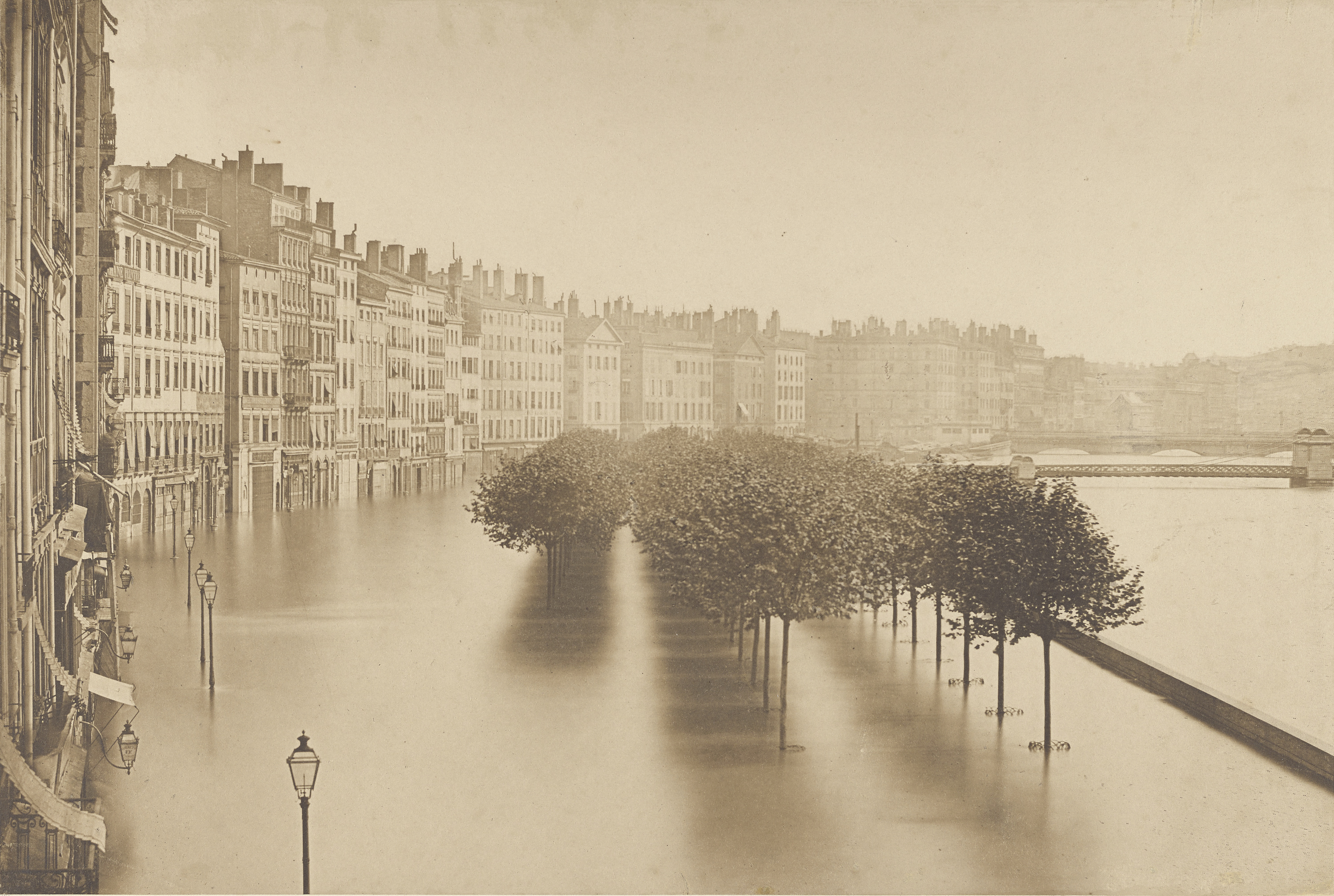
Image Credit: Louis-Antoine Froissart “A Flood in Lyon” (1856) Digital image courtesy of the Getty’s Open Content Program.

“A disappearance” By Dameion Wagner


A disappearance

I would like to disappear

into my thin white

body I am day- 

dreaming again of

you and him 

my blue eyes 

are open 

two lips,

are four when they

met in secret

in a kitchen 

where people 

prepare food &

eat because they

are hungry and 

cannot wait 

wait wait don’t 

think for a minute

before you take

a bite of that

Tonight give me 

a kiss  if I die in

my sleep.


About the Author: Dameion Wagner lives and works in Columbus, Ohio. His work has appeared in Crab Creek Review, Glass: A Journal of Poetry, and The Gordian Review among a few others. He has also written reviews for Heavy Feather Review and The Rumpus. He won Miami University’s 2017 Jordan-Goodman poetry Prize judged by Janice Lowe, and most recently was the 2018 recipient of the Academy of American Poets University Prize. He received his MFA from Miami University’s Low Residency program. 


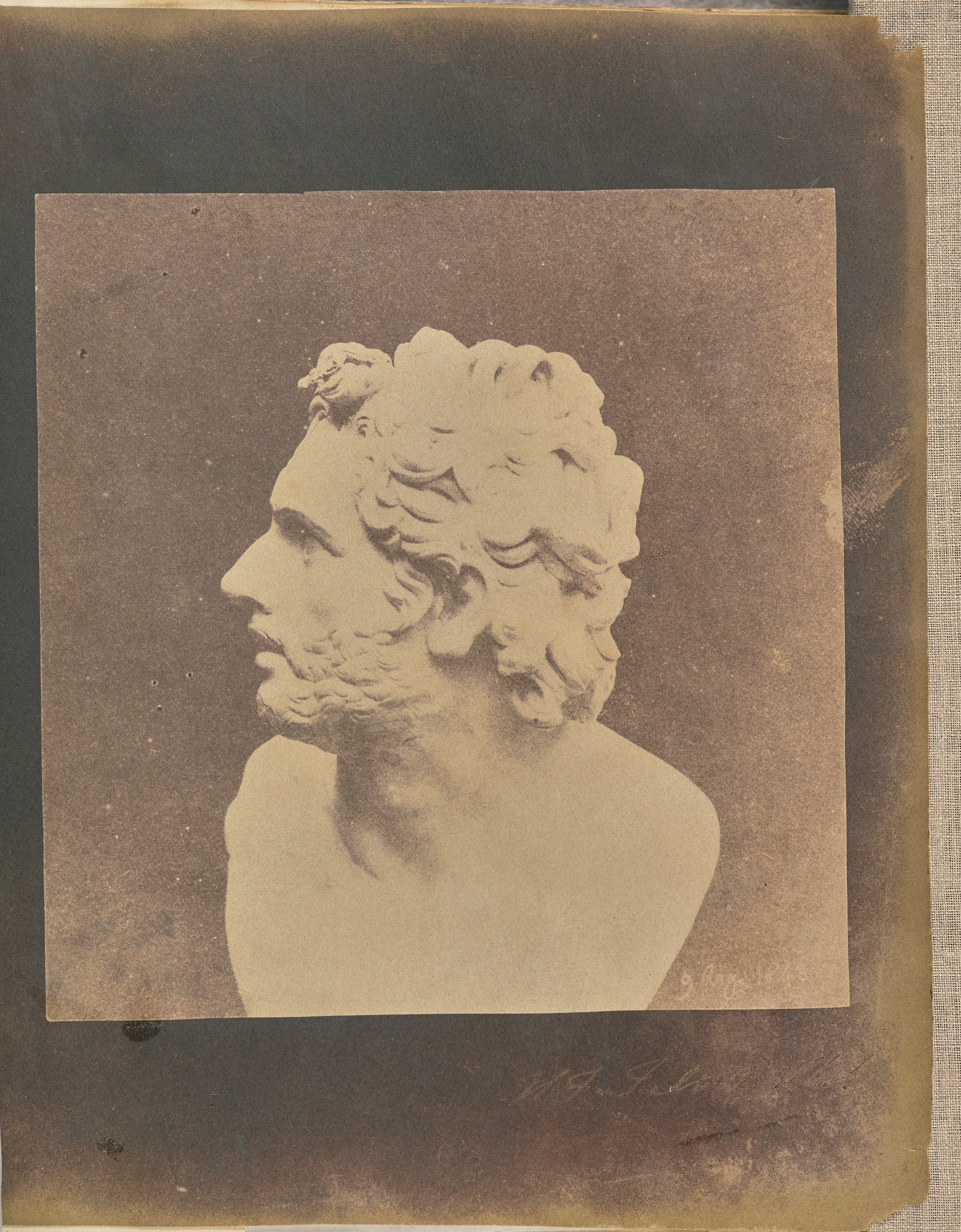
Image Credit: William Henry Fox Talbot “The Bust of Patroclus” (1843) Digital image courtesy of the Getty’s Open Content Program

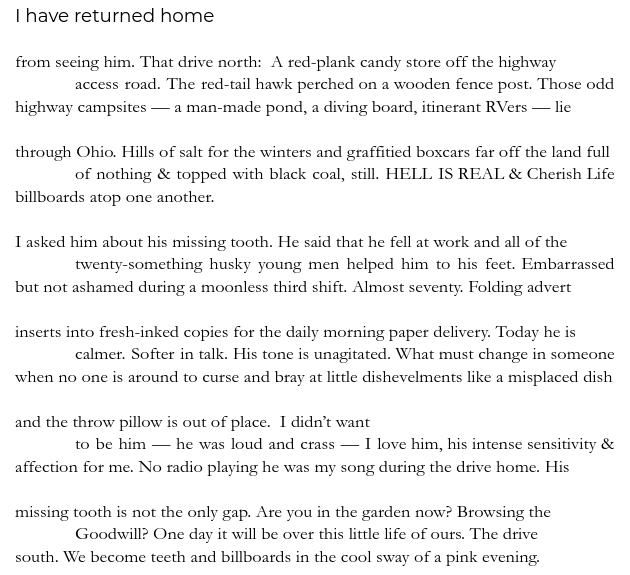
Dameion Wagner: “I Have Returned Home”


(Click on the poem to view it in a larger format)


About the Author: Dameion Wagner lives and works in Columbus, Ohio. His work has appeared in Crab Creek Review, Glass: A Journal of Poetry, and The Gordian Review among a few others. He has also written reviews for Heavy Feather Review and The Rumpus. He won Miami University’s 2017 Jordan-Goodman poetry Prize judged by Janice Lowe, and most recently was the 2018 recipient of the Academy of American Poets University Prize. He received his MFA from Miami University’s Low Residency program. 


More By Dameion Wagner:

A Disappearance


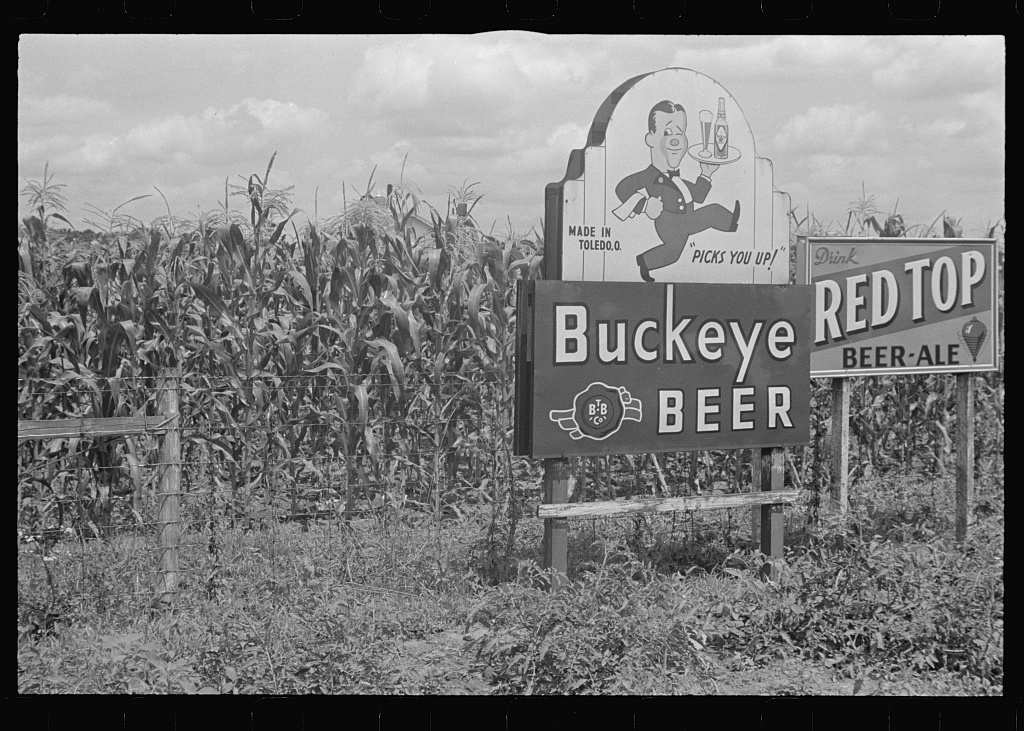
Image Credit: Ben Shahn “Sign along Route 40, central Ohio” (1938) The Library of Congress

Charlie Brice: “The Truth About Indecision”


The Truth About Indecision

Our poetry reading was a great success
even though the heavens opened that day
in Pittsburgh and turned Maple Avenue,
our street, into Deluge Boulevard.

“The only time I believe in a supreme
being,” I told my wife, Judy, herself a poet
who was to read that night. “Only a god
could be this nasty,” I said, falling into the same

self-centered lunacy that my religious friends
favor. “This is god’s revenge upon my poor
atheist self,” I proclaimed, but she (for in
my atheist lexicon, god is an angry woman)

relented, the rain stopped, and it was 
standing room only at our reading.

What I really wanted this poem to be
about was the day after our reading 
when our friends fell in love with the 
flowers and trees Judy had planted

in our back yard. They didn’t even mind 
the organic calling cards our poodle, Mugsi,
had left for them, but that’s not what 
I wanted to write about either.

It’s the names of flowers that inspired
this poem. Why do they call them Rose 
of Sharon? Why not Sharon’s Rose—just
the kind of economy an editor requires.

What of these gorgeous bursts of pink
we call azaleas? Are there zaleas that
azaleas negate, as amorality negates morality?
And where are the lips that tulips connote? 

Looking at them a strange misshapen mouth
comes to mind, but lips? Were marigolds
originally Mary’s gold? What happened
to the apostrophe? Has someone named

Mary ever traded a marigold for goods or cash? 
What a bright and colorful world it would be
if Marys, or Kathys, or Larrys, or Johnys could
trade marigolds for movie tickets, tomatoes,

maple syrup, or bacon and eggs—especially
bacon and eggs. What if flowers became currency?
People could pay off mortgages with roses,
their cars with orchids, rent with dahlias,

and their college debt with peonies. But here’s
what I really wanted to write about:

Day lilies, the only aptly named flower 
in our garden. They are lilies that last
a single day—like the fame of a poet,
or the bloom of Buddha’s final breath.


About the Author: Charlie Brice is the author of Flashcuts Out of Chaos (2016), Mnemosyne’s Hand (2018), and An Accident of Blood (2019), all from WordTech Editions. His poetry has been nominated for the Best of Net anthology and twice for a Pushcart Prize and has appeared in The Atlanta Review, The Main Street Rag, Chiron Review, Permafrost, The Paterson Literary Review, and elsewhere.


Image Credit: Kazumasa Ogawa “Group of Azaleas” (1896) Digital image courtesy of the Getty’s Open Content Program.
 

“And Why Am I a Free Man?” By Ace Boggess

51089v


“And Why Am I a Free Man?”
         —Paulo Coelho, The Zahir  

time is the most valuable element
on any periodic table

spend it
give or lose it
wear it around one’s neck like gold

or clamped on wrists
like iron shackles

breathing it in takes a moment
but the exhale lasts a lifetime

less with good behavior

I mined years for their raw hours
spent & spent

another dinner in some sad café


About the Author: Ace Boggess is author of four books of poetry, most recently I Have Lost the Art of Dreaming It So (Unsolicited Press, 2018). His writing appears in Notre Dame Review, Rhino, North Dakota Quarterly, Rattle, and many other journals. He received a fellowship from the West Virginia Commission on the Arts and spent five years in a West Virginia prison. He lives in Charleston, West Virginia.


More By Ace Boggess:

“Why Did You Try to Sober Up?”

“Are Your Emotions More Or Less Intense?”


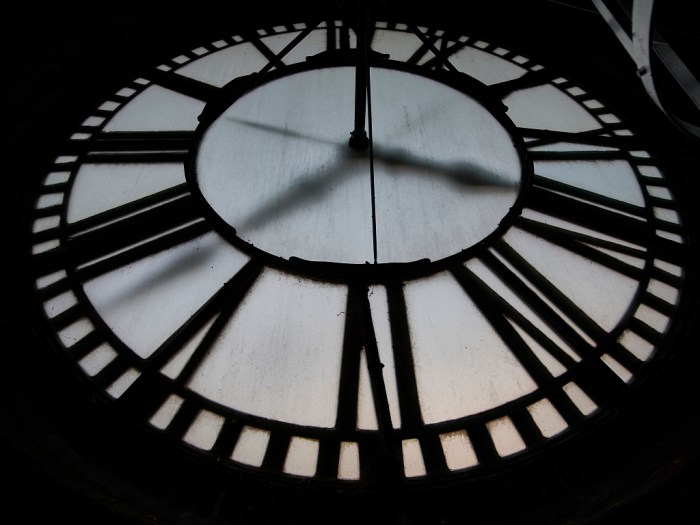
Image Credit: Carol M. Highsmith “View from the inside of the clock face on Portland, Oregon’s, historic Union Station’s 150-foot-high tower” (2018) The Library of Congress

“Hearts Break All the Time” By Jeanette Powers


Hearts Break All the Time

I remember the gnarled hands
of my grandfather
working the rotary dial
of the old goldenrod yellow
Ma Bell telephone
calling the hospital
where my grandmother lay
waiting to have her chest cracked
for a double bypass

heartbreak was not new to her

I hung my fingertips
on the tall bureau with the phone
and the lazy susan with her fake pearls
watching him talk and listening
I love you, Helen
I’d never heard him say that before
tears fell down through the stubble of his cheeks
they were the bluest eyes I’ve ever seen

his hand always trembled for a cigarette
and it did then too

they are decades gone now
just like land lines and my youth

the doctor is earnest
reading my genome results
tells me I can’t absorb folic acid
or Vitamin D, my liver is weak
and that no matter how healthy I am
a heart attack is sure

I’ve already had several
I assure her with a smile

she doesn’t laugh
but I’m hoping I’m just like my grandmother.


About the Author: Jeanette Powers: poet, painter, philosopher, professional party dancer and working class, anarchist, non-binary queer. Here to be radically peaceful, they are a founding member of Kansas City’s annual small press poetry fest, FountainVerse. Powers is also the brawn behind Stubborn Mule Press. They have seven full length poetry books and have been published often online and  print journals. Find more at jeanettepowers.com and @novel_cliche


More By Jeanette Powers:

Reflections in the Windows of Your First Car

Cycles of Grief Go On And On

“Move On” By John Grey


MOVE ON

The day of moving approaches.
We’ve already started packing
and what doesn’t go into boxes
ends up in the head’s storage space –
the wallpaper, the radiators, the hardwood floors,
the backyard maple, the birds’ nests,
even the neighborhood itself.

Soon enough, everything
we see outside the window will be new.
Every block we walk
will be up to its treetops and chimney flues
in novelty.

We’ll struggle to hold onto
the ones we once knew
even as others
do their best
to shove them aside,
take their places.

Before true assimilation,
we’ll be some of what we were,
some of what we’re to become.

We’ve done this before.
We’ll do this again.
We’re transient by nature.
People and things,
places and scenery –
at any one time,
only so many truly fit.

But. at least, we have each other.
That is, until we don’t.


About the Author: John Grey is an Australian poet, US resident. Recently published in
That, Muse, Poetry East and North Dakota Quarterly with work upcoming
in South Florida Poetry Journal, Hawaii Review and the Dunes Review.


Image Credit: Arthur Rothstein “Unpacking new furniture at Fairfield Bench Farms, Montana” (1939) The Library of Congress

“The Great Thing About Driving With a Crack in Your Windshield” By Alex Z. Salinas


The Great Thing About Driving With a Crack in Your Windshield 

Definitely not the beating your wallet will take later,
nooooo

But a year of cracked-windshield driving—
a big ol’ crack straight through the center

Separating North and South Windshield—
let me tell ya,

After 12 months of 8-to-5 beatings,
boss naggings and fickle office alliances,

That crack remains strong and growing,
centimeter by centimeter, like a small child

Some days when you gaze at it
you can’t help but smile 

Like the scar on your forearm,
that crack is your crack and your crack alone—

Your slash of stubbornness 
in a world spun by fat hamsters

When you drive
most days you don’t even notice it

You forget it’s there,
that beautiful crack, 

Glistening like a brilliant diamond
when the sun hits it juuuuust right


About the Author: Alex Z. Salinas lives in San Antonio, Texas. He holds a bachelor’s degree in political science from St. Mary’s University. His poetry has appeared in the San Antonio Express-News, Shot Glass Journal, The Rye Whiskey Review, Duane’s PoeTree, The Dope Fiend Daily, and in the San Antonio Review, where he serves as poetry editor. His short fiction has appeared in publications such as Every Day Fiction, Mystery Tribune, Red Fez, Nanoism, escarp, 101 Words, and 365tomorrows.


Photo Credit: “Truck Windshield with Hail Damage in OK” from the FEMA Photo Library