Angela Townsend: “Hugs to Chance”

Hugs to Chance
by Angela Townsend

It is there in my own script. “Hugs to Chance!” If there is anything we should entrust to the lottery, it is not hugs.

But fifteen givers call their creatures Chance, so I ballpoint my embraces. “Hugs to Chance!” This is what you do when you are the Development Director for a cat sanctuary. You buy blue pens in bulk so you can add personal notes to every tax receipt. You remember the names of donors’ pets. You send the animals hugs. You send hugs to Chances.

Hugs to Roxy are one thing. Hugs to Vercingetorix require careful cursive. The personal touch will be lost if I misspell the cat’s name. I practice on sticky notes before committing caresses to letterhead. Hugs to Vercingetorix, the warrior of nineteen ginger pounds. Hugs to Vercingetorix, whose name was Pumpkin until he was diagnosed with cancer.

When I tuck hugs between the signature line and the benediction that no goods or services were exchanged, givers write back.

Joan accuses me. “You know I can’t resist.” If I send Joan a photograph, even if I assure her that the kitten is fine, she will send fifty dollars. The kitten called Dumpling may sit fat in love’s stew. Joan still sees the wet and ragged. She boils over. She signs for the delivery of my hugs and sends a thank-you note with another fifty dollars. I wonder if Joan switches to no-name detergent when she can’t resist kittens. I wonder if she stops long enough to hug Roxy for me.

Gert’s ink bleeds. Vercingetorix is no more. “I don’t know when I am going to be okay again.” Gert does not say “if,” but “when.” She has been here before. Her Boots once became Genghis, and Tigger became Valkyrie. Their urns bear both names. Gert, in paisley pull-on pants, rode beside them into war. Gert gave insulin at twelve-hour increments and purchased Cornish hens for cats on hunger strikes. She rides with a ghost army to teach Sunday School and stack cans at the food bank. She does not know when she will adopt again. “If” would be the wrong word. She bought a stuffed animal the size of a nineteen-pound cat. She holds it in her arms so she can fall asleep.

Anthony knows it’s risky to name a cat “Chance.” His daughter once brought home a stray she called “Lucky,” and Anthony made her change it. Why tempt the stars, you know? Anthony’s letters have so many rhetorical questions, he has to type them out. His maintenance man found a cat in the boiler room and fed him Chef Boyardee. Anthony is not making this up. The maintenance man worried he would get in trouble. The cat’s eyes were all pupils, blind as Ray Charles. He’d been in the dark too long. That’s what happens. Anthony caught the maintenance man. The cat was eating toddler pasta from a spoon. The maintenance man cried, saying, “we give him a chance, we give him a chance.” So, “Chance” is a finger in fate’s eye. Do I understand? He can’t give Chance hugs, because Chance will bite his face. He’ll translate “hugs” into Chance.

When you are the Development Director, stories tattoo you. I try to tell donors that they ride in my front pocket, and some days I can’t stand up straight for the weight. I am not sending hugs so they will give us more money. I am sending hugs because they are inked into my skin. I want to invite all fifteen Chance people to a holy convocation. I want them to compare notes on how the Chances came. I want to collect all the naming ceremonies in a single volume. I want the story with the big arms.

I don’t tell them my story. When you are the Development Director, it is not about you. I start sentences with the word “you,” because the donor needs to know that they are the hero. They may not know when they will be okay again, but they know that they are the reason Dumpling will live. Love answers to “when,” not “if.”

About the Author: Angela Townsend is the Development Director at Tabby’s Place: a Cat Sanctuary. She graduated from Princeton Seminary and Vassar College. Her work appears or is forthcoming in Arts & Letters, Chautauqua, CutBank, Lake Effect, New World Writing Quarterly, Paris Lit Up, The Penn Review, Pleiades, The Razor, and Terrain.org, among others. Angie has lived with Type 1 diabetes for 33 years, laughs with her poet mother every morning, and loves life affectionately.

Image Credit: Henriëtte Ronner-Knip “The Globetrotters” Public domain image courtesy of Artvee

James Duncan: “The Traitor”

The Traitor

sometimes in the bleak tangle of the evening
I will mute the television and watch the news
in silence, listen to the cars passing by in the
night, the house too close to the road but not
too close to all the bombing and cheating and
oil spills and threadbare calamity seeping into
the airwaves like radiation poison—no, not here
so far from the lights of town, where the hum
of the night creatures ebb from the trees and
the cedar swamp, the liminal infinity of night
and flora edging closer, trying to reclaim the
ground it has lost against the tide of humanity
and when I turn the television off, the darkness
gains a bit more ground, the natural world a little
bit stronger in the twilight, and I’m satisfied, a
traitor against my kind, a double agent living
in one world while hoping another’s counter-
attack will be swift, sweeping through the trees
to bring all of our flagellations to a quiet end

About the Author: James H Duncan is the editor of Hobo Camp Review and author of Cistern Latitudes, Proper Etiquette in the Slaughterhouse Line, and Vacancy, among other books of poetry and fiction. He also writes reviews of indie bookstores at his blog, The Bookshop Hunter. For more visit, www.jameshduncan.com. 

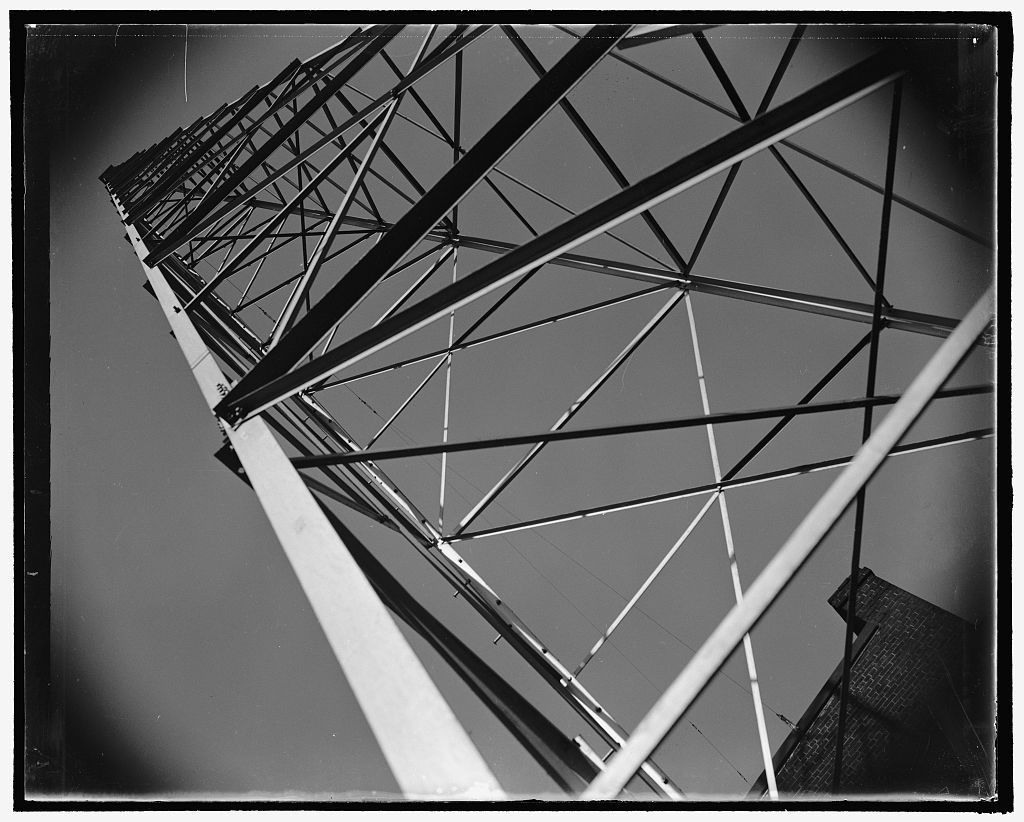
Image Credit: Harris & Ewing, photographer “Looking up at the antenna mast in the rear of the precinct station.” (1938) Public domain photograph courtesy of the Library of Congress

Andi Horowitz: “Shelley”

Shelley:

November 3, 1965
June 11, 2016


“Adieu, but let me cherish,
The hope with which I cannot part
contempt may wound, and coldness chill
But still, it lingers in my heart.”

Farewell by Anne Brontë


mourners filed into your home

gathered
around a table's harsh surface
in the dining room—
intended for birthdays
Thanksgiving Christmas—
gutting fish
shrouded in a makeshift cloth


instead of a boning knife
razor sharp
stockpiled photographs lay

two-inch thick faded heaps—

you—
Miss University of Florida
smile from a float

hold your bouquet —
dark roses

over your satin sash
over your heart-sounds

at the beach
tipped chin
brown eyes

deny rain

your smile
perched atop the grand canyon
refuses to wilt

free-falls all the way down

the color of your sore throat


fringed in distressed mahogany
wishing today was your birthday—

you’d blow out candles
in front of me

gusts blast through windows

winter storms july

your jigsaw-puzzle life
trembles
unlike never before

I hear your silence—
weightless
as a fly’s wing

the sound of your gun

About the Author: Andi (Andrea) Horowitz is an older emerging poet who lives in Fort Myers, FL., with her husband and their two cairn terriers, BeCa and Bleecker. She taught high school English and speech and was also the drama coach. Her students remain one of her life’s greatest gifts. Andrea can be read in VARIANT LIT, STONE PACIFIC, NEW NOTE, GRIFFEL MAG. and others. She has a manuscript titled: tasted lies, misnomers, and balderdash in chicken soup at a fine hotel serving cheap champagne coming out later this year. Andrea dreams of a world devoid of stains.

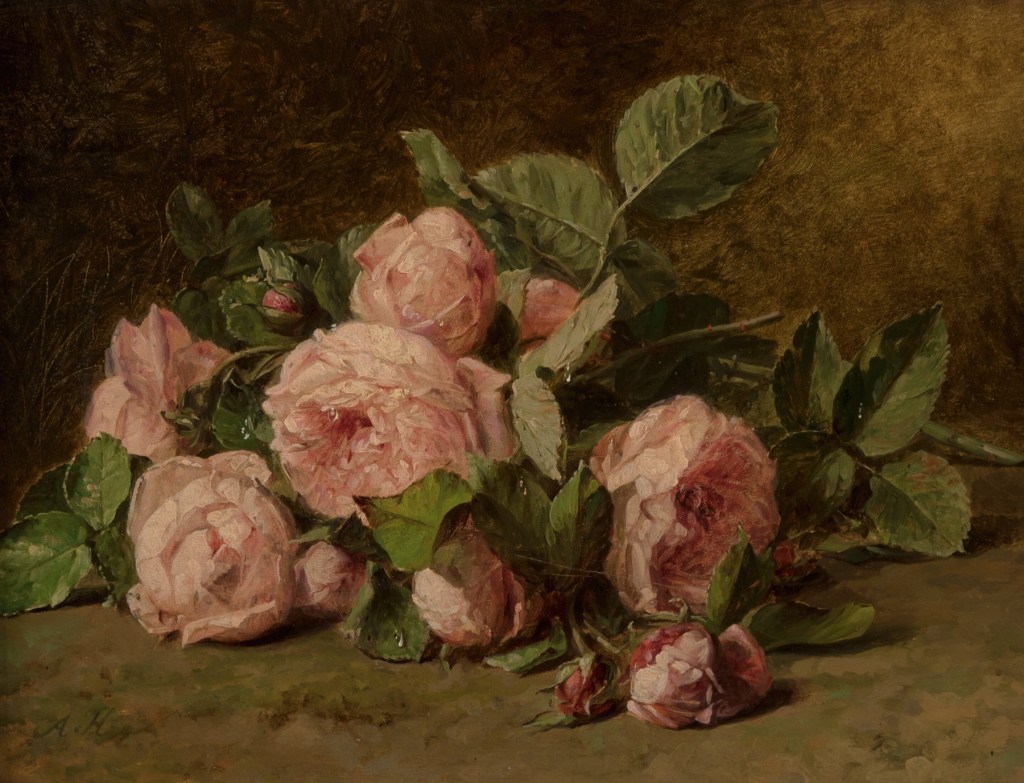
Image Credit: Adriana Johanna HaanenStill life of roses on mossy ground” Public domain image courtesy of Artvee

Alex Stolis: “Ode to the Serenity Prayer”

Ode to the Serenity Prayer
…the courage to change the things I can
& the wisdom to know the difference


Grief turns to obsession, you deify
and mythologize loss; daughters
sons spouses lovers become heroes,

you swath yourself in their legend;
bask in the soft glow of make believe
pasts, never allowing them to breathe

denying them the death and memory
they deserve. You become addicted
to torment, turned to stone by grief

start to hibernate, hide from the bloom
of a sunrise, deaf to the music of spheres
you become dead yourself, a ghost

haunting your own life; pieces thought
missing, never lost at all. The day I’m gone
I will watch over you,

be the whisper in your ear, the spark of light
in the darkest corners; we will create and love,
wake up alive, saved from death.

About the Author: Alex Stolis lives in Minneapolis; he has had poems published in numerous journals. The full-length collection, Postcards from the Knife-Thrower was runner up for the Moon City Poetry Prize in 2017. Two full length collections Pop. 1280, and John Berryman Died Here were released by Cyberwit and available on Amazon.  His work has previously appeared or is forthcoming in Piker’s Press, Jasper’s Folly Poetry Journal, One Art Poetry, Black Moon Magazine, and Star 82 Review. His chapbook, Postcards from the Knife-Thrower’s Wife is forthcoming from Louisiana Literature Press in 2024. He has been nominated multiple times for the Pushcart Prize.

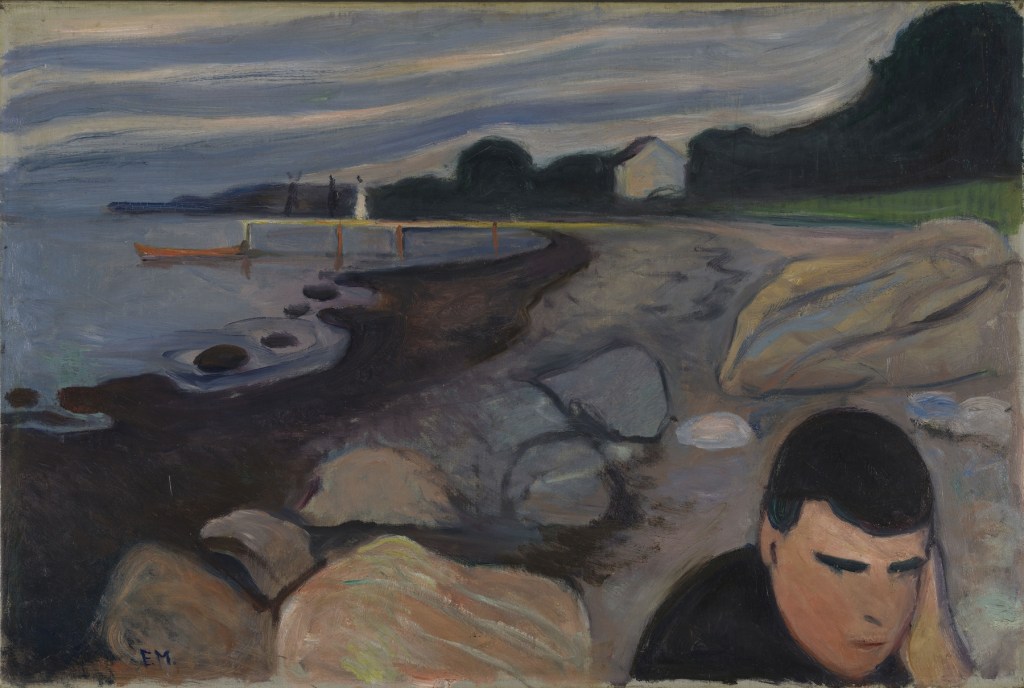
Image Credit: Edvard Munch Melancholy (1892)Public domain image courtesy of Artvee

R.T. Castleberry: “FROM A HISTORY OF SERVITUDE”

FROM A HISTORY OF SERVITUDE

I’m in the wrong cycle.
Mondays marred by hospice runs,
mid-week to weekend languishing
in dramas of heat wave,
drunks on benders.
I am my own beast—
closer to insect than animal,
best friend to bastards who pay debts
with conflict diamonds and Juneau furs,
who fill their silences with
message blanks, rolled scraps of maps.
I’m aging out of despair.
Borne out by warnings
of drying rivers, drought sky,
I’ve wronged the weather.

About the Author: R.T. Castleberry, a Pushcart Prize nominee, has work in Steam TicketVita BrevisAs It Ought To BeTrajectorySilk RoadStepAway, and The River.  Internationally, he’s had poetry published in Canada, Wales, Ireland, Scotland, France, New Zealand, Portugal, India, the Philippines and Antarctica. His poetry has appeared in the anthologies: Travois-An Anthology of Texas PoetryTimeSliceAnthem: A Tribute to Leonard Cohen, and Level Land: Poetry For and About the I35 Corridor. He lives and writes in Houston, Texas.

Image Credit: Russell Lee “Wagon tracks down the dry bed of the Colorado River at Colorado, Texas. Rivers and streams of the Southwest are often dry during periods of drought” (1939) Public domain image courtesy of The Library of Congress

LB Sedlacek: “Displaced Existence”


Displaced Existence

If there’s butter
something sugary sweet
a difference in
how he looks
at you how
he touches you
and do you
welcome his touch
or not he’s
almost a stranger
if there’s anything
left at all
a difference in
where he looks
at you when
he looks at
you and do
you want to
be seen or
not by strangers
if there’s butter
or not something
a little bittersweet.

About the Author: LB Sedlacek has had poems and stories appear in “Impspired,” “River Dog,” “Hill Rag,” “Inverse Journal,” and “Iconoclast.”  Her short stories “Sight Unseen”  and “Backwards Wink” were awarded 1st Place Prose prizes in “Branches Literary Magazine.” For 20 years, she published the free resource for poets, “The Poetry Market Ezine.” LB also likes to swim and read.

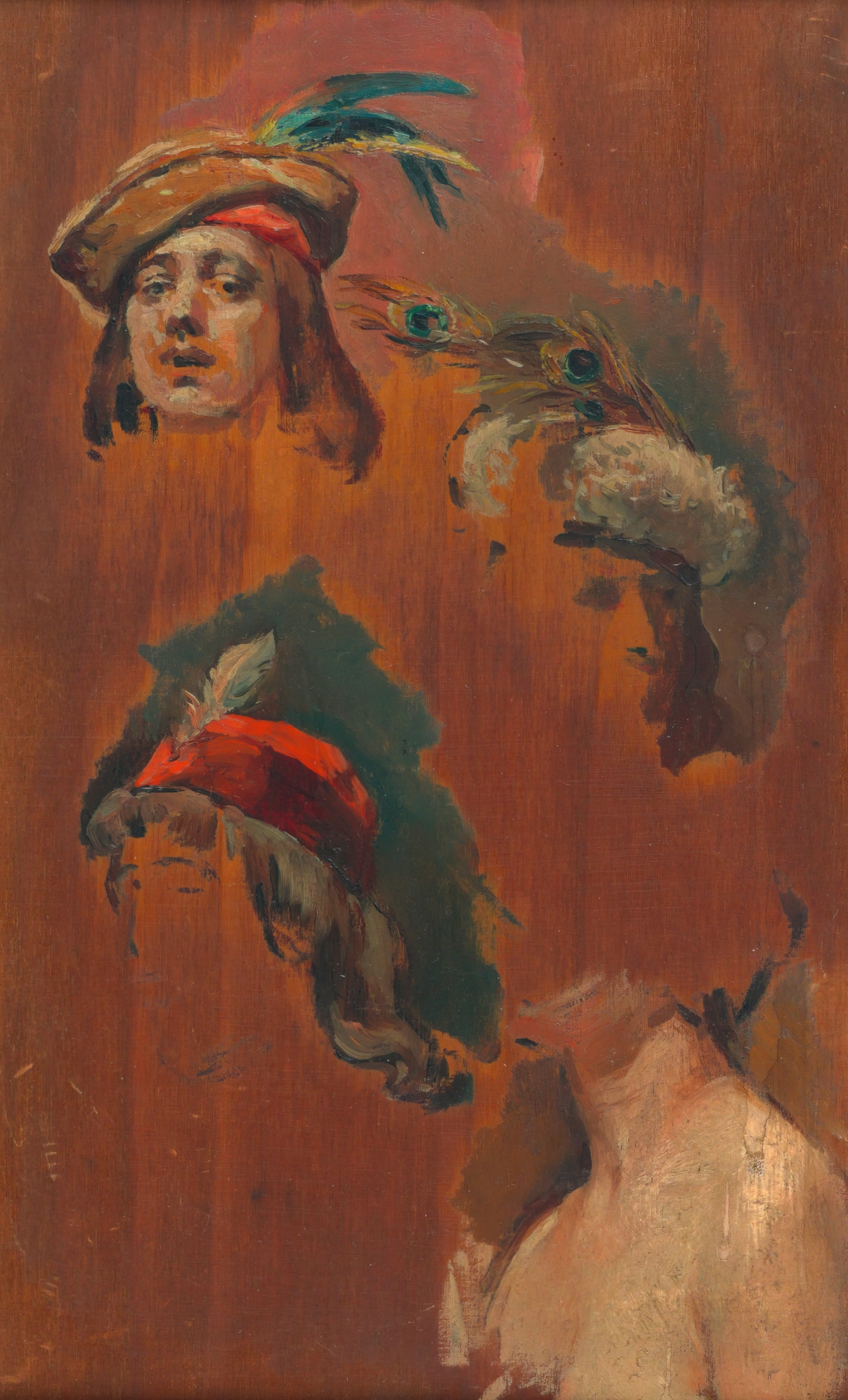
Image Credit: Kenyon Cox Study of man and woman (1878) Public domain image courtesy of Artvee

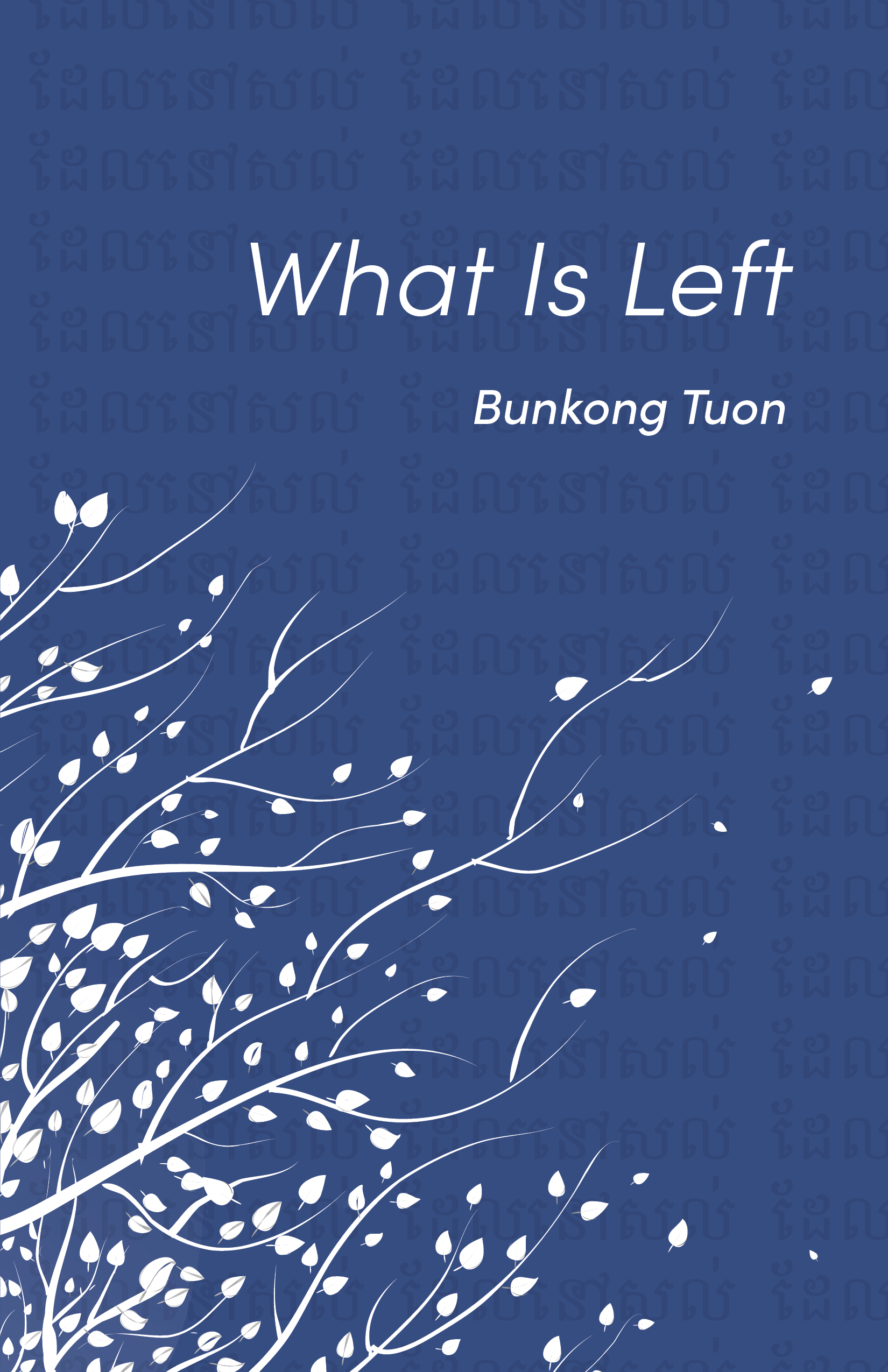
A Review of “What Is Left” By Bunkong Tuon

Shawn Pavey Reviews

What is Left

By Bunkong Tuon

In What Is Left, part of Jacar Press’ “Greatest Hits” chapbook series, Bunkong Tuon brings us on his personal journey as a child refugee of the Khmer Rouge’s atrocities in his homeland of Cambodia. As David Rigsby states in his insightful foreword, “Bunkong Tuon’s childhood took place in a country whose national life in the 1970s underwent unimaginable depredation at the hands of the Khmer Rouge: slaughter, torture, starvation, and the forceful smashing and separation of families.”

To set the tone for the entire collection, the titular opening poem, recently announced as a winner of the 2024 Pushcart Prize, begins:

What is left after war is the gratitude for what is left.
My dreams are filled with ghosts looking for home.
The dead speak to the living through my poetry.
Each time I write, I rebuild. Retrieve what was stolen.

Tuon, while being open about struggle and loss and deep, deep pain, infuses each of these poems with an almost incessant sense of hope. This is one of the most surprising aspects of this work: how Tuon navigates the telling of his story yet, somehow, gives the reader a sense that the life he leads now is both unexpected and a joy. However, as this first poem continues, Tuon, soberly, informs the reader:

Nothing is dead until I let it. English is not the language
Of my birth. It is the language of death. More bombs
Dropped on Cambodia's countryside than in Hiroshima
And Nagasaki. I was bombarded by this language.

I had no choice but to use it.

Tuon references, of course, the covert bombing of Cambodia by the United States from 1969 to 1973 designed to minimize the capabilities of the People’s Army of Vietnam. Tuon as a small child knows America as bombs, destruction, and death. During the reign of the Khmer Rouge, more than a million people were executed – more than 13% of the country’s total population. Families were shattered and much of the country’s population fled the atrocities as refugees.

This is the historical backdrop for Tuon’s poems. The second poem, Under the Tamarind Tree, Tuon reveals a memory of sitting on the lap of an aunt – a child herself – witnessing the funereal rites performed by monks for his mother.

The tree stands still, quiet, 
indifferent. The house sways 
on stilts. 

Monks in saffron robes
and nuns with shaved heads,
lips darkened with betel-nut stain, 

sit chanting prayers 
for the child’s mother. 
Incense perfumes the hot dry air.

The image is heartbreaking but the true marvel is Tuon’s sparse yet musical language. He writes these poems with an almost journalistic detachment, avoiding the temptation to overwrite the emotional vulnerability. Tuon shows us, with his carefully chosen lexicon, the sheer tragedy and loss of this moment experienced by a child in the care of a slightly older aunt. The poem concludes:

Each time the child hears prayers
coming from the house, he cries;
each time he cries, the aunt, a girl herself, 
pinches the boy’s thigh.

It is that last line that shares with the reader the absolute cruelty of the moment. The funeral is witnessed as a result of institutional cruelty, but that tiny act of violence, the thigh-pinch of the aunt on the crying boy’s thigh shows that in that moment, there was little time to grieve. Survival of what lies ahead will require its own toughness.

The next few poems detail Tuon’s refugee journey. In “The Carrying,” he gives us a glimpse of their long journey – on foot – as his grandmother carried the small boy on her back to the refugee camp. In the poem “Gruel,” Tuon recalls a conversation with his uncle about survival.

“When you were young,
we had nothing to eat.
Your grandmother saved for you
the thickest part of her rice gruel.
Tasting that cloudy mixture
of salt, water, and grain, you cried out,
‘This is better than beef curry.’”

All my life I told myself I never knew
suffering under the regime, only love.
This is still true.

The last two lines of this poem may be the true heart of this collection. What carried Tuon through all of this tragedy and trauma was knowing he was loved by extended family members who gave him this, the only thing they had left to their names, this love and this belonging in love, desperate as it was. Tuon’s poem “Debt” shows us a glimpse of his father begging the Khmer Rouge, after they slaughtered children and cut open the bodies to eat the livers.

My father got down
on his knees,
clasped hands over head,
and begged them
for a sliver of a victim’s liver
so that I would not starve.
While everyone was sleeping
my father snuck into the kitchen,
stole a branch of coconuts,
and buried them in the woods.
Each time I cried from hunger
he disappeared into the night,
dug up a coconut,
gave me the juice to drink
and with dirt-encrusted fingers
spooned out the flesh
for me, his only child.

This terrible memory ends the poems specifically about fleeing terror. The following poems in the book deal with how Tuon built a life and is, in a way, relaying his experience to his children but, also, to the readers. There is a poem about how air conditioning in a library hurts to breathe after fleeing jungles. There are poems to his daughter and son. There are poems trying to find purpose in living and moving on from unspeakable loss.

And there is so very much hope.

This hope, deeply ingrained in every single poem, drives this collection. These poems are intimate, they are deeply personal, they reveal the vilest atrocities, and these poems do all that while holding tightly to hope and love and never once slip into maudlin self-pity. While these poems, at least on the surface, could be considered confessional, they never feel like confessional poems. Autobiographical, certainly, which is a type of confessionalism, but they avoid writing about emotion in favor of stark imagery. Tuon shows us the horror and despair and struggle of living through and in spite of the Khmer Rouge. He shows us the life he built because of the sacrifice of the family members who kept him alive. And, ultimately, Tuon shows us the joy that life can hold in contrast to experienced evil.

What Is Left 
by Bunkong Tuon,
2024, Jacar Press.
ISBN: 978-0-936481-56-2,
28 pages.

About the Author: Shawn Pavey is the author of Talking to Shadows (Main Street Rag Press, 2008), Nobody Steals the Towels From a Motel 6 (Spartan Press, 2015), and Survival Tips for the Pending Apocalypse (2019, Spartan Press) which was 1st runner up for the 2020 Thorpe Menn Literary Excellence Award. He co-founded The Main Street Rag Literary Journal and served as an Associate Editor. Recently, he was featured in the second anthology by THE NU PROFIT$ OF P/O/E/T/I/C/ DI$CHORD entitled, And Even If We Did, So What!? from OAC Books. His infrequently updated blog is at http://www.shawnpavey.com.
	

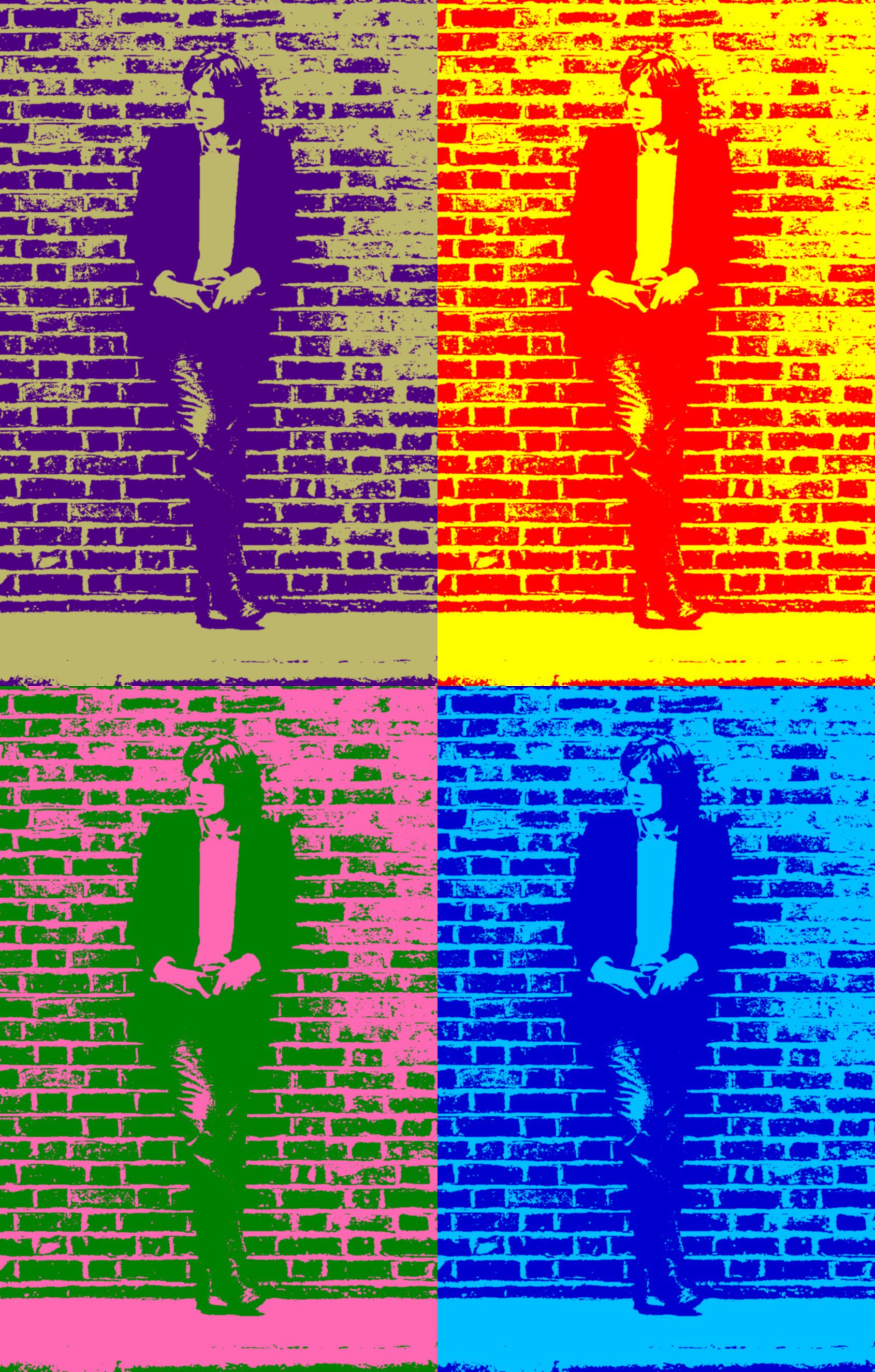
Chris Pellizzari: “Nick Drake, The Handsome Fox”

Nick Drake, The Handsome Fox
 
Nick Drake, Singer-Songwriter (1948-1974)
 (For Vera)
 
You’re the only musician I know
who sang songs
as if you didn’t want
anyone to hear you.
 
You are the fox,
who in his gallantry,
waits until night,
not to bark or howl,
but to scream.
 
The audience does not know you dreamt about them last night.
 
They look exactly like they did in your dream.
 
You see the guns bulging under their dresses.
 
The record companies don’t know
what it’s like
to be held
against your will
on stage
singing songs
to your executioners.
 
The fox dies
hidden in the brush
heard only by the hunters
who don’t really listen anyway.
 
Where can you hide on this stage?
 
Maybe you can sing yourself
into invisibility,
oh gallant fox!
 
A couple more performances
like this
and they’ll stop
showing up.

Which is what you really wanted
all along.
 
The music will once again
belong to the corner of your room
and childhood,
near the poster of the hunt
and the fox who runs away
in silence.

About the Author: Chris Pellizzari is a poet from Illinois. His work has appeared in Hobart, Gone Lawn, Slipstream, SoFloPoJo, Not One of Us, Counterclock, BoomerLitMag, Ligeia, and many other places. He is a member of The Society of Midland Authors. Pellizzari often writes about the gay poet Federico Garcia Lorca, who was murdered by Fascists in Granada, Spain in 1936. He thinks Lorca has a lot to say to today’s America regarding compassion and acceptance. 

Image Credit: Digitally altered image of a public domain photo of Nick Drake. Courtesy of Wikimedia Commons.

Sam Culotta: “In A Dream An Earthquake”

In A Dream An Earthquake

I meet a man I've always known
who is taller than his voice
We walk among a silent crowd
and talk of ancient poetry.

A long lost love dwells
in the attic of his heart
an Italian sports car that never
leaves his garage.

In an orchard we toast
with glasses of pink champagne
The wine begins to tremble
tangerines dance in the trees.

A car alarm cries in the parking lot
complains over and over to no one
but the birds shaken from frightened
limbs of crape myrtles and sycamores

mountains crumble before our eyes
but we care most about the wine
running between our fingers like time
we smile and embrace in fond goodbye.

About the Author: Sam Culotta is retired and lives in Southern California. He is the author of two books of personal essays and a book of poetry. His prose and poems have appeared in The Write Place At The Write Time. Buffalo Spree Magazine, Avalon Literary Review and Rockvale Review, as well as an anthology of works with Joe Green and Timothy Smith.

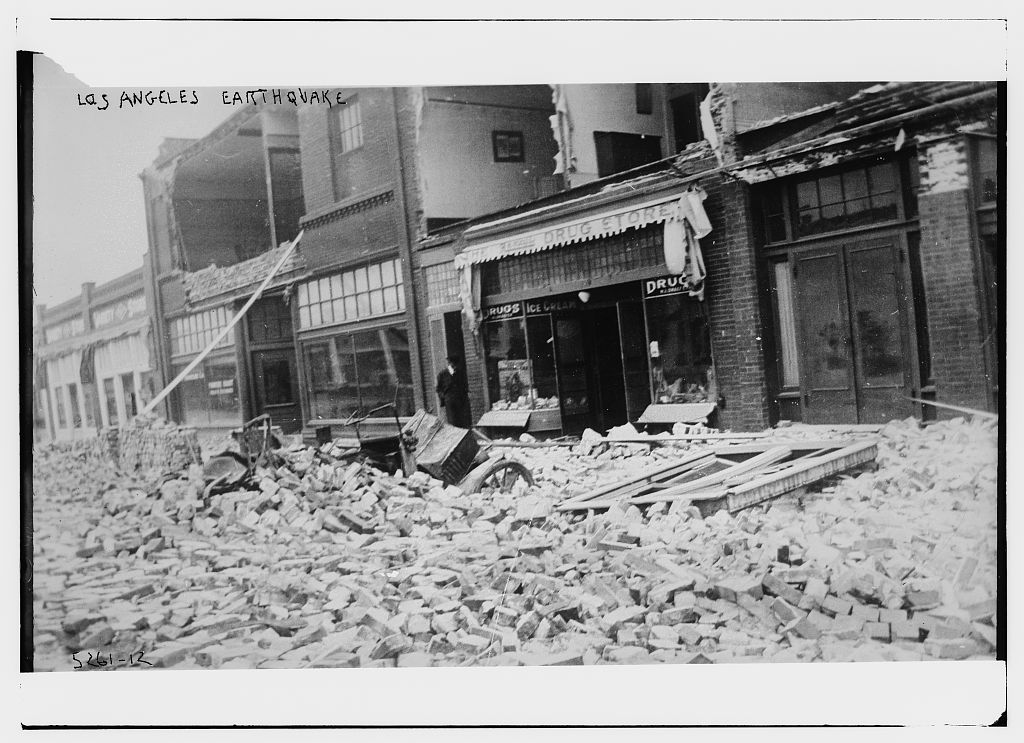
Image Credit: Bain News Service “Los Angeles Earthquake” (1920) Public domain photograph courtesy of the Library of Congress

Karen Paul Holmes: “The Way We Know Before We Know”

The Way We Know Before We Know
for Mike James, poet (d. 12/17/23)

You were dying and I was dreaming
of you, something nice. I wish I could
be there again, a last time with you.
You were thinner, shirt weighing you down
like in recent photos I’d seen,
and dying in the dream, but still lively,
saying something Mike-like to me.

Mid-December chill, covered in layers,
I lay awake, my husband (whom you
highly approved of) deep into
his pain-pill sleep. His stillness
worried my fretful night. And finally,
the dream, then waking from it
only to get the news an hour later.

In the blackness of subconscious,
I now know: a questioning.
Were you still in the blur of hospice?
Your eyes awake, wife touching
your hand, five kids all around.
Like the five of us ringed Mother’s bed,
singing a Slavonic prayer, the priest
anointing her with attar of rose.
Was it serene that way for you, for them?

Your wife, those children, now dazed
with the dizzying grief I’ve known,
no easier even with death expected.
You’d told me it wouldn’t be long,
after all those doctors, knives, cocktails
of cruel chemicals.

You had hoped to see Christmas,
but felt thankful for so much—
soulmate, children, job, poems
you were supposed to write and did.
And I know you weren’t just saying it
(you never said anything just to please).

My last text to you was I love you.
You’ll always be my poetry buddy.

Your response: a heart icon, red and beating.

About the Author:  Karen Paul Holmes won the 2023 Lascaux Poetry Prize and received a Special Mention in The Pushcart Prize Anthology. She has two books: No Such Thing as Distance (Terrapin) and Untying the Knot (Aldrich). Poetry credits include The Writer’s Almanac, The Slowdown, Verse Daily, Diode, and Plume. She hosts the Side Door Poets in Atlanta and is grateful to Mike James who was the second member way back when it started. 

Image Credit: Chase Dimock “Calla Lily” (2022)