
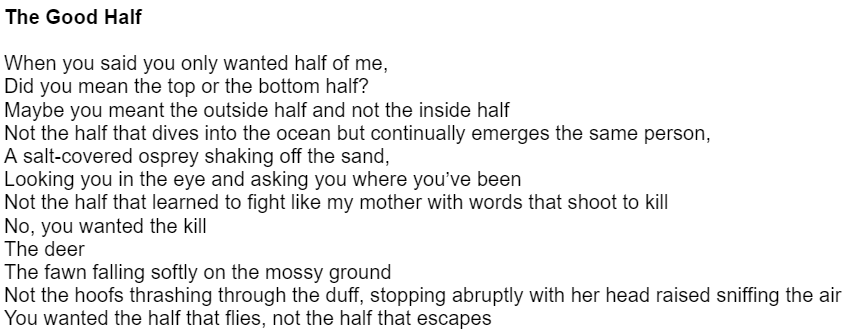
About the Author: Rocío Iglesias is a queer Cuban-American poet and multidisciplinary artist with a law degree. She lives, breathes, and works in Minneapolis, MN.
Image Credit: Chase Dimock “Swimmers in a Malibu Sunset” (2022)
Magazine
About the Author: Rocío Iglesias is a queer Cuban-American poet and multidisciplinary artist with a law degree. She lives, breathes, and works in Minneapolis, MN.
Image Credit: Chase Dimock “Swimmers in a Malibu Sunset” (2022)
The Night I Lost My Souvenir Bucket Hat

  —Exhibition Game, August 8, 1977
      MacArthur Stadium, Syracuse, New York

We three—
Dad, little brother, and nine-year-old me—
watched from the low-rise, general admission bleachers
beside right field, a long walk to the concession stand
and nowhere convenient to shelter from the rain, and
it did rain that night we visited the ball park to see
the New York Yankees rival their Triple-A farm club
Syracuse Chiefs, who, after three innings, were ahead
on the scoreboard before the rain delay, when Dad said

the Yanks were letting the Chiefs win, rotating
bench players while big name starters schmoozed
at the fence-line, and luckily, that fence was close to
us fans who sat in nowhere-land just to see our sports
heroes because, let’s face it, we were there for
the Major Leaguers anyway, our pounding pulses,
giddy chatter, and broad grins underscoring delight in
sort of meeting our favorite soon-to-be
World Series Champs—

star hitter and right fielder Reggie Jackson, shortstop
Bucky Dent, second baseman Willie Randolph, pitcher
Ron Guidry, catcher Thurman Munson, among them—
signing autographs for more seasoned fans with
the foresight to bring baseballs and ballpoints as
we stood a mere Louisville Slugger’s length behind
them, our eyes wide and jaws on the gravel, until
the rain finally tapered off, antsy fans grew louder,
and the umpire again declared,

Play ball! and when the ninth inning had barely ended—
the Chiefs having proudly trounced the Yanks 14-5—
our soggy trio mad-dashed through the crowd, Dad’s firm
hands guiding us kids by our shoulders to the restrooms
for a pit stop, then onward to our trusty royal blue Ford
van in the crowded parking lot, where I realized I’d lost
my oft-worn, multi-colored Long Island Game Farm hat,
too late to buy a Yankees ball cap and keepsake pen,
ask Mr. October to sign the not-yet-broken-in rim.
About the Author: Leslie M. Rupracht has poems appearing or forthcoming in Aeolian Harp, Asheville Poetry Review, As It Ought To Be Magazine, Chiron Review, K’in, The Ekphrastic Review, Gargoyle, Anti-Heroin Chic, Kakalak, a chapbook, Splintered Memories (Main Street Rag), and elsewhere. Editor, poet, writer, visual artist, and rescued pit bull mama, Leslie cofounded and hosts the monthly reading series, Waterbean Poetry Night at the Mic, in Huntersville, NC (on Facebook/Instagram @WaterbeanPoetryNightattheMic).
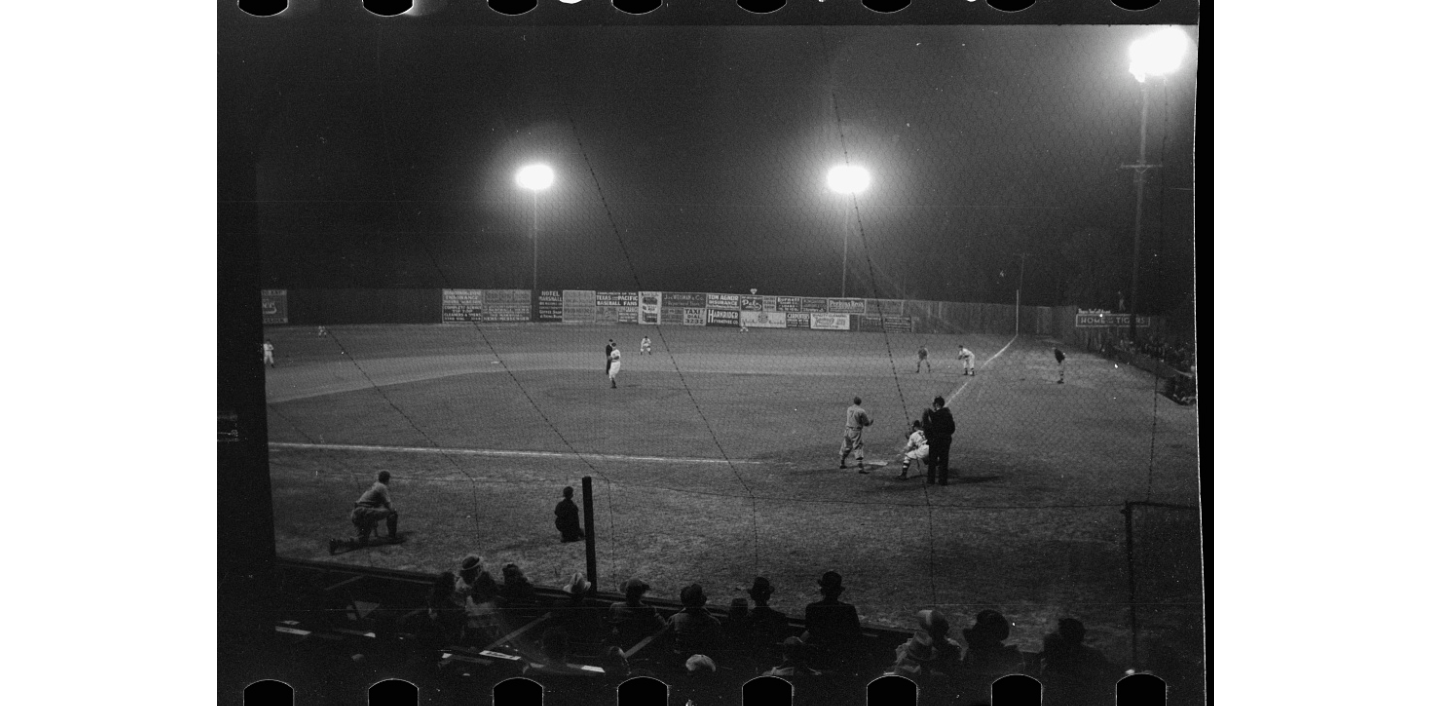
Image Credit: Russell Lee “Night baseball, Marshall, Texas” (1939) Public domain image courtesy of the Library of Congress
Casual Friday


When the evening arrives
John next door goes by
the name Lady Flamingo

and puts away the expensive suit
for a dress with sequins and feathers

hides his neatly combed hair
beneath curls of a pink wig

and trades in the quietness of his dress shoes
for the authority of eight-inch heels

he works business in the city by day
until business becomes hers by night.

This morning I hold the entrance door
for him while we both leave for work

sporting another Brooks Brothers suit
he tells me it’s Casual Friday
as he points to the pink flamingo on his tie.
About the Author: Cord Moreski is a poet from the Jersey Shore. Moreski is the author of Confined Spaces (Two Key Customs, 2022), The News Around Town (Maverick Duck Press, 2020), and Shaking Hands with Time (Indigent Press, 2018). When he is not writing, Cord waits tables for a living and teaches middle school children that poetry is awesome. His next chapbook Apartment Poems will be released by Between Shadows Press in late 2022. You can follow Cord here: www.cordmoreski.com
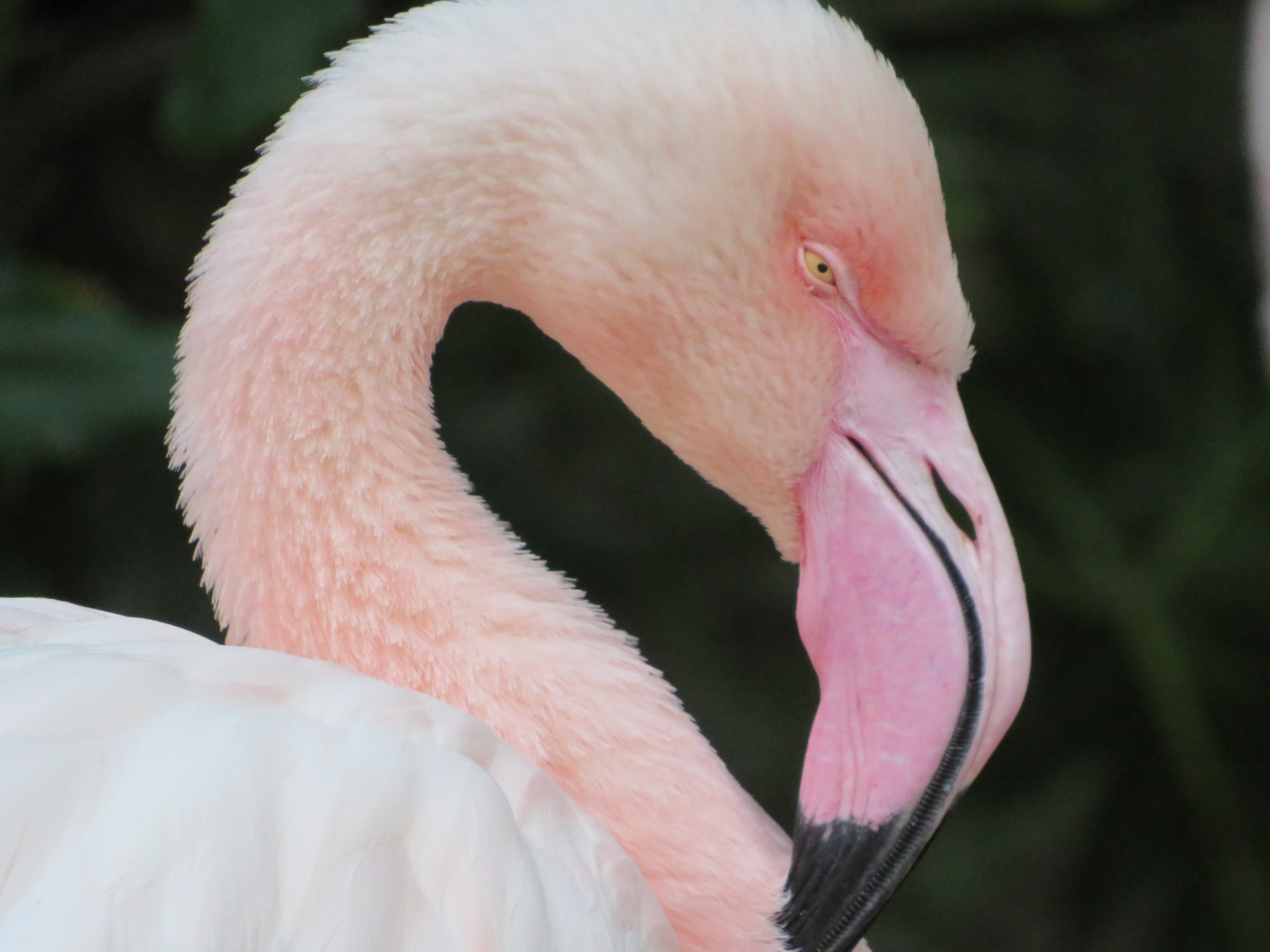
Image Credit: Chase Dimock “LA Flamingo” (2021)

Do the Next Right Thing

Between the calendar and the task list, most mornings
I’m chasing paper before my first cup of tea. Or paper
is chasing me—sheets of it rustling, as if a breeze woke
at the sound of my alarm, rising, gusting across the desk

flicking the edges of the note I wrote last night: Plant seeds.
Clean the tub. Buy more oats, milk, butter, life. Wait!
I remind the page, “You can’t buy more life.” The breeze laughs.
Across the room, the calendar rustles in amusement.

I really don’t think it’s funny. I talk back. I argue. My tea
that steamed in its sturdy green mug gives up, chills out,
and a stray tear sneaks down my right cheek. Only one
way to keep love alive: Plant more seeds. Let something

tender, something vulnerable, something miraculous
(none of which could ever describe paper) grow.
About the Author: Beth Kanell lives in northeastern Vermont, with a mountain at her back and a river at her feet. Poet, novelist, historian, and memoirist, she shares her research and writing process at BethKanell.blogspot.com. Her novels include This Ardent Flame, The Long Shadow (SPUR Award winner), The Darkness Under the Water, The Secret Room, and Cold Midnight; her short fiction shows up in Lilith and elsewhere; and she takes pleasure in documenting life stories of older Vermonters in features in the North Star Monthly. Look for her memoirs on Medium, and her mystery reviews at the New York Journal of Books.
Image Credit: Chase Dimock “Small Bloom” (2022)
Winter Apples

The powdery mildew killed my eyes
but I’d climb it anyhow
an ancient Gravenstein
with a pine tar patch
in the vee of two trunks
My dad’s friend was a jazz guitarist
and a tree surgeon
to my kid ears ‘tree surgeon’
was as good as Dr.
he did the patch
and later died of vodka poisoning
in his mobile home
I picked up the guitar myself
and wondered what dad thought about it
My dad and the tree
look worse each year
sooty blotch and flyspeck
liver spots and basal carcinomas
but big, sweet Gravensteins
as if the tree knows
these are the last
they’ll ever have.
About the Author: Jon Bennett writes and plays music in San Francisco’s Tenderloin neighborhood. You can find his work on most music streaming sites as well as here. His new chapbook, Leisure Town, is available on Amazon here.
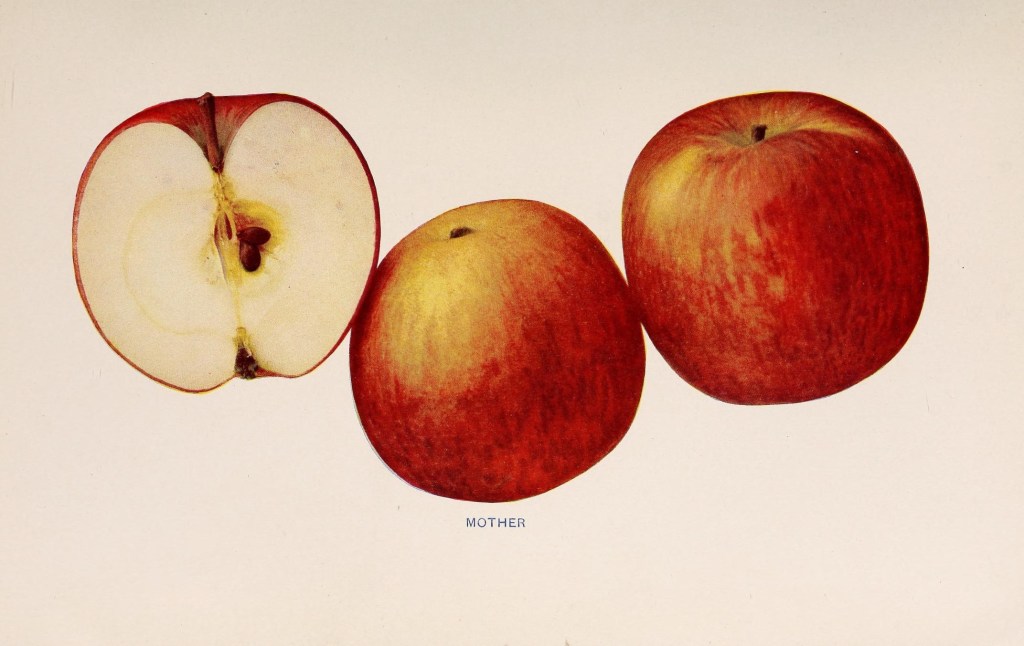
Image Credit: Image originally from The apples of New York Albany :J.B. Lyon,1905. Image courtesy of the Biodiversity Heritage Library
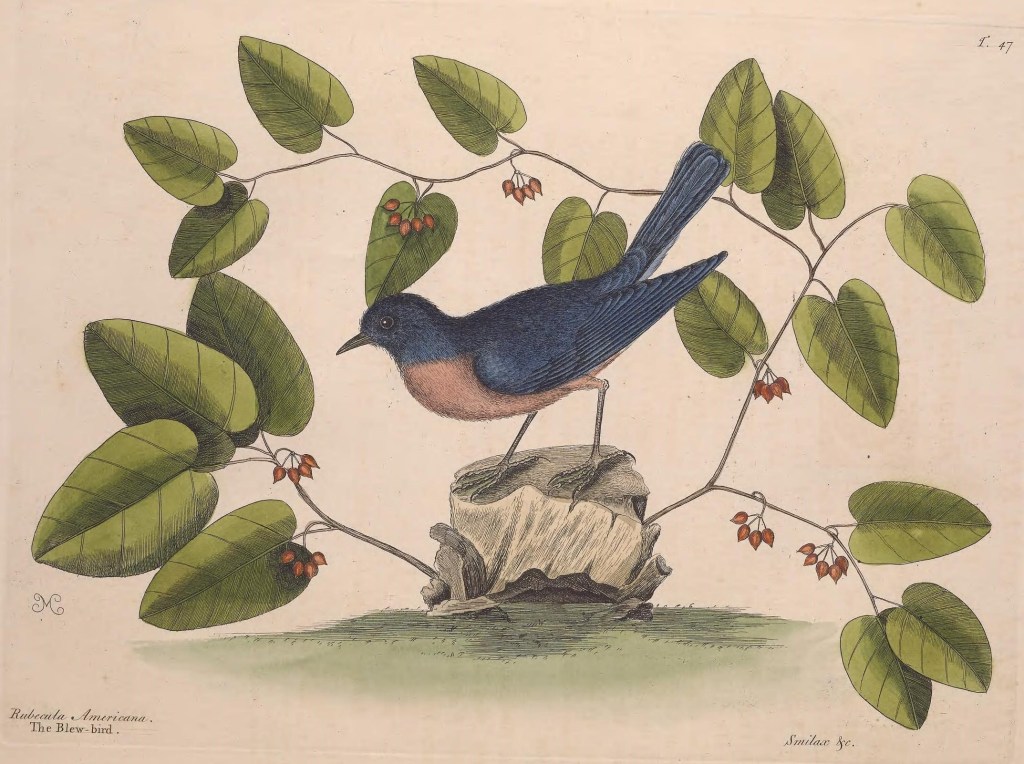
the gentle hours
                   ⸺to John

a felt bluebird perches on the purple
orchid on my kitchen table
a broken heat wave
elixir for the skin
these are the gentle hours
at 6 am I’m up and around the place
shedding the shortened sleep

I haven’t yet grown into my windows,
the few flat bottomed clouds have
nested under my eyes, dawn is an
obsessive safecracker     vault of blue
sky wide open dreams wide open morning
broken like an egg and opened      no one at
this hour seems shocked at the sounds of life.

I think of my friends present and long gone
as interstellar rainbows, sun-kissed
children of beauty     no one but everyone
ends up a stranger, they are my muses
my runes my river. When I think of them
I think every star inhabits the soul of a
desert flower, every soul a signal fire.

First news of the day will rattle some
empty cages, no doubt, it’ll take more
than imagining the contents of Thoreau’s
haversack to gentle the earth. At my age I
become something I’m not all over again
and it fits me like a glove. Fate is a direction
that won’t let me lose my way.
About the Author: John Macker grew up in Colorado and has lived in northern New Mexico for 25 years. He has published 13 full-length books and chapbooks of poetry, 2 audio recordings, an anthology of fiction and essays, and several broadsides over 30 years. His most recent are Atlas of Wolves, The Blues Drink Your Dreams Away, Selected Poems 1983-2018, (a 2019 Arizona/New Mexico Book Awards finalist), Desert Threnody, essays and short fiction (winner of the 2021 Arizona/New Mexico Book Awards fiction anthology prize), El Rialto, a short prose memoir and Chaco Sojourn, short stories, (both illustrated by Leon Loughridge and published in limited edition by Dry Creek Art Press.) In 2019, his poem “Happiness” won a Fischer Poetry Prize finalist citation, sponsored by the Telluride Institute.
Image Credit: Image originally from “The natural history of Carolina, Florida and the Bahama Islands”. Image courtesy of The Biodiversity Heritage Library

On My Road
You shuddered and I shuddered and I smiled because of gravity. I moved you with my hands, and then we went to the movies. Full-screen, popcorn, real butter. You say we’ve sinned and our faces have dropped. I laugh and tell you I’ll pick your face up for you. You say you gave up women for an old yellow dog and magazines and a bad lower back. I say I wear a plastic-certainty mask when I greet the young pharmacist who knows my driver’s-license name. Your handwriting was here on my table last week. I’m not giving up on this.
About the Author: Meg Pokrass is the author of 8 collections of flash fiction.
Image Credit: Chase Dimock “Unfolding Succulent” (2022)
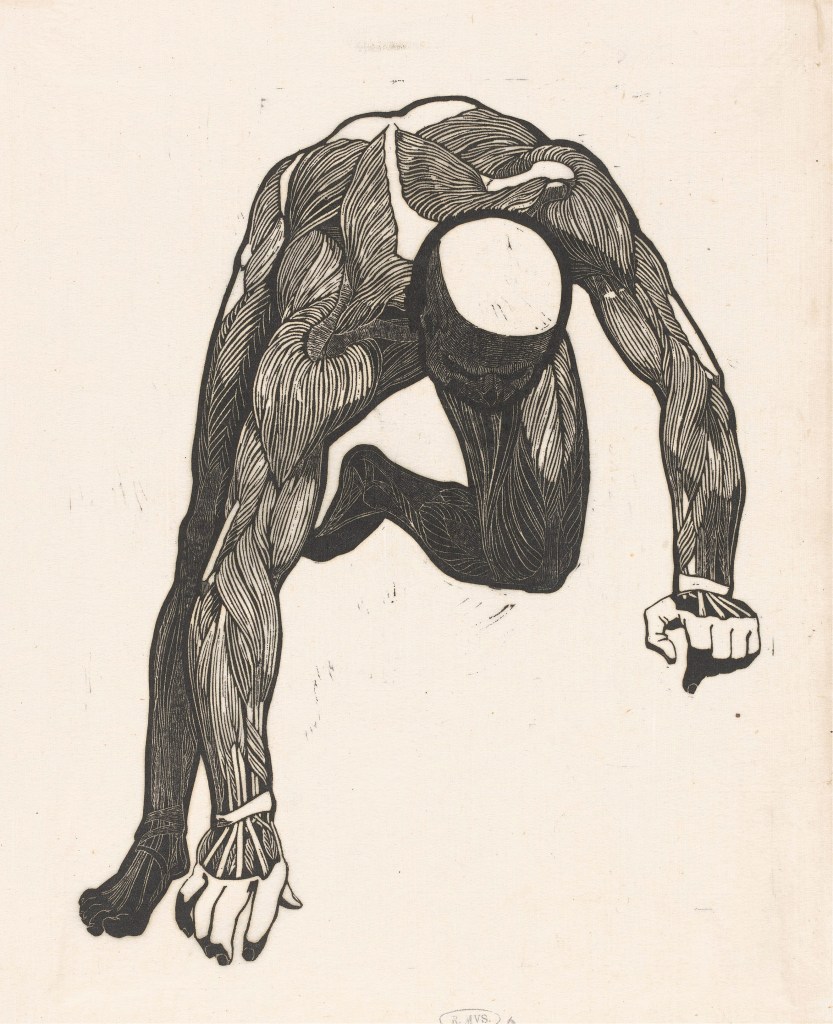
Expiration Date

In the dream we all had one. Some were subtle,
the back of an earlobe, the sole of your foot. Pale
digits in a delicate Roman font. Others more brazen,
a numeric ring on a middle finger. Nobody got
to choose. It was the first thing new moms checked
after counting fingers and toes, tiny numbers and dashes
in folds of still damp skin. No point trying to get rid  of
them. Like the chemistry teacher who scrubbed  her skin
raw with a concoction boiled up in the lab.  Her
tattoo-artist boyfriend, undeterred,
wielded his needle magic to give her a few more years.
But the merciless 2022 was still there. Many
tried to ignore it, the way third graders in July
refuse to think about September. A few made it into a party,
their birthday’s morbid cousin, where black balloons had a
whole new meaning.
                                               Later I wondered if they
were any better off, those people with indelible dates,
taking their personal time bombs with them as they
went about their lives. At least they were never
surprised by death, foretold as it was from the start.  No phone
calls that drop you to your knees. But you’d  still have to face
the appointed date, wouldn’t you? Alone  in your den, blinds
shut tight, listless ceiling fan stirring above.  Feeling the
seconds squeeze through you like cigarette smoke  through a
menthol filter. Realizing as you wait—the end is still the end
even when you know its schedule.
About the Author: A 2021 Pushcart Prize and Best of the Net nominee, Ken Hines has written poems that appear in AIOTB, Vita Poetica, Ekphrastic Review, Psaltery & Lyre and other magazines. His poem “Driving Test” won the Third Wednesday Journal Annual Poetry Prize. All this scribbling takes place in Richmond, Virginia.
Image Credit: Reijer Stolk “Anatomical study of the neck, arm and leg muscles of a man” Public Domain image courtesy of Artvee
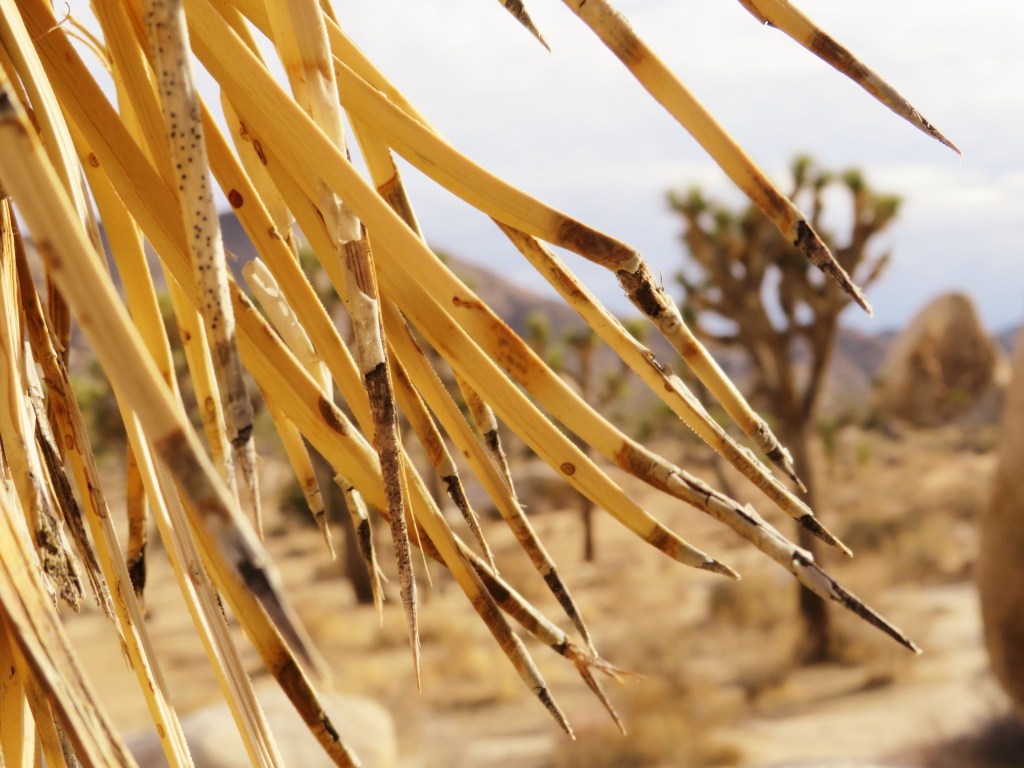
Sirocco

The hot winds blow northwards.
Laboring hearts adapt to a slow-burning rhythm.
Nights find you breathing harder,
dreaming languid dreams dipped in Saharan orange.
Snow melts into puddles, makes
little rapids in the gullies.

Shy bright green unfolds on hitherto
barren winter stalks, like young girls
succumbing to the whispered promise
of swelter, not heeding either calendar
or caution.  Cars covered in red sand
use the roads like go-cart runs. An early
tulip pushes through heavy slush,
a sense of unseemliness in the air.

On a park bench two grey heads,
woolen scarves undone daringly,
galoshes protecting warm shoes.
Old hands stripped of thick gloves,
he holds hers and bends over them as far
as his stiff back gives him leave.
The Sirocco will hold a few days.
About the Author: Rose Mary Boehm is a German-born British national living and writing in Lima, Peru. Her poetry has been published widely in mostly US poetry reviews (online and print). She was twice nominated for a Pushcart. Her fifth poetry collection, DO OCEANS HAVE UNDERWATER BORDERS, will be published by Kelsay Books in July 2022. https://www.rose-mary-boehm-poet.com/
Image Credit: Chase Dimock “Dead Leaves and Landscape” (2021)

With his trademark spare and exact style, John Dorsey’s latest book of poetry guides us through a carnival of characters that stretches across the country in space, and deep into his decades on the road. What sets Dorsey apart from the other geographers of trailer parks, small town diners, and dollar stores is the balanced empathy of his writing. There isn’t anything sensationalized or exploited. What he reports may shock, but his work never relies on shock value or gratuitously gruesome description to strike its blow. The power of his work is in his ability to make his readers empathize with the marginalized and grotesque without straying into the cheap pathos of pity.
In a poem about a man who lost part of his nose to cancer, Dorsey concludes in the final stanza:
but he’s not pretty enough for heaven
or the silver screen
& not ugly enough
to hide his face
& let some lonesome dirt road
forget he was ever there
This liminal space between beauty and ugliness, between heaven and hell, is where Dorsey’s redneck carnival is located. Beauty is always tempered by the constraints of the environment in which it lives, and what gets written off as ugly is infused with humanity, glowing with careful understanding. At this carnival, the “prettiest girl in town,” “pours drinks/ &becomes a wingless canary/ singing for tips/ in a cage filled with smoke.” Later, Dorsey’s poem for his grandmother similarly envelops us with smoke, describing her with the following:
I never remember you looking young
shaky hands lighting one cigarette
off the other
black rings under your eyes
but your smile was magic
talking about tv preachers
by their first names
as if they really did care
about your salvation
Cigarette smoke is the before and after: beauty destined to shrivel in its environment and the unsinkable beauty deep within an already withered face. As you thumb through Dorsey’s poems, the question is always, who is living in the before and who is living in the after? Who is the young and beautiful destined for pain and age, and who is the weathered soul whose beauty still flickers from inside a battle scarred body?
Take his short “Trailer Park Song, 1982” for example:
my brother
angry
red faced
screaming
& beautiful.
Brief, simple, yet unexpected. Dorsey hands us the unanticipated connection of anger and beauty without a treatise on their causal relationship. In another poem, “Love Letter for Jana Horn”:
the mailbox is full of postcards
from hipster boys
&aging dreamers
who just want
to be swallowed whole
by a desert rose
The young who are destined to become old, and the old who cling to what makes us young in spirit all desire to be consumed by beauty. In Dorsey’s poetry, beauty is as much an aspiration as it is a physical state. Physical beauty is fated to fade, which in of itself is beautiful, but the aspiration toward beauty is what remains after flesh fails.
The only time Dorsey is explicit in labeling true ugliness, is ironically, when he describes a young woman asking “for donations/ for a baby beauty pageant”:
$10 here
$5 there
for a twirl
at the baton
of immortality

sometimes there
is nothing uglier
than
hope.
It’s here where Dorsey draws somewhat of a line where his appreciation of the aspiration toward beauty stops. There is an inherent ugliness in these pageants that exploit the bodies of young people and inculcates in them a belief that beauty should be subject to the judgment of others. Yet, even in his distaste for the pageant, Dorsey isn’t judgmental of the young woman asking for donations. She has bought into the ugly side of hope when our culture commodifies our aspirations to be beautiful. The same is implied in the earlier poem about his grandmother and the TV preachers who pretend to care about her salvation. It’s not the women having hope that is ugly, but instead, the ugliness is in the cynical hope sold to them by institutions that promise what they won’t deliver.
Dorsey never patronizes his subjects by lapsing from empathy to condescension. Sympathy can often be a temporary license we give ourselves to gawk at someone’s misery. While Dorsey doesn’t shy away from presenting the sad circumstances of someone’s life, he also never infringes on their agency by flattening them into one-dimensional victims. Even the aforementioned cancer survivor:
says we are all ravenous locusts
at the same overcrowded trough
as he explains his theories on women
We can only imagine what these “theories” might be, or what he might be expressing with the locusts comment. What is sure is that these complicating aspects of the man’s personality play against any impulse to use his cancer as a thin premise for sympathy. He is not the perfect victim, just a human whose cancer is part of his story.
Dorsey’s poems are all honest reports on the damage we all live with, and whether this damage is a circumstance of birth or self-inflicted, the damage is inextricable from our stories. For example, Dorsey bluntly spells this out in his poem “Young Man”:
david
i’m not saying
you were no good
just rotten on the inside
like a bag of sour apples
who left us too young.
Dorsey does not fear pinpointing the rot inside this young man, but also avoids any kind of judgment on him or blame on anyone else. It is taboo to speak ill of the dead, but our culture’s fear of this taboo often leads us to invent a fictitious version of the dead that paints them as blameless and brightsides their darkness. This is more of a dishonor than providing an accurate record of the life they led because it erases all their choices and every mark they made, good or bad. It doesn’t remember the dead; it forgets them immediately and entirely.
This leads me back to what I refer to as John Dorsey’s balanced empathy. Empathy doesn’t mean excusing or ignoring the faults and failings of an individual, but understanding the trauma residing in someone’s scars, including the self-inflicted. Dorsey’s balanced empathy calls attention to the ugliness of the sour apples rotting in all of us, but in just a few words, he makes the pain of carrying this rot momentarily beautiful.
.
Sundown at the Redneck Carnival is available via Spartan Press
About the Reviewer: Chase Dimock is the Managing Editor of As It Ought To Be Magazine. His debut book of poetry, Sentinel Species, was published in 2020.
 As It Ought To Be