Susan Cossette: “Magdalen with the Smoking Flame”

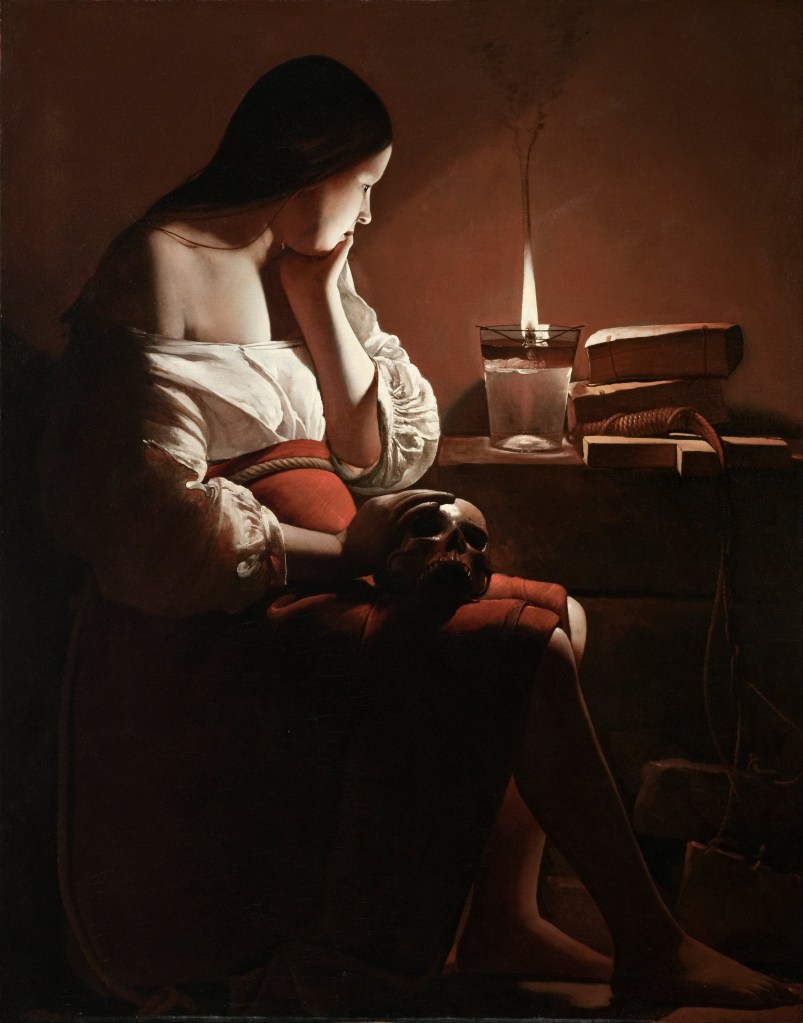
Magdalen with the Smoking Flame
-after Georges de la Tour


You see the polished skull
settled under my now-empty womb,
the books of scripture on the desk,
the unadorned wooden cross.

You see the leather scourge.
I am the perfect lover of Christ,
correcting myself daily,
now perfect penitent.

You will not see the red welts
on my back or upper thighs,
only remorse in lowered eyes.
Sweet burn, delectable wound.

The oily candle plays its tricks,
slim shafts of light on cave walls.
Peering into shadows,
I pay respect to the power of the dark.

My mind plays tricks on me.
Is it mother, laid out at solstice,
her face plump and purple,
the monsignor saying rosary?

Or something else drawn
out of the dark night of the soul,
longing for light.

About the Author: Susan Cossette lives and writes in Minneapolis, Minnesota. The Author of Peggy Sue Messed Up, she is a recipient of the University of Connecticut’s Wallace Stevens Poetry Prize. A two-time Pushcart Prize nominee, her work has appeared or is forthcoming in Rust and Moth, The New York Quarterly, ONE ART, As it Ought to Be, Anti-Heroin Chic, The Amethyst Review, Crow & Cross Keys, Loch Raven Review, and in the anthologies Fast Fallen Women (Woodhall Press) and Tuesdays at Curley’s (Yuganta Press).

Image Credit: Georges de La Tour “Magdalene with the Smoking Flame” (1640) Image courtesy of Wikimedia
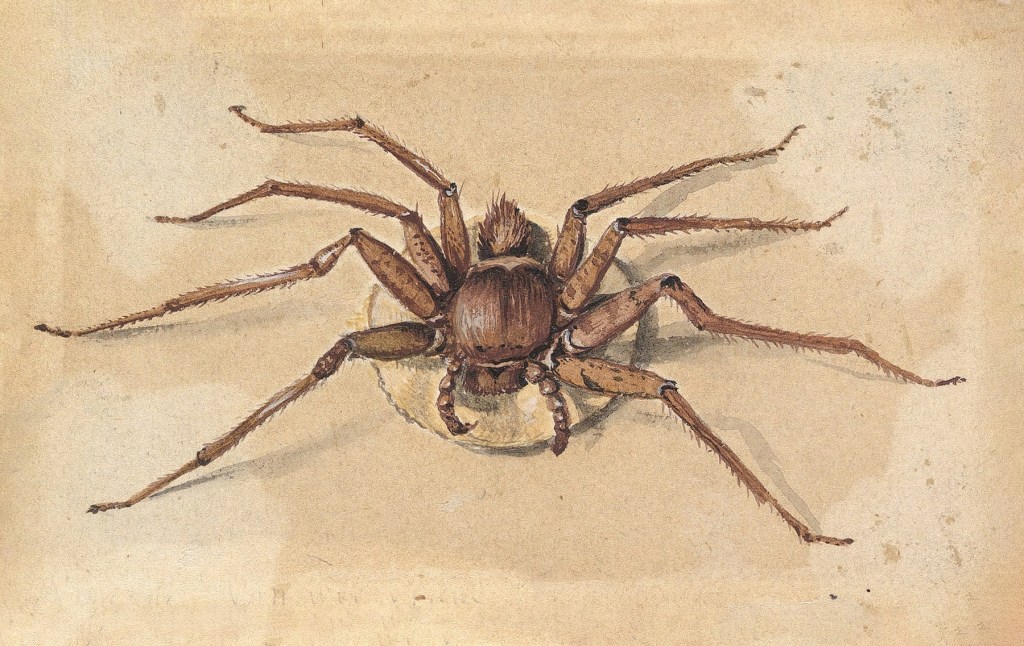
Dan MacIsaac: “Garden Spider”

Garden Spider

She spins her
own soft maze,

snare haloed
like an old radio

microphone
ON THE AIR,

rippling thin
aural rings,

oval waves
of sonic silk.

At the transit heart,
catching fine

veins of light,
she waits

for the pluck
of a male,

tiny harpist,
blindly orphic,

so tender
on a woven

strand of her
high-strung web

that will pulse
under his touch

like a radiant
and terrible lyre.

Note: The diminutive suitor, even if successful in courtship, often becomes dinner
to his cannibalistic mate.

About the Author: Dan MacIsaac writes from Vancouver Island. Brick Books published his collection, Cries from the Ark. His poetry has appeared in many journals and anthologies, including, most recently, in AmericaValley VoicesManzano Mountain Review and Poetica’s Rosenberg Award Collection.

Image Credit: Jan Vincentsz van der Vinne “A Spider” (late 17th–early 18th century) Public domain image courtesy of Artvee

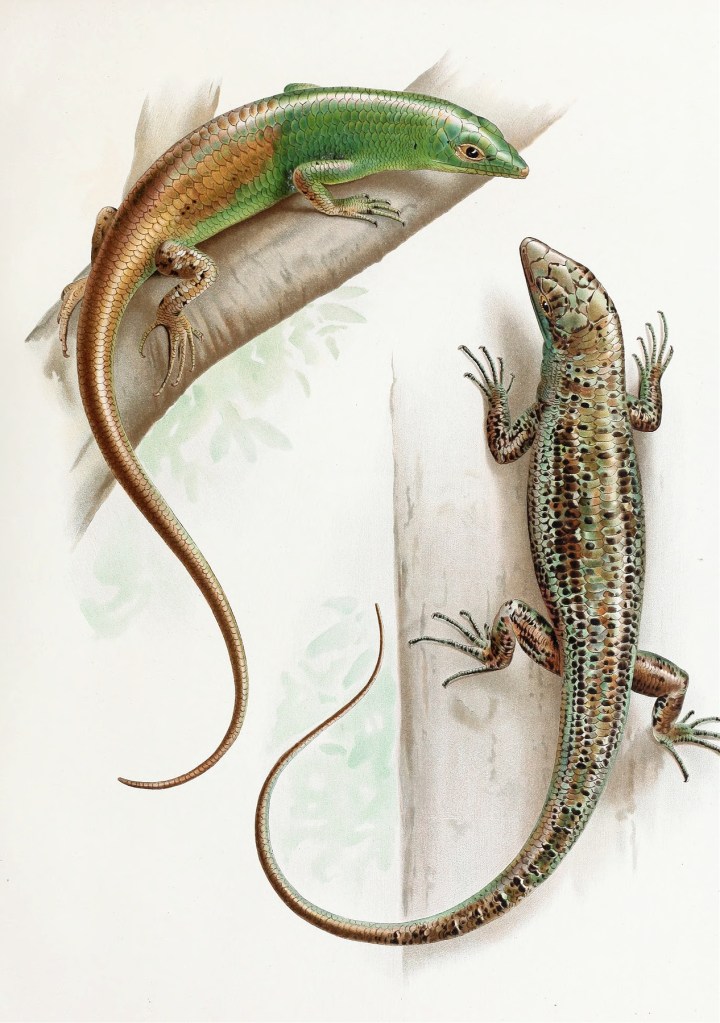
Luis Cuauhtemoc Berriozabal: “The Green Lizard”

The Green Lizard

I felt like a prisoner
in my dreams. I was
under lock and key
at a prison in Paris
like Verlaine, Villon,
and Voltaire. In a dark
cell drawing sketches
was a green lizard.
It spoke French and a
little Spanish. The
sketches were painted
on the walls. The green
lizard was my cell mate.
Its bleeding tongue was
its brush and the walls
were graffitied with red
moons, red stars, and
red mountains. Through
a window in the prison,
the green lizard would
come in and leave through
the bars in the window.
The prison guards would
beat me mercilessly
every morning, never
believing that it was
the green lizard that
bloodied the walls with art.
They asked me where
I hid the paint and why
the sketches were red.

About the Author: Born in Mexico, Luis lives in California and works in the mental health field. His poems have appeared in Blue Collar Review, Escape Into Life, Kendra Steiner Editions, Mad Swirl, and Unlikely Stories. His latest poetry book, Make the Water Laugh, was published by Rogue Wolf Press in 2021.

Image Credit: Thomas Barbour “Dasia Smaragdinum” (1912) Public domain image courtesy of Artvee

Jeanette Hutzell: “Wasting Disease”

Wasting Disease

The CDC states that the symptoms of Wasting Disease are
drastic weight loss, stumbling, and listlessness.

I saw a dead deer in the middle of Route 31 driving home,
and his insides were sucked in till his bones stuck out.

My dad tells me in a curious tone during our weekly calls
that the wasting comes in and eats them from the inside out.

He then informs me, in an even more drastic way,
that it can definitely spread to humans from the meat,

but I think, driving back to small town United States,
it’s already here.

I passed by my favorite restaurant during deep dusk,
and the windows were boarded up and already vandalized.

The main road into town is starting to wash away,
and flood control can’t hold anymore of its rubble.

That bridge they claimed they would fix became a crater,
and the orange work sign has become a vague, plastic white.

I turn on my high beams and catch the eyes of a young buck,
breaking quickly so I don’t catch him on my car.

He blinks at me and his fog breath hitches out in the fall air,
and I see his sides sucked in like an empty duffle bag.

I watch him leave and then sit for awhile longer realizing
the sign for the street I live on has been stolen.

I’m driving through a hot carcass that isn’t even dead yet.

About the Author: Jeanette Hutzell works part time as a server while studying English Literature and English Writing at the University of Pittsburgh-Greensburg. She grew up on her family farm in Meyersdale, Pennsylvania.

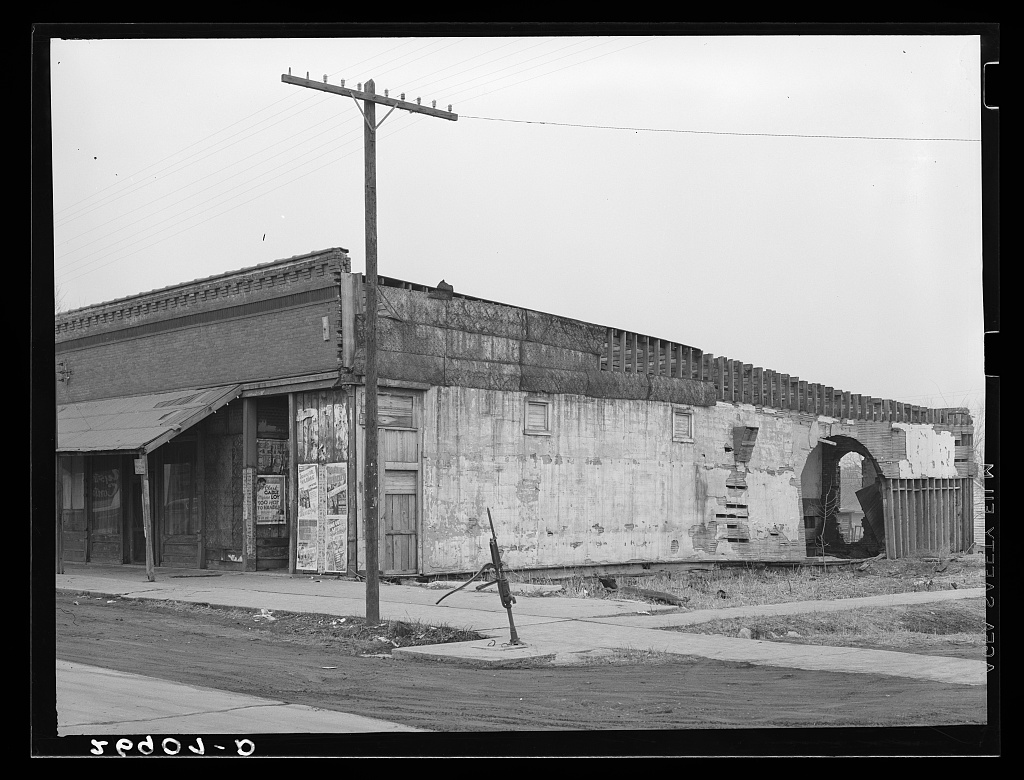
Image Credit: Arthur Rothstein “Abandoned store. Cambria, Illinois” (1939) Public domain image courtesy of the Library of Congress

R.T. Castleberry: “Items from the Wreckage”

ITEMS FROM THE WRECKAGE

The chant sounded overhead 
is a rosary of wails 
pitched upon the sea.
Feasting days are over.
As bodies, like incantations,
return as denial, as disbelief,
there is a need between us
to act the abandoned child.
We must appear as 
orphans of mothers, of fathers
who could not see us
except at drink or night brutality.

I have spoken to your fears
as best I could;
taken and turned what I know
to some attempt at service.
It is never enough. 
I must seem a fool
to attempt a patch upon a 
part that slips daily, grinding 
ever finer, ever closer.

Feasting days are finished.
And we are left consoling
our fathers, our mothers weeping 
in raging lines along the shore.
We must take the unkind step to
leave them to their grieving.
You and I must learn a new answer,
another offering to the tides.
In movement, past regret,
past unspent days and seasons,
we will lay claim to our own lives.

About the Author: R.T. Castleberry, a Pushcart Prize nominee, has work in Steam TicketVita BrevisAs It Ought To BeTrajectorySilk RoadStepAway, and The River.  Internationally, he’s had poetry published in Canada, Wales, Ireland, Scotland, France, New Zealand, Portugal, India, the Philippines and Antarctica. His poetry has appeared in the anthologies: Travois-An Anthology of Texas PoetryTimeSliceAnthem: A Tribute to Leonard Cohen, and Level Land: Poetry For and About the I35 Corridor. He lives and writes in Houston, Texas.

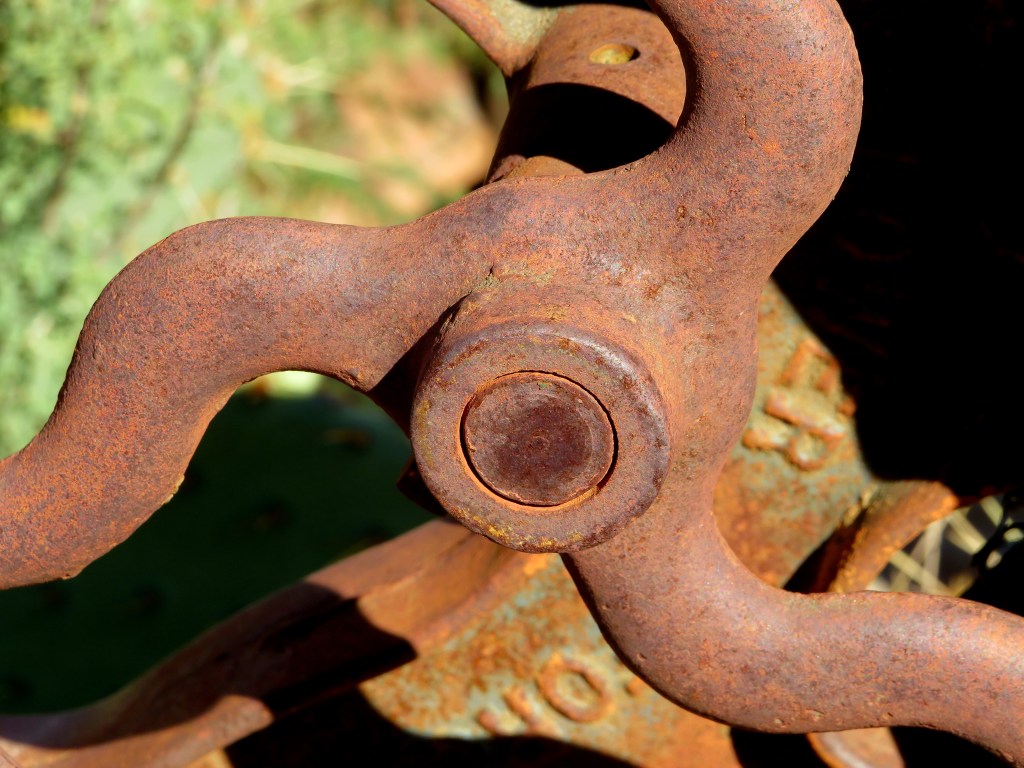
Image Credit: Chase Dimock “Flywheel, Oatman” (2023)

Sterling Warner: “Kick the Bucket”

Kick the Bucket

Like a hollowed-out pumpkin
an empty orange bucket
sat on my back-porch stoop,
job completed, five-gallon
contents exhausted, container
just a lonely remnant inviting
children to flick it over, palm
the pleated bottom like a tabla
or pound corners with garden stakes
as if playing a floor tom-tom;
the pail’s white plastic handle
arced like an anemic tambourine
erect, bending indifferently
once flipped horizonal.

Oh, days came & went, tasks evolved,
trash stuffed space where machines
filled paint cans, shook pigment,
stamped a slogan that pealed
off the vessel’s exterior; creative
uses expanded, cobwebs cluttered
the uncovered lid before kicked
sideways so Scott could practice
golf putts till winter snowdrifts 
buried its Halloween semblance
welcomed springtime renewal
as rodents huddled, built nests
& guarded offspring oblivious
of their Home Depot connection.

About the Author: A Washington-based author, educator, and Pushcart nominee for poetry, Sterling Warner’s works have appeared in many international literary magazines, journals, and anthologies such as Street Lit., The Ekphrastic ReviewAnti-Heroin Chic, The Fib Review, and Sparks of Calliope. Warner also has written seven volumes of poetry, including Without Wheels, ShadowCat, Memento Mori: A Chapbook Redux, Edges, Rags & Feathers, Serpent’s Tooth, Flytraps,  and  Cracks of Light: Pandemic Poetry & Fiction (2022)—as well as. Masques:Flash Fiction & Short StoriesCurrently, he writes, turns wood, and hosts virtual poetry readings. 

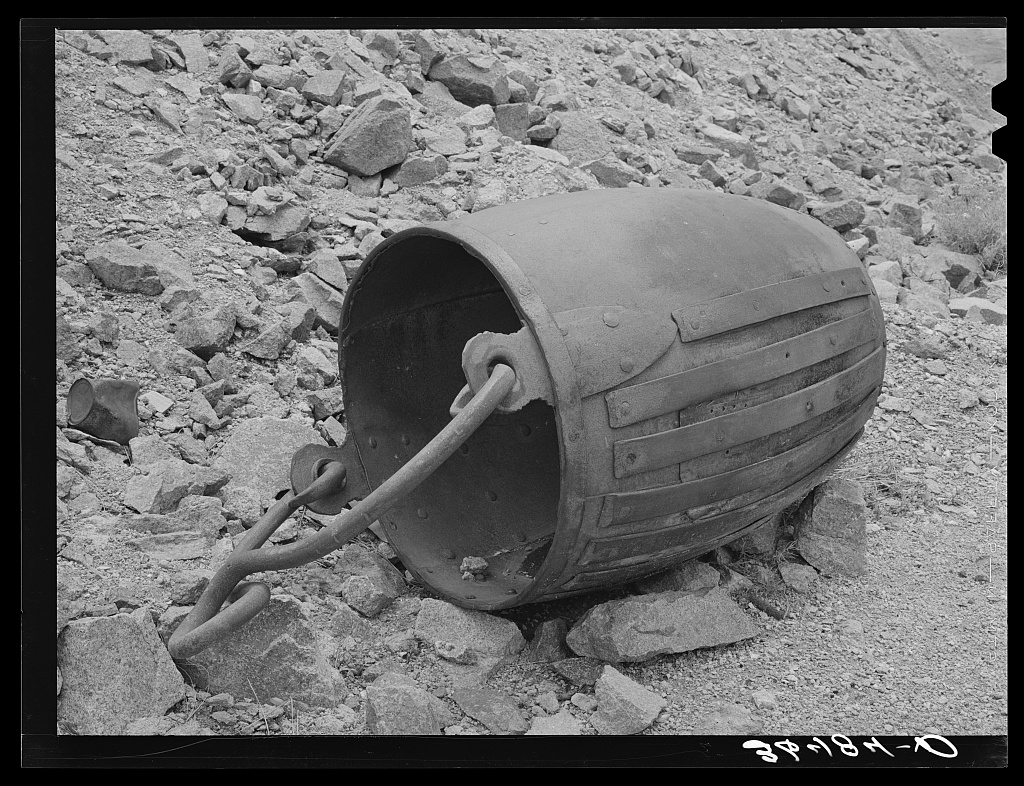
Image Credit: Russell Lee “Old gold ore bucket at abandoned mine. Pinos Altos, New Mexico” (1940) Public domain image courtesy of the Library of Congress

John Barnes: “Noah’s Bones”

Noah’s Bones

The jasper skeleton of fallen Noah
Fossilized in mineral rich mud
Not so far from the chalcedony beams
That buoyed a sprig cut from the 
Tree of life over the vast empire 
Of whale and shark and seaweed groves.

His skeleton may remember what the flesh 
Forgets.  Crustaceans devouring the drowned 
Bodies of soft skinned leopards and 
Once ferocious bears.   The sharks smell
Leaking blood and rend flesh with razor teeth. 
Sunken cities shelter fish schools in tedious numbers.

And yet one tender sprig of olive, severed by
Dove teeth returning to a vista of gray on gray
Prophesies a retreat by the watery empire,
A beachhead outpost for the kingdom of the firmament,
And wings and legs and hands and sharpened swords.

Was it a sword left Noah on his back in the mud?
Was it contempt or jealousy or bitterness 
Behind the hand that struck? What evil did that
Great flood wash from the sticky nature of man?

About the Author: John Barnes has been writing poetry for 42 years and has been published in The Chained MuseThe Minison Project Sonnet Collection Series and received the Winter 2022 quarterly award for his submission to The Lyric. He recently performed a featured reading at ArtNewCo in Columbus, Ohio.  He is a student of verse and believes in the value of self-education.

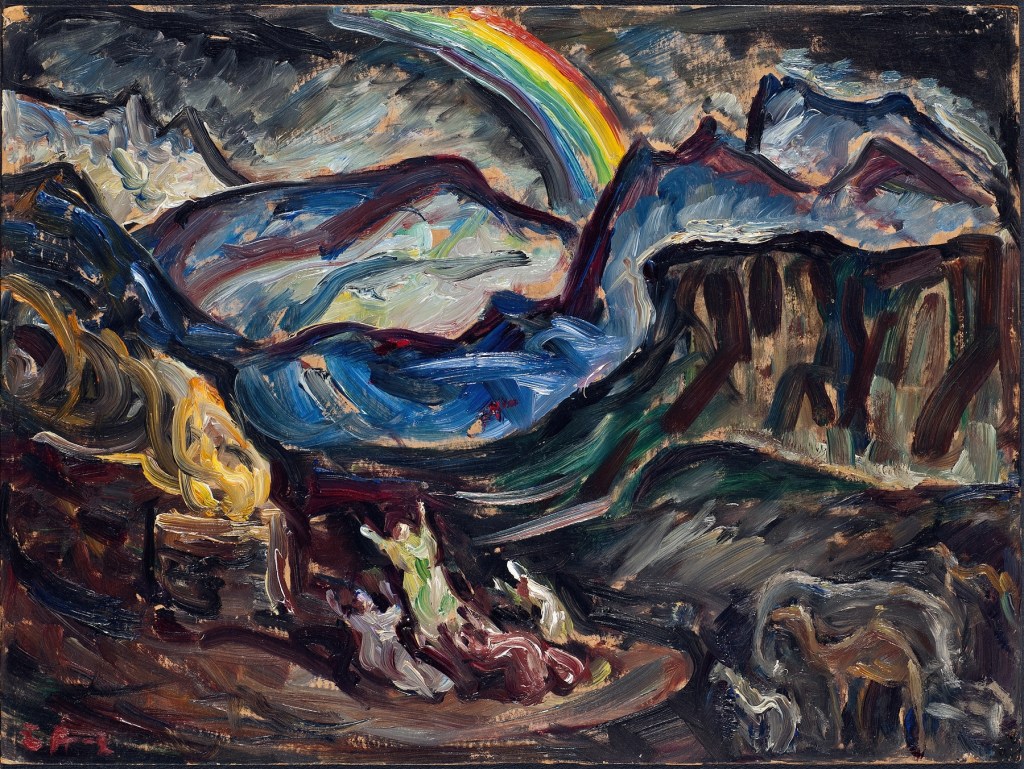
Image Credit: Ester Almqvist “Noah’s Thank-offering” Public domain image courtesy of Artvee

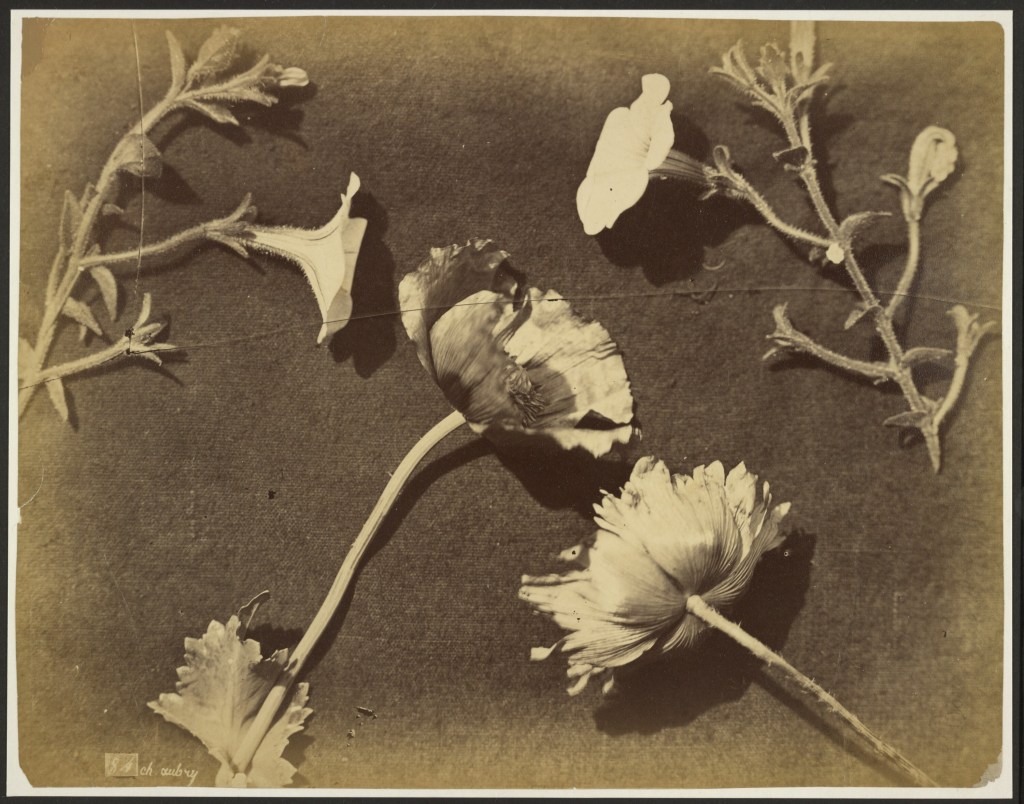
V.S. Ramstack: “And since you are part of this world, you too are changeable”

And since you are part of this world, you too are changeable
after Ovid’s Metamorphoses

an axolotl, to regrow my cut off limbs,
parts of the heart still beating beneath
the water, iodizing myself toward land

and what of those leaves you gave me in june?
especially the one i kept pressed in a book, a little
cry betwixt these metamorphoses

Ovid prayed we’d remove ourselves
from this self-taught banishment, this black & blue
sea borne ten times over by swallowed sand

but this is to say: i am not asking you to be
concerned by my hurt, only by my change
the way flowers ripped from soil will only wilt

About the Author: V.S. Ramstack is a poet breathing in Chicago. She received her BA in English + Gender, Women, & Sexuality studies from University of Minnesota and her MFA from Columbia College Chicago. Previous work can be found in PositCurator MagazineAnti-Heroin ChicAcross the Margin, and elsewhere.

.

Image Credit: Charles Aubry “Flower Still Life” Digital image courtesy of the Getty’s Open Content Program

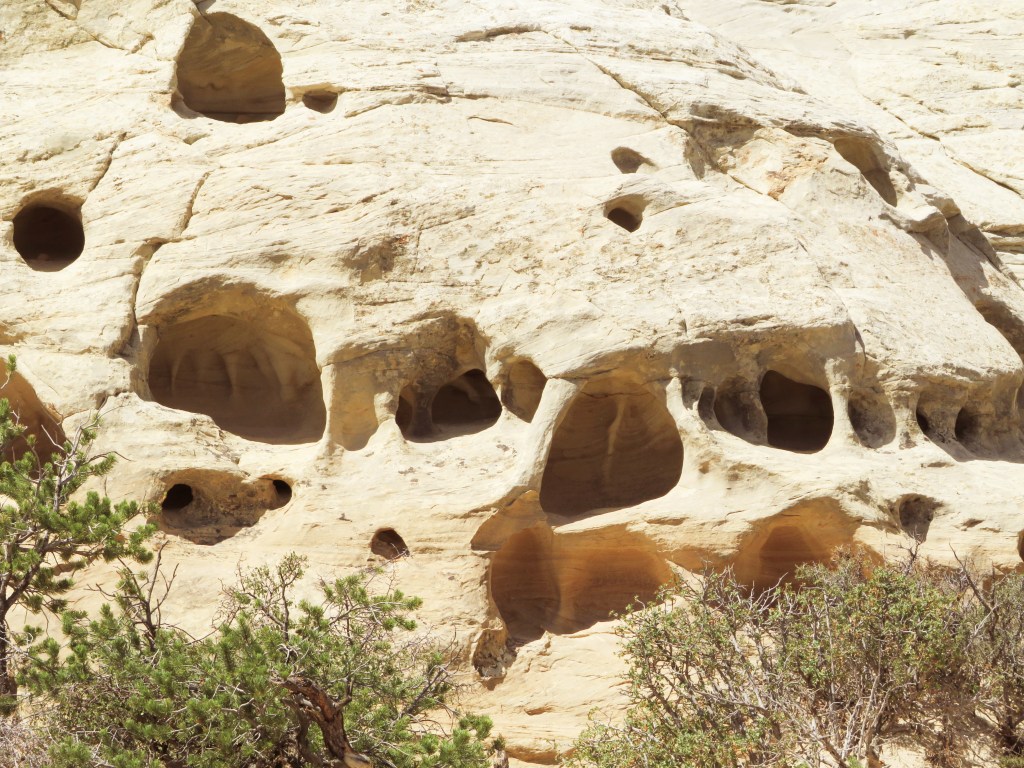
Agnes Vojta: “The Topography of Grief”

The Topography of Grief

The topography of grief is karst,
riddled with sinkholes
that suddenly open
under your feet, swallow you whole.

I don’t know what I expected
to feel. Not this emptiness.
Not nothing. I don’t cry
at the sight of my dad’s signature.

The letter from probate court
I’ve been expecting. I know
what it contains: a form letter
and a copy of dad’s will.

I cry when I pack his chessboard,
lay the wooden pieces to rest
in their velvet-lined compartments,
close the box, latch the lid.

About the Author: Agnes Vojta grew up in Germany and now lives in Rolla, Missouri where she teaches physics at Missouri S&T and hikes the Ozarks. She is the author of Porous Land, The Eden of Perhaps, and A Coracle for Dreams, all published by Spartan Press. Most recently, she has been collaborating with eight other poets on the book Wild Muse: Ozarks Nature Poetry (Cornerpost Press, 2022.) Her poems have appeared in a variety of magazines; you can read some of them on her website agnesvojta.com.

.

Image Credit: Chase Dimock “Utah Karst” (2021)

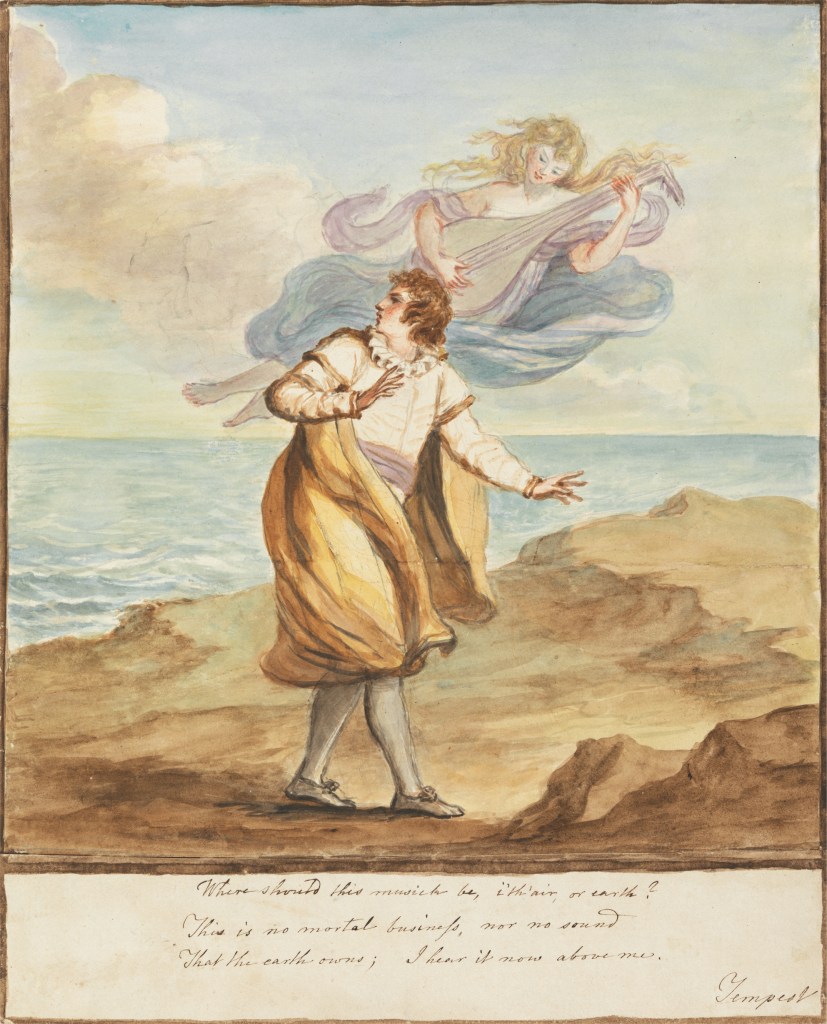
Alexander Lazarus Wolff: “Self-Portrait as Ariel from The Tempest”

Self-Portrait as Ariel from The Tempest

I have returned from the wreck, from that ship
	     you tossed with your tempest. The crew lay
                        unharmed, as you would know, 
	                            and they rest on the shore

where kaleidoscopic shells are scattered about
	    and where the sea slides up only to recede.
		        I serenaded them with my song, which,
                                    like my essence, belongs entirely to you: 

Full fathom five thy father lies;
            Of his bones are coral made;
                       Those are pearls that were his eyes:
	                             Nothing of him that doth fade…

By nature, my body belongs to the four winds,
	     and to them, one day, it will return. 
		       But, for now, I am an extension of your mind,
			            and I attend to your bidding 

as the sun comes out of hiding. The crew
	      has awoken and daylight spreads across
		        our island. I will return to my tree
			            until I’m to sing again.

About the Author: Alexander Lazarus Wolff is a writer of poetry and creative nonfiction. His work has been published or is forthcoming in The Best American Poetry online, The Citron Review, NDQ, Black Fox Literary Magazine, South Florida Poetry Journal, Serotonin, and elsewhere. He was awarded first place in the Poetry Society of Virginia’s Undergraduate Award. He is a poetry editor for The Plentitudes and is an undergraduate at the College of William and Mary. You can find him and more of his work on Facebook: https://www.facebook.com/wolffalex108/ on Instagram: @wolffalex108 and at www.alexanderlazaruswolff.com

.

Image Credit: Mary Hoare “Ferdinand and Ariel” (1781) Public Domain image courtesy of Artvee