The Case of the Missing Earrings
By Karina Castrillo
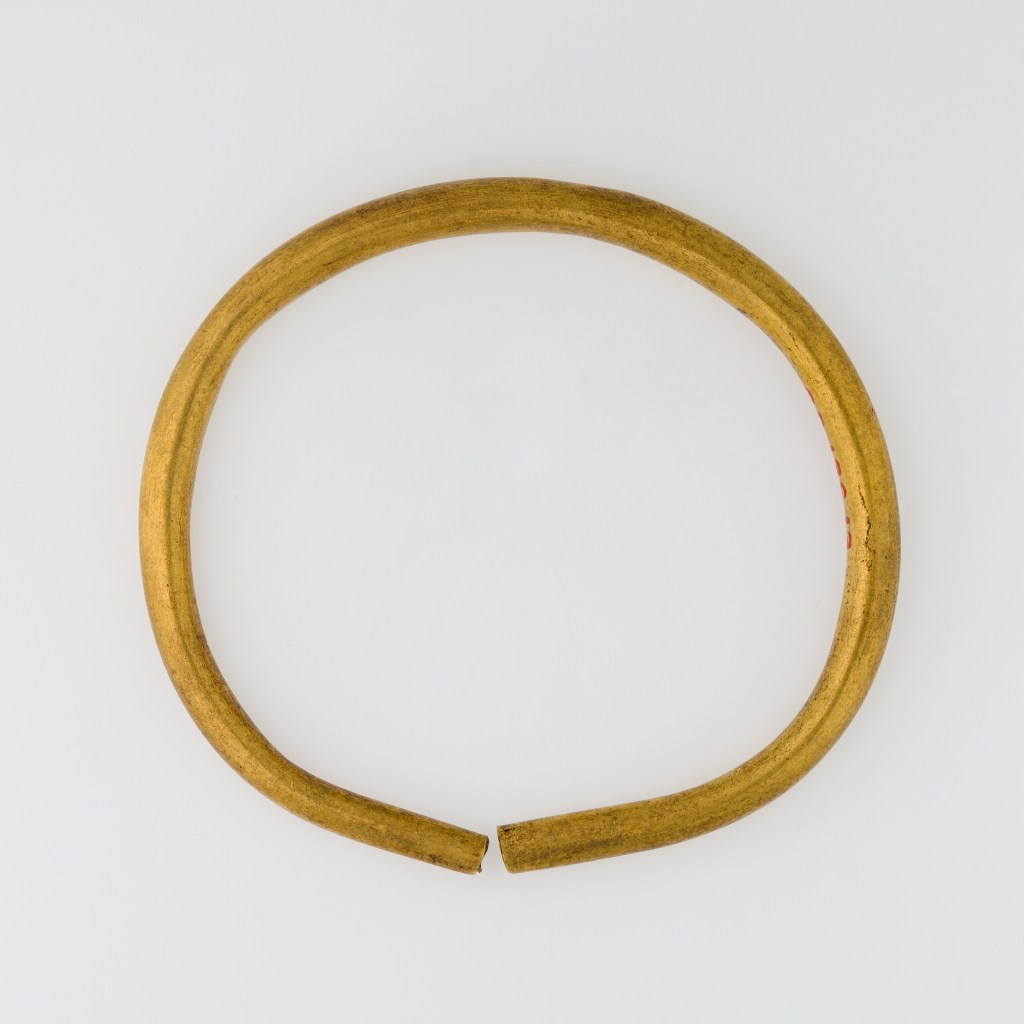
I first noticed their absence when I put down my writing journal on my nightstand. They were supposed to be there. It was one of those heirlooms that anyone would cherish – which I did. These golden hoops with sapphire gems that my Nicaraguan grandma had kept all her life. “They’re Italian,” she said. Whenever she wanted to denote a worth on some person, place, or thing, she emphasized it was European. Remnants of colonization in a tiny gift box.
My first thought was to blame the other patient. I was at a rehab facility, a mental health one, and my new roommate was, well, unknown to me. She was an older lady with long grey hair, and a bad smoker’s cough. She said she hadn’t slept in five days. I don’t know how that’s possible, but that meant that she was probably awake the night before when I assumed her sleeping and mumbled to myself in my bed. No… it wasn’t her…
I could hear my grandma now, the way she would sigh of “throwing away all that money away” when I lost the pearl necklace or “all those years of taking care of something” when I lost the diamond tennis bracelet. I ought to cherish these things – which I did.
I thought to blame the technician who made the rounds every morning at 6am waking us up for vitals. The earrings could have gleamed in the night, and she could have snatched them. Then I thought to blame the cleaning lady who walked in without knocking and consistently saw me naked as I hurriedly slipped into something after shower time. I cringed; my classism was showing.
I could hear my grandmother now, the way she always blamed “the help” when she lost something. And it was always her misplacement. Why is it that our reflex is to judge others before we look at ourselves?
As I contemplated my moral discipline, a semblance of light illuminated my memory. Had I stored it somewhere before going to take my meds? Had I placed it in a jean pocket or a sweater or a jacket? Maybe I placed it in my denim jacket before I slipped it off at the pool?
I chased to the little mahogany closet to whip out my jacket. I dug my hand into the left pocket now. Oh! It was in the right-hand pocket. I unbuttoned it. Oh! My earrings.
I held them in the palm of my hand and fingered the clasp of the hoop, still sturdy after 50 years in an old vanity drawer. I put them on, inserted the stick in my ear hole and clasped in the gold bar. They were pristine and beautiful. I took them off. I wouldn’t dare wear them again.
For once I wouldn’t lose the Italian heirlooms. I tucked them into a cloth pocket and pulled the strings to enclose them in.
And then I realized how many centuries had come to land on this rapid-fire moment, when I realized I was no better than the ancestors before me – blaming others for my own shortcomings.
About the Author: Karina Castrillo is a freelance writer for Women’s Health Magazine, and a communications specialist at a labor union based in New Jersey. Born and raised in Miami, she speaks Spanglish, and enjoys Cuban pastelitos. You can find her vintage shopping in Brooklyn, at a picket line or a protest, or walking her chihuahua Enzo – who’s tiny but has a big bark. Instagram/Twitter: @Karinainthecity
Image Credit: “Hoop Earring” Public domain image from Wikimedia. Creative Commons CC0
 As It Ought To Be
