Lead
By Daniel Crocker
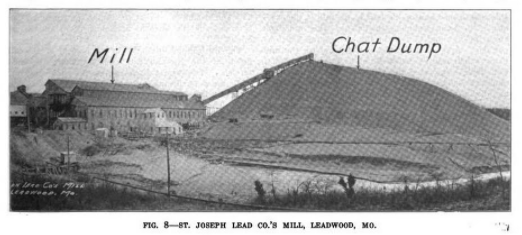
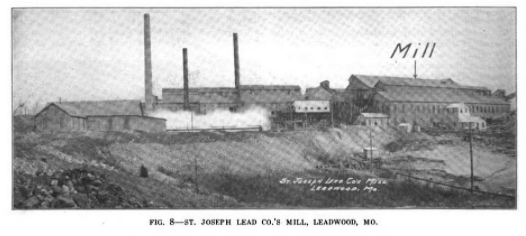
In a 2016 MSNBC opinion piece, Hillary Clinton wrote, “Flint isn’t alone. There are a lot more Flints out there — overwhelmingly low-income communities of color where pollution, toxic chemicals and staggering neglect adds to families’ burdens.” She is right. There are too many Flints. I come from a town called Leadwood that resides in an area in Missouri commonly known as the Lead Belt. As you might guess from those names, we have a lead problem. Most of them have been knocked down and covered with rocks now, but until recently Leadwood (population about 1,000) and the small towns surrounding it had “chat dumps”–huge mounds of sand mixed with lead waste. The one in Bonne Terre, MO for example was about 160 feet high and 32 acres. I would guess the one in Leadwood was slightly bigger.
The giant mounds have been flattened, but the chat is still there. Miles of it. I’m in my 40s, and we’ve known since I was a kid that the water isn’t safe (though not the toxic levels Flint has at the moment). A few years ago, we got the attention of Erin Brockovich. She came to the area. Her team called it the worst thing they’d ever seen. Tests were run. The dirt in some people’s back yards had 10,000 times more lead than what is considered safe. Promises were made, but not a lot has gotten done.
The biggest detractors of Clinton’s article made two main points—that Clinton is only interested in Flint for political reasons and that her article is race-baiting. It would be naive to think that race doesn’t play a part in Flint and other areas, just as Clinton said. Facts are facts and anyone who says otherwise is just trying to detract from the actual problem. The economy plays a part as well. The Lead Belt is a mostly white, poor area. I don’t think we talk enough about the similar problems the urban poor and the rural poor face. In fact, we too often separate the two for no other reason than political ideology. Environmental problems like the ones in Flint and Leadwood are not political. They are man-made disaster areas that overwhelmingly affect poorer communities. On this, we should be united.
There are, of course, different circumstances. The lead mining companies from where I live provided good jobs for people for a lot of years (my dad was a miner), but when it stopped being profitable they left a toxic mess and said they didn’t have the money to clean any of it up. This was decades ago, but a lot of people there still have fond memories of those good jobs. Some folks were actually upset that the chat dumps were knocked down. When I was a kid, we used to go play on them. Finally, however, people there are starting to get it.
When you come from a very poor community, it’s hard to get anyone with any power to listen, and the people who do have power think they can do what they want because of it. Luckily for Flint (if you can say there’s anything lucky about this disaster at all) is that Michael Moore was able to give them a national voice, and Rachel Maddow’s coverage had been fantastic, but quickly dropped off after Trump was elected. Continue reading “LEAD”
 As It Ought To Be