Here's Looking At You Kid

of all the beer joints in all the towns
in all the world you walked into mine

here’s looking at you kid
here’s to walled gardens left to rot
here’s to sigils on the napkins of
dirty bars on the jersey shore

here’s to Cemetery Drive muffled
from the wind of an eclipse at 90 m-p-h
here’s to a setting sun on the backs
of the wanderers waiting outside the hotel drunk

here’s to two bottle of patron nights
here’s to backseat minutiae
here’s to punk rock shows in sheds
in the woods of Flemington, New Jersey

here’s to missing work, to misunderstandings
to half truths, to stumble under sinister moons
here’s to you’ve never seen me sober before

here’s to everyone in Long Branch has problems
you may be the one to sort yours out
here’s to I may be the only cause I’m interested in
I never know which lines to cross or which to sniff

here’s to the boardwalk, the arcade, howling
in the basements of New Brunswick, church
is in session and the priest has smashed his guitar
here's to new beginnings and swan songs

here's to I've heard your poems, I raise you
a bible of circumstance and clever words

here's to friends and long nights
here's to we may never have Paris
but we will have the basement
the Eiffel tower is an obelisk
at the center of our pounding hearts
here's to next time, kid
About the Author: Damian Rucci is the author of 8 books of poetry including Poets Ruin Everything (Honeybee Gazette) & Corrupt the Youth (Between Shadows Press). He is the founder of the NJ Poetry Renaissance and host of nine poetry series. His email is damian.rucci@gmail.com
Image Credit: John Margolies “Boardwalk, Long Branch, New Jersey” (1978) The Library of Congress
W-D 40™


can of handy
man-

thing
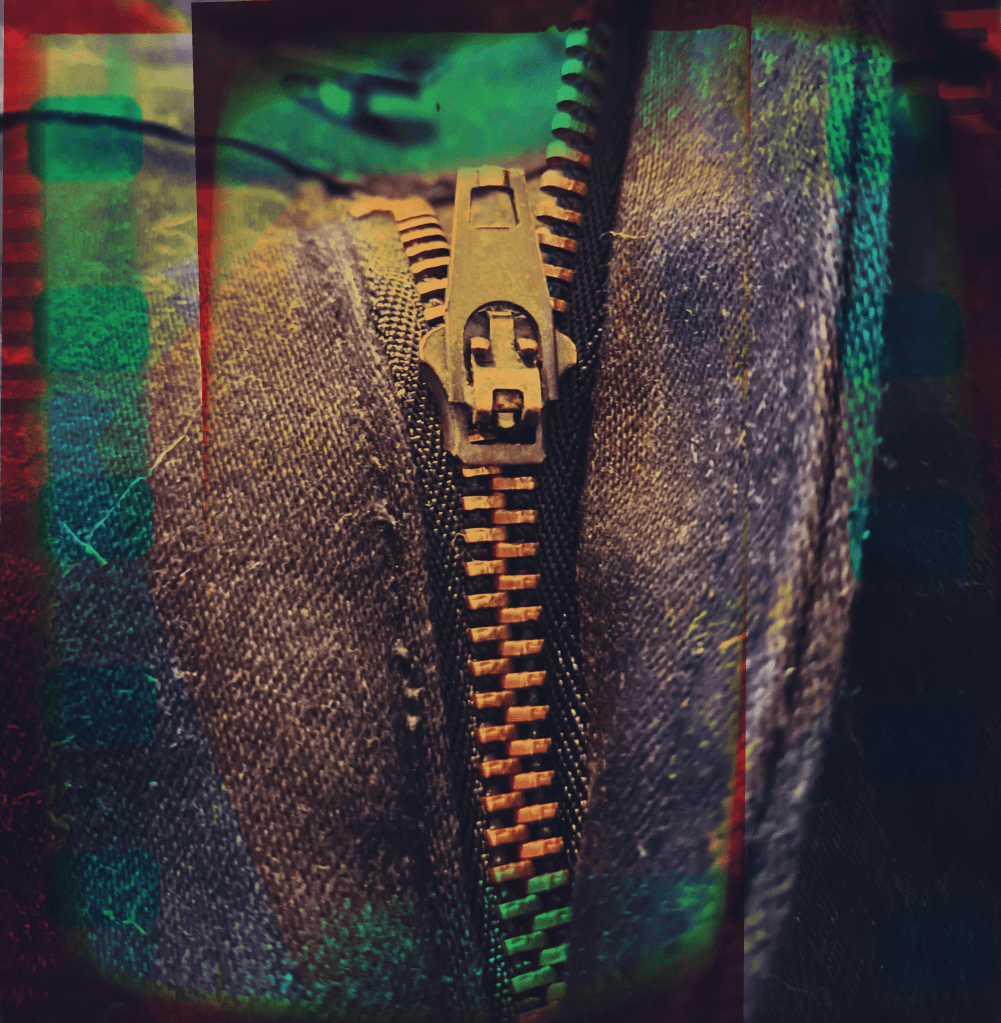
lubricating zippers

awfully
fishy

loosening gears
loosening

sockets and prosthetic
missiles

removing
lipstick

from sticky
indiscretions
About the Author: Kathleen Hellen’s collection Meet Me at the Bottom is forthcoming from Main Street Rag. Her credits include The Only Country Was the Color of My Skin, her award-winning collection Umberto’s Night, published by Washington Writers’ Publishing House, and two chapbooks, The Girl Who Loved Mothra and Pentimento. Featured on Poetry Daily and Verse Daily, her work has appeared in Arts & Letters, The Carolina Quarterly, Cimarron Review. Colorado Review,Massachusetts Review, New Letters, Nimrod, North American Review, Prairie Schooner, Salamander, The Sewanee Review, Southern Humanities Review, Subtropics, The Sycamore Review, Tampa Review Online, West Branch, and Witness, among others. Hellen’s awards include the Thomas Merton poetry prize and prizes from the H.O.W. Journal and Washington Square Review, as well as individual artist awards from the Maryland State Arts Council and the Baltimore Office of Promotion & the Arts.
Sturm and Drang

You start a poem the same way
My father-in-law lit the grill.
Fill a brown paper grocery bag
With a whole measure of briquettes.
Soak the bag and contents
With a liberal amount
Of lawnmower gas.
Set the bag in the middle
Of the round grill top.
From daringly close distance
Toss a lit wooden match
Onto the gas-soaked bag.

My oldest son at four
Watched the explosion
From a guarded distance:
Frightened, thrilled,
Fighting back tears.
It was the first time
He’d seen poetry.
About the Author: A past winner of the Jim Harrison Award for contributions to baseball literature, Tim Peeler has also twice been a Casey Award Finalist (baseball book of the year) and a finalist for the SIBA Award. He lives with his wife, Penny in Hickory, North Carolina, where he directs the academic assistance programs at Catawba Valley Community College. He has published close to a thousand poems, stories, essays, and reviews in magazines, journals, and anthologies and has written sixteen books and three chapbooks. He has five books in the permanent collection at the Baseball Hall of Fame Library in Cooperstown, NY. His recent books include Rough Beast, an Appalachian verse novel about a southern gangster named Larry Ledbetter, Henry River: An American Ruin, poems about an abandoned mill town and film site for The Hunger Games, and Wild in the Strike Zone: Baseball Poems, his third volume of baseball-related poems.
Stargazers

Lilies strain from the mouth
of the vase by the window, open

their throats to the sky, stretching
toward the accumulation of clouds,

furred stamens powdered red
as starling’s blood. The shadows

of the room, the scent of
perfume heavy as tomorrow’s end

held in stasis for seven steady
days as stems collapse in secret

and leaves transmute to slime.
In this world of sorrow and of loss

all things must fail, must come to moss
and murder, must disintegrate

in damp and dust. And we must
open our throats, and swallow.
About the Author: Ruth Bavetta’s poems have appeared in North American Review, Nimrod, Rattle, Slant, American Journal of Poetry, and many other journals and anthologies. She likes the light on November afternoons, the music of Stravinsky, the smell of the ocean. She hates pretense, fundamentalism and sauerkraut.
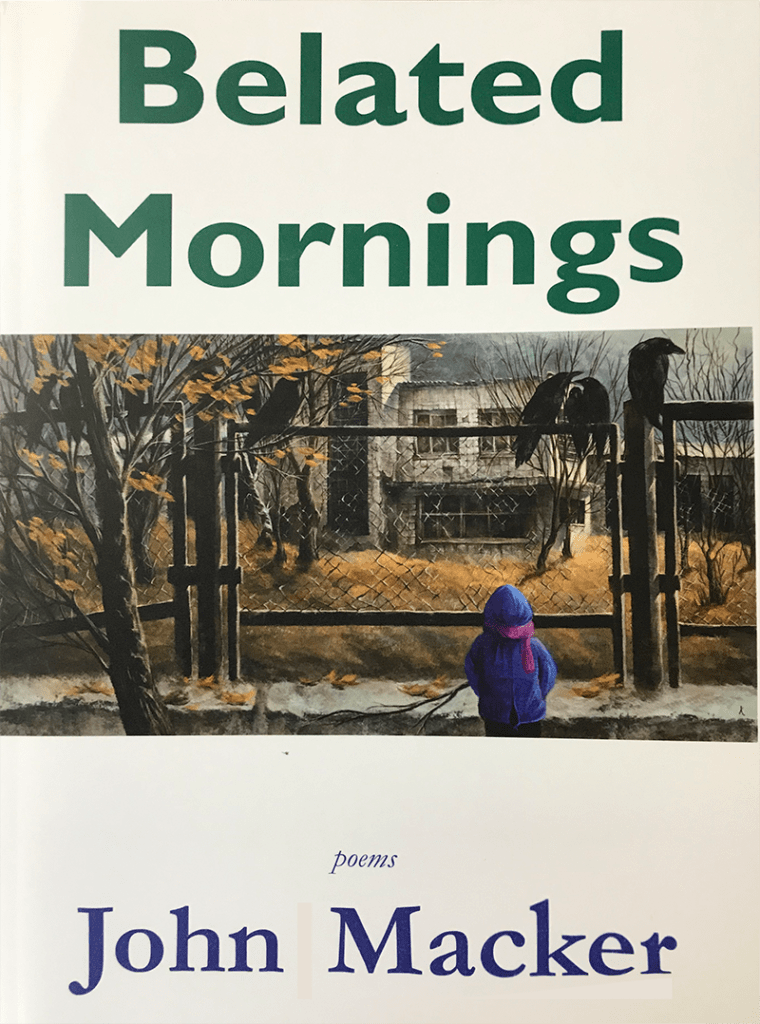
A small book, filled with large poems. I don’t mean the poems take up physical space, they take up brain space. Each one needs to be read, cogitated, chewed, swallowed, and digested, starting from the books’ epigraph, “That is my profession. / I am an archaeologist of morning.” —Charles Olson.
Our odyssey begins with Indian Summer, “Autumn as much a notion as it is / warm day, wind-drawn red crayon / moon above the canyon in slow motion, / a crisp yellow leaf afloat in its singularity / flows down a shadowed stream / into the Roaring Fork, is peace”
Macker takes us through mornings as night becoming light and mornings of memory. We are brought into the confessional in places, as he tells us about his first confession in the poem, St. Louis Blues.
Every poem is a picture, every poem has language and lines that resonate, biophilia ends with, “or hosanna Greta Thunberg’s name / in the church of feral light” and solstice ends with “I fear the longest night of the year / will last until spring” Oh, how many times have I thought that, only without such simple beauty!
The title poem, Belated Morning is a showstopper. “Last night starry-eyed blue whales / swimming over a yellowed desert appeared” and later, “…if you / don’t shine your morning light on the world / you aren’t listening, you aren’t breathing /”
These poems are musical, and accessible to anyone who wants a good story. One does not have to dig deep into hidden meaning and metaphor, one can simply read, and the best way to read any poem is to read it out loud! These poems stopped me several times, just for the sheer beauty of the words and the image they convey.
Stars Born Reaching begins “A rare hard rain at night on a flat / roof sounds like a jazz drummer’s / wet dream or palpitating steps late for / a flight…” I had to stop and remember all the times when it would rain and my grandfather and I would grab a book and go out to the travel trailer, stretch out and read until we went to sleep. And how many times I had to run to catch a connecting flight at the other end of the airport!
The book ends with the gentle hours. A gentle poem in Macker’s kitchen as he’s up and “shedding the shortened sleep” The last words, the words he leaves us with are words we can all hear in our minds, lean back in the chair with a cuppa, and cogitate, no matter our age. “…At my age I / become something I’m not all over again / and it fits me like a glove. Fate is a direction / that won’t let me lose my way.”
I recommend this book to any lover of poetry, as well as those who aren’t quite sure about poetry. Buy this book, it will be a treasure to read and a beacon on your bookshelf reminding you to live—and enjoy your mornings, no matter how you find them.
To purchase this book, please contact the author, John Macker at mackerjohn@yahoo.com. The cost is $10.00 plus s/h of $3.50.
About the Author: Lenora Rain-Lee Good, a Vietnam-era veteran of the WAC was born & raised in Portland OR and now lives in Kennewick, WA. Lenora is the author of three and a third published books of poetry—Blood on the Ground (Redbat Books, 2016), Marking the Hours (Cyberwit.net 2020), and The Bride’s Gate and Other Assorted Writings (Cyberwit.net, 2021). She co-authored Reflections: Life, the River, and Beyond(KDP 2020),with Jim Bumgarner and Jim Thielman, hence “the third.” She may be reached through her website https://coffeebreakescapes.com
A Thank You Card


	I.

The Friend told the Nurse that he believed in her
in the lengthy walk

they took along the river:
How could you think of me as duplicitous?

The river intensified the nausea,
but most of all, the guilt

that no black forest cake or clam chowder could ever fix.
Soon, she realized that the only one of them she trusted,

who cared so much about patients dying
from the higher-ups’ cover-ups,

was following a wrought script, which read Break Her.
She could no longer look herself in the mirror.

Can’t this wait till normal business hours?, he asked.
People are fucking dying!


	II.

Her Friend was two persons in one:
a kind Friend and a cold Doctor.

The Nurse protested that people were dying.
You are being too sensitive. Can’t you move on?

As her Friend lied through his teeth,
the Nurse sought to sweep mines with her toes.

She ate mounds of chocolate instead of lunch.
Her Mama took away the chocolate box and cooed.

Still the helplessness gnawed at her spirit.
She goaded, she pleaded, she even threatened—

everything but falling to her knees and kowtowing. Still her Friend
didn’t budge, calling it an interpersonal conflict-turned

legitimate concern a three-hour walk later.
She couldn’t coat her upset with honey.


         III.

Poor communication: the compass rose
to which she was pinned, when wasn’t the problem

that she made herself too clear? Her Friend took her back
to the emerald green house, blindfolded.

She was slapped for not finding the bedroom, knocked out
for complaining about the faulty mental map.

The Friend fed her the elixir of comfort
as she grew dependent on his friendship.

The Doctors removed her first by removing her from the practice group,
then by creating a new group without her.

She realized No prayer will ever do anything, if the bureaucrat
is leading the decent human in you by the nose.

Inexperienced and unattuned to the industry, she said No
to her Friend’s pills for the third time and prayed.


	IV.

Her Friend cursed just like Master
who planned the future with Odyssean cunning.

Her Friend took long, fast strides. He bent low
to help the patients to their feet

while the other Doctors stood by.
The Friend told the Nurse he could never say what he meant:

when he was her only way out of this double bind maze.
She wasn’t blind to the little favors he did for Mama

which disoriented her. If only he could stop his off-script
kindness, was that too part of the game?

Towards the end, the Nurse got her friend a card
with scorpion grass the grey-blue of his eyes.

Nowadays, she imitates his style and signs off:
In kindness and with respect.


	V.

This will most likely be our last meeting as friends
because I can no longer trust you.

The Nurse put the card away in her drawers
before taking it out and putting it back again.

The grey-blue petals: her Friend and the patients.
She downed Mama’s earl grey with too much cream.

She didn’t say this to her Friend, but
she would still jump the lake

if drowning was his happily ever after.
But she couldn’t wave the white flags.

She must stay sane, to listen to that ever-louder clangor,
to see with her eyes that vain duplicity.

The blue bells bloom and shred
her soul into card-stock pieces.
About the Author: Tiffany Troy is an interviewer and reviewer. Her interviews and reviews are published/ forthcoming from The Adroit Journal, The Cortland Review, The Los Angeles Review, EcoTheo Review, and Tupelo Quarterly, where she serves as an associate editor.
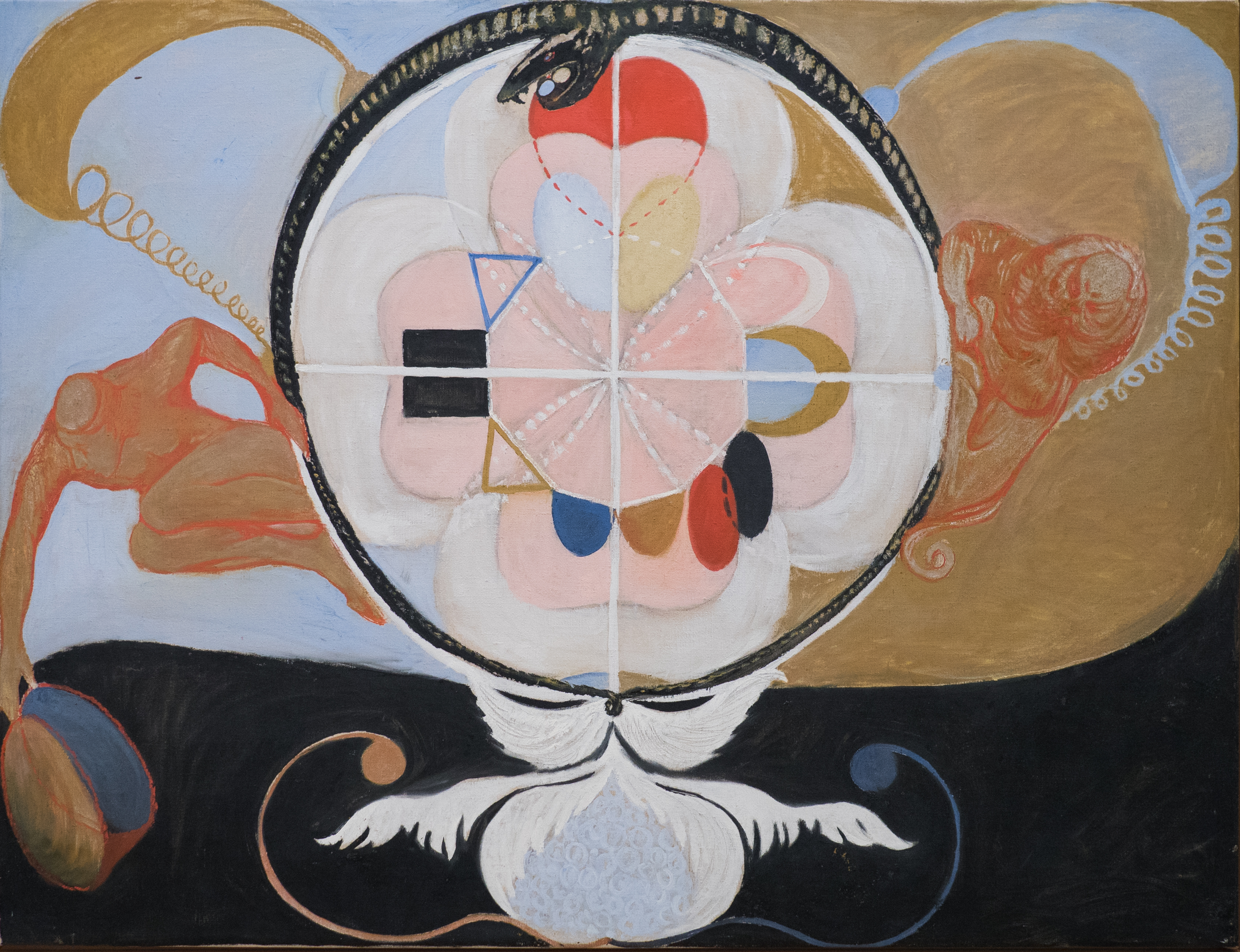
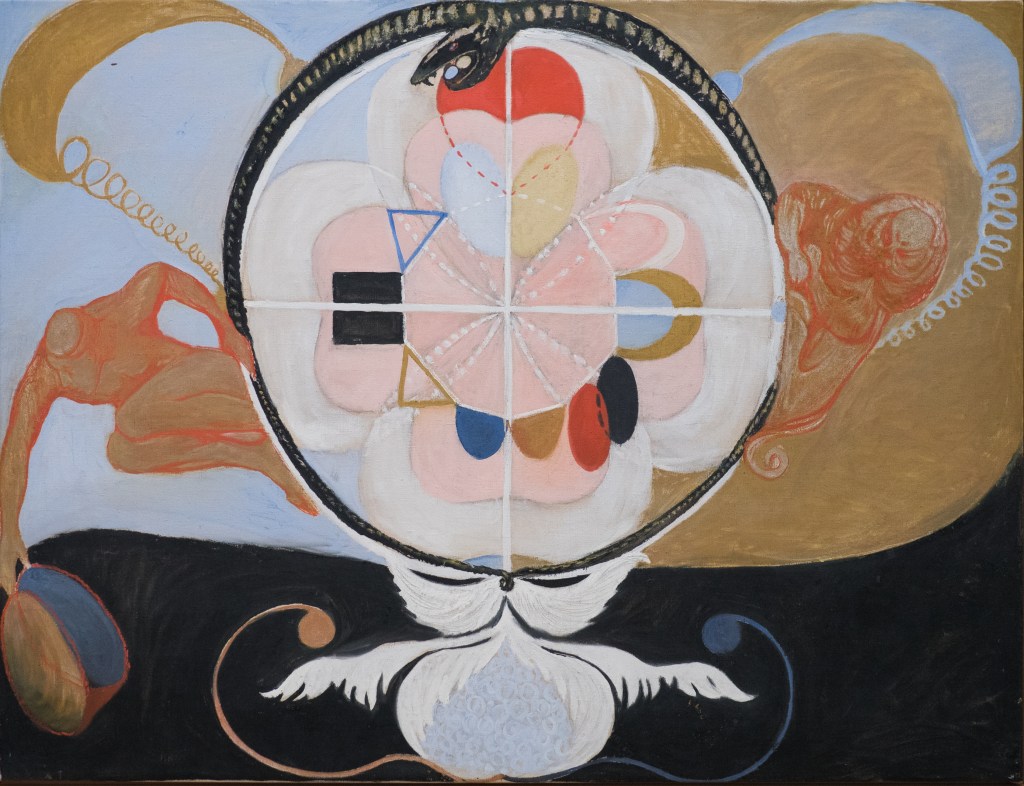
Image Credit: Hilma af Klint “Evolution, No. 13, Group VI” (1908) Public Domain
Quotations


1.
As a boy in a small village
In the shadow of a short mountain
I asked an old man
The very oldest I knew
Why the world is the way it is.
He told me, “It was always like this.
Even on the first day.”

2.
 An insomniac friend confided,
“I fall asleep quickly if someone
Is watching, attentively.
That’s the only thing
That works. My first wife
Thought it sweet for
A few years.”

3.
One woman to another
In a check-out grocery line:
“I don’t know what he wants
From me, except
That one thing.

Lately, I think
His heart is a fist.”

4.
After a few drinks
Talk turns to
Nightmares.
Recent ones with dog teeth.
Childhood ones which never left.
           “Some dreams wake me up
When credits roll at the end.”

5.
“I’m afraid,” she says,
“I’m always afraid. I think about
Calling on angels for help. Then I remember
I don’t know one angel’s name.”
About the Author: Mike James makes his home outside Nashville, Tennessee. He has published in numerous magazines, large and small, throughout the country. His poetry collections include: Leftover Distances (Luchador), Parades (Alien Buddha), Jumping Drawbridges in Technicolor (Blue Horse), and Crows in the Jukebox (Bottom Dog.) In April, Red Hawk published his 20th collection, Portable Light: Poems 1991-2021.
The History of Rivers

a car with one headlight
bobs and weaves its way through the mud
looking for a pair of missing glasses
what good are they anyway
we can never see where we’re going
only where we’ve been
floods of emotion like this
are only supposed to happen once a century
but we can’t see our way past the rocks
everything only seems to come into focus
after we get out of the water
& raise a glass to the spirits
resting in capsized riverboats
that you’ll never find squinting in the sunlight
listening to the words of that lonesome whippoorwill
singing some far fetched river song.
About the Author: John Dorsey lived for several years in Toledo, Ohio. He is the author of several collections of poetry, including Teaching the Dead to Sing: The Outlaw’s Prayer (Rose of Sharon Press, 2006), Sodomy is a City in New Jersey (American Mettle Books, 2010), Tombstone Factory, (Epic Rites Press, 2013), Appalachian Frankenstein (GTK Press, 2015) Being the Fire (Tangerine Press, 2016) and Shoot the Messenger (Red Flag Poetry, 2017),Your Daughter’s Country (Blue Horse Press, 2019), Which Way to the River: Selected Poems 2016-2020 (OAC Books, 2020), Afterlife Karaoke (Crisis Chronicles Press, 2021) and Sundown at the Redneck Carnival, (Spartan Press, 2022).. His work has been nominated for the Pushcart Prize, Best of the Net, and the Stanley Hanks Memorial Poetry Prize. He was the winner of the 2019 Terri Award given out at the Poetry Rendezvous. He may be reached at archerevans@yahoo.com.
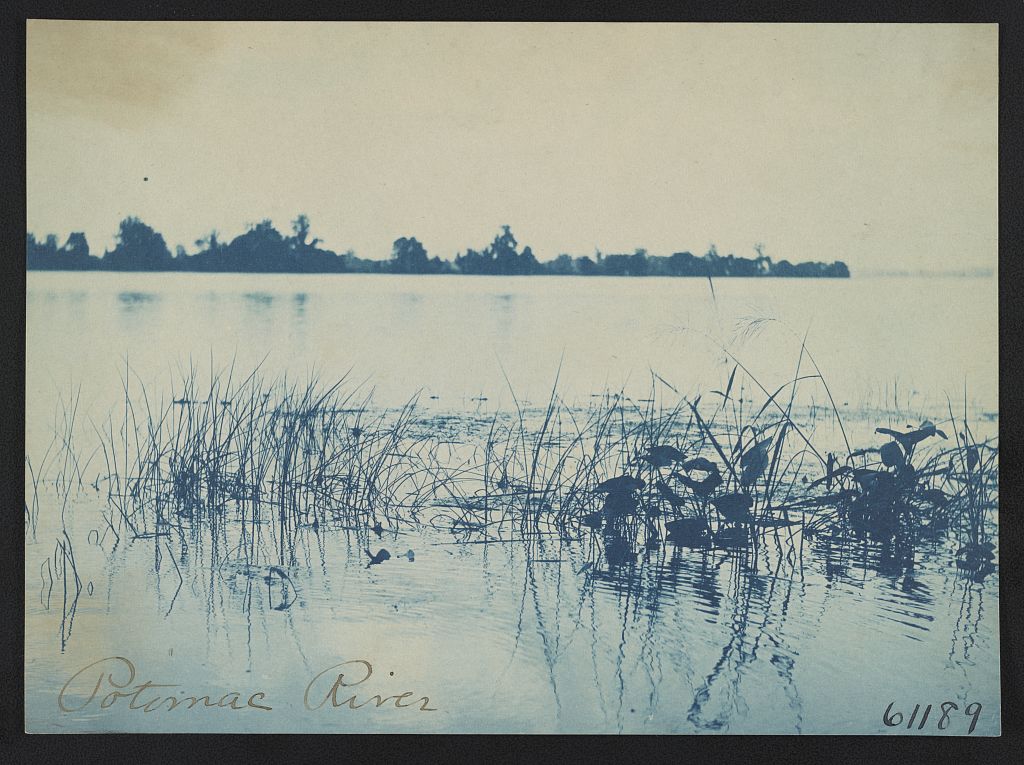
Image Credit: Frances Benjamin Johnston “Potomac River” (1898) Public domain image courtesy of The Library of Congress
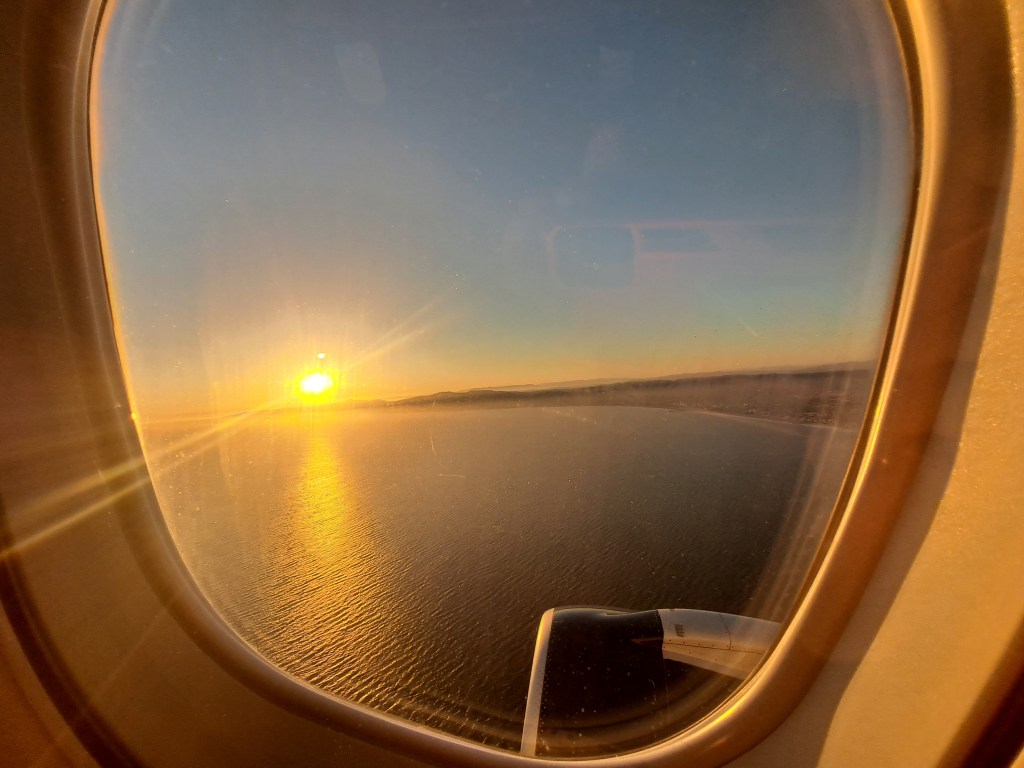
Infrequent Flyer

Mesmerized even thru tears as the
twelve-seater circled above Newburgh Airport,
lights of the Beacon Bridge glittered like a strand
of café lights over the Hudson. It was December.
I had spent five days in Florida watching my father,
skinny as he was as a kid, lie drowsy and confused,
hospital bed in the usual hospital setting, white
waffled blankets, white sheets, white paper cups,
white pitchers of white water, white nurses in
white nylon pantsuits trying to reassure me that
dark was not hiding behind every closet door.
His lungs, three-thousand miles of old road
paved with auto body chemicals and memory of
Marlboro Lights, were collapsing under the
weight of time, waves of tropical light.
Weeks had passed, and the lungs insisted on
closing like balloons with a carnival leak,
My parents, the Peter Pan and Wendy of
our neighborhood, if Peter had succumbed for a moment
to Wendy’s mothering charms and they’d left his
misfits behind to make their own Neverland,
their own lost boys and girls.
They improvised life, fueled with impulse
and recreational hormones. Some
success, some memorable failures.
He flew, he always flew, often higher than
the proverbial kite. She cried, got work
when he could not, would not, supported
his dusty flights of fancy, and now brought
him spaghetti, American cheese melted on top,
his favorite food, to supplement the hospital’s
rancid menu. She visited daily, only a few blocks
from their final paradise, made us the bearer
of her news, old and new.

And my plane before landing circled the airport
like Peter on a final flight, enjoying the view
he’d taken for granted for so long,
thinking the journey would never end.
We curled into a landing strip, I dried my
eyes. My Beloved waited for me at the gate.
We went to a barbeque joint to celebrate,
see the live broadcast of a play his
coworkers built the sets for, another trip
to Neverland and back.
We left halfway thru, my heart never, never having
landed, still up there in the stars,
dreading the morning.
About the Author: Cheryl A. Rice’s poems have appeared in Home Planet News, Misfit Magazine, and Trailer Park Quarterly, among others. Recent books include Love’s Compass (Kung Fu Treachery Press), and Until the Words Came (Post Traumatic Press), coauthored with Guy Reed. Her blog is at: http://flyingmonkeyprods.blogspot.com/. Rice lives in New York’s Hudson Valley.
A Thread of Winter


sun sends frost into the grass and soil
wind is waiting for the dog to drop the ball

those late night moments when a stretch of freeway
is empty and resents the next vehicle that comes through
but the road can’t change fast enough to assert its will

other times the freeway is so full and heavy
nothing moves and the earth beneath it
dreams of being a river and swimming inside itself

as the river knows without dreaming that
for much of winter, several threads of frozen water
tangle through it, unable to cohere or slow anything

yes heat rises, but in winter cold starts at the top
walking to and from high school in winter, i could
generate heat in the center of my chest and have it
flow outwards, never spent enough time in heat
to generate cold, or a wind that trickles out my pores
not breath, a snack I can walk through
legless walking, how this body could fly
and land safely

what if our solar system was too hot
and we needed the opposite of the sun
to make earth cool enough to live on

what if the only places to live on this planet
were at the equator, what new ways
would we divide time, how would we
vary our wardrobes, what would be
peak vacation times, our birthdays
would be our personal new years

what if the only places to live on this planet
were at the equator, would I get adventurous
or systematically imaginative
About the Author: dan raphael’s poetry collection In the Wordshed will published by Last Word Press this November. More recent poems appear in Fireweed, Trampoline, Rasputin, Haight Ashbury Literary Journal and Unlikely Stories. Most Wednesdays dan writes and records a current events poet for The KBOO Evening News.
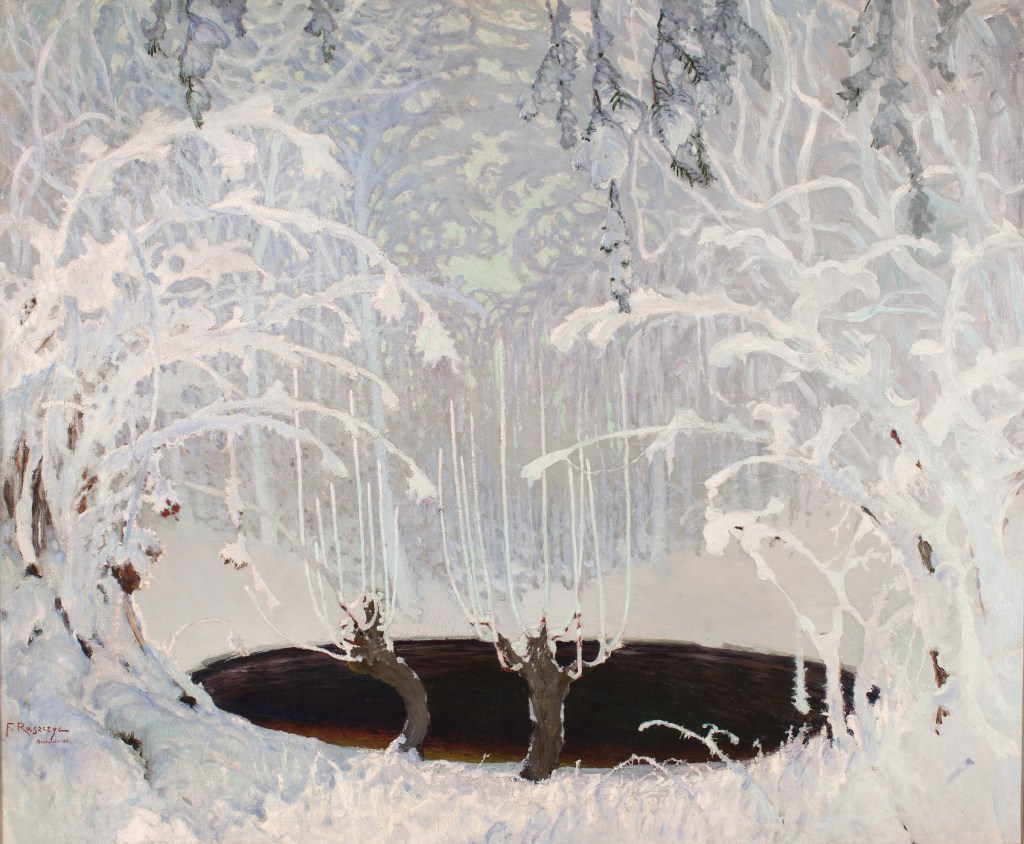
Image Credit: Ferdynand Ruszczyc “Winter Tale” (1904) Public domain image courtesy of Artvee
 As It Ought To Be