
Blue Collar Blues:
The Poetry of Wayne F. Burke
By Arthur Hoyle
Wayne F. Burke is a populist poet living in central Vermont, where he works as a Licensed Practical Nurse. His biography on Amazon tells us that he was born in 1954 in a small Massachusetts manufacturing town. His father had served in the U.S. Marine Corps before becoming the manager of a Mobil Flying-A gas station, and his mother worked in a textile mill. Both his parents died while he was a boy, and he and his three siblings were raised by their paternal grandparents and an uncle. He graduated from Goddard College in 1979 with a degree in Regional and Urban Planning, then took to the road, traveling around the country, working in a variety of occupations unrelated to his degree, and writing. He began publishing his poetry in 2013, when he was fifty-nine years old.
It is not surprising that a poet of such blue-collar origins would write blue collar poems, notable for their blunt honesty, visceral imagery, and gritty situations à la Bukowski. But what really distinguishes Burke, for me, is his persistent use of a deadpan irony that brings both humor and surprise to scenes and situations with dark and often malevolent undertones. This signature attitude, or tone, he uses with skilled effect to jolt his reader into a state of awareness⎯one of the high aims of all art. To sample his unique style and technique, and hear his plain, unpretentious voice, read Escape from the Planet Crouton (Luchador Press, 2019), under review here.
A glance at the titles of the poems in this collection reveals that we are in the presence of a poet of the ordinary and the everyday, the world of highways, farms, tattoos, naps, raindrops, firecrackers, speeding tickets, seedy bars, and sordid streets. But a feral, menacing reality lurks below the surface of this world. The tattoo is worn by an employer who fires the speaker of the poem for coming to work drunk. The tattoo is the number branded on the employer’s arm by his captors in a World War II concentration camp. “Raindrops on the eaves/sound like a beautiful/loneliness,” the poet lyrically writes, but we learn immediately that he is listening to them to escape “her/talking/ in the darkened room,/high on medication/or on . . ./whatever.” The “Nap” is not a restful snooze on a cozy couch; it is the sleep of the homeless narrator in an empty parking lot behind a credit union, “the curb stone a hard cushion/but welcome one.”
Burke’s sensory language immerses the reader in this dreary underworld. “Polio” is not about polio. It describes a Halloween prank perpetrated in his boyhood by the narrator and his friend Charlie, who “stripped the thorny pulp off horse chestnuts/and put the ebony nuts into/a brown shopping bag/and threw the nuts that night/Halloween/at the Camel’s house across the street/until cops came with their shining blue/light.” Aged seven, the narrator runs away from his harsh home “down the road/along cracked and gouged sidewalk/a quarter mile to the lime kiln/loud waterfall-roar of machinery/white dust in the air and/smoky white buildings,/trucks banging along the highway/over railroad tracks.” The stubby lines with their short rhythms throb a relentless drumbeat of despair.
Many of Burke’s poems locate the reader in a scene or situation and tell a story. The stories are often edged with irony and morbid resignation. The runaway boy, frightened by a chained German Shepherd watchdog that barks at him, hightails it home to discover that “Nobody there knew that I had been gone,” a line that hints at his neglect and loneliness. While working with a highway maintenance crew he waves at a female high school classmate who drives by in her Cadillac without acknowledging him. In another incident as an adult, he tries to escape homelessness by staying in a room at the YMCA, but gives up when he cannot think of a name to enter in the “in case of emergency notify” box on the registration form. Loneliness and alienation are persistent themes in the collection. In the final poem, titled ungrammatically “It a Lie,” the speaker insists “I will never/be in need/never cry/at night/not me/not me/I am/different/breed of/liar.”
Escape from the Planet Crouton is arranged into eight sections, several of which have a clear organizing principle, but nearly all of which give voice to the speaker’s sense of isolation from the people and society around him. The first section, which opens with the epigraph “the clapboard Inn/My grandfather owned⎯/marble in the dream,” deals with the narrator’s childhood upbringing in a severe, loveless home. The next section covers his high school and college years, marked by heavy drinking, brushes with the law, and glimpses of the rawness in the wider world. There is a section on his turbulent relationships with women, including a very funny dialogue with “The Old Lady” (his wife), and scattered poems about his health and drinking problems.
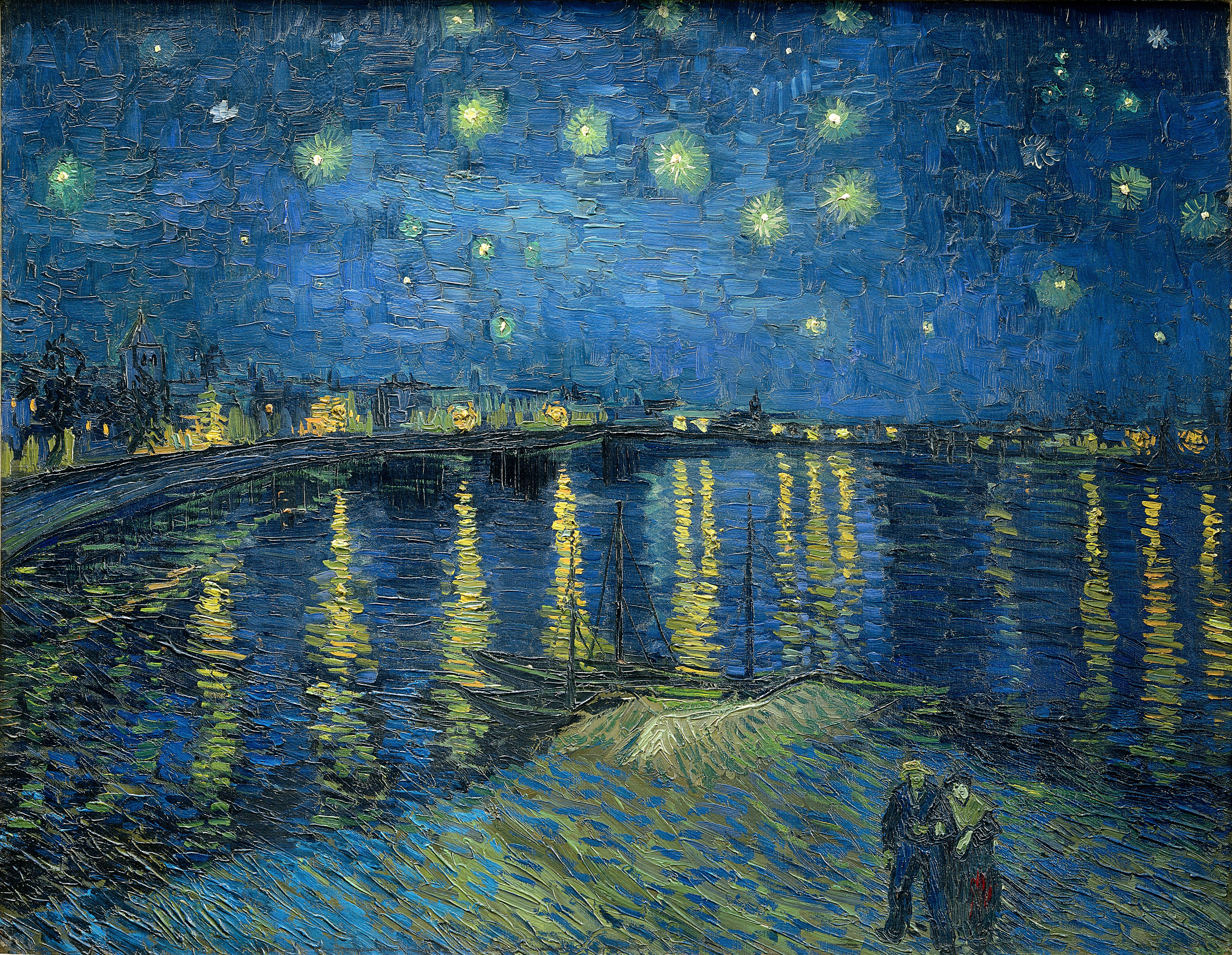
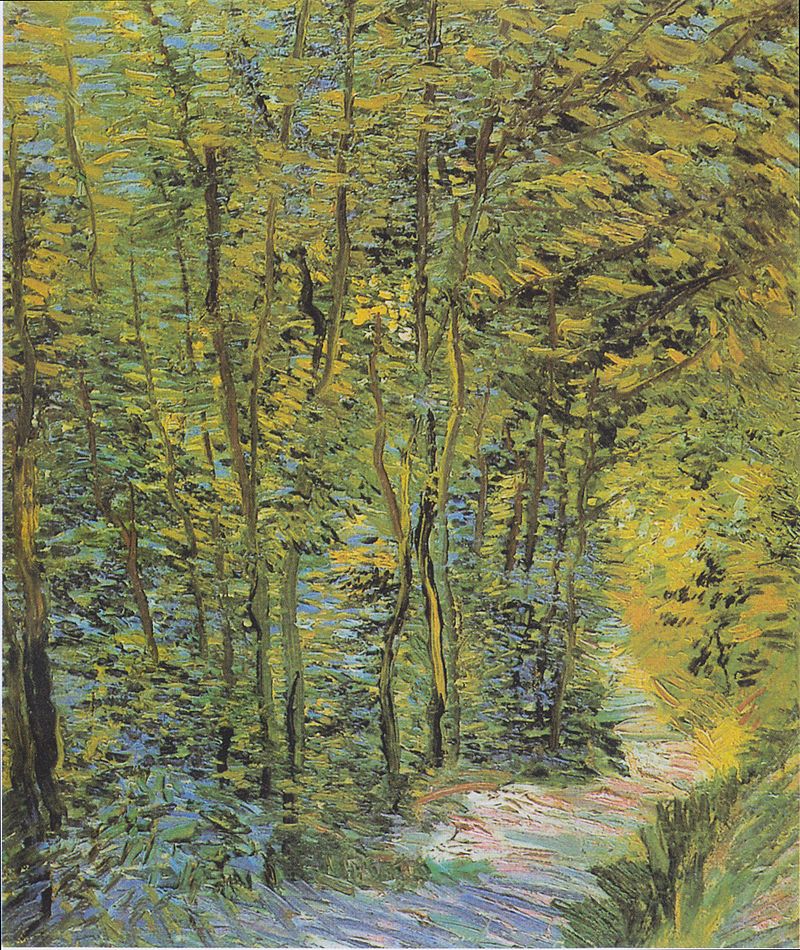
An exception to the pattern is Section 3, which is prefaced by the meditative lines “busy/all/morning/watching/the/clouds,” a lead-in to poems about art and artists, where Burke finds salvation from the drabness of his ordinary existence. His portrait of Van Gogh is especially moving as it honors “canvases/like portals so vast/and deep/with emptiness/nothing could fill them/but/eternity.” He also writes about Kurt Schwitters, Jackson Pollock (“a momma’s boy”), fellow poets he met in college, and his progenitor Charles Bukowski, “a misanthrope and/hater of the herd.” Henry Miller gets a mention too.
The poem “I Write for the Factory Workers” sums up this poet’s artistic sensibility and mission, and so I quote it here in full to give the reader an undiluted dose of Wayne F. Burke.
I Write for the Factory Workers
the bums,
the burn-outs
the renegades who
left town and never returned,
the unmarried
the unheralded,
lumpen and prole
who never made the honor roll
in High School
never were handed a job
or a promotion
or a trophy,
but got probation,
parole,
an eviction notice,
a Dear John letter,
a court summons,
a pink slip,
a knuckle sandwich,
a room in a nut house,
a ride in the paddy wagon,
a jail sentence,
divorce papers,
bad acid,
food poisoning,
herpes simplex,
crabs,
bronchitis,
mononucleosis,
and hangovers that
lasted for days.
It remains to ponder the significance of the title of this volume, and the design of its cover, which pictures a pink and yellow science fiction rocket ship zooming across the star-filled night sky. At the start of Section 5, Burke tells us that “in Croutonville everyone is guilty/until they prove themselves innocent;/the bums gather in the park,/and hot-rodders roar up and down/the empty streets;/dogs bark at all hours/of the spot-lit nights,/and the primary cause of death/is O.D.”
Croutonville sounds very much like the hollowed-out core of the American dream of which so many are now dispossessed. Burke has made his escape in the rocket ship of poetry.
Escape from the Planet Crouton is available via Luchador Press
About the Author, Arthur Hoyle: I am the author of The Unknown Henry Miller: A Seeker in Big Sur (Skyhorse/Arcade March 2014). I have also published essays in Huffington Post, Empty Mirror, Across the Margin, and Counterpunch. My second non-fiction book, Mavericks, Mystics, and Misfits: Americans Against the Grain, was published March 17, 2020 by Sunbury Press.




#/media/File:Van_Gogh_-_Waldweg.jpeg)