Geraldine Cannon: “April Fools’ Day – In All Good Fun”

“Rabbit, Rabbit!  Pinch Punch! First of the month. White Rabbit, No Return.”
--for Good Luck, said on the first day each month.


April Fools’ Day – In All Good Fun

You can’t believe a thing you read today,
at least not entirely. There may be a grain
of truth, but you’ll have to sift it out yourself.
A friend reminded me of an old date night spoof
to take an ugly girl out to dance—a one-night stand.
She was that girl for some but now she has become
swan to duck as compared to them—a silk purse
to their ear of pig. Another friend met the fellow
of her dreams out on a date on this day years ago.
They’ve been married ever since and every single
year she says she’d do it all again. I never could’ve,
though. I joked once that I was pregnant, then vowed
never to again, because so many wanted me to be.
My neighbor was born on this day, and there are those
whose work I know, born today that I’ve never met.
Take Anne McCaffrey, for example: the first woman
for a lot of things science fiction and fantasy, in real life
won a Hugo. Still, reports say she struggled to be taken
seriously. Often asked how she found time to write,
like a boss, she would say: “You’ve got that wrong—
how do I find time for housework with all my writing!”
I know some Aprils who were born in May or June.
Go figure. Yes, and it’s the month to celebrate poems.
Regarding lines, you have given me one or two.
If mine are worth stealing, that sounds like a boon
for us both. I say, “Good luck, my friend!” I do mean it.

About the Author: Geraldine Cannon is a poet, scholar, and editor, also working as a Professor of English and Creative Writing at the University of Maine at Fort Kent, under her married name–Becker. She has been published in various journals and anthologies. She published Glad Wilderness (Plain View Press, 2008).. She has been helping others publish, and had stopped sending her own material out, but she was encouraged to do so again, and most recently has a new poem in the Winter issue, Gate of Dawn (Monroe House Press, 2024).

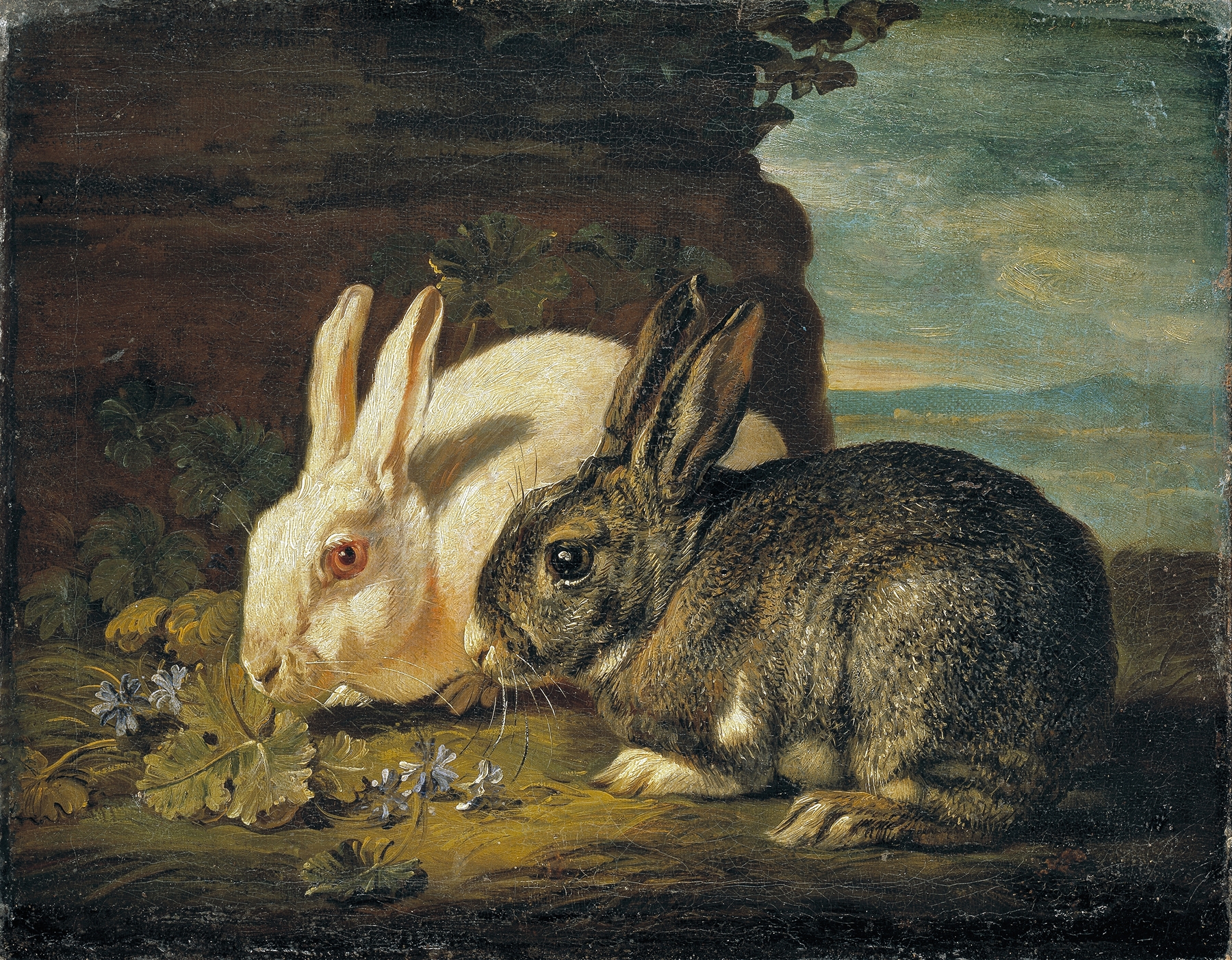
Image Credit: David de Coninck “Two Rabbits” Public domain image courtesy of Artvee.

James Croal Jackson: “Floods and Fires”

Floods and Fires

We don’t have that much land
and we forget the vastness

of the ocean, but it does not
forget us, angry and sacred,

swirling our waste in a rage
and hurling it back. Earth

wants to reclaim the Earth.
We burn it for fuel;

soon we will be fuel.
We are fools, dinosaurs–

but they die by a star,
and we, by our fire.

About the Author: James Croal Jackson is a Filipino-American poet who works in film production. His latest chapbooks are A God You Believed In (Pinhole Poetry, 2023) and Count Seeds With Me (Ethel Zine & Micro-Press, 2022). Recent poems are in Beltway Poetry Quarterly, Little Patuxent Review, and The Round. He edits The Mantle Poetry from Pittsburgh, Pennsylvania. (jamescroaljackson.com)

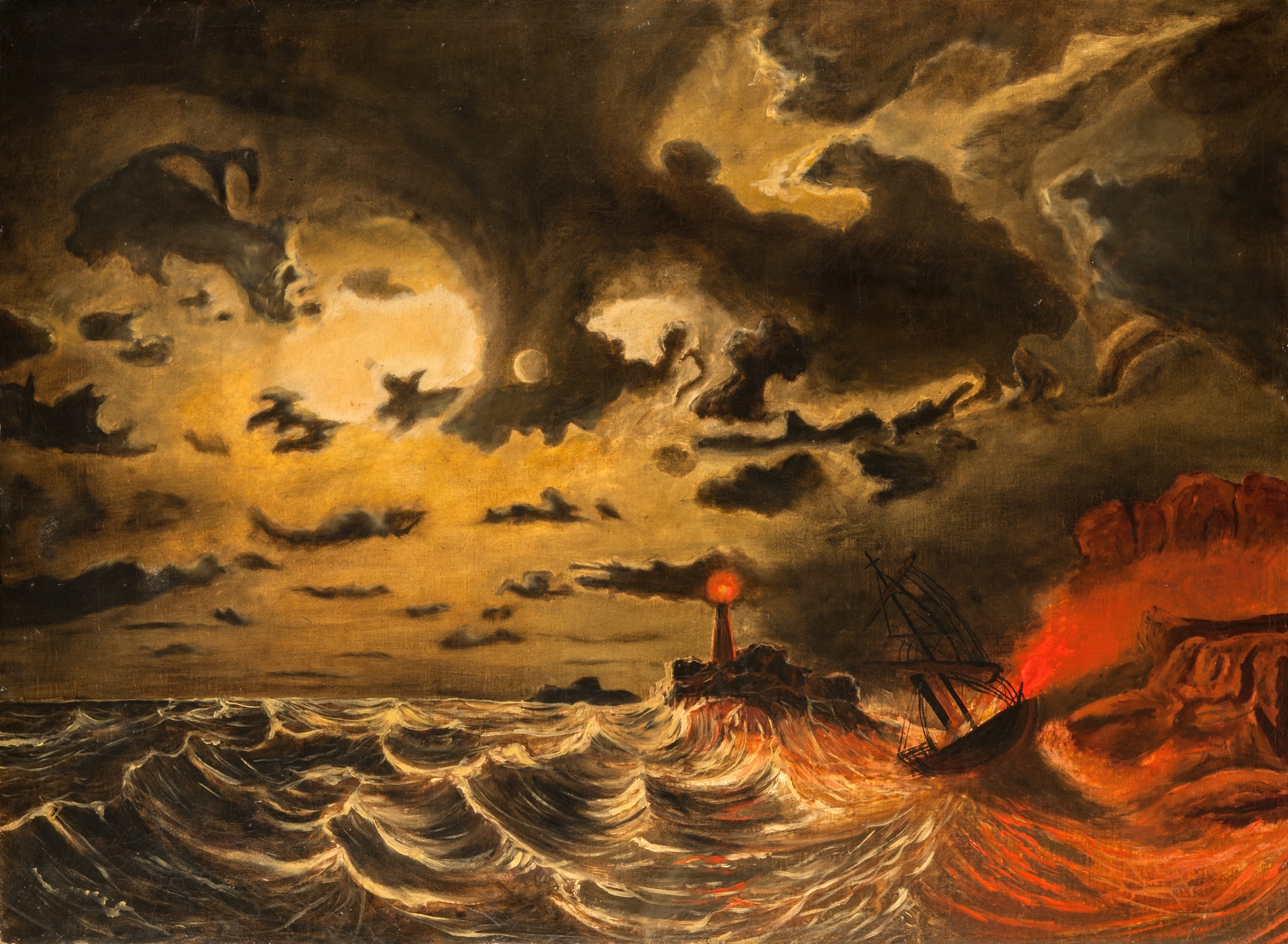
Image Credit: Marcus Larson “Steamer in Flames” Public domain image courtesy of Artvee.

Agnes Vojta: “Waking up in India to the News that Mike is Dead”

Waking up in India to the News that Mike is Dead

“I will bathe in memory and in loss.”
- Mike James


In the tropical night, I wake, fiddle with my phone, see the news.
You knew it was coming. My last submission. I did not expect it so soon.

I sit under a Banyan tree and study its aerial roots. I cannot remember
what you wrote about trees.

On my laptop, I re-read our chats. I want to download and save them.
As if that could keep you here.

At a deserted playground, monkeys scamper up and down the slide.
They know nothing of poetry.

I copied lines from your poems, carried them as a talisman,
taped them above my desk.

I wonder what you would have packed if you could have taken a suitcase.
I hear the list in your voice.

It sounds as if you are reading one of your prose poems.

About the Author: Agnes Vojta grew up in Germany and now lives in Rolla, Missouri where she teaches physics at Missouri S&T and hikes the Ozarks. She is the author of Porous Land, The Eden of Perhaps, and A Coracle for Dreams, all published by Spartan Press. Together with eight other poets she collaborated on the book Wild Muse: Ozarks Nature Poetry (Cornerpost Press, 2022.) Her poems have appeared in a variety of magazines; you can read some of them on her website agnesvojta.com.

Image Credit: Carol M. Highsmith “Fort Myers, a small city on Florida’s southwest coast along the Gulf of Mexico calls itself the Palm City but its most iconic leafy specimens are the immense banyan trees downtown” Public domain image courtesy of the Library of Congress

Howie Good: “In Memory Of”

In Memory of

Pope slams America, the headline said. It wasn’t necessary for me to read the story to know that frightful changes were afoot. First, a pod of orcas had rammed a fishing vessel in revenge for past depredations, and then the last of the Western deities crashed to Earth. For weeks afterwards, people would leave flowers and cards and stuffed animals at the spot. Even a police spy was forced to look away in embarrassment at the outpouring of emotion. My own sense of propriety probably derives from the self-sacrificing patriotism of the World War II movies I grew up watching on TV. Although long ago I forgot the titles and plots of the movies, I’ve always remembered one scene. A young soldier, sprawled on his back at the edge of a bomb crater, his face half sheared off, cries in a little boy’s voice, Mama! Mama! And all around, the war goes on.

About the Author: Howie Good’s newest poetry collection, Frowny Face, a mix of his prose poems and collages, is now available from Redhawk Publications He co-edits the online journal UnLost, dedicated to found poetry.

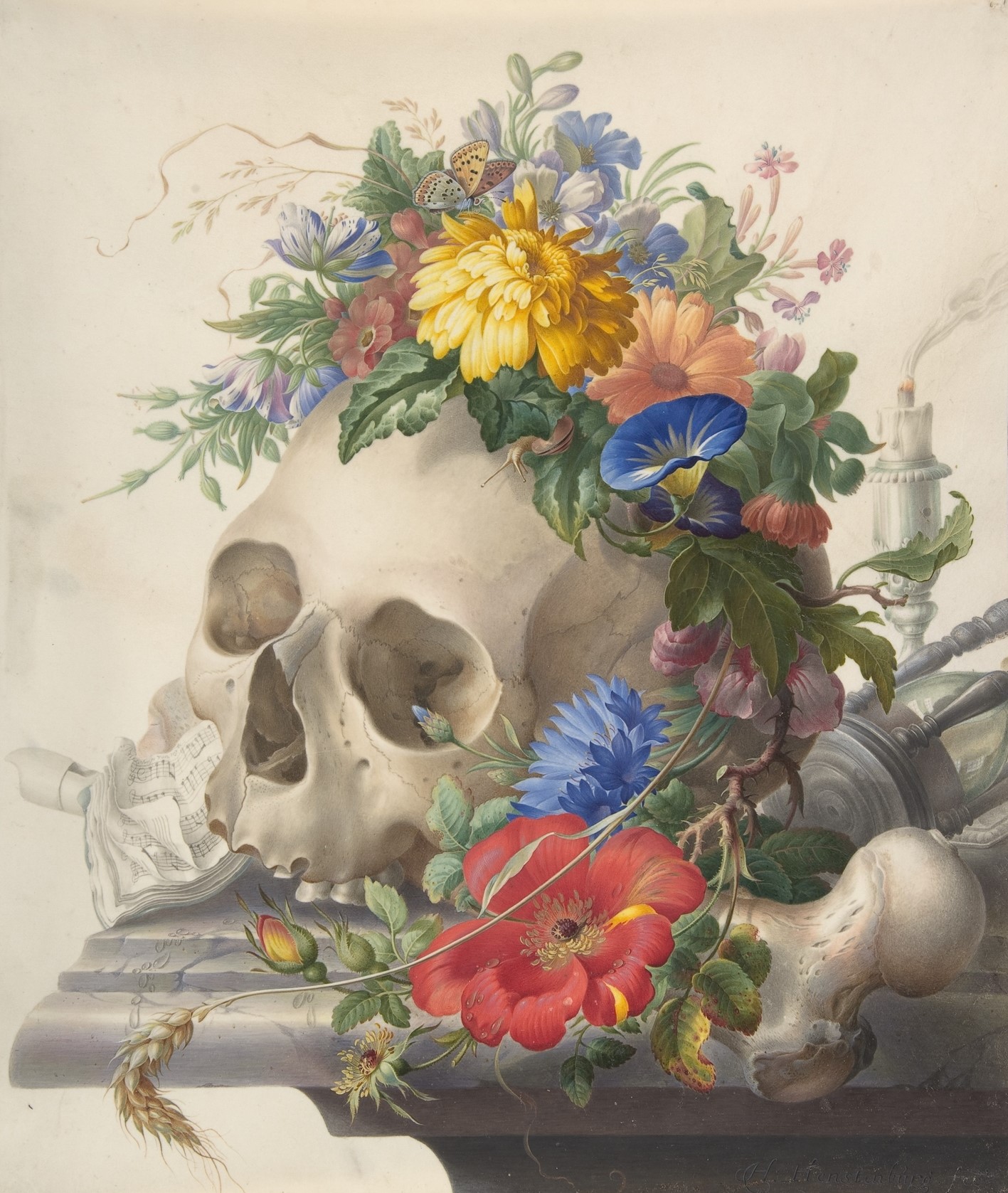
Image Credit: Herman Henstenburgh “Vanitas Still Life” Public domain image courtesy of Artvee.

M. J. Arcangelini: “Invisible Ink”

INVISIBLE INK
In memory of Mike James

The letter from his friend came inscribed
With invisible ink. He pondered it, puzzled,
Then remembered hearing once how
To make such things viewable.
He held it over a candle’s open flame.
Just before it ignited, the words
Appeared, but the paper immolated
In his hand before he could read it.

How much more is there to be said?
His friend is dead now, gone. Ashes stirring
with the slightest breeze, drifting upward
like grey snow run backwards and projected
onto the future. Fertile memories to be
reawakened in the shadows of dusk,
harvested from the white fields holding
words he left behind unsaid, unwritten.

About the Author: M.J. (Michael Joseph) Arcangelini was born 1952 in western Pennsylvania. He has resided in northern California since 1979. His work has been published in many magazines, online journals, over a dozen anthologies, & 6 collections, the most recent of which is “Pawning My Sins” from Luchador Press, 2022.

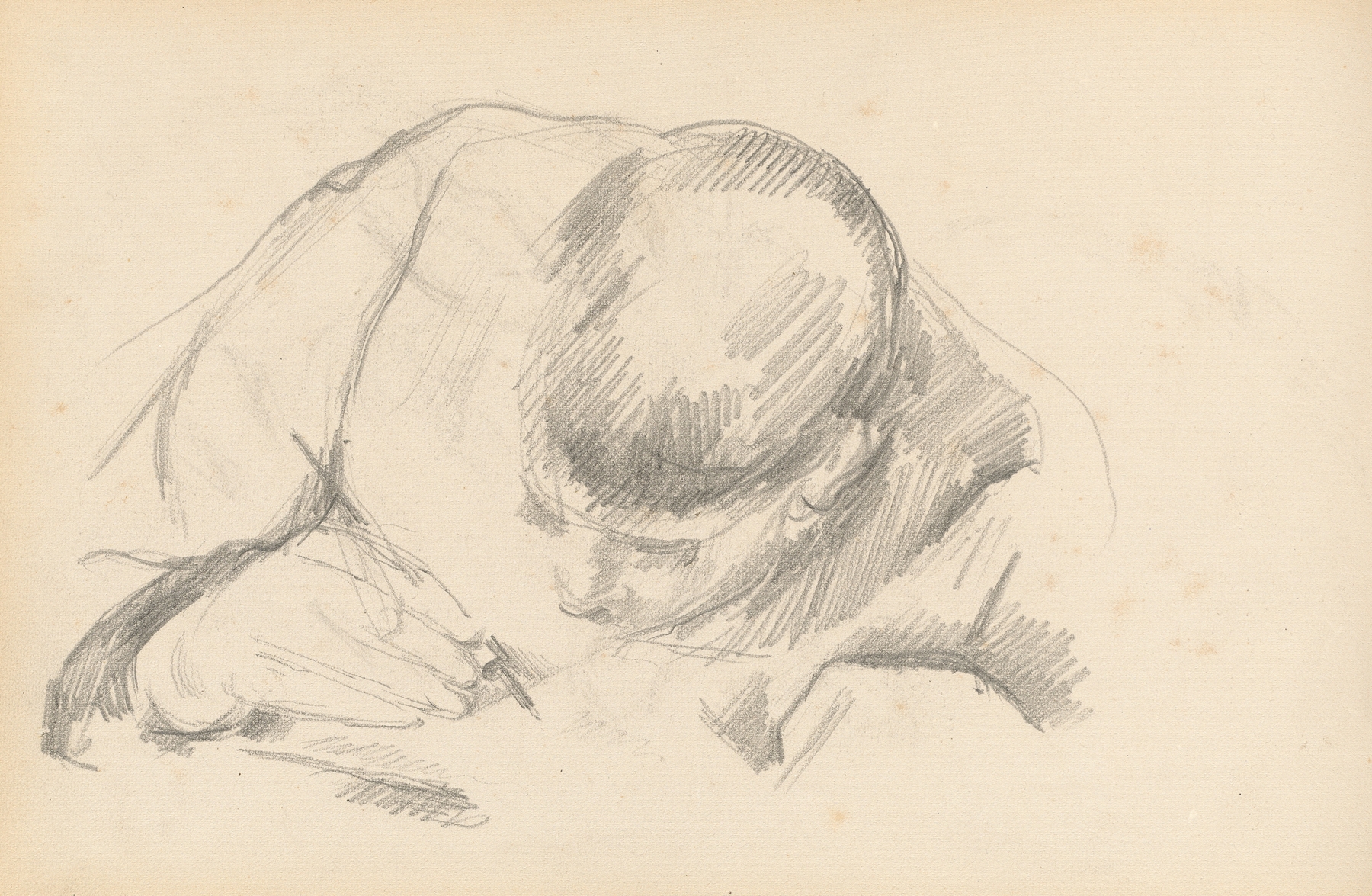
Image Credit: Paul Cézanne “The Artist’s Son Writing” (1887) Public domain image courtesy of Artvee.

Jason Baldinger: “the aforementioned skyline”

the aforementioned skyline

neither drugs or sunglasses best
parking lot halogen in sharonville
men sleep in their cars
heads groggy groundhog
up as people pass

this cheap motel surrounded
the other motel rustles
behind the tree line
the waffle house gives way
to skyline chili, to fast food
and big box chains
without a compass
there are no bearings
just endless small towns
swallowed by a shadow city

how would I know south of here
american anarchism bloomed
how would I know
la belle riviere is a whisper trace

waffle house takes out the trash
street cats shake
out of a lilac bush
skinny and skittery
about to take over the night

there is a pound of cheddar in the plastic
to go bag of the aforementioned skyline
too lazy to head south
toward the clang
of the underground railroad
I eat in my room
with cigarettes and black mold

as a representative of wealth
I lay out a shredded trail
a dairy bar feast
a transient gift
a yellow orange supply
to sustain a brood of hungry meows

consider it an offering
a small good thing
something that may bring the rain on
while there’s still ohio to go

About the Author: Jason Baldinger is a poet and photographer from Pittsburgh, PA. He is the co-editor of Trailer Park Quarterly and co-runs The Odd-Month Reading Series. He’s penned fifteen books of poetry the newest of which include: A History of Backroads Misplaced: Selected Poems 2010-2020 (Kung Fu Treachery), American Aorta (OAC Books) and This Still Life (Kung Fu Treachery) with James Benger. His first book of photography, Lazarus, was just released. He has two ekphrastic collaborations (with poets Rebecca Schumejda and Robert Dean) forthcoming. His work has appeared across a wide variety of online sites and print journals. You can hear him read from various books on Bandcamp and on lps by The Gotobeds and Theremonster.

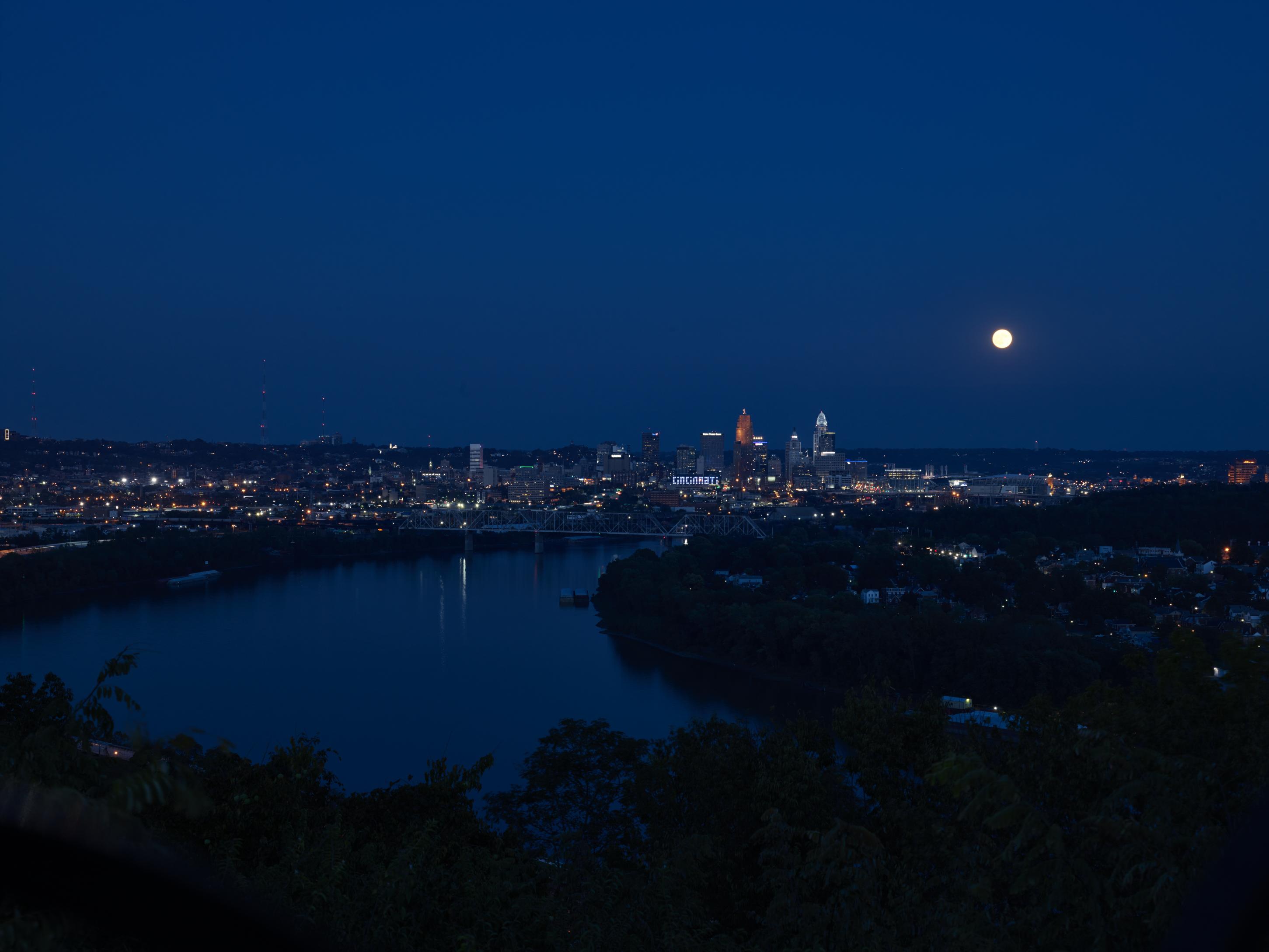
Image Credit: Carol M. Highsmith “Nightime view of the Cincinnati, Ohio, skyline” (2016). Public domain image courtesy of The Library of Congress

Diana Rosen: “Running for the Bus in a Rainstorm”

Running for the Bus in a Rainstorm

You’re balancing the tote of groceries
in one hand while holding an open
umbrella, rushing for the bus, trying
not to slip on the water rushing down
this hilly sidewalk.

An eccentric, effusive man bows, mumbles
something in a language only he knows,
sweeps an invisible path for you before
dashing to tell the bus driver to wait,
there’s another

rained-upon passenger. You thank him
profusely, but your savior is already on
his way to the back of the bus to do his
impersonation of Little Richard, complete
with elaborate

piano thumping, body gyrations, music
on he can hear. You sigh, offer thanks to
the bus gods, grateful for your quixotic
helper’s effusive kindness, hopeful you
can carry it forward.

About the Author: Diana Rosen is an essayist, poet, and flash writer whose first full-length hybrid book, “High Stakes & Expectations” is available from thetinypublisher.com She lives and works in Los Angeles where her “backyard” is the 4,200+ acre Griffith Park, the largest urban green space in the U.S. To read more of her work, please visit authory.com/dianarosen.

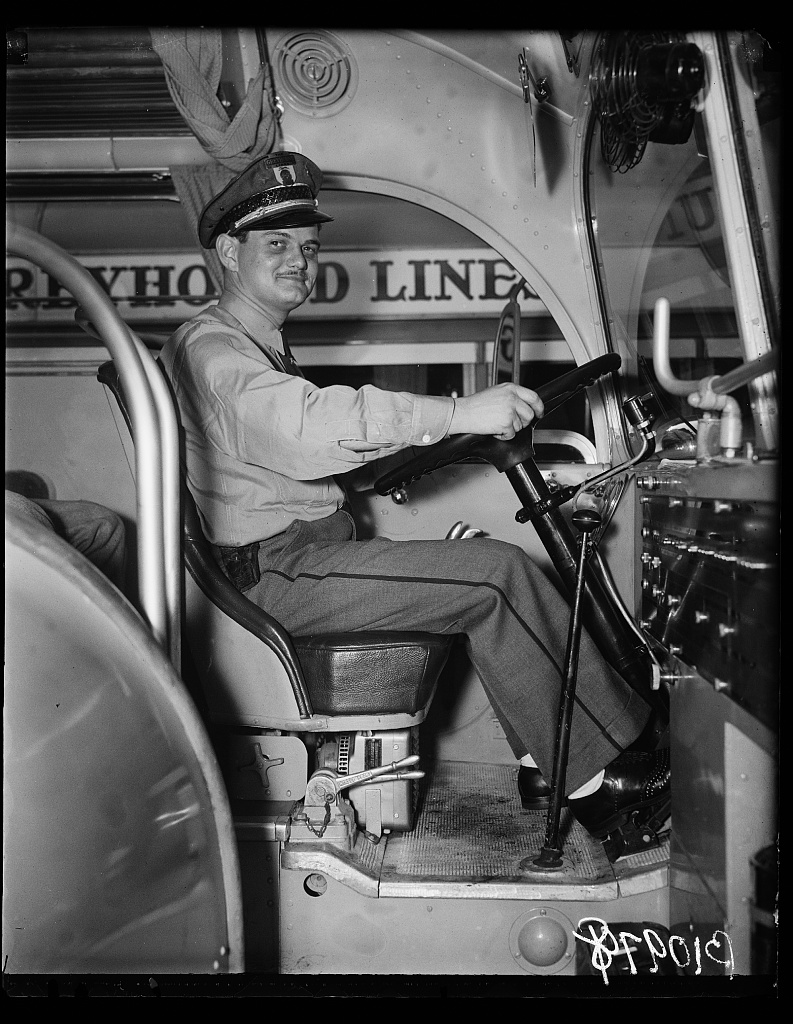
Image Credit: Harris & Ewing, photographer “Bus Transportation Driver” (1937). Public domain image courtesy of The Library of Congress

Cheryl A. Rice: “Fishing Both Sides of the River”

Fishing Both Sides of the River
-for Mike James


Between heaven and Earth is orange,
binder I’ve been missing all my life.
Only fish you catch can see in color,
but the ones that can tend to stay
on the right side of the bank.
Reds around me, peevish, gregarious,
shy away from the unmitigated optimism
that is yellow. I see orange now
as the missing link, mediator who can
bring these disparate sides of my palette
back to sanity, plum a distant cousin,
aquamarine the troublesome hue
that started all the fuss.

About the Author: Twice a Best of the Net nominee, Cheryl A. Rice’s books include Dressing for the Unbearable (Flying Monkey Press), Until the Words Came (Post Traumatic Press), and Love’s Compass (Kung Fu Treachery Press). Her monthly column, The Flying Monkey, can be found at https://hvwg.org/, while her occasional blog, Flying Monkey Productions, is at http://flyingmonkeyprods.blogspot.com. Rice can be reached at dorothyy62@yahoo.com.

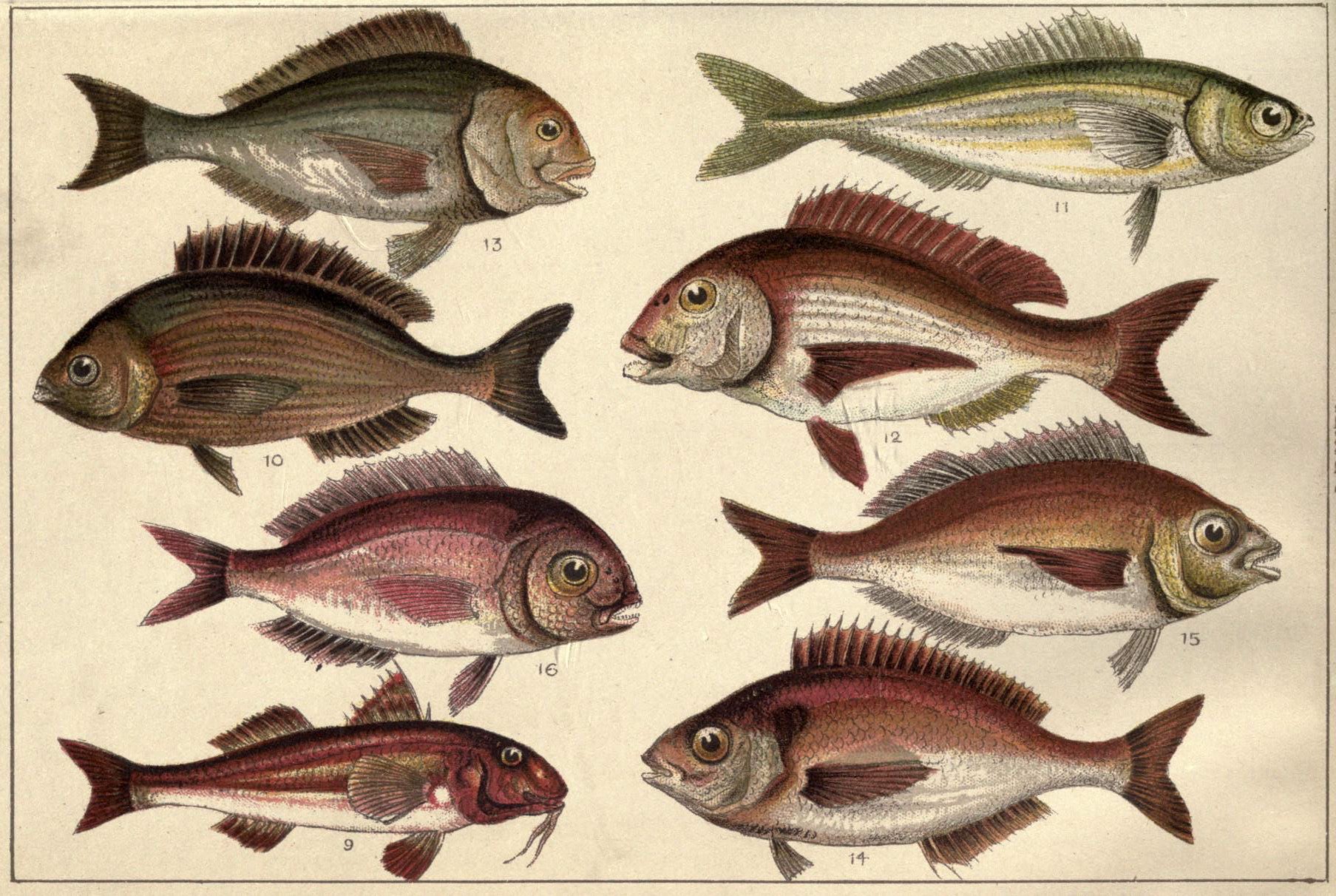
Image Credit: Public domain image originally from Our country’s fishes and how to know them London: Simpkin, Hamilton, Kent & Co.,[1902]. Image courtesy of the Biodiversity Heritage Library

John Dorsey: “On a Cold Afternoon at the Sit-N-Bull”


On a Cold Afternoon at the Sit-N-Bull

the kid behind the counter
hesitantly asks
what happened to my eye
& i hold in my anger
just long enough to remember
that this is the only place in town
to get a halfway decent hamburger
where the coffee doesn’t taste like generational poverty
even though the water
comes from that very same river
& i imagine his ancestors wearing coonskin caps
wiping the dirt from his face
& i wonder what happened
to my eye too
& all of the things it once saw
wiped away
like smudges of memory
like the manners we rarely use anymore
there are some questions
we just shouldn’t ask.

About the Author: John Dorsey is the former poet laureate of Belle, Missouri and the author of Pocatello Wildflower. He may be reached at archerevans@yahoo.com.

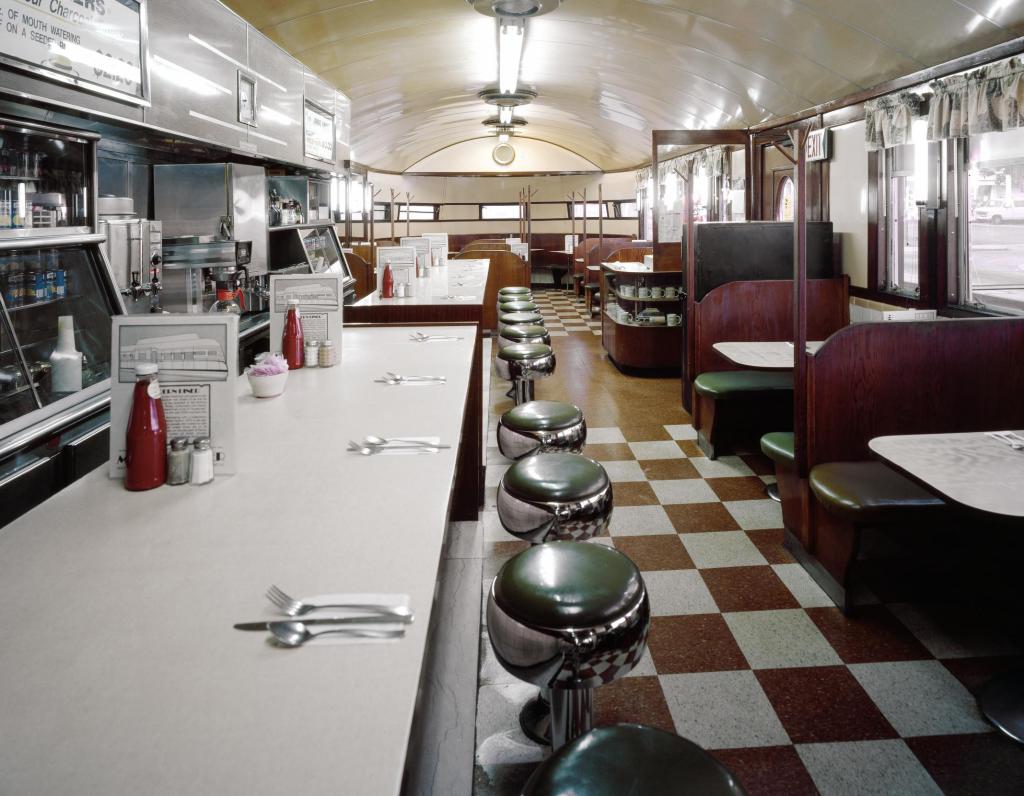
Image Credit: Carol M. Highsmith “Modern diner, Pawtucket, Rhode Island” Public domain image courtesy of The Library of Congress

Samuel Prestridge


Getting a Haircut from the Only Woman in Monroe County, Mississippi, Who Was Willing to Go to Funeral Homes in the Middle of the Night and Style the Hair of Corpses

My scalp listened, her fingers' telling
phone calls, 3 a.m., when the corpses 
were prepped.  She’d wash and dress their hair–                  
mom’s silvered pixie, granny’s blue helmet–                        .
turn death into a Sunday nap,                                               
so visitors would walk softly, whisper
what they’d left to say. 
                                            Wash, rinse, wash, rinse.                                  
She styled by pictures left for her
and aimed for open-casket—
no surprises, but covering surprises.
A gunshot to the temple might untoward
the familiar, might demand nightmare
comb-over; facial cruelties--slashes, 
crushed cheekbones--might be concealed 
by a Nora’s luxurious swoops,
cascading locks.
 
I thought how the dead missed out
on what her fingers said, the warmth
of her body on the back of my neck,
a flesh scent, almost floral,  I’d recognize today.
 
She told me she was never scared.
Indifferent to the opinions of the dead
or just not superstitious, I didn’t know.
I never asked if she talked to them 
the way she talked to me--if she passed on gossip, 
secrets, the way she’d pack a lunch.
 
I simply asked if she saw it as a sideline or a calling.
“The dead are only customers,” she said
and leaned me back to rinse my hair.

About the Author: Samuel Prestridge lives and works in Athens, Georgia.  He has published work in numerous publications, including Literary Imagination, Style, The Arkansas Review, As It Ought To Be, Poetry Quarterly, Appalachian Quarterly, Paideuma, The Lullwater Review, Poem, Pedagogy, and The Southern Humanities Review. 

 “I write poetry, he says, “because there are matters that cannot be directly stated, but that are essential to the survival of whatever soul we can still have.  Also, I’m no good at interpretive dance, which is the only other option that’s occurred to me.”

He is a post-aspirational man, and his children consider him an adequate father.  

Image Credit: John Margolies “Barber pole, Canton, Illinois” (1980)